Project Background
The client is a European secondary metallurgical processing plant specialising in recycling and smelting of rare and strategic metals. It purchases various industrial rare‑metal scrap as smelting raw materials and supplies finished products for automotive, new‑energy and precision‑alloy manufacturers.
Previously, the client sourced rare‑metal scrap (tungsten, tantalum, niobium, cobalt‑based industrial offcuts and machining scrap) directly from multiple domestic recyclers and traders. They faced severe industry pain points: actual material composition inconsistent with test reports, adulteration with low‑value impurities, lack of authoritative third‑party testing. Non‑standard documentation frequently triggered customs inspections and port detention with huge container demurrage fees. The client had to liaise with dozens of scattered recycling suppliers. Improper packaging and labelling were common. Without on‑site supervision and sampling, mismatched goods were only discovered after cargo arrival, resulting in substantial financial losses.
To control quality risks, guarantee documentary compliance, stabilise raw‑material supply and reduce overall procurement costs, the client selected our one‑stop foreign‑trade procurement service.
Client Procurement Requirements
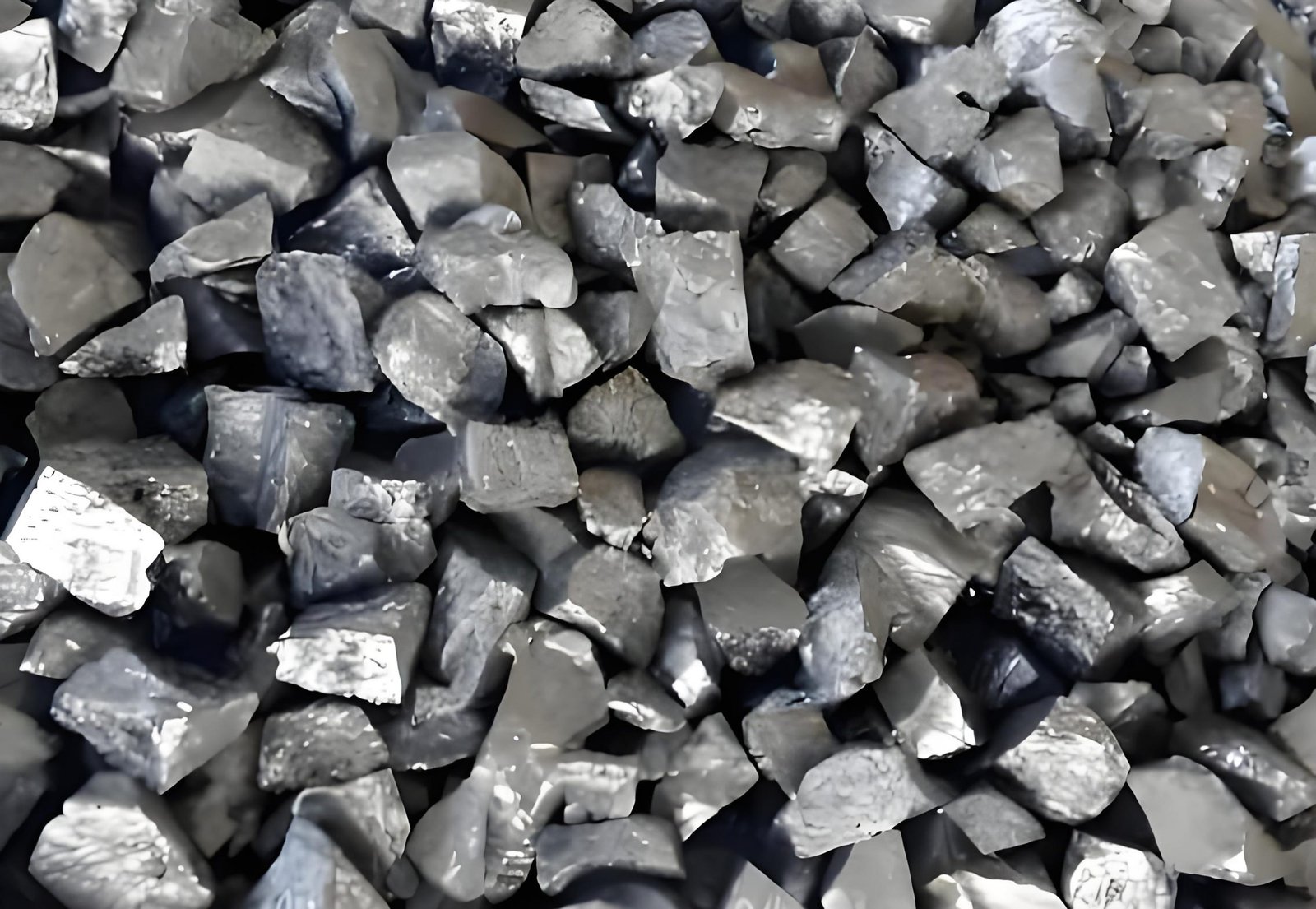
1. Product Range: Industrial rare‑metal scrap including tungsten, tantalum, niobium and cobalt, such as machining offcuts, used alloy components and powder scrap. Each batch shall meet agreed target metal content ranges with distinct quality grades.
2. Quality & Testing Requirements: Strict prevention of adulteration and material mixing. Each batch requires third‑party CMA/CNAS accredited laboratory reports (XRF plus chemical analysis). Actual metal content shall not fall below the contractual minimum limit. Goods shall be free of excessive foreign impurities. Clear classification and labelling on all packages.
3. Order Mode: Bulk orders shipped in separate consignments. Consolidated container loading from multiple sources is acceptable. Stable lead‑time performance is critical to avoid production downtime at the client’s smelter.
4. Full‑range Sourcing Service: The client expects us to handle supplier screening, on‑site supervision & sampling, third‑party testing, packaging standardisation, customs declaration and international sea freight. The client only confirms technical specifications, quantity and budget without contacting numerous scattered domestic recyclers.
Our Sourcing & Procurement Solutions
Drawing on domestic rare‑metal recycling industry resources, we provide full‑cycle procurement services including supplier screening & due‑diligence, on‑site loading supervision, third‑party laboratory testing, price negotiation, documentation preparation, compliant customs clearance and international logistics.
1. Qualified Source Screening to Mitigate Adulteration Risks
Based on the client’s smelting specifications, we select formally‑operated recyclers after field evaluation and exclude unqualified individual vendors. We conduct due‑diligence on suppliers’ past shipment records and quality performance. Raw‑material lots are matched against target metal contents. Materials of different grades are physically isolated during container consolidation to avoid cross‑contamination. By cutting multi‑layer intermediaries, we optimise overall procurement costs while maintaining agreed technical specifications.
2. On‑site Supervision plus Independent Third‑party Testing to Prevent Composition Disputes
Before shipment, our staff supervise loading, perform random sampling and seal sample batches. Samples are sent to accredited third‑party laboratories for compositional analysis with official test reports issued. Loading and shipment will only proceed when test results meet the client’s contractual specifications. Non‑conforming material will be replaced before dispatch. Photos of goods, loading records and complete test reports are shared for client pre‑shipment confirmation, avoiding heavy losses caused by sub‑standard cargo discovered post‑arrival.
3. Standardised Packaging, Labelling & Consolidated Container Management
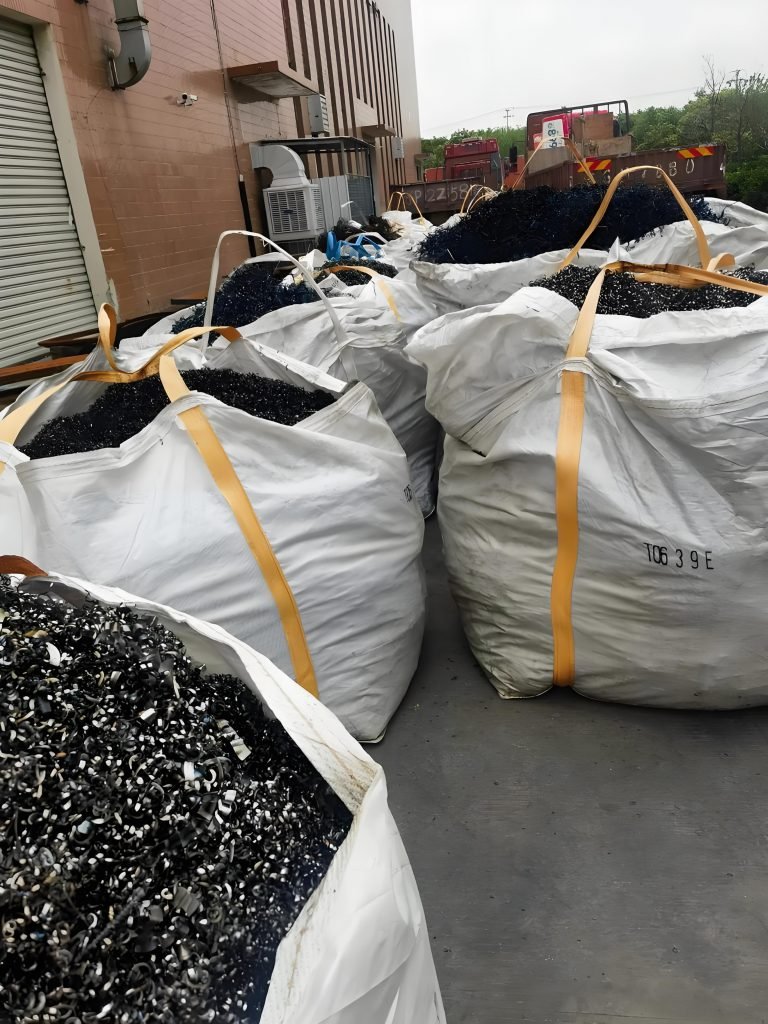
Scrap of different types and batches is packed separately with internal separation inside containers. Each package is clearly marked with material type and batch number for easy identification and sorting upon arrival. Multiple sources can be consolidated into one container to reduce ocean‑freight expenditure.
4. Full‑process Compliant Export Trusteeship
We prepare complete export documentation strictly complying with customs requirements and verify commodity classification and declaration details to minimise inspection and detention risks. We monitor loading, customs clearance and sea freight with full traceability. The client is relieved from engaging numerous domestic recyclers and understanding complex local export regulations and simply waits for cargo arrival.
Cooperation Achievements
1. Greatly Reduced Quality Risks
Our “test‑before‑shipment” procedure effectively eliminates severe adulteration and falsely‑declared composition. Quality disputes after goods arrival are almost eradicated and stable operation of the client’s smelting production line is secured.
2. Optimised Overall Procurement Costs
By sourcing from vetted origin suppliers and removing intermediate trade margins, we achieve lower overall procurement costs at unchanged technical specifications.
3. Smooth Customs Clearance without Detention Losses
Standardised documentation and accurate declaration support seamless customs clearance for all batches with no extra demurrage penalties.
4. Long‑term Recurring Partnership
The client discontinued fragmented purchasing from multiple recyclers and places regular monthly bulk orders. Procurement scope has expanded to additional rare‑metal scrap categories.
Our Core Advantages for New Clients
1. Access to formal domestic rare‑metal recycling and scrap resources covering tungsten, tantalum, niobium, cobalt and other industrial scrap with multiple grade options for different metal content requirements.
2. On‑site loading supervision and independent third‑party testing with test‑before‑shipment workflow, pro‑actively mitigating common industry risks such as adulteration and falsified composition data.
3. Support for bulk orders and multi‑source container consolidation with standard packaging and labelling, tailored for metallurgical smelters and recycling commodity traders.
4. In‑depth knowledge of rare‑metal scrap customs classification and export regulations. Complete sets of English‑language documents, formal customs declaration and full‑order follow‑up to help overseas buyers manage compliance risks.