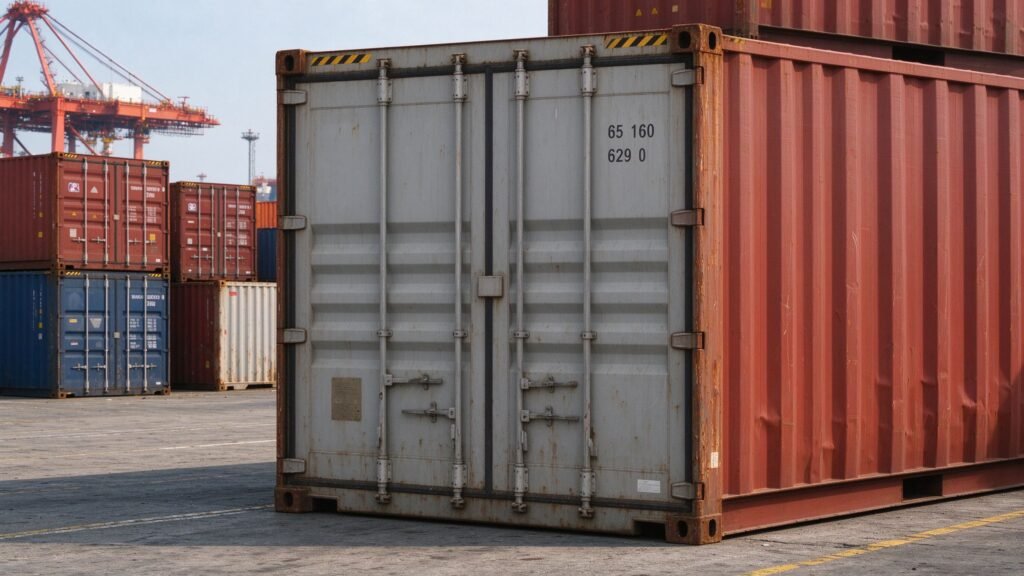

Sea freight comes in two flavors: LCL (less than container load) and FCL (full container load). Choosing the right one saves money and avoids delays.
What Is FCL?
FCL means your goods fill an entire container — 20ft or 40ft. You get exclusive use, faster transit, and simpler handling. Ideal for large, regular shipments.
What Is LCL?
LCL means your cargo shares a container with other shippers, and you pay for the space you use. Ideal for small first orders, samples, or low volumes.
Cost Comparison
- FCL — flat container rate; cheapest per cubic meter for big volumes
- LCL — per-cbm rate plus handling fees; can cost more per unit at high volumes
- Break-even — usually around 10–15 cbm, FCL becomes cheaper
Other Differences
FCL containers travel door-to-door without repacking; LCL cargo is consolidated and deconsolidated at ports, adding 2–5 days. LCL also carries a small risk of cargo mixing or damage.
How to Choose
Under ~10 cbm, ship LCL. Above that, quote both — then let cost and lead time decide. Get a freight quote comparison for your shipment size.