The Gap Between Quotation and Landing Cost
New importers often compare quotations and assume the lowest price wins. In reality, the unit price on a Chinese quotation is only a fraction of your final cost. Hidden costs — packaging, inspections, certification, banking, insurance, warehousing and customs — routinely add 15–40% on top of the quoted FOB price. Knowing where these costs hide lets you compare suppliers fairly and avoid budget shocks.
Where the Hidden Costs Hide
- Packaging: export-standard cartons, barcode labels, retail-ready packaging and moisture protection are often quoted separately or upgraded after samples
- Inspection and testing: third-party QC, lab tests and certificates (CE, FCC, RoHS) add fees per batch or per certificate
- Banking and payment: wire transfer fees, FX conversion spreads and intermediary bank charges on international T/T
- Logistics extras: container demurrage, port handling, customs broker fees, delivery to the port (trucking) and warehousing if the container waits
- Insurance: cargo insurance is optional but highly recommended — one damaged shipment can wipe out your margin
- Customs and duties: import duty, VAT/GST and regulatory fees at your destination country, plus broker charges
- Quality failure costs: rework, rejected goods, return shipping and lost sales from late or defective deliveries
How to Estimate Your Real Landed Cost
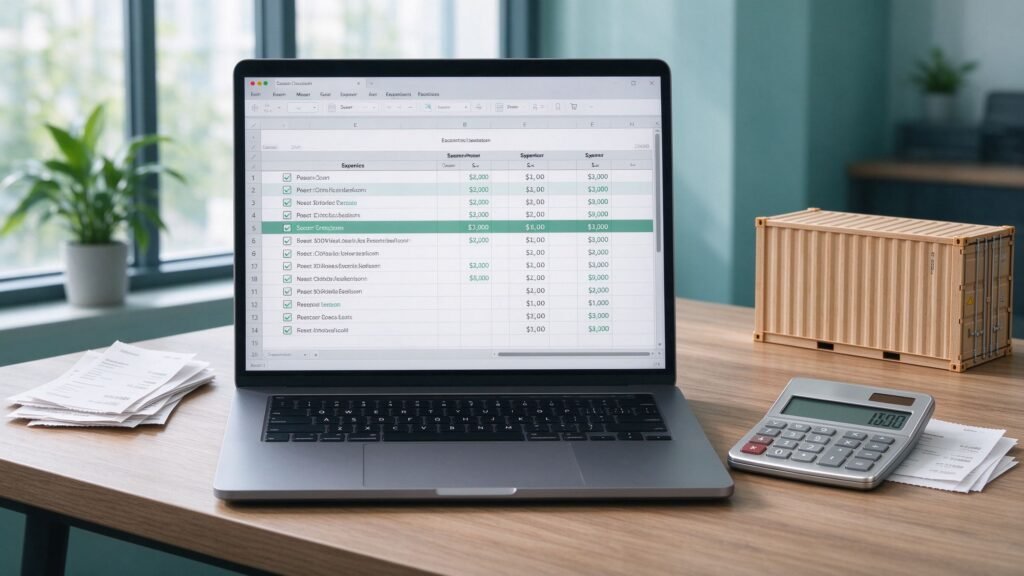
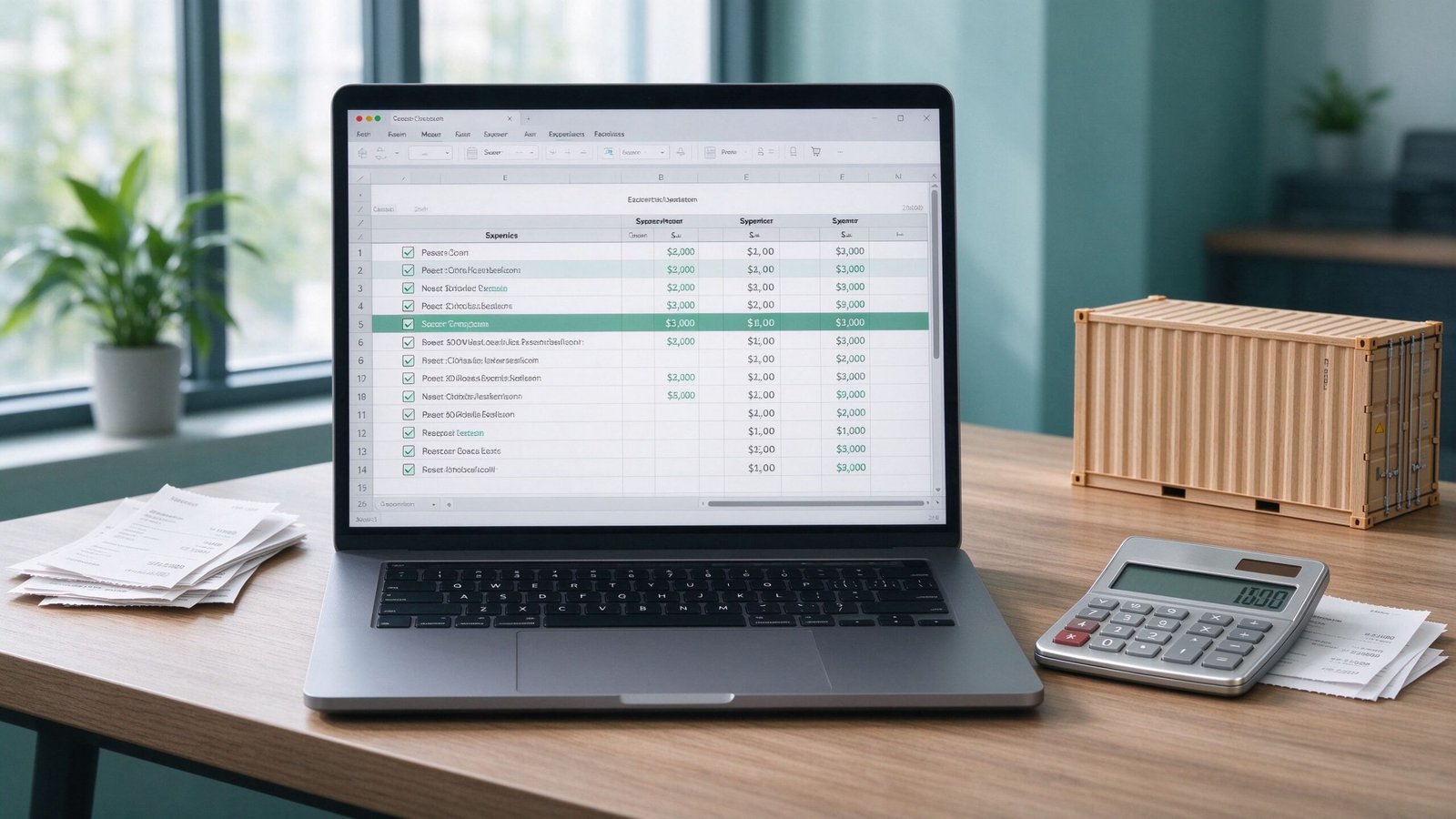
Build a simple landed-cost sheet before you commit to any supplier. Start with the quoted unit price, then add:
- Packaging premium (ask the supplier for exact export carton costs)
- Inspection fee (typically a fixed daily rate per inspector)
- Sea or air freight (get a forwarder quote before you negotiate)
- Import duty + VAT at your destination (check the HS code tariff)
- Customs broker and port fees (ask a local broker)
- A 3–5% buffer for FX movement and minor extras
Compare suppliers on landed cost, not unit price. A supplier that is 5% more expensive on paper can be 10% cheaper after freight, packaging and quality are included.
Questions to Ask Suppliers About Costs
- Is packaging included in the unit price? What are the exact export-carton specs?
- Are inspection, testing and certificates included, or billed separately?
- Does your price include delivery to the port (FOB loading point), or is trucking extra?
- What is the payment currency and who bears FX conversion costs?
Make Hidden Costs Visible in the Contract
Put every cost line in the proforma invoice and contract: unit price, packaging, inspection, certification, port delivery, payment currency and validity of the quote. A supplier who cannot itemize costs transparently is a red flag — transparency at quotation stage predicts transparency during production.
Want an accurate landed-cost analysis for your next order? Our China sourcing team prepares transparent cost breakdowns and full landed-cost estimates for buyers worldwide.