Ordering samples is one of the first real transactions with a Chinese supplier, and it is where many first-time importers get their first surprise — usually in the form of a sample fee they did not expect, or a courier charge larger than the sample itself. Sample fees are not arbitrary, though. They follow well-established industry patterns, and understanding them protects your budget and your negotiating position. Treat the sample stage as a paid negotiation: every term you agree now — fees, credits, timing — sets the tone for how the factory treats your much larger bulk order later.
Who Pays for the Sample and the Courier
The default rule on both sides of the negotiation is simple: the buyer pays for the sample and the buyer pays the international express fee. A sample costs the factory raw material, labor, and engineering time, and international courier (DHL, FedEx, UPS) to the US or Europe often runs $30 to $80 for a small parcel. Expect to cover both. Suppliers who truly want your business may split the difference, but demanding completely free samples from day one signals an unserious buyer.
When Suppliers Offer Free Samples
Free or discounted samples do exist, but they come with conditions. A factory will usually waive the sample fee when:
- The product is an existing off-the-shelf item with no customization required
- The factory wants to enter a market or account they consider strategic
- You have already placed a confirmed bulk order and the sample is a pre-production check
- You agree to cover the courier — even free-sample deals almost never include express shipping
Even in these cases, heavily customized samples, new molds, or branded packaging usually carry a fee, because making one-offs genuinely costs the factory money.
Sample Fees That Count Against Your Bulk Order
One of the most useful negotiating points is the sample credit agreement. Many suppliers will deduct your sample fee from the bulk order balance — sometimes 100 percent, sometimes 50 percent — once your mass production order reaches an agreed value. This makes the sample effectively free if the deal proceeds. Ask for this in writing before you pay the sample: “Sample fee USD 80, refunded against first order above 1,000 units.” It costs the supplier nothing and costs you nothing to ask.
Typical Sampling Lead Times
Realistic timelines matter for your launch calendar. Existing products usually ship within 3 to 5 days; modified or custom samples take 7 to 15 days; samples requiring a new mold or tooling can take 3 to 5 weeks. Add 3 to 6 days for international express on top. If a supplier promises a complex custom sample in 48 hours, treat it as a warning sign rather than a benefit.
The Sample Approval Process and Common Disputes
Disputes arise mostly in three places. First, color and finish: what looks right in a photo often differs under your market’s lighting. Always approve physical samples, not photos. Second, “sample vs. mass production drift”: the approved sample is hand-finished while bulk production is machine-made. Head this off by writing into your order confirmation that mass production must match the approved sample, and booking a pre-shipment inspection against it. Third, re-sampling costs: if you keep requesting changes, the factory will charge again. Give complete, written feedback in one round instead of piecemeal requests.
Budget planning also gets easier once you know the pattern. Expect most straightforward samples to cost between $20 and $100, custom tooled samples between $150 and $500, and express courier to be the line item that surprises first-time buyers.
Some suppliers quietly raise the sample price to test how serious you are; comparing quotes from two or three factories reveals immediately whether a sample fee is reasonable or punitive. Once a fair fee is agreed, pay it without haggling further — chasing a $20 discount on samples costs more in trust than it saves in cash.
Keeping Samples Comparable and Protected
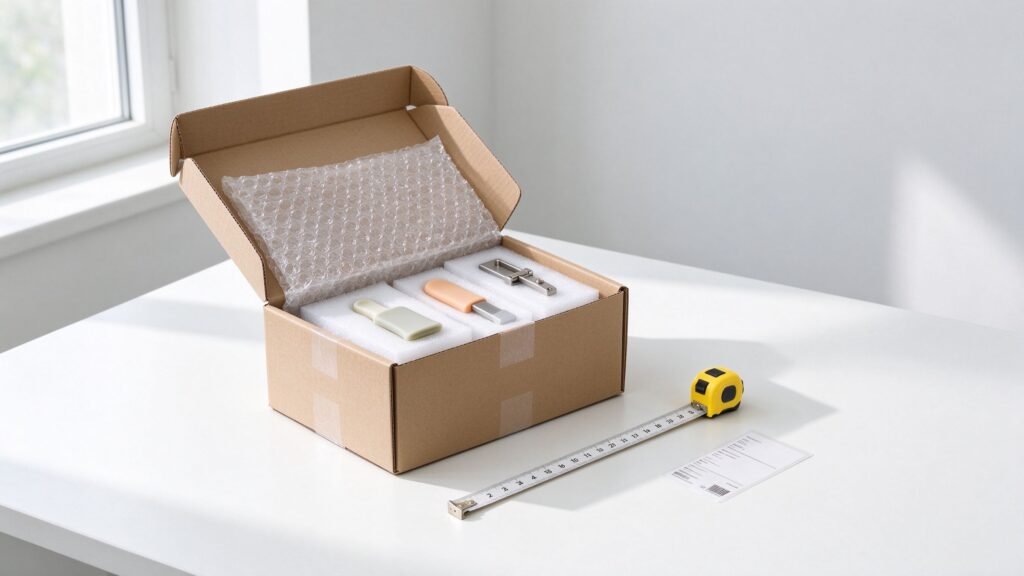
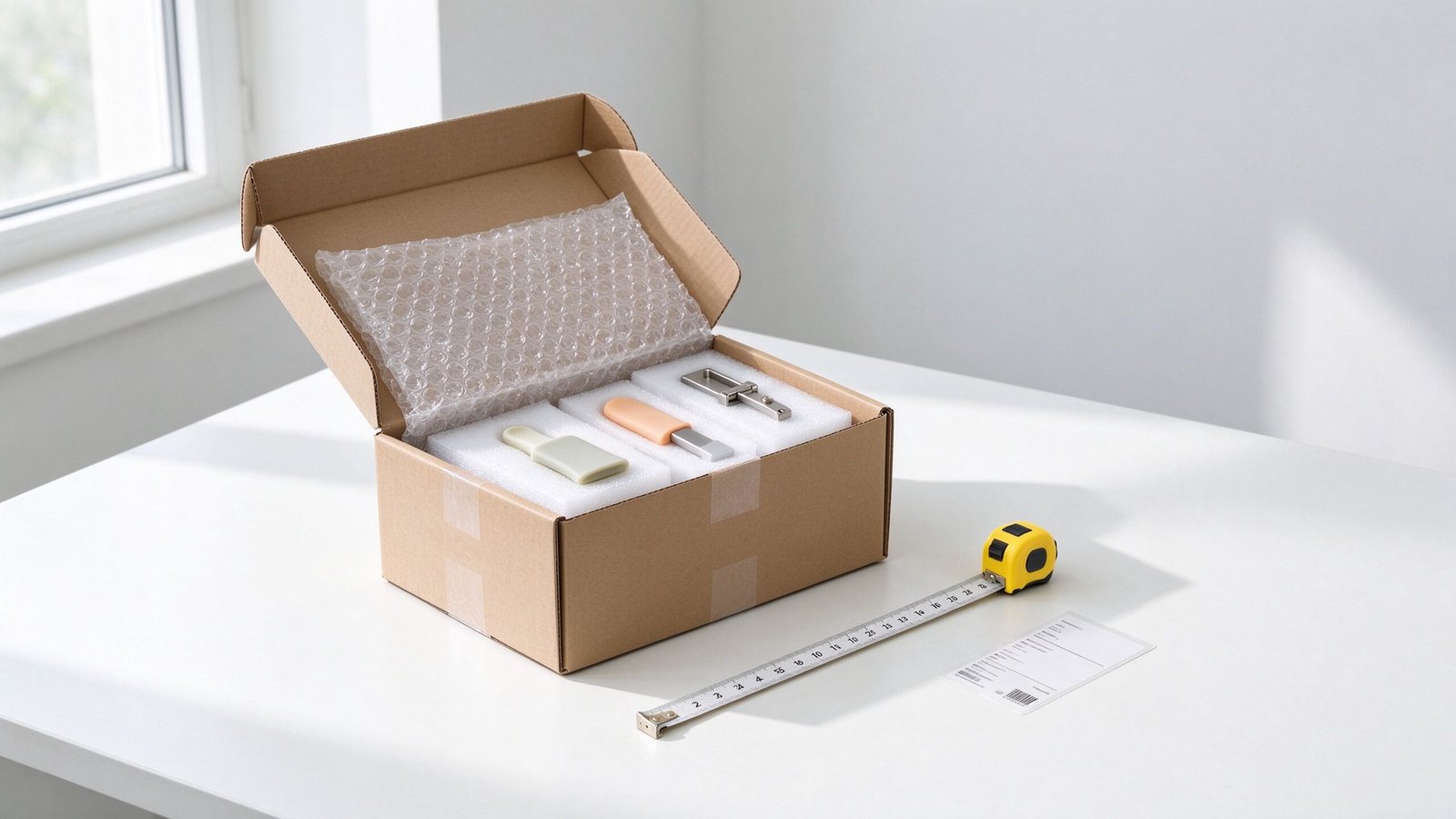
Once samples arrive, handle them like evidence. Label each sample with the supplier, date, and exact spec variant, and photograph it next to a ruler for scale. When you compare two suppliers, test them against the same use case — the same packaging, the same drop test, the same wash cycle if relevant. A sample that looks premium on first touch can fail after a week of real use. And when you finally approve one, keep that approved sample sealed and untouched: it is your physical benchmark when mass production arrives, and inspectors will compare the bulk order against it, not against your memory of it.
- Order two of each sample: one to test, one to keep sealed as the golden sample
- Note the sample’s batch details so you can ask for identical materials in bulk
- Reject rushed samples politely; a supplier who skimps on samples often skimps on production
Samples are your cheapest insurance against a container of mistakes. Let our team help you structure the sample stage and credit terms for your supplier negotiations.