A custom logo turns a generic product into your brand. The right decoration looks premium and survives years of use; the wrong choice cracks, fades, or peels after two washes. Chinese factories offer every decoration technology under one roof – but each process fits specific materials, quantities, and artwork. Here is how the main methods compare and how to get a flawless result.
Screen Printing (Serigraphy)
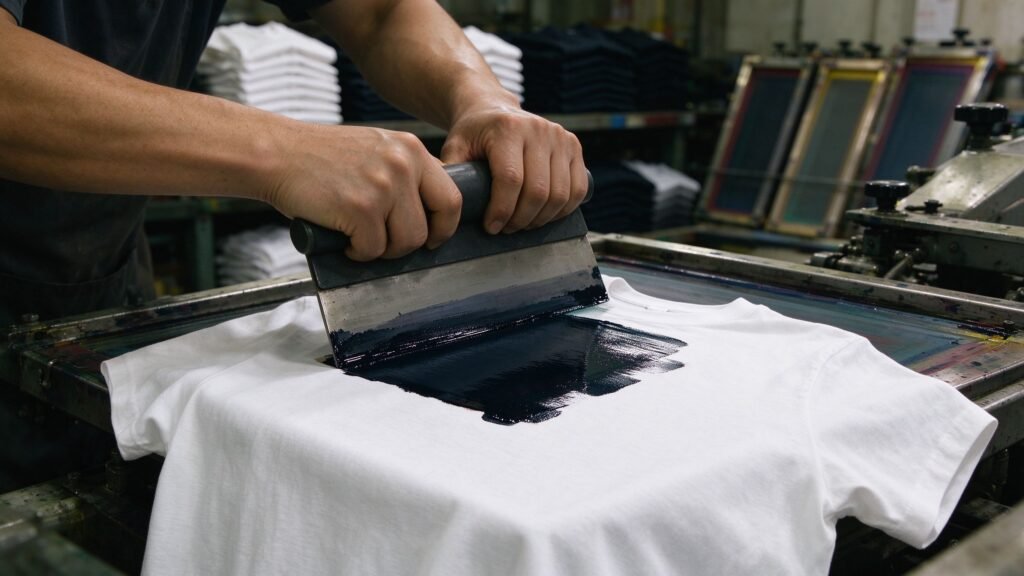
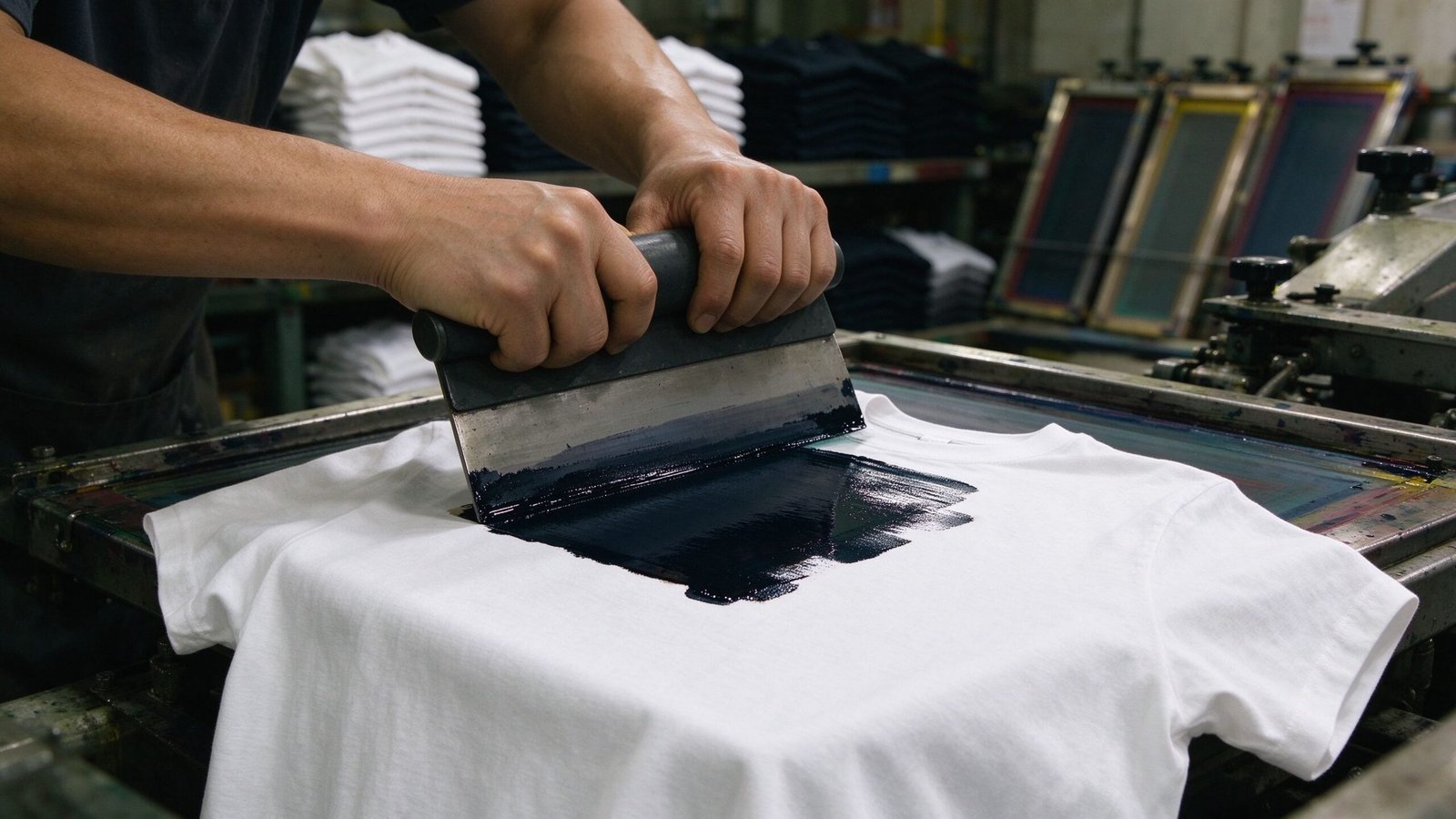
Screen printing is the workhorse of logo decoration. Ink is pushed through a fine mesh stencil onto the product surface. It is fast, durable, and cheap at volume – ideal for T-shirts, tote bags, packaging, paper goods, and flat hard surfaces like plastic boxes and metal tins.
- Best for: flat or slightly curved surfaces, cotton fabric, large bold graphics
- Cost: lowest at volume (setup roughly 30-80 USD per color, then cents per unit)
- Limits: one screen per color; detail below 1 mm and fine gradients are difficult
Pad Printing
Pad printing uses a silicone pad to transfer ink from an etched plate onto curved, recessed, or uneven surfaces – pens, phone cases, toys, keyboard keys, and small electronics.
- Best for: small, odd-shaped, three-dimensional hard surfaces
- Cost: moderate setup, well suited to 500-5,000 unit runs
- Limits: smaller print areas; color counts usually one to three
Heat Transfer and DTG
Heat-transfer labels and full-color DTG (direct-to-garment) printing suit detailed, multi-color artwork on apparel. Transfer films carry photographic graphics at low minimums; DTG prints directly onto fabric with a soft hand feel for short runs.
- Best for: photo-detail logos, small-batch apparel, complex gradients
- Limits: heat transfers can peel after repeated washing; DTG prefers light-colored cotton
Embroidery
Embroidery stitches the logo into fabric with thread. It is the premium choice for caps, polo shirts, workwear, and bags – looking expensive, durable, and tactile.
- Best for: caps, polo shirts, jackets, backpacks, towels
- Cost: moderate digitizing setup (40-100 USD), then cheap per unit
- Limits: fine text below 6 mm legibility suffers; embroidery feels bulky on thin fabrics
Laser Engraving and Hot Stamping
Laser engraving etches the logo directly into metal, wood, acrylic, or leather. It never wears off and suits premium pens, power banks, flasks, and notebook covers. Hot stamping presses foil – gold, silver, or colored – onto paper, leather, or fabric for an upscale metallic finish, common on gift boxes and notebooks.
- Laser engraving: zero consumables, unlimited detail, great for hard premium goods
- Hot stamping: luxurious metallic look, best on rigid smooth surfaces
- Both: low setup costs, moderate unit costs
Minimum Quantities and Durability Trade-offs
Each process has a practical minimum. Screen printing needs a screen frame per color, so it becomes uneconomical below roughly 100-200 pieces for a single-color design. Pad printing works from 300-500 pieces upward. Embroidery requires digitizing setup but then runs cheaply even at 50 caps. Laser engraving has no consumables minimum at all, which is why it suits small-batch premium gifts.
Durability ranks differently by method too. Embroidery and laser engraving outlive the product itself. Screen print on cotton survives 50-plus washes when cured properly. Heat transfers wear fastest – choose them only for short-run fashion items where color detail matters more than longevity.
Matching the Process to Your Material
- Cotton fabrics: screen print, DTG, heat transfer, embroidery
- Hard plastics: pad print, screen print, laser engraving
- Metal and wood: laser engraving, screen print, UV print
- Leather and PU: hot stamping, laser engraving, embroidery on thick leather
- Glass and ceramics: fired screen print, decal, UV print
Artwork Requirements: Get the File Right
Most logo reprints fail because of the artwork file, not the printer. Send your factory:
- Vector files only: AI, EPS, or PDF with outlines converted – never a JPEG or PNG for print
- Pantone color values (for example PMS 286 C) for exact color matching, especially on screen print
- Maximum print dimensions and placement, with a mockup or template marked in millimeters
- Single-color versions for pad print and embroidery, which are color-count sensitive
If you only have a raster file, ask your designer or factory to vectorize it before production – tracing a logo cleanly takes an experienced designer about one hour, and the small cost saves ruined samples later.
Sampling and Quality Standards
Always approve a physical pre-production sample before mass production. Check the logo position against your mockup, rub the print to test adhesion, wash fabric prints several times, and compare color under both daylight and indoor light. Keep the approved sample documented – your factory uses it as the quality benchmark for the whole run.
When one product combines several materials – for example a leather pouch with a printed zipper pull – confirm the decoration on every material at the sample stage, since each may need a different process and its own setup cost.
Choosing the right decoration process is part science, part product knowledge. Send us your product and logo file – we recommend the best print method and manage sampling for you.