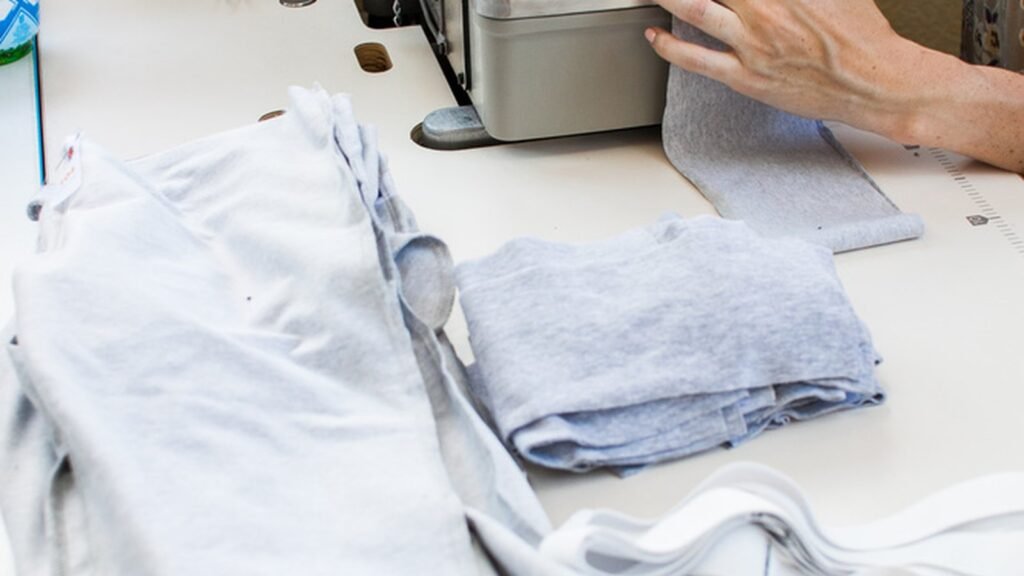

Apparel is both the easiest category to start and the easiest to get wrong. The fabric, the fit and the stitching are invisible until the customer tries the garment on — by which point returns are already expensive. Sourcing clothing from China profitably means controlling fabric specs, sizing, QC and lead time from the sample stage onward.
The sample workflow: tech pack to fit sample
Apparel cannot be ordered from a description — it needs a tech pack. That is your spec document: measurements at every point, fabric GSM and content, color references (Pantone), print/embroidery placement, labels and packaging. From the tech pack the factory makes a pattern and a sample. Approve the fit sample physically before bulk — a photo is not enough for sizing. Expect two or three sample rounds. This front-loaded effort is what saves you from a container of unwearable garments.
Deciding what to order first
Start simple: a solid-color tee or hoodie with one print is the lowest-risk first product, because fabric sourcing is easy and the construction is forgiving. Save plaids, color-blocking and complex prints for after you have a working supplier. Compare factories on three things: sample quality, communication speed on the tech pack, and minimum order quantities that fit your launch budget. Reorder the products that sell rather than expanding the catalog too fast.
Product types and construction
- Knitwear — T-shirts, hoodies, jerseys; cotton and cotton-poly blends; decorated with print or embroidery.
- Woven garments — shirts, pants, jackets; structured fabrics with more seams and detail work.
- Decoration — screen printing, sublimation, embroidery and patches, each adding cost and a QC step.
Fabric: material and weight
Specify fiber content and weight in grams per square meter (GSM). A basic tee might be 160–180 GSM; a premium heavyweight hoodie 350 GSM or more. GSM is where factories quietly downgrade — ordering 220 GSM and receiving 180. Lock the fabric to a physical swatch and re-check it on bulk. Cotton, polyester and blends each behave differently in dyeing and washing, so confirm the fabric matches your target market’s expectations.
Sizing for EU and US markets
Chinese sample sizes run small by default. Hand over a detailed size chart in your target market’s measurements (EU/US, in centimeters), and require fit samples before bulk. Sizing mismatches — not poor stitching — are the top cause of apparel returns. A graded size spec, approved fit sample, and in-line size checking during production prevent this.
QC: color, threads and pattern matching
- Color consistency — check shade across pieces and against the approved lab dip; batch-to-batch color difference is a common defect.
- Loose threads and seams — trim checks, stitch density and seam strength.
- Pattern matching and prints — align prints and plaids across panels, and verify print alignment and durability.
MOQ, sampling and lead time
Apparel runs on a sample-to-bulk flow: tech pack, pattern making, fit sample, then bulk. MOQs vary by factory and fabric, but expect the fabric dyeing and cutting minimums to drive the floor. Plan lead time as fabric sourcing and dyeing first, then production — fabric is usually the long pole, not sewing. Build in buffer for sampling rounds.
Negotiating MOQ and reordering
Apparel MOQs are usually driven by the fabric mill’s dyeing minimum, not the sewing floor. If your order is small, ask whether the factory can use ready-stock fabric colors to lower the MOQ — that is often the fastest way to test a design without a huge buy. Once a style sells, reordering is cheaper and faster than sampling from scratch, because the pattern and sizing are already approved. Plan to place an initial trial order, monitor sell-through, and reorder winners rather than chasing new styles every season.
Compliance notes
Adult garments need correct fiber-content and care labels in the destination language. Children’s clothing sold in the US additionally falls under CPSIA requirements (including drawstring and flammability rules) — budget for third-party testing where applicable.
Working with a sourcing agent on apparel
Because apparel hinges on fit and fabric feel, having someone on the ground approve the fit sample in person is worth more here than in most categories. A local agent can receive the sample, check the measurements against your size chart, and reject it before you fly in. They also run in-line checks during bulk production rather than only at the end, which catches color and stitching problems early. For a category where a single bad dye lot can spoil a whole order, on-the-ground eyes are one of the best investments you can make.
The bottom line
Apparel sourcing rewards discipline: lock fabric GSM and content to a swatch, approve a fit sample on EU/US sizing, QC color and stitching on bulk, and plan lead time around fabric. Done carefully, China remains the best place to build a private-label clothing line. Invest the time in the first tech pack and fit sample — everything after that gets easier and cheaper.