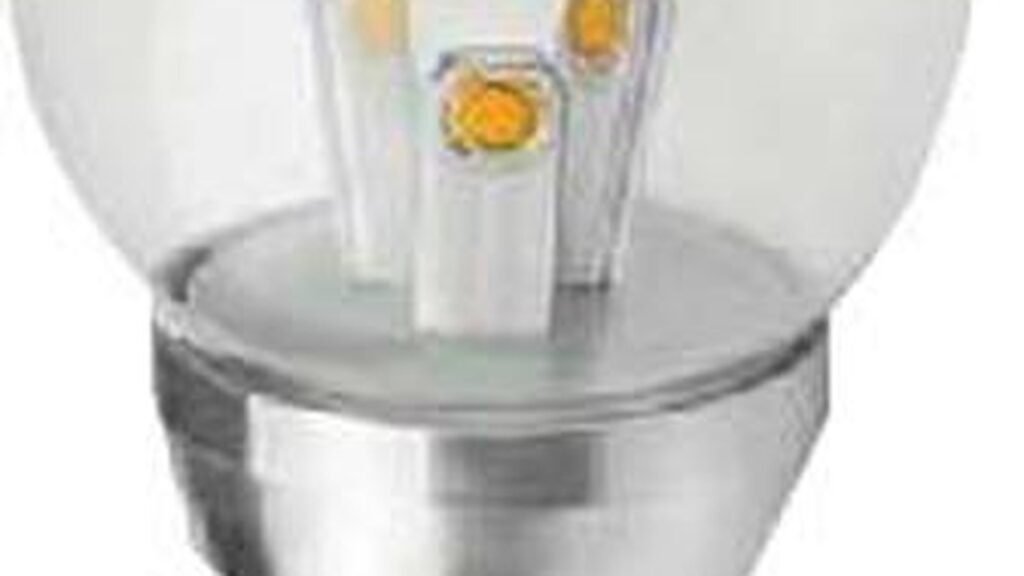

China produces a huge share of the world’s lighting — LED bulbs, downlights, pendant lamps, strip lights, and outdoor fixtures — and the range of quality is enormous. A $2 LED panel and a $20 certified downlight may look similar on an Alibaba listing. The difference is driver quality, binning consistency, thermal design, and certification status. For buyers, lighting is a category where skipping compliance testing leads directly to Amazon takedowns or EU market-surveillance seizures. This guide covers what to source, which certifications matter, the parameters to specify, and where the factories are.
Product Categories
- LED bulbs and tubes: A-type, BR, PAR, T8/T5 — high-volume, price-sensitive.
- Downlights and panel lights: commercial and residential, with driver and housing.
- Pendant and decorative lamps: lighting plus shade design, strong in Zhongshan.
- LED strip and neon flex: low-voltage, IP-rated, used in retail and hospitality.
- Outdoor lighting: flood lights, street lights, garden lights with IP65+ ratings.
- Smart lighting: Wi-Fi/BLE/Mesh controllers, dimming, color-changing — the fastest-growing segment.
Certifications by Destination
Lighting is one of the most certification-heavy consumer categories. Match the mark to your market:
- United States: UL or ETL safety listing is required for most retail and commercial channels; DLC (DesignLights Consortium) qualification unlocks utility rebates and is demanded by many B2B buyers.
- Europe: CE marking (LVD + EMC), RoHS for restricted substances, and REACH. For UK sales, UKCA.
- Australia and New Zealand: RCM mark.
- Wireless smart lighting: additionally FCC (US), CE-RED (EU), and Bluetooth or Zigbee qualification.
Ask for the actual certificate number and verify it on the issuing body’s database. A printed fake “CE” on a datasheet is worthless; market surveillance authorities check the certification body, not the label.
Parameters to Specify in the Order
Without written parameters, the factory picks the cheapest LED bin. Specify:
- Luminous flux (lumens) and wattage: e.g., 800 lm at 9 W, not “equivalent to 60 W” marketing language.
- Color temperature: 2700K warm, 3000K, 4000K neutral, 5000K–6500K daylight, plus color consistency (MacAdam ellipse / SDCM).
- Color rendering index (CRI): CRI 80 minimum for general use; CRI 90+ for retail, gallery, and hospitality.
- Beam angle, input voltage, power factor, and rated lifetime (L70).
- Ingress protection (IP) rating for outdoor and bathroom products.
QC and Testing
- Photometric test: lumen output and spectrum in an integrating sphere — request the test report per batch.
- Burn-in: powered aging for 8–24 hours; early driver failures show up here.
- Hi-pot and insulation test: electrical safety.
- Temperature rise test: surface and driver temperatures under full load.
- Switch-cycle test: on/off cycles for lifetime estimate.
The Guzhen Cluster and Smart Trend
Guzhen town in Zhongshan, Guangdong, calls itself the lighting capital of the world, with thousands of component suppliers, fixture factories, and showrooms within a few square kilometers. Ningbo and Shenzhen are secondary hubs for commercial and smart lighting. A buying trip to Guzhen lets you compare housings, drivers, and LED bins in person.
Smart lighting — app-controlled, voice-enabled, scene-based — is the category pulling margins up. If you enter it, plan for wireless certification and firmware reliability, not just the optical parameters. Treat certification as part of the product cost, not an optional add-on.
Evaluating a Lighting Factory: What to Audit
Beyond certifications, a lighting factory’s quality is visible in its driver selection and aging room. Ask whether the driver is isolated or non-isolated, whether it is a branded part (Mean Well, Philips Xitanium) or an unbranded clone, and inspect the aging chamber where finished units burn in for a day. A factory that skips burn-in will ship drivers that fail in the first month.
For outdoor products, demand an IP test report with water-jet and dust exposure; IP65 claims without test reports are common. For smart lighting, also ask for the firmware update process and whether the product works without the vendor’s cloud server — vendor lock-in on a $15 bulb means your customers cannot use it if the startup folds. Sample, test, and only then commit to volume.
For buyers entering smart lighting, also factor in wireless module testing. A Wi-Fi module that works in the factory showroom may fail your network conditions at home; request firmware logs and a battery of interoperability tests across routers. Thermal design is equally important: cheap drivers overheat and fail early, while a well-designed luminaire runs cool for years. Ask the factory for its LED brand (Cree, Osram, Samsung, or generic) and its driver warranty period. A two-year driver warranty is a reasonable baseline for commercial-grade lighting; a six-month warranty signals a consumer-grade product. For outdoor IP65 lights, also request salt-spray and UV aging reports if the product will sit in coastal or intense-sunlight climates. Treat each of these as a documented line item in the PO, not a verbal promise.
The lighting market rewards buyers who specify testable parameters; factories that hesitate to provide lumen reports or certification numbers are telling you everything you need to know.