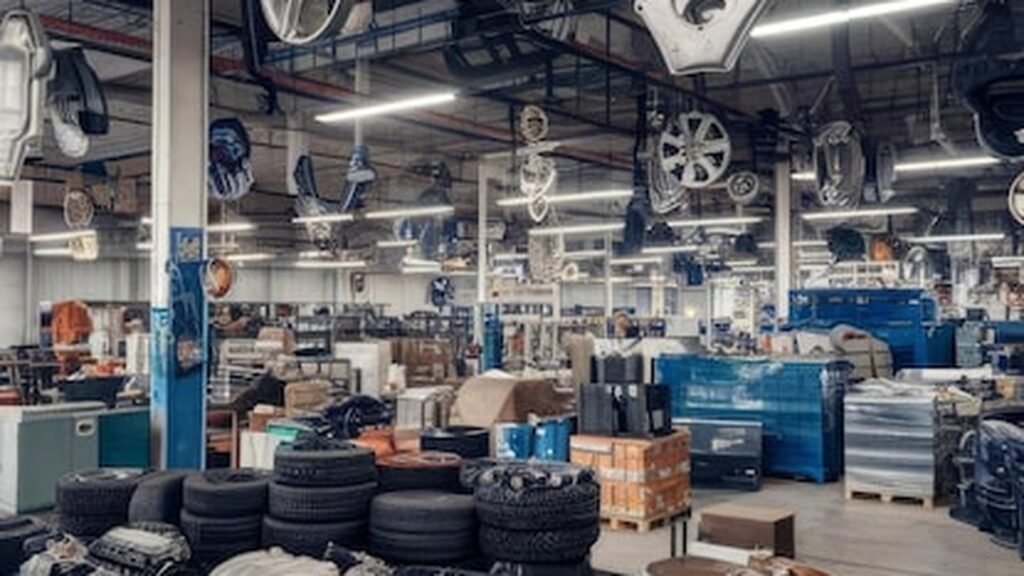

China is a giant in auto parts — everything from interior trim and filters to brake pads, lights and wheels. But automotive is a high-stakes category: a failed brake or light part is a safety and liability issue, and counterfeit parts are a real risk. This guide covers the product range, OEM vs aftermarket, the certifications that matter, and how to QC and protect against imitation.
Fitment and the wrong-part problem
The single biggest aftermarket headache is selling a part that does not actually fit. Auto parts are model-, year- and trim-specific, so a “fits Toyota” listing that misses one variant returns half your orders. Before listing, pin down the exact vehicle fitment, confirm it with the supplier, and build a clear compatibility table. For the buyer, demanding fitment data and cross-references up front prevents returns — and for the factory, accurate fitment documentation is a sign of a serious aftermarket supplier.
Starting small in auto parts
Because automotive liability is high, enter cautiously. Begin with cosmetic, non-safety parts — trim pieces, grilles, interior accessories — where a mismatch costs an ugly return, not a safety claim. Build supplier trust and quality control on lower-risk parts first, then move toward filters and other wear items, and only source safety-critical parts once you have the certifications, test reports and QC process in place. This staged approach protects both your customers and your brand.
The product range
- Interior and exterior trim — plastic and metal body parts, grilles, trim pieces.
- Wear and service parts — filters, brake pads, wipers.
- Lighting and wheels — lamps and alloy wheels.
Most aftermarket buyers source parts like filters, trim and lights — the easier, lower-liability entry points.
OEM vs aftermarket (AM)
OEM parts are built to the car-maker’s specification, often under a supplier contract. Aftermarket (AM) parts are made to fit the same vehicles but by other manufacturers, usually cheaper and sold through the replacement market. As an importer you almost always deal in AM parts — which means confirming fitment and quality yourself rather than relying on the car brand’s validation.
Materials and processes
Auto parts use injection molding (trim), stamping (metal brackets), and aluminum casting (wheels and housings), plus rubber and friction materials (brake pads). The process dictates the part’s strength and tolerances, so ask how the part is made and from what material.
Certifications: IATF 16949, ECE, DOT, SAE
Serious auto suppliers work to IATF 16949, the automotive quality-management standard. Lamps and safety parts sold in the EU need ECE approval; those for the US market need relevant DOT/SAE compliance. For safety-critical parts, the certification and the test report are non-negotiable — they are also your legal protection.
QC, anti-counterfeiting and traceability
- Dimensional and material checks — verify fitment dimensions and material reports on critical parts.
- Bench / performance testing where the part demands it (braking, light output, filter efficiency).
- Anti-counterfeit traceability — buy directly from known factories, demand batch records, and avoid no-name parts for safety-critical use.
Clusters and supplier selection
Auto parts cluster across Guangdong, Jiangsu and Zhejiang, each with its own specialties — trim and electronics in the south, mechanical and wear parts elsewhere. When choosing a supplier, look for evidence of IATF 16949 certification and existing aftermarket customers, not just a cheap quote. Ask whether the factory already exports to your market, because a supplier familiar with US or EU requirements will have the ECE/DOT paperwork sorted. Avoid factories that cannot produce fitment data or test reports on demand.
Packaging and aftermarket resale
Aftermarket buyers judge a part partly by its box. Automotive parts need packaging that protects machined surfaces during storage and shipping, and that shows brand credibility on a shelf. Corrosion protection on metal parts, anti-scratch film on trim, and clear labeling with the part number and fitment all reduce returns and complaints. Ask the factory whether it provides retail packaging — many established AM suppliers do, and it saves you a separate packaging step.
The bottom line
Auto parts sourcing is rewarding but demands rigor. Start with aftermarket service and trim parts, confirm fitment, and insist on IATF 16949 and the right ECE/DOT/SAE certifications for safety-critical pieces. QC dimension and material, and keep batch traceability — in auto parts, provenance is protection. Start small on trim, prove your supplier on fitment and quality, and scale up only when the paperwork and test reports are solid; that path keeps both your customers and your business out of trouble. Start with trim, nail the fitment data, and only move toward safety-critical parts once the certification trail is complete. In auto parts, a slower, verified ramp beats a fast order that later needs a recall. Treat fitment accuracy and certification documents as your two non-negotiables, and the rest follows. Start small, verify everything, then scale.