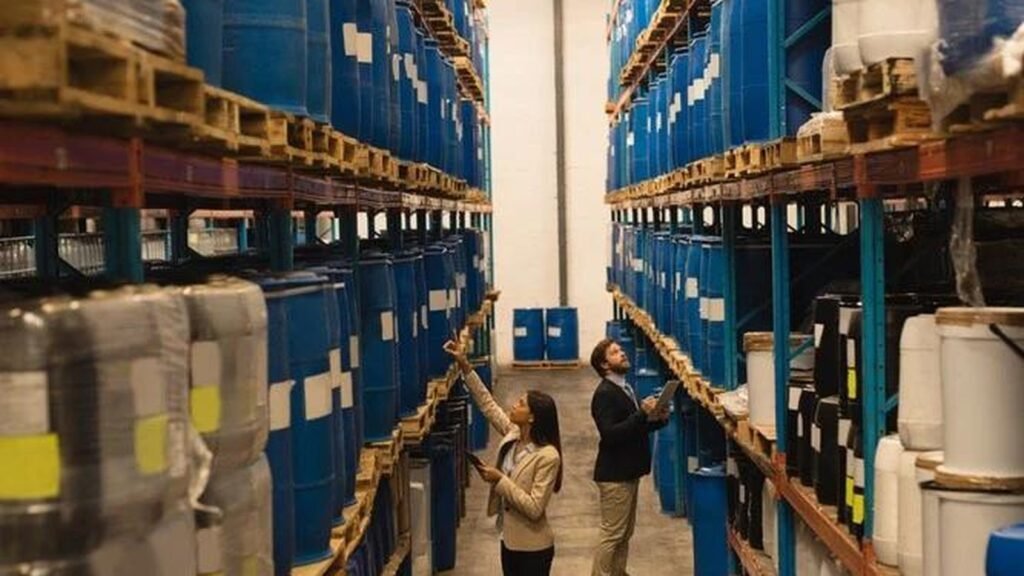

A factory visit is the single highest-return trip a China-based buyer can take. A website and a video call tell you what a supplier wants you to see; walking the production floor tells you whether the company can actually make your product, at your quality, at your volume. But a visit only pays off if you arrive prepared — otherwise you spend three hours being shown a tidy showroom and leave none the wiser.
This guide walks through how to plan a factory visit to China, what to verify on the floor, why an escort and translator are worth their cost, and how to turn the day into a clear sourcing decision.
Real factory vs trading company: what to look for
One of the most useful things a visit proves is whether you are in a real factory or a trading company’s showroom. A genuine factory has its own production floor, named equipment, raw-material storage and workers on payroll. Trading companies can be honest and useful, but they cannot give you direct process control, faster fixes or the factory price. On the visit, ask to see the machines that actually make your product and check whether the people on the floor match the scale of business being quoted. If every question routes through a sales office and the floor is a borrowed space, adjust your expectations and price accordingly.
Costs and practical tips
Budget for flights, a local escort/interpreter (usually charged by the day), transport between factories and hotel. Group visits by cluster — seeing five suppliers in the same industrial zone in two days is far cheaper and more productive than five separate trips. Wear closed shoes and expect to be offered meals; accepting hospitality is normal, but keep your objective checklist in mind. Take a power bank, note down machine names and serials, and photograph the floor with permission. A one-day visit should leave you with enough concrete evidence to compare suppliers objectively.
Before you go: booking, visas and goals
- Book the visit properly. Confirm the date, address and contact in writing, and send your passport details if the factory needs to issue an invitation letter for a visa application. Plan multiple factories per day in the same industrial cluster to make the trip efficient.
- Sort your visa. Most Western visitors need a China visa in advance (or visa-free entry where available). Apply early — processing takes time and varies by country.
- Set a goal list. Decide in advance what you are verifying: capacity, quality, financial health, whether they are a real factory or a trading company, or a specific defect you want to see live. Bring a printed checklist so the visit stays on track.
- Prepare samples and specs. Bring your product drawings, approved sample and the issues from previous orders, so the meeting is concrete.
What to check on the factory floor
A useful visit covers more than the showroom. Work through these areas:
- Business license and registration — confirm the legal name, scope and operating years match the company on your contract.
- Production lines — are machines running your type of product? Are they busy or idle? Is there real capacity for your volume?
- Workshop and workers — how many workers, which shifts, and do they look organized? Empty floors or only a handful of machines are red flags for a small “factory”.
- Warehouse and raw materials — check incoming material storage and finished-goods area; a factory that holds material and ships finished product is operating at scale.
- Environmental and fire safety — look for fire exits, extinguishers and basic compliance; factories with serious safety problems are also unstable suppliers.
The value of an escort and translator
Unless you speak fluent Mandarin, an experienced local escort changes the visit. They can ask the questions you cannot — probing which components are made in-house versus bought in, what the real lead time looks like, and whether the price on the sheet includes tooling. They also prevent the supplier from steering you to the showroom while hiding the real floor. A good escort often spots within ten minutes whether you are in a genuine factory or a trading office with a rented “showroom”.
After the visit: the report and the decision
Take dated photos and notes through the day, and within a day or two write up findings against your goal list: capacity, quality level, communication, and any red flags. Use the visit to negotiate — having seen the factory strengthens your position on price, tooling ownership and QC clauses. Most buyers visit 3–5 shortlisted factories, then compare them side by side before placing a trial order.
Negotiating on a factory visit
Once you have inspected the floor, use the visit to lock in terms. Ask directly about tooling, lead time for a trial order, and what happens if a weld or coating fails on arrival. Suppliers often quote more aggressively once they see a serious, knowledgeable buyer on the ground. Get the names of the sales contact and the production manager in writing, so future communication reaches the people who can actually fix problems. A factory you have walked through is far more likely to prioritize your order than one that only knows you by email.
The bottom line
A well-planned factory visit removes guesswork. Book ahead, bring a goal checklist, inspect the real floor rather than the showroom, use an escort to cut through language and staging, and write up findings within 48 hours. It is the most reliable way to confirm a supplier before you commit real money.