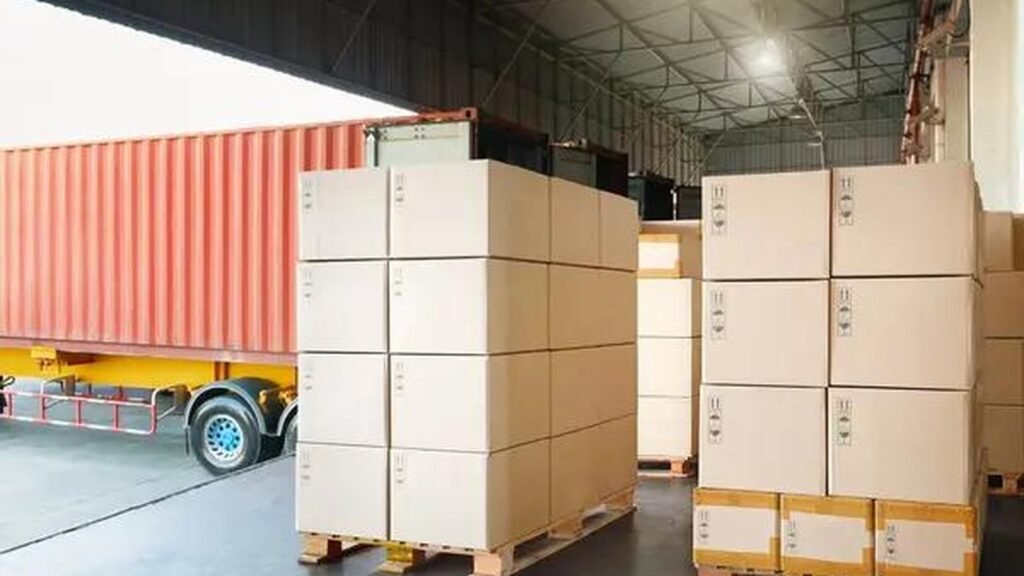

If you buy from five different factories in five different Chinese cities, shipping each factory’s goods separately is expensive and chaotic. A China-based shipping consolidator (freight forwarder) solves this: they collect your goods from every supplier, warehouse them, combine them into one container, and ship it as a single consolidated shipment. This guide explains how consolidation works, when it saves you money, and how to choose a reliable forwarder.
1. How Consolidation Actually Works
The standard process:
- You give each supplier the consolidator’s warehouse address (in Yiwu, Shenzhen, Guangzhou, or Ningbo).
- Factories ship your goods to the consolidator’s warehouse via domestic truck or rail.
- The consolidator receives, counts, and photographs your goods—you can even ask them to inspect or repack.
- When all your SKUs arrive, they load them into one container (or one LCL consolidation).
- They handle export customs, book ocean or air space, and ship to your destination.
Instead of paying for five half-full shipments, you pay for one efficiently loaded container—typically saving 30–50% on freight.
2. Who Should Use a Consolidator
Consolidation shines for:
- Buyers sourcing from multiple factories in different cities.
- Small-volume buyers who do not fill a full container themselves.
- DTC brands and Amazon sellers combining products from several suppliers into one shipment.
- Anyone who wants one bill, one tracking number, and one point of contact.
If you buy only from one factory and fill a full container, direct booking may be simpler—but even then, a forwarder usually beats the retail carrier rate.
3. Pricing Structure: Know the Two Segments
A consolidator quote usually has two parts:
- Domestic leg. Inland trucking from each factory to the warehouse, plus warehouse handling, storage (often free for 7–15 days), and loading. Budget USD 50–200 per supplier per shipment.
- International leg. Ocean FCL/LCL, air freight, or express. This is the main cost—ask for all-in rates including THC, documentation, and B/L fees.
Get quotes broken down line by line. A low headline rate with hidden destination charges is a common trap.
4. How to Choose a Reliable Forwarder
- Verify licenses. In China, look for NVOCC (non-vessel operating common carrier) status and freight forwarding registration.
- Ask for references from 2–3 clients shipping to your country.
- Check their warehouse photos and video call their facility.
- Compare all-in quotes, not just the ocean freight line.
- Confirm insurance—what happens if cargo is damaged in their warehouse?
5. Mixing Suppliers and Declaring Customs Correctly
When one container holds goods from multiple factories and multiple HS codes, customs accuracy matters:
- Provide a detailed packing list per supplier, with each product’s HS code and value.
- Do not let the consolidator under-declare total value—this exposes you at destination.
- If goods are fragile or temperature-sensitive, mark them clearly in the warehouse instructions.
- For bonded warehouse consolidation (common for high-value goods), ask whether the forwarder offers it.
6. Consolidator vs Booking Directly
| Consolidator | Direct booking | |
|---|---|---|
| Best for | Multi-supplier, small-volume, one-stop | Single factory, full container, experienced shipper |
| Cost | Lower per-unit via consolidation | Lower base rate, but more work for you |
| Service | Warehouse, inspection, repacking | Carrier only |
| Complexity | One point of contact | You handle everything |
For 90% of importers buying from several Chinese factories, a reputable consolidator is the fastest, cheapest, and least stressful option. Start with a trial LCL shipment before committing to a full container.
6. Cargo Insurance and Claims
When cargo passes through a consolidator’s warehouse and a transshipment, damage is more likely. Protect yourself:
- Buy cargo insurance (all-risk, warehouse-to-warehouse) for around 0.3–0.8% of cargo value.
- Insist on photo evidence when your goods arrive at the consolidator’s warehouse—this proves pre-shipment condition.
- Report any damage at destination within 3 days; delayed claims fail.
- For fragile or high-value goods, require the consolidator to load a dedicated container rather than mixing with other shippers’ cargo.
A good consolidator will photograph every carton on receipt. If they do not offer this, it is a red flag.
7. When Not to Use a Consolidator
Consolidation is not always best. If you ship hazardous goods (lithium batteries, liquids), oversized machinery, or temperature-sensitive products, a specialist carrier is safer. If you have only one supplier and a full container, direct booking saves the warehouse fee. And if your product requires temperature control or customs bonds, confirm the forwarder is licensed for it before committing. For most small and mid-sized cross-border sellers, though, a vetted consolidator is the single biggest operational upgrade you can make—it turns chaotic multi-supplier buying into one smooth shipment. Start with one LCL trial, review their warehouse photos and shipping documentation, and scale up once trust is established. The right consolidator becomes a long-term partner, not just a freight vendor, and can save you thousands over a year of shipments.