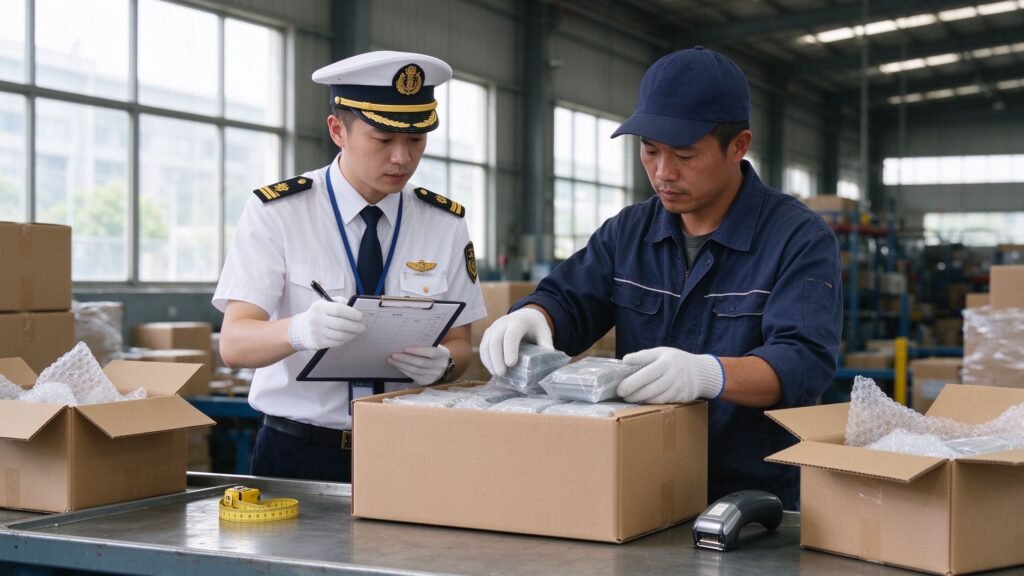
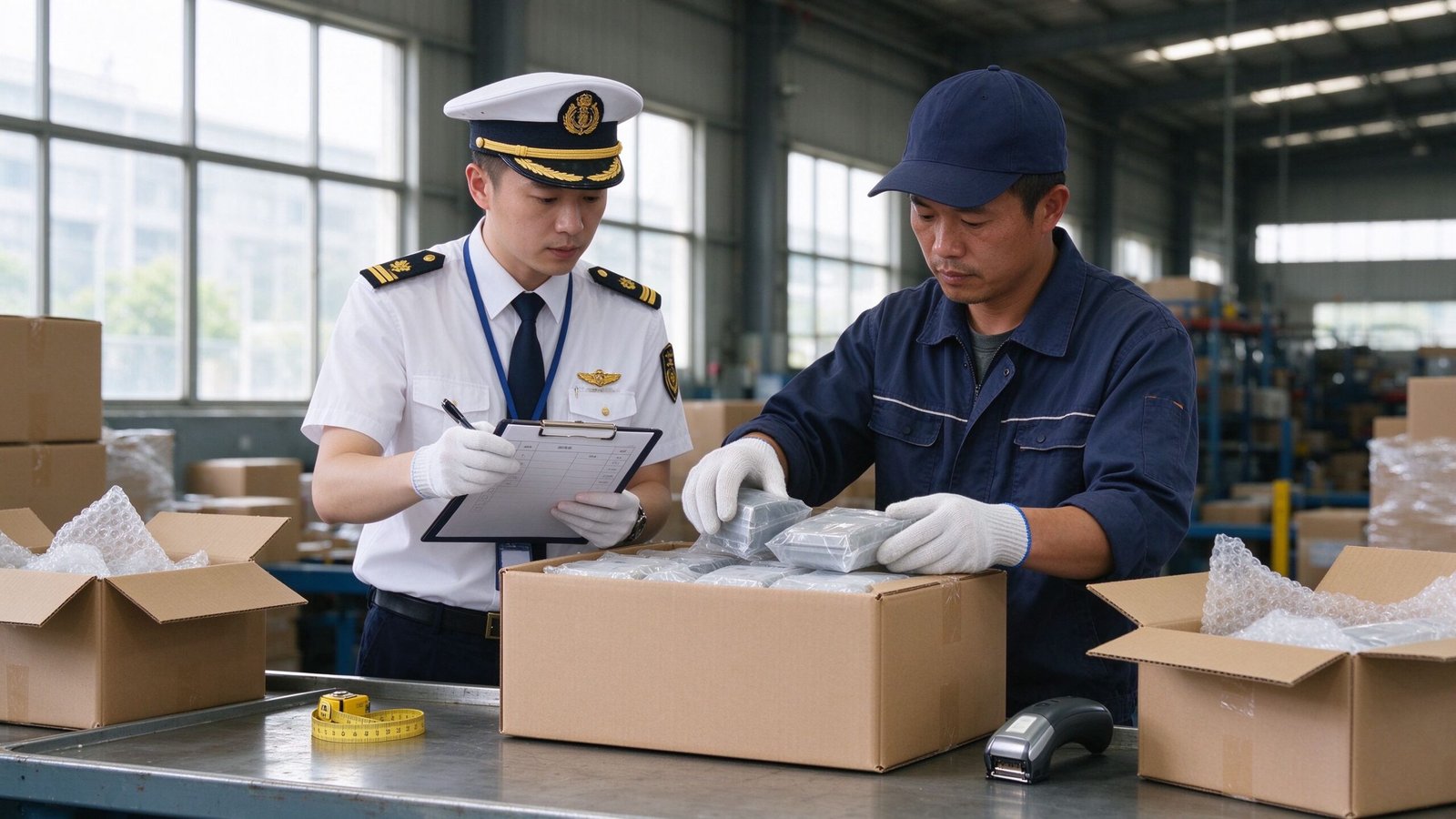
When a container or courier parcel from China finally reaches your warehouse, the work is not over — it is really only half done. A great price and a smooth negotiation mean nothing if the cartons arrive crushed, the colors are wrong, or 300 units are missing from a 1,000-unit order. A disciplined goods-receipt, inspection and claims process protects your margin, your customers and your relationship with the supplier.
What Happens When Your China Order Arrives
Receiving is the moment of truth between your purchase order and the products you will sell. Buyers who skip or rush this stage usually discover defects weeks later, long after the freight forwarder has released the carrier and the supplier considers the case closed. A structured intake routine turns a stressful moment into a short checklist you can repeat for every order.
Step 1 — Unboxing and Quantity Verification
Before anyone signs for the shipment, treat the outer condition as evidence. Note any dents, wet stains, punctures or mismatched carton marks on a receiving report and photograph them next to the shipping label.
- Count outer cartons against the packing list and the bill of lading.
- Open a sample of cartons and confirm the inner quantity per carton matches the packing list.
- Check that the SKU, color, size and model printed on the carton match your PO.
- Weigh a few cartons if a scale is available — a light carton is often a short-shipped one.
Step 2 — Visual and Functional Spot Inspection
You do not need to open every unit, but you should not trust the sealed cartons either. Use an AQL-style spot check that fits your product risk level.
- Appearance check: scratches, dents, discoloration, loose labels, damaged packaging, wrong accessories.
- Functional check: turn on electronics, test buttons, try zippers, assemble furniture, charge batteries.
- Comparison check: compare the received goods against the approved pre-production sample or photo you kept.
- Sampling rule of thumb: for a first order from a new supplier, open 10–20% of cartons; for a proven reorder, 3–5% is usually enough.
If you already use a third-party pre-shipment inspection (PSI) in China, the receiving check is a backup, not a replacement — transport damage happens after the inspector leaves the factory.
Step 3 — Documenting Damage and Discrepancies
The supplier and the insurance company will both ask for proof, so document everything the same day. Vague complaints like “some boxes were bad” are easy to dismiss; timestamped photos and measurements are not.
- Shoot wide photos showing the whole pallet and the shipping label, then close-ups of each defect.
- Film a short unboxing video, especially for fragile or high-value cargo.
- Record quantities: how many units are defective, how many are missing, how many are perfect.
- Keep the outer cartons, dunnage and pallets until the claim is settled — throwing them away destroys evidence.
- Send the supplier a written email within 48 hours, even if you also call them.
Step 4 — Filing a Claim with Your Supplier
Most Chinese suppliers want repeat business and will negotiate a fair resolution, but they respond best to a calm, evidence-based message. Open the conversation with the facts, then propose one of four standard outcomes.
- Replacement production: the supplier remakes the defective units and ships them in your next order or by air at their cost.
- Refund: a partial or full refund to your payment account, ideal for defects too expensive to remanufacture.
- Discount on the next order: a credit toward the next PO, common for minor cosmetic issues customers will not notice.
- Local repair or disposal credit: for products you can fix locally, ask the supplier to cover the repair cost instead of shipping new units.
Always keep the agreed resolution in writing (email or revised PI). Verbal promises made on WeChat are useful, but the purchase order amendment is what protects you if the account manager changes jobs.
Step 5 — Working with Freight and Cargo Insurance
Not every problem is the supplier’s fault. Crush damage, water stains and lost pallets usually belong to the carrier or the cargo insurance underwriter, and the deadline to file is short — often three days for visible damage and ten days for concealed damage.
- If damage is visible on arrival, note it on the carrier’s delivery receipt before signing, or sign with exceptions (“3 cartons damaged”).
- File the carrier claim within the free time allowed by your forwarder; the forwarder handles the carrier, and you handle the insurer.
- Cargo insurance covers total loss, major water damage and some breakage, but it rarely covers “supplier sent the wrong color” — that is a supplier claim, not a logistics claim.
- Keep the commercial invoice, packing list, bill of lading, inspection photos and repair quotes in one folder per shipment.
How to Prevent Receiving Problems Before They Happen
The cheapest claim is the one you never have to file. Most serious receiving issues are fixed before the goods leave China.
- Approve a golden sample and keep it sealed in your office for comparison.
- Book a pre-shipment inspection (PSI) before the container is loaded.
- Define packaging standards in the PI: carton strength, inner boxes, drop-test expectations.
- Choose Incoterms that match your risk tolerance — FOB pushes ocean-risk decisions to you, DDP puts more control on the supplier.
Want to avoid the receiving-claim headache in the first place? Read our guide on pre-shipment vs in-process inspection to learn when to inspect, and how a good inspection partner removes most surprises before the cartons ever leave the factory.