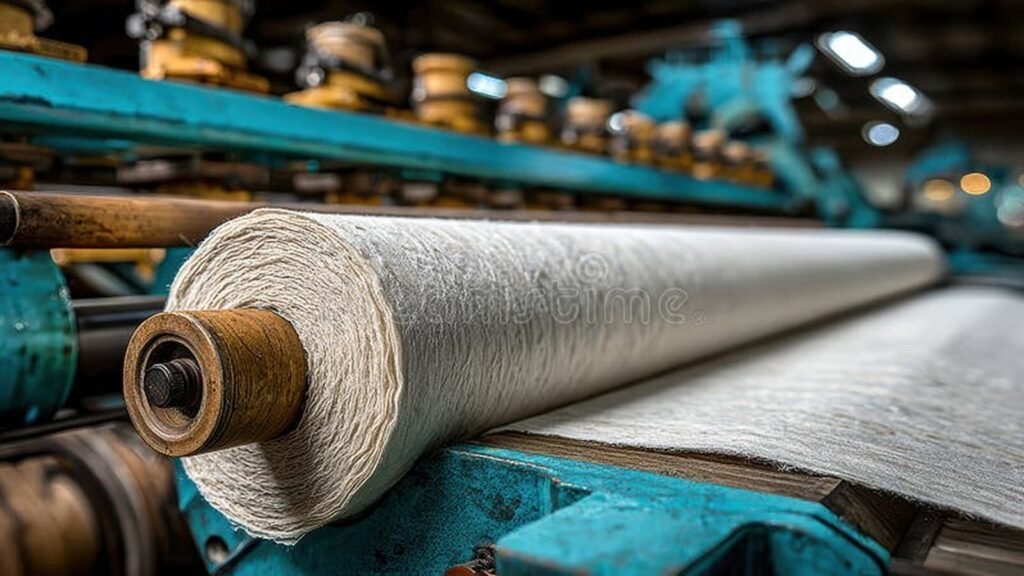

China is the world’s home-textiles workshop—bed linen, curtains, towels, carpets, and cushion covers. The country’s clusters in Shaoxing and Nantong can run your design from yarn to finished duvet cover in weeks, at prices 50–70% below European manufacturing. But textiles have hidden quality traps: shrinkage, color fading, pilling, and formaldehyde. This guide covers materials, QC, and compliance.
1. Categories and Common Fabrics
- Bedding (duvet sets, sheets). Cotton, cotton-poly blends, microfiber, Tencel.
- Curtains. Polyester (most common), linen-look, blackout coatings.
- Towels. Cotton terry; GSM (grams per square meter) determines absorbency.
- Cushions and throws. Printed or embroidered fabrics.
- Carpets and rugs. Woven, tufted, or printed.
Fabric terms to know:
- Thread count. For cotton sheets, higher is softer but also pricier; 200–400 TC is the sweet spot for retail.
- GSM. Weight per square meter—higher GSM means thicker and more durable.
- Brushed / flannel. A raised finish that feels warm; common for winter bedding.
- Tencel / lyocell. Premium breathable fabric with a silk-like hand.
2. Weaving and Finishing Processes
- Printing. Cheap and colorful; can fade over time.
- Jacquard weaving. Patterns woven in; more durable and premium.
- Embroidery. Adds texture and perceived value.
- Yarn-dyed (色织). Fabric is dyed before weaving; colors stay true longer than printed.
3. QC: The Defects That Actually Happen
- Shrinkage. After 3 washes, cotton sheets should shrink under 5–6%. Specify pre-shrunk fabric.
- Color fastness. Rub the fabric 20 times with a wet white cloth; no dye should transfer.
- Pilling. Run a pilling test; cheap microfiber pills badly.
- Fabric weight. Verify GSM on a scale—factories sometimes downgrade to a lighter fabric.
- Sewing and hems. Even stitching, straight hems, loose threads trimmed.
4. Compliance: Formaldehyde and Flammability
- OEKO-TEX Standard 100. The most recognized textile safety certificate; limits formaldehyde, dyes, and heavy metals. Require it for bedding and towels sold in the EU/US.
- Formaldehyde. Cheap dyes and finishes can leave high formaldehyde levels; a lab test is the only way to verify.
- Flammability. Children’s sleepwear and bedding must meet flammability standards (16 CFR 1632/1633 in the US).
5. Manufacturing Clusters
- Shaoxing Keqiao (Zhejiang). China’s largest fabric market; thousands of mills and printing houses. Best for fabric sourcing and custom printing.
- Nantong (Jiangsu). Home to China’s bed-linen manufacturing; strong for finished duvet sets and towels.
- Gaoyang (Hebei). Budget towels.
- Yiwu. Cushions, small textile accessories.
For private-label home textiles, start with existing catalog fabrics rather than custom weaving—it cuts MOQ from 1,000+ meters to 300–500 pieces and shortens lead time.
6. Pricing and the Fabric Spec Trap
Home-textile pricing is dominated by the fabric spec. The same duvet cover design can cost USD 6 in 100% polyester microfiber at 90 GSM, USD 12 in 100% cotton at 200 TC, and USD 25 in long-staple cotton sateen. The visual difference in product photos is small, but the hand feel and durability are night and day. Always request physical fabric swatches before approving a bulk order, and confirm the spec (fiber content, GSM, thread count) on the PO. A common trick is quoting cotton but shipping a cotton-poly blend—only swatches and lab fiber-content testing prevent this.
Also budget for the finishing steps that make home textiles retail-ready: pre-washing, stone washing, enzyme wash, or softener treatment. These add cost but are what separates a cheap market product from a branded retail one.
7. Lead Time and Reorder Rhythm
Custom-printed home textiles typically take 30–45 days from artwork approval to finished goods; plain stock fabrics are faster (15–25 days). For seasonal bedding (winter flannel, summer cotton), plan backwards from your sell date as you would for any seasonal product. The biggest risk is fabric dye lot variation—a reorder printed six months later can be a slightly different shade. To lock consistency, order 20–30% extra fabric in the same dye lot with every bulk order and hold it in your warehouse for future reprints. For a practical start, choose a proven fabric (200–300 TC cotton or brushed microfiber), a print that photographs well, and keep SKU count low; upgrade to premium materials once you have repeat customers. Home textiles are a visual category—your product photos and styling matter more than the fabric spec at launch, so invest in photography and swatch samples that match what you actually ship. A mismatch between listing photo and delivered product is the top cause of textile returns. Also require pre-washed fabric for bedding, since unwashed cotton can shrink dramatically after the customer’s first laundry cycle. Treat OEKO-TEX certification as a baseline requirement, not a differentiator, for any home textile sold in Western markets.