Why Verification Matters More Than a Badge
On Chinese B2B platforms, a ‘verified’ badge does not guarantee quality, legitimacy, or reliability. Some badges simply mean the company paid an annual fee or submitted basic documents. Real verification means you personally confirm that the business exists, operates a real factory, produces what it claims, and has a track record of honouring deals. This guide gives you a three-level verification system you can run before sending any money.
Level 1: Verify the Company on Paper
Start with the legal identity of the business.
- Ask for the business licence (营业执照) and its unified social credit code, a unique 18-character registration number.
- Cross-check the registration number on China’s official State Administration for Market Regulation database, which is publicly searchable.
- Confirm the legal representative, registered address, and business scope. A company licensed only for domestic sales cannot legally export.
- Check the years in business. Five or more years of operation is a reasonable baseline for most categories.
- Ask whether the company holds an export licence and a customs registration code (customs code).
Level 2: Confirm There Is a Real Factory
A trading company can look impressive on paper. You need evidence that real production exists.
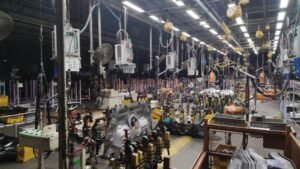
- Request photos and short videos of the production line, machinery, workers, and warehouse, taken recently.
- Ask for the equipment list with model numbers and capacity, then spot-check a few.
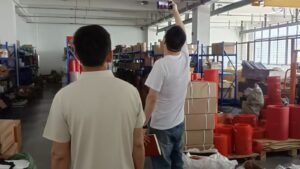
- Run a video call that walks through the factory floor, and ask to see the production manager and the machinery in operation.
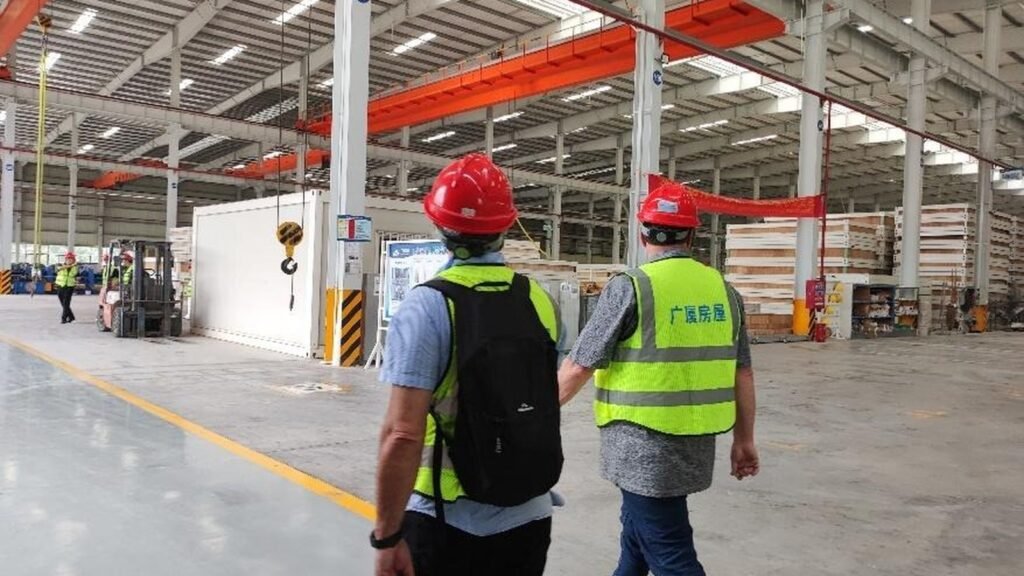
- If the order is large, consider a third-party audit or an in-person visit by you or your sourcing agent.
- Check the factory’s address against mapping tools. A mismatch between the registered address and the claimed factory location is a red flag.
Level 3: Check Reputation and History
Past behaviour is the best predictor of future performance.
- Ask for two or three client references and actually contact them. Ask about delivery, quality, and how disputes were handled.
- Look at export records if available. Factories that export regularly are familiar with international documentation and standards.
- Search the company name and owner for complaints, scams, or news.
- On marketplaces, read the feedback and pay attention to patterns, such as repeated complaints about a specific defect.
What to Verify on a Video Call
Use your video call as a structured audit rather than a casual chat.
- Ask them to show the factory entrance and signage with the company name.
- Ask them to walk to the exact production line that will make your product.
- Request a live demonstration of the machine or process for your specific item.
- Ask to see your raw materials, packaging area, and warehouse stock.
- Ask the production manager to confirm capacity and lead time in front of the camera.
Red Flags That Should Stop You Immediately
- Refusal to share the business licence or registration number.
- Only a PO Box or a shared office address, with no factory.
- Company registered for less than two years with no export history.
- Vague answers about production capacity or equipment.
- Pressure to pay a large deposit before you complete any verification.
- Unwillingness to accept a third-party inspection.
Putting the System to Work
Run the three levels in order: paper, factory, reputation. Most fraud is caught at level one or two, because scammers rarely invest in real factories. For genuine suppliers, verification is quick and painless, and a legitimate factory will welcome your questions. The few hours you spend verifying a supplier are among the best investments in your import business.
A Simple Pre-Payment Verification Checklist
Run this quick list before you wire any money. Every box should be checked.
- Business licence collected and registration cross-checked on the official database.
- Export licence and customs registration confirmed where required.
- Factory address verified on maps and matched to the registration.
- Live video walkthrough completed, showing production and machinery.
- Client references contacted with positive feedback.
- Payment terms agreed with the balance tied to inspection.
This routine takes an hour or two and dramatically cuts the risk of fraud and quality failure.
What a Good Verification Call Should Cover
Structure your video call so it produces real evidence, not just reassurance.
- Ask to see the factory entrance and company signage first.
- Request a walk to the specific production line that will make your product.
- Ask for a live demonstration of the relevant machine or process.
- Ask to see raw materials, the packaging area, and current stock.
- Have the production manager confirm capacity and lead time on camera.
A factory that can show all of this is very likely genuine. One that keeps redirecting to the sales office is not.
Need a Vetted Supplier Fast?
If you do not have the time or the local network to verify suppliers yourself, a professional sourcing partner can do it for you. We pre-screen factories, run audits, and manage inspection so you only work with suppliers who have passed real checks. Contact us today to start a verified sourcing project in China.