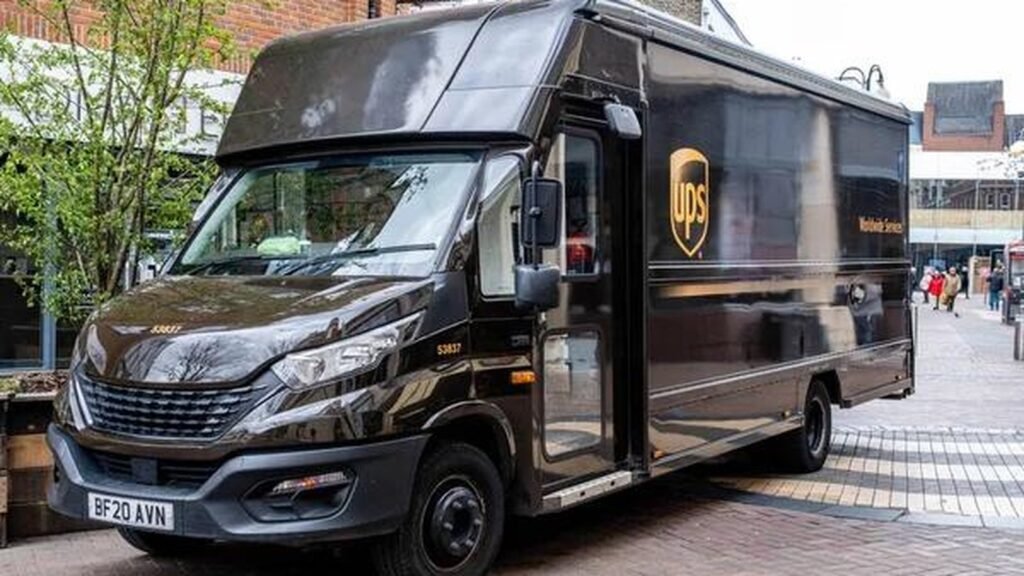

When you need samples, urgent replacements, or small high-value orders delivered to the US or EU in 2–5 days, international express is the only realistic option. But shipping directly through DHL, UPS, or FedEx retail rates from China can eat 20–40% of your product margin. This guide compares the three majors, explains how dimensional weight works, shows when express beats air or sea freight, and tells you how to access discounted rates through Chinese forwarders.
1. DHL vs UPS vs FedEx: Head-to-Head
| Carrier | Strengths | Typical transit (China→US/EU) |
|---|---|---|
| DHL Express | Strongest in Europe and Asia; dense China network; best customs brokerage for EU | 2–4 business days |
| UPS | Strongest US domestic last-mile; reliable for heavy packages | 2–5 business days |
| FedEx | Good balance of US and EU; competitive on mid-size parcels | 2–5 business days |
For most China exporters, DHL is the default to Europe, UPS the default to the US, and FedEx a close alternative. All three offer door-to-door tracking and handle customs clearance as part of the service.
2. Actual Chargeable Weight: Why Empty Boxes Cost Money
Express carriers charge the greater of actual weight and volumetric (dimensional) weight. The formula used by DHL/UPS/FedEx for international shipments is:
- Volumetric weight (kg) = (Length × Width × Height in cm) / 5000
Example: a carton measuring 40 × 40 × 40 cm weighs only 5 kg, but its volumetric weight is 12.8 kg—you pay for 12.8 kg. This is why packing tightly matters: a 20 cm smaller dimension can cut your billable weight by 40%. Always ask the factory to pack samples as compactly as possible, and remove empty filler before dispatch.
3. When to Use Express vs Air Freight vs Sea Freight
- Express (0–100 kg, urgent). Samples, replacements, small high-value orders. Cost: USD 5–10/kg door-to-door.
- Air freight (100–500 kg, non-urgent). Consolidated air cargo, 5–10 days. Cost: USD 3–6/kg. You handle airport pickup and brokerage.
- Sea freight (>500 kg, bulk). LCL or FCL, 25–40 days. Cost: USD 50–150 per CBM. Best for full container orders.
If your shipment is under 20 kg and the customer is waiting, express is almost always the right—and often the only—choice.
4. The Shipping Process from China
Sending a parcel via Chinese export express involves four steps:
- Pickup. The carrier (or your forwarder) collects from the factory or warehouse. Chinese factories often have daily pickup accounts.
- Commercial invoice. You provide an invoice with sender, receiver, description, HS code, declared value, and currency. Under-declaring value risks customs detention.
- Export customs. The carrier handles Chinese export declaration.
- Import customs & delivery. At destination, the carrier clears customs and delivers. For low-value parcels under the US de minimis threshold (currently USD 800 for most countries, though rules have tightened in 2025–2026), no duty may apply; otherwise the recipient pays duty or it is billed to a DDP account.
For documents, always use the carrier’s commercial invoice template; handwritten or inconsistent invoices cause customs holds. Keep a copy for your records in case of a duty dispute.
5. How to Cut Express Costs by 30–50%
Retail counter rates are expensive. Real savings come from:
- Use a Chinese freight forwarder, not the carrier directly. Forwarders buy express capacity in bulk and resell it at 50–70% of retail. A 5 kg sample that costs USD 90 at the DHL counter often moves for USD 40–55 via a forwarder.
- Optimize package dimensions. The /5000 divisor rewards compact cartons. Design sample kits to nest tightly.
- Negotiate a monthly account. Once you ship more than 20 parcels a month, ask the carrier or forwarder for a volume rate card.
- Compare surcharges. Fuel surcharge, remote-area fee, and residential delivery fee can add 20–30%. Ask for a fully landed quote, not just the base rate.