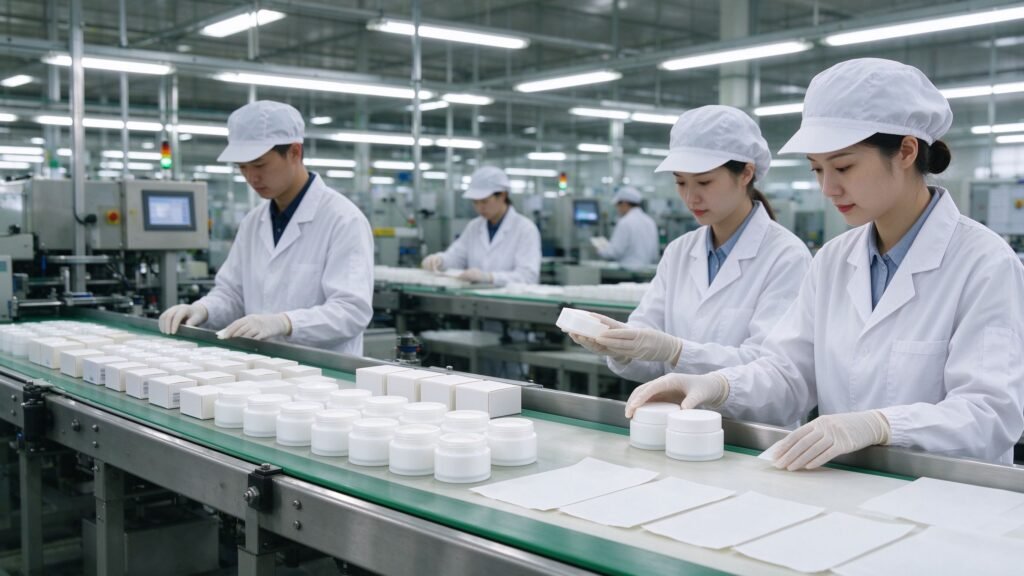
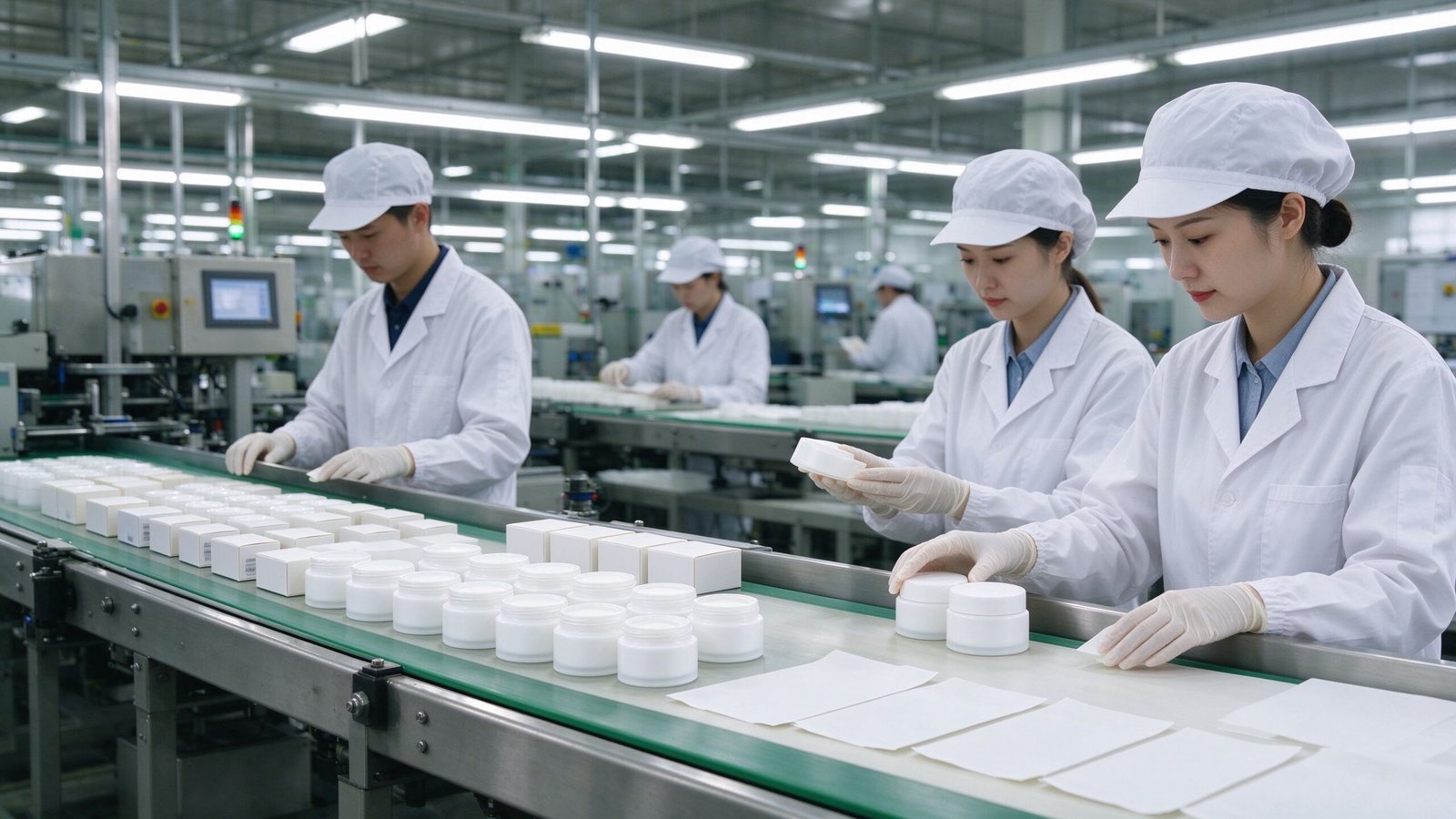
Private label and white label are the fastest paths to selling products under your own brand without building a factory. But buyers new to China sourcing often mix the two terms, underestimate the compliance work, and end up with a product that looks generic on Amazon shelves. This guide walks through what each model really means, how to choose between them, and the exact steps to launch your brand with a Chinese manufacturer.
Private Label vs White Label — What’s the Difference?
The two terms sound similar but they describe different levels of customization.
- White label: the factory already makes a generic, unbranded product (a blank jar, a plain cable, a t-shirt in stock colors). You add your logo, label and packaging and sell it as your own. Product formula, size and materials are fixed; you cannot change them. White label is fastest and cheapest.
- Private label: you work with the factory to modify an existing product — different formula, fragrance, color, size, ingredients or features — and then brand it. Private label gives you a product competitors cannot buy off the shelf, but it requires a development cycle, samples and a higher MOQ.
In practice, most Chinese factories offer both: a white-label SKU you can order this month, and a private-label version you can develop over the next 60–90 days.
Why Buyers Choose Chinese Factories for Private Label
China’s manufacturing ecosystem is unusually well suited to brand owners who do not want to own equipment. Component suppliers, packaging printers, mold shops and testing labs sit within an hour of each other in the Pearl River Delta and Yangtze River Delta. That means a small brand can request a custom color, a new cap design and a printed box in one supplier conversation, rather than coordinating three vendors in another country.
The Step-by-Step Path to Launching Your Brand
A clean private-label project follows a repeatable sequence.
- 1. Product research: decide the product, target retail price, and the one or two features that will make your listing stand out.
- 2. Supplier shortlist: ask factories for their existing white-label SKU as the baseline, then ask what modifications they already do for other brands.
- 3. Sample rounds: order a baseline sample, request a customized sample, and approve a final golden sample. Pay for samples — free samples are rarely representative.
- 4. Custom packaging and labeling: provide your logo artwork, barcodes and retail packaging design (see our packaging guide below).
- 5. Pre-production sample approval: before mass production, the factory sends one unit made on the production line. Approve it in writing.
- 6. Mass production and inspection: book a pre-shipment inspection, then ship.
- 7. Reorder: once the first order sells, reordering is quick because the tooling, artwork and approved sample already exist.
MOQ, Pricing and Packaging
Private label usually means a minimum order quantity (MOQ) because the factory has to reserve a production slot, print custom packaging and potentially open a mold. Expect typical ranges like these, which you can negotiate:
- Simple white-label with a logo sticker: 100–500 units.
- Private label with custom box and custom color/formula: 500–2,000 units.
- Custom tooling or mold: 1,000–5,000 units, plus a one-time mold fee.
Pricing drops steeply as quantity rises, but do not chase the lowest unit price by ordering 10,000 units of an unproven product. Start small, validate on the market, then scale.
Brand Trademark and Compliance
Your logo is worthless if someone else registers the trademark in your target market first. Before you place a private-label order, file your brand trademark in the US, EU or wherever you will sell. Also confirm the product itself meets local rules: FDA for cosmetics and food-contact, CPSC and CPC for children’s products, FCC for electronics, CE for the EU. A Chinese factory can usually help arrange testing, but the legal responsibility for compliance sits with the brand owner — you.
Private label is one of the highest-leverage moves in ecommerce, but it starts with picking the right factory. If you are still shortlisting suppliers, read our guide on how to find a reliable Chinese supplier before you send the first RFQ.