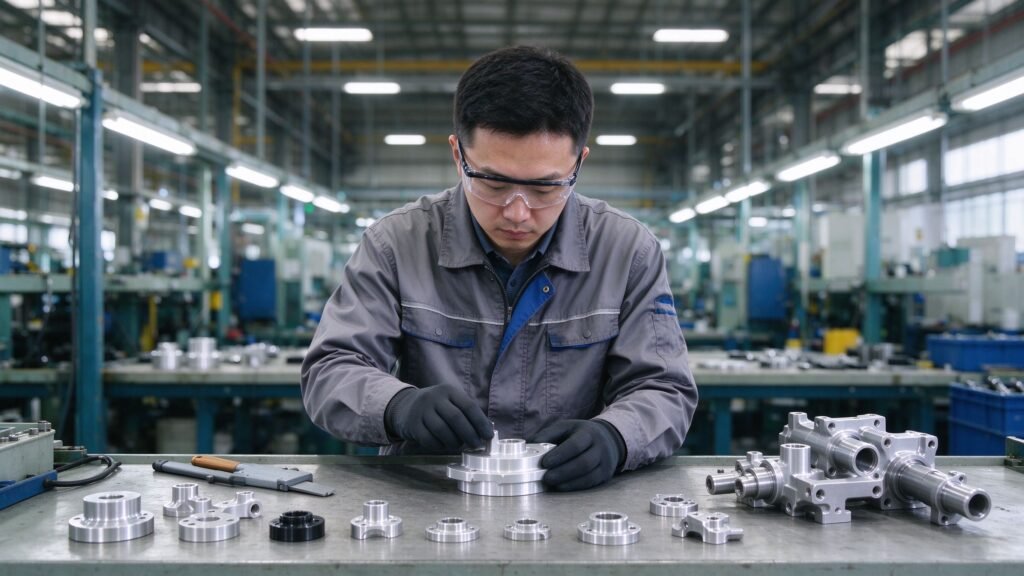
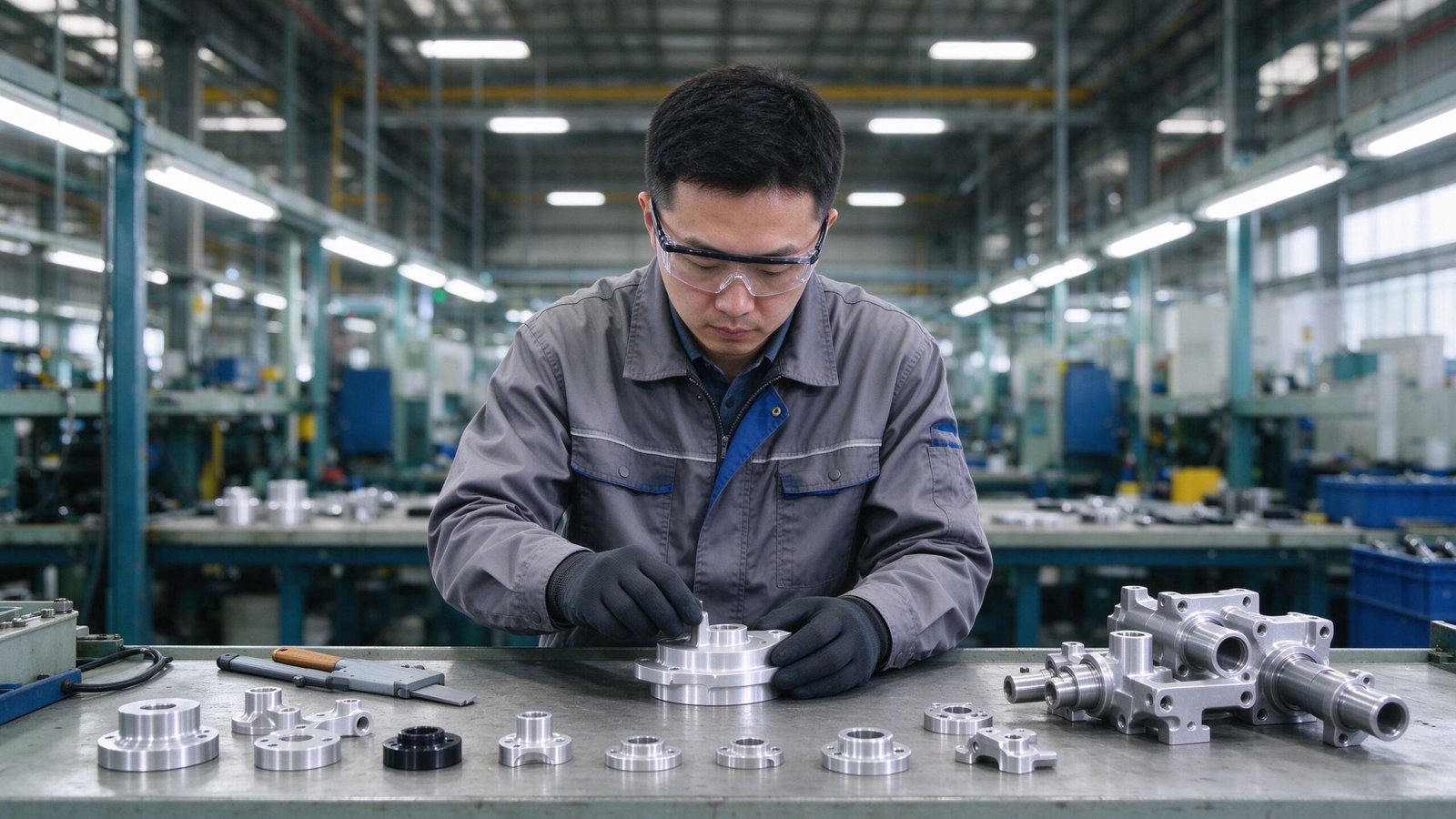
Every successful China sourcing order begins with a sample — not a mass production run. Yet too many first-time importers either skip sampling entirely (and get burned on a 5,000-piece shipment) or waste weeks and hundreds of dollars on samples that never turn into production orders. Understanding how product sampling in China actually works — the different sample types, what they cost, how long they take, and who should pay for them — is one of the highest-return skills you can build as an importer. This guide lays out the full sample journey from first prototype to pre-production approval, so you can move fast without blowing your budget.
1. The Three Types of Samples You Will Encounter
Chinese factories distinguish between three sample stages. Each serves a different purpose, carries a different cost, and demands a different level of detail from you as the buyer.
- Prototype / engineering sample (打样, dǎyàng): Built to validate your design, fit, function, or material choice. Used when you have a new product idea, a custom mold, or significant design changes. This sample often comes from hand-making, CNC machining, 3D printing, or soft-tool molding — not from the final production line.
- Pre-production sample (产前样, chǎnqián yàng): Made on the actual production line using the actual materials, tooling, and packaging that will be used for bulk order. This is the gold standard — once you approve it, the factory should replicate it exactly in mass production.
- Production / shipment sample (大货样, dàhuò yàng): Pulled from the first batch of finished goods, often sent to you before container loading. Confirms that mass production matches the approved pre-production sample and catches QC drift before the ship sails.
Mix-ups between these stages are a common source of conflict. A hand-made prototype, for example, will always look better than a mass-produced unit — do not approve a bulk order based on prototype quality alone. Always insist on a pre-production sample from the real line.
2. Sample Costs and Typical Timelines
Sample pricing in China is transparent once you know the range. Costs are driven by materials, tooling, labor hours, and express shipping — not by arbitrary factory pricing.
- Existing-product customization (logo, packaging, slight color change): US$30–US$150 per sample, usually shipped via DHL/FedEx at US$30–US$60. Lead time: 3–7 days.
- Prototype with new tooling (injection mold, die cut, custom packaging): US$150–US$800+ for the sample itself, plus mold/tooling cost of US$300–US$5,000 depending on complexity. Lead time: 10–25 days.
- Electronics or PCB prototypes: US$100–US$500 per sample; SMT stencil adds US$50–US$150. Lead time: 7–15 days for PCBA assembly, plus 1–2 days for shipping.
- Apparel samples: US$50–US$200 per style, depending on fabric and complexity; lead time 5–10 days for a single garment sample.
- Express shipping to US/EU/Australia: Budget US$30–US$80 via DHL/FedEx/UPS for a small parcel (0.5–2 kg); heavier samples cost more. Many factories will quote “sample free, freight collect” — you pay shipping, they absorb the product cost.
A realistic prototype timeline from first RFQ to approved pre-production sample is 3–6 weeks for simple products, and 8–12 weeks for custom-designed electronics, molded plastic goods, or branded apparel with new packaging.
3. Who Pays for Samples — and How to Get Fees Waived
The question of who covers sample cost is one of the earliest negotiations in any supplier relationship. The norms are well established; knowing them keeps you from overpaying or burning bridges.
- You pay for prototypes on a new, unproven design. This is standard. Factories will not absorb R&D risk for a buyer with no order history.
- Sample cost is often refundable against your bulk order. Many factories will deduct the sample fee from your production invoice once your order reaches a certain value (typically US$2,000–US$5,000). Ask this explicitly — it is almost always negotiable.
- Existing-product samples are frequently free; you only pay freight. If the factory already makes the product and you are only adding a logo, they have no incremental cost. Push back politely if they charge US$100 for an off-the-shelf sample.
- Never pay sample fees to a personal Western Union account. Legitimate factories invoice samples to the same corporate account they use for production. A payment-method mismatch is an early warning sign.
- Budget 2–3 sample iterations in your plan. Very few buyers approve the first sample. Allowing for revisions — fit, color, packaging, labeling — is part of a realistic sampling budget.
4. The Sample Approval Process That Protects Your Bulk Order
Receiving a sample is only half the job. How you inspect, document, and approve it determines whether your 5,000-piece order will match what you held in your hand.
- Document every detail in writing: dimensions, materials, Pantone colors, logo placement, packaging, labeling, barcodes, and any functional test results. A sample approval should be a signed PDF or email, not a verbal “looks good.”
- Test the sample under real conditions — drop it, run it, wash it, open it the way your customers will. Functional failure in hand is far cheaper than functional failure after Amazon returns.
- Keep the approved sample (and ideally a second sealed copy) as your golden sample for production comparison. When mass production arrives, a third-party inspector can compare the bulk goods against this reference.
- Confirm in writing that the factory will replicate the approved sample exactly — same materials, same factory, same production line — and that any deviation requires your prior written approval.
- Request a production sample pulled from the first batch before container loading. If it differs from your golden sample, you have time to fix it before the goods ship.
Sampling Smart, Scaling Confidently
Samples are where good importers save money and bad importers lose it. By treating sampling as a structured process — prototype, pre-production, then production sample — with clear approval criteria and documented standards, you eliminate most of the risk hidden in a 5,000-piece blind order. The small upfront investment in samples always pays back many times over in defect reduction, brand consistency, and fewer post-sale headaches. To build the rest of your sourcing workflow — supplier verification, Incoterms selection, and MOQ negotiation — read our China procurement guides and get a complete playbook for importing from China with confidence.