When you place an order with a Chinese factory, you are really trusting a much larger network: the mill that supplies the fabric, the plastic recycler, the metal press shop, the dye house, and the component traders the factory uses. Supply chain traceability means being able to answer one simple question with evidence: where exactly did every part of this product come from? As customers, platforms, and regulators demand more transparency, this question is becoming a business requirement, not just a nice-to-have.
Why Traceability Matters More Than Ever
Opacity creates risk at every level. If a sub-supplier uses cheaper material than you specified, the failure only appears after the product reaches your customer. If a factory sources minerals or chemicals from a sanctioned or unsafe source, the liability lands on your brand, not theirs. Modern marketplaces, large retailers, and ESG-focused buyers increasingly ask for documented proof of origin — and they will move on to suppliers who can provide it.
Traceability also protects you commercially. When you know exactly which batch of material went into which shipment, quality issues become isolated events you can contain, rather than disasters you must investigate blindly.
Ask for Material Source Proof
Start by requiring documents that match your product’s bill of materials. Serious suppliers can produce most of these without drama.
- Material declarations and test reports for key components — fabric composition, alloy grade, food-contact safety, or RoHS compliance.
- Invoices and purchase records showing where the factory bought its raw material.
- Certificates of origin for finished goods and, where relevant, specific supply-chain certifications.
- Batch numbers linking production runs to specific material lots.
If a supplier hesitates or cannot produce basic paperwork, that itself is useful information. A transparent factory treats document requests as routine; an opaque one treats them as a threat.
Keep all of these documents organized by purchase order and batch number. When an auditor or a major buyer asks for your supply-chain file, being able to produce the complete chain in hours — instead of scrambling through email inboxes — signals that you run a professional operation. It also makes responding to a product issue far faster and calmer.
Audit Second- and Third-Tier Suppliers
The factory you audit is often not the factory that makes the parts. For complex products — electronics, textiles, furniture, toys — critical steps happen at sub-suppliers you have never met. A good sourcing agent can help you map the chain: identify which shops handle the plating, the molding, the assembly, and the printing, and assess whether they meet your standards.
You do not need to visit every sub-supplier. Target the ones that drive quality and compliance: the material source, the safety-critical processes, and the steps most likely to be substituted. Third-party audit reports from firms like SGS, Bureau Veritas, or Intertek can verify these tiers at a fraction of the cost of traveling yourself.
Build a simple supplier map once: list every material input and process step, then mark which ones are critical to quality, safety, and compliance. This map becomes your checklist for every future order, and it helps a sourcing agent identify exactly which sub-suppliers need a closer look without wasting budget auditing everything.
Traceability Labels, QR Codes, and the Document Chain
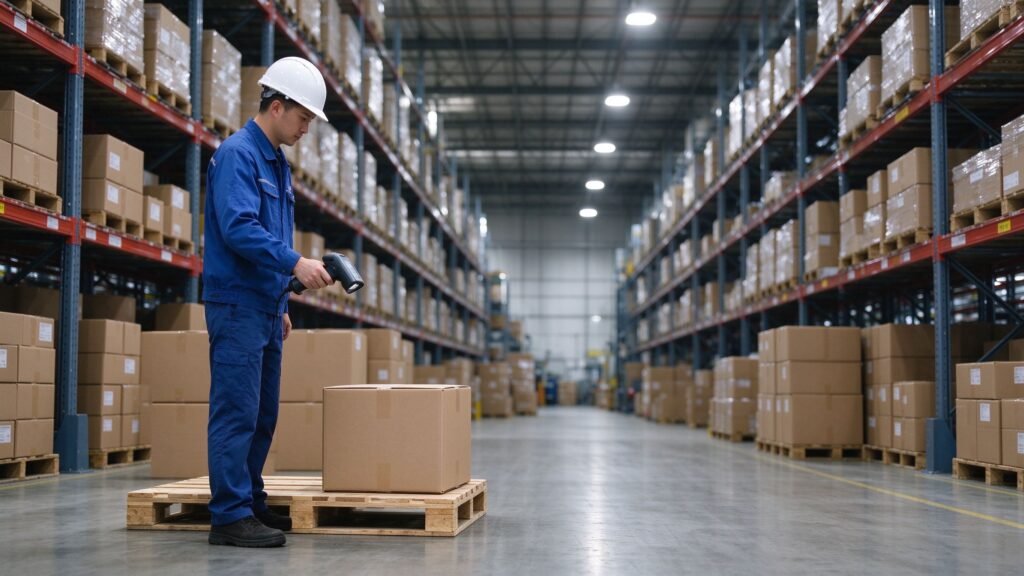
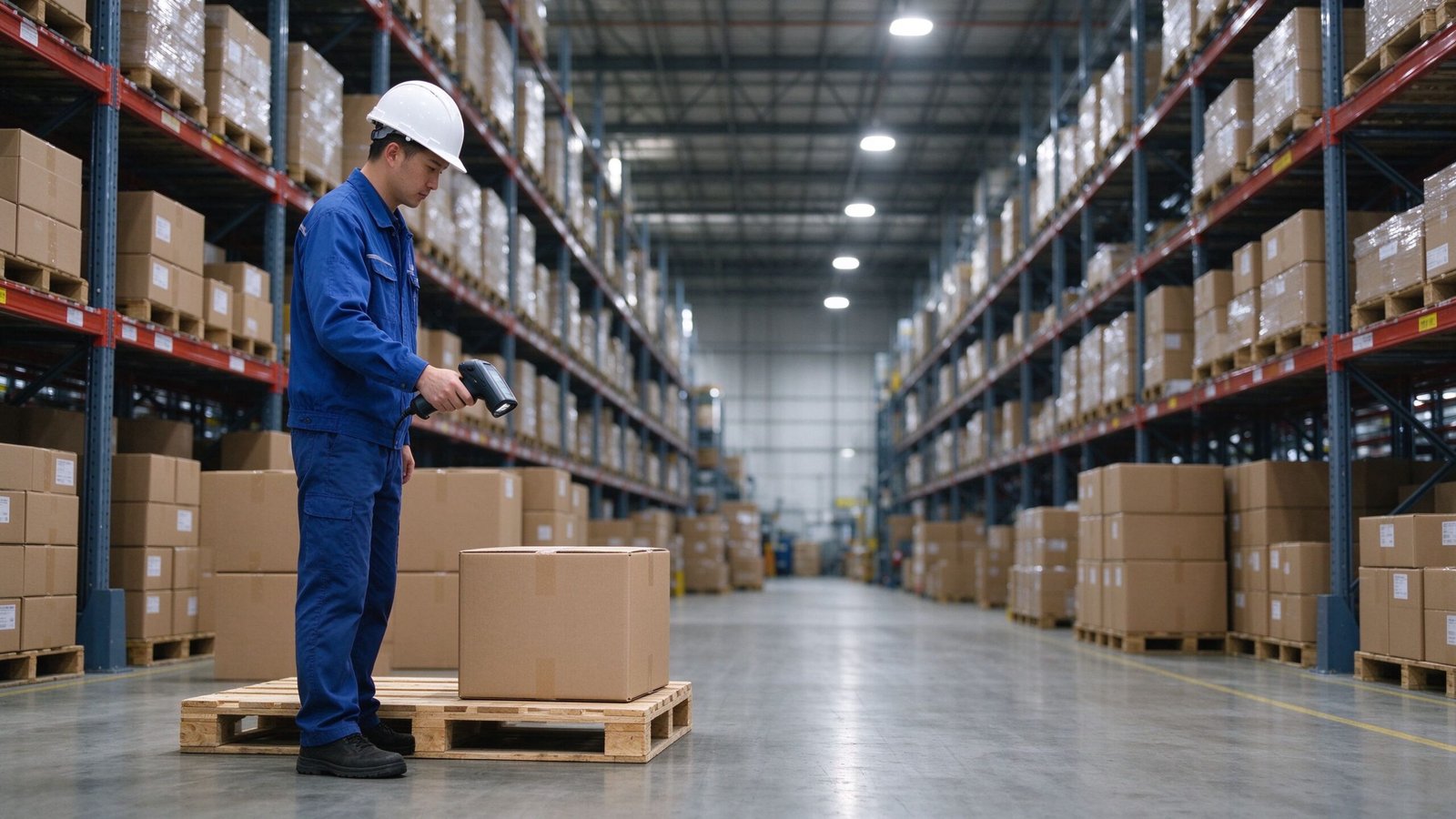
Modern traceability turns a product into a verifiable record. At the factory level, this means batch coding on every carton, retained samples from each production run, and a documented file that follows the order: order confirmation, material reports, inspection records, packing list, and shipping documents. When every carton carries a batch number, you can trace a customer complaint back to the exact production run and material lot.
For consumer brands, a scannable code on the packaging can share origin, material, and factory information with the end customer. This doubles as a marketing asset: buyers increasingly choose brands they can see are responsible.
How Transparency Lowers Quality and ESG Risk
A transparent supply chain is a lower-risk supply chain. Factories that know you audit their sub-suppliers are far less likely to substitute cheap materials or hide labor and environmental shortcuts. You also gain a concrete defense when a customer, auditor, or regulator asks questions. The cost of building traceability is small compared with a recall, a marketplace suspension, or a brand-damaging scandal.
For ESG specifically, traceability lets you document responsible sourcing — proof that materials are not linked to deforestation, conflict minerals, or unsafe labor practices. Many large retailers and B2B buyers now require this documentation before they will even consider a new supplier, so transparency is becoming a sales requirement as much as a risk control.
Build Visibility Into Every Order
Traceability is not a one-time audit; it is a habit you build into every purchase order. Demand documents early, map your sub-suppliers, batch-code your goods, and keep a clean compliance file. Work with our sourcing team to build a traceability checklist and audit plan for your next China order.