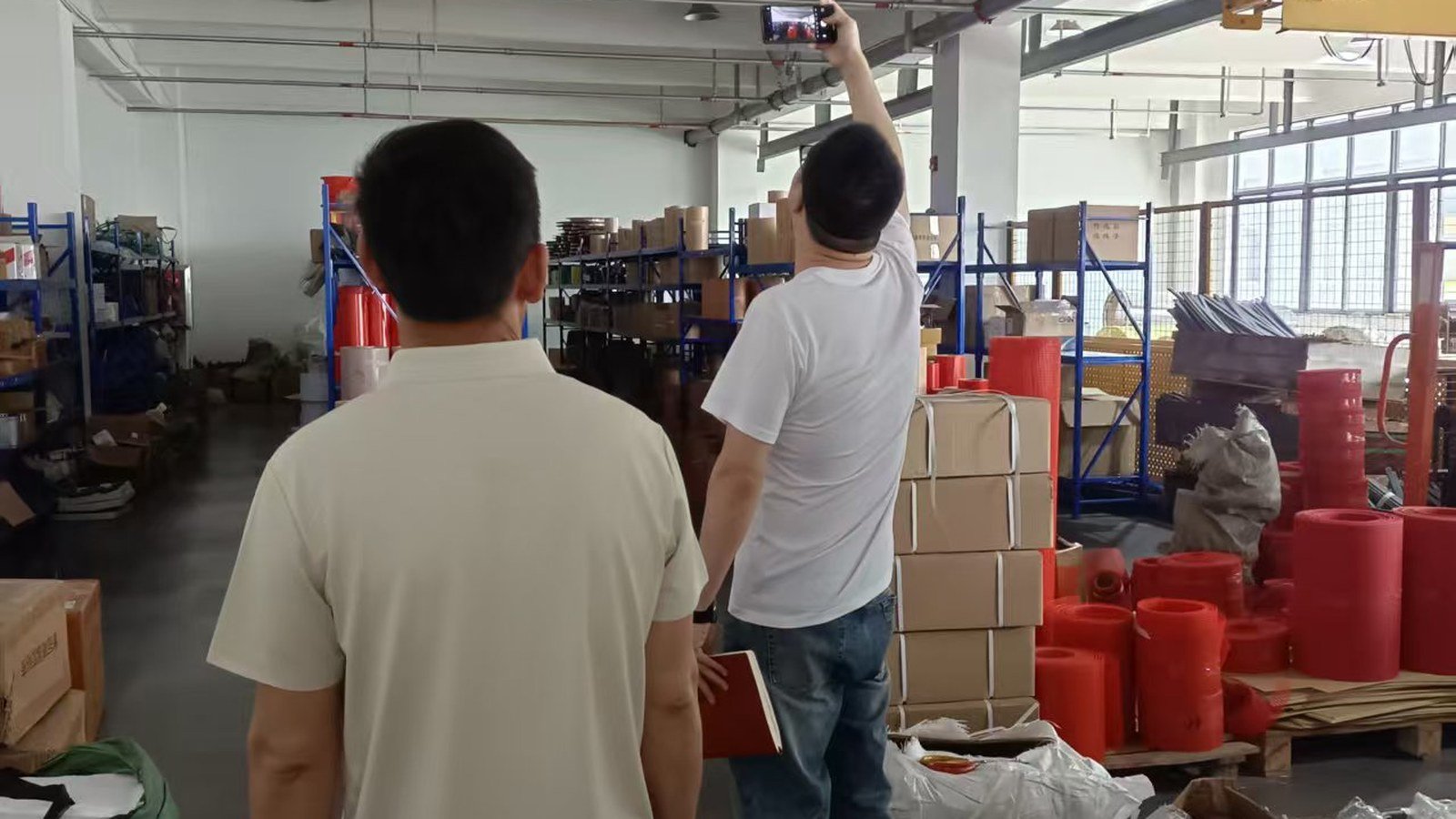
Two Kinds of Suppliers, Two Kinds of Value
When you buy from China, you are almost always dealing with either a factory or a trading company. Many buyers assume a factory is always better. That is not true. A factory offers control and lower cost at scale, while a good trading company offers flexibility, variety, and logistics convenience. The right choice depends on your order, your product, and your priorities. This guide explains the real differences and how to tell them apart.
What a Factory Offers
Buying directly from the manufacturer has clear advantages.
- Lower unit price: No middleman margin, especially for larger or repeated orders.
- Better control: You deal directly with the people who make the product, which helps with customisation and quality.
- Customisation: Factories are the natural home for OEM and ODM work.
- Trade-offs: Higher minimums, more rigid production schedules, and communication that can be more technical and slower in English.
What a Trading Company Offers
A trading company sources from multiple factories and sells to you as an intermediary.
- Product variety: One company can supply many different products from different factories.
- Lower minimums: They can often combine small quantities and manage flexible orders.
- Logistics convenience: They consolidate shipments and often handle export documentation, inspections, and delivery.
- Better communication: Many trading companies employ English-speaking sales staff experienced with foreign buyers.
- Trade-offs: A higher price and less direct control over the actual production quality.
Which to Choose for Your Situation
- Large, repeated orders of one product: Prefer the factory for price and control.
- Small or mixed orders: A trading company saves you from chasing many factories.
- Custom OEM/ODM: Go to the factory directly.
- Speed and simplicity: A reliable trading company can be faster to deal with.
- New products or low volume: Trading companies are more flexible on minimums and variety.
The ‘Trading Company + Factory’ Hybrid
Many mid-size suppliers are both: they own some production and trade other items.
- They can offer factory prices on their own products and flexible sourcing for others.
- Ask directly whether a product is made in their own factory or sourced from a partner.
- Verify which products are truly in-house, because the answer affects quality control.
How to Tell a Factory from a Trading Company
Suppliers do not always label themselves clearly. Use these checks.
- Ask whether they own the production line and ask for the factory address.
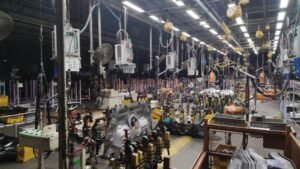
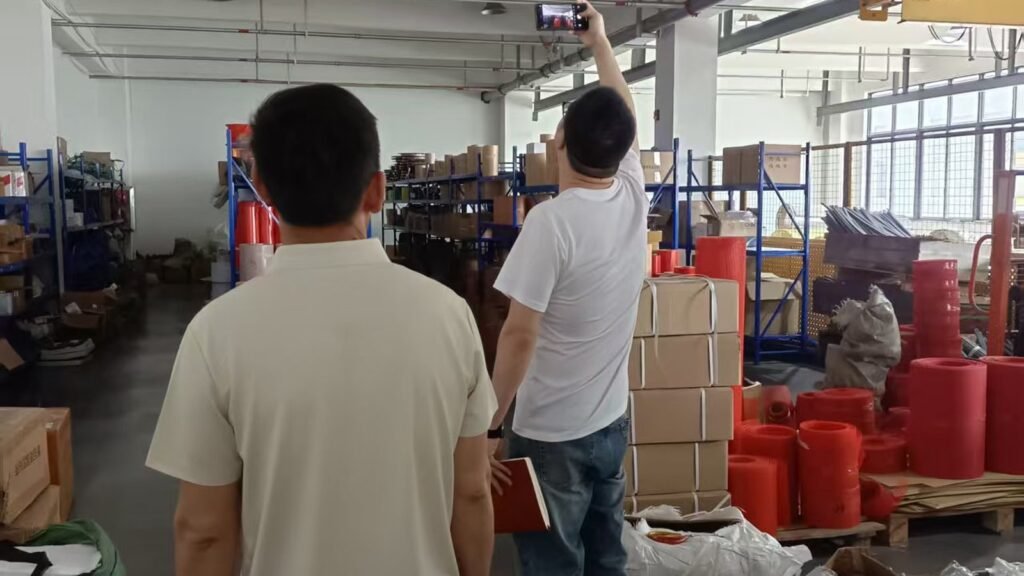
- Request a video call that shows the machines making your product.
- Check the business licence scope: factories usually list manufacturing; pure traders list only sales.
- Ask for the equipment list and capacity. Vague answers suggest a trader.
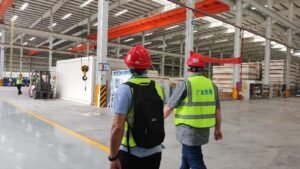
- If the order is large, visit or audit the factory to confirm production exists.
Why ‘Fake Factories’ Exist and How to Avoid Them
Some trading companies present themselves as factories to win orders. This is not necessarily fraud, but it matters.
- They may send you photos of a factory that is actually a partner’s.
- They may add a margin while claiming factory-direct pricing.
- The risk is not the margin itself but the loss of control over quality and the false assumption of direct pricing.
- Clarify the relationship early and price accordingly.
Questions to Ask Any Supplier
- Are you the manufacturer or a trading company for this product?
- Do you own the factory, and where is it located?
- Can you show a live production video of this specific item?
- What is the factory’s capacity and typical lead time?
- What quality control and inspection processes do you run?
- Can you share client references in my industry?
Mixing Both: A Strategy Many Buyers Use
You do not have to choose one type for every order.
- Use factories for your core, high-volume products where price and control matter.
- Use trading companies for accessories, spare parts, or low-volume items you buy infrequently.
- Work with verified ‘factory + trader’ hybrids for a balance of price and variety.
- Re-evaluate the split as your volumes grow.
This flexible approach keeps cost low on your main lines without overloading you with supplier management.
The Cost of Skipping Verification
Whether you buy from a factory or a trader, not verifying has a price.
- You may pay a hidden margin while believing you have factory-direct pricing.
- You lose control over quality if the actual production site is unknown.
- Delays and defects are harder to resolve when the relationship is unclear.
- You carry the risk of dealing with an entity that cannot or will not honour the deal.
A short verification call and a few targeted questions close most of this gap.
Choose the Supplier Type That Serves the Order
Do not assume ‘factory equals best’. Match the supplier type to the job: factories for volume and customisation, trading companies for variety and convenience, and verified hybrids where they fit. Whichever you choose, verify the relationship and the production before you pay. If you are unsure whether to buy from a factory or a trader, or need a vetted supplier for your product, our sourcing team can shortlist and verify the right type for you. Contact us today to find the right supplier.