分类: China Procurement

  • Solar Products Sourcing from China: Panels, Inverters, Kits and Certification

    Solar Products Sourcing from China: Panels, Inverters, Kits and Certification

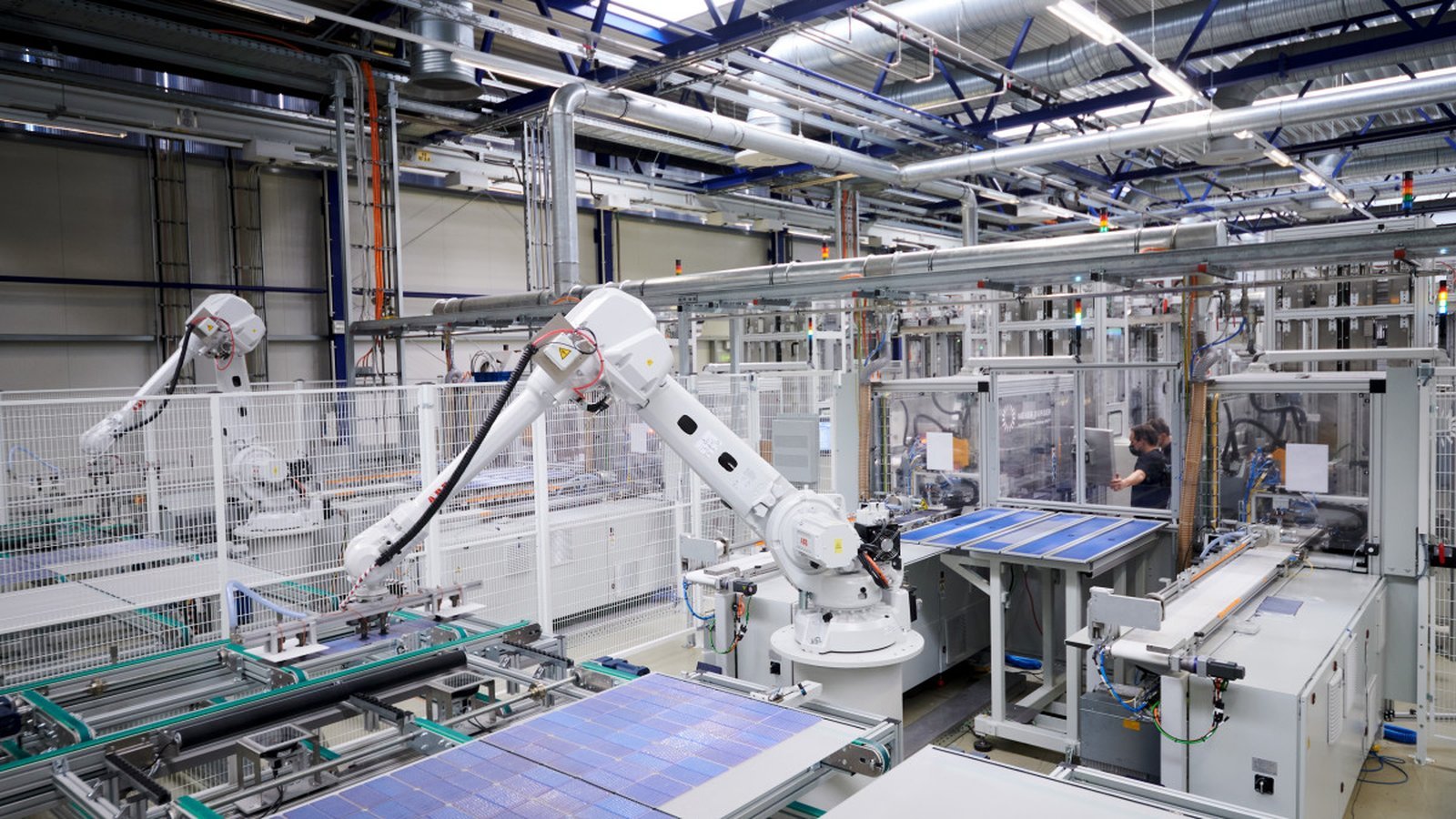
    Solar photovoltaic panel production line in a factory

    China produces roughly 80% of the world’s solar photovoltaic modules, and even larger shares of cells, inverters, and mounting hardware. For importers, distributors, installers, and DTC brands, this means access to the lowest module-level pricing on earth—but also a minefield of certification knock-offs, inflated wattage labels, and warranty claims that disappear when the factory closes. This guide explains how to source solar products from China without buying a legal and financial problem.

    1. Module Types: Monocrystalline, Polycrystalline, and Flexible

    • Monocrystalline (mono). The dominant mainstream product. Higher efficiency (typically 19–23% for commercial panels), better low-light performance, and a 25-year linear power warranty. Almost all utility-scale and residential installations use mono in 2026.
    • Polycrystalline (poly). Cheaper but lower efficiency (~16–17%) and higher temperature loss. Mostly used in price-sensitive off-grid / emerging-market kits now.
    • Flexible and thin-film panels. Lightweight, bendable, ideal for RVs, boats, and curved roofs. Expect lower efficiency (15–18%) and a shorter product warranty (5–10 years). MOQ is usually 50–100 pcs.

    For residential or grid-tie sales in the US/EU, only mono Tier-1 or Tier-2 factory modules are realistic. For off-grid camping kits sold on Amazon or eBay, a tested poly or flexible module at a lower price point can work.

    2. The Certifications That Actually Matter

    A solar panel without the right certification is essentially unsellable in your market—insurers, installers, and grid interconnection programs all require it.

    • IEC 61215—design qualification and type approval for crystalline silicon terrestrial PV modules (performance, thermal cycling, humidity freeze, hail test). This is the global baseline.
    • IEC 61730 / UL 61730—safety qualification. For the US market, look for UL 61730 (often paired with UL 1740 for fire testing); for the EU and most of the world, IEC 61730-1 and 61730-2.
    • IEC 61701—salt mist corrosion, required if you sell to coastal or marine customers.
    • CE marking—mandatory for the EU, built on the above test reports.
    • FCC Part 15—for inverters and power electronics sold in the US.

    Always ask for the actual test report from a recognized lab (TÜV Rheinland, TÜV SÜD, Intertek, UL). A “CE certificate” printed by the factory itself is worthless. You can verify most certifications on the lab’s online database by report number—do this before issuing the PO.

    Tier-1 vs Tier-2 vs no-name. The Bloomberg Tier-1 list is a bankability rating, not a quality rating—but it is a useful shortlist. If you plan to sell residential panels that a customer will finance or insure, stick to listed Tier-1 brands. If you are selling off-grid camping panels on Amazon, a reputable Tier-2 factory with IEC/UL reports is fine and saves 15–25% per watt. Avoid factories that only offer “copy brand” labeling—it is an IP and customs problem waiting to happen.

    3. Efficiency, Wattage, and Warranty: Read the Fine Print

    Many Chinese listings advertise “550W” panels that actually deliver 520–530W in real conditions. Protect yourself by:

    • Specifying STC (Standard Test Conditions) and NOCT (Nominal Operating Cell Temperature) output on the spec sheet.
    • Requiring a power tolerance clause (e.g. 0/+3%, meaning delivered panels will not be under-rated).
    • Confirming the linear power warranty—Tier-1 brands guarantee 90% output at 10 years and 80% at 25 years.
    • Asking who honors the warranty—the factory, your local distributor, or the brand owner. A Chinese factory warranty with no local service partner is hard to enforce.

    4. Inverters and Balance-of-System

    Sourcing panels is only half the job. Inverters are where most after-sales failure happens:

    • String inverters for grid-tie residential: ask for UL 1741 SB (US) or EN 50549 (EU), plus VDE 4105 / G98/G99 grid-compliance certification depending on your market.
    • Microinverters (e.g. Enphase-compatible clones) and hybrid inverters with MPPT charge controllers: verify firmware language, plug standard, and warranty service.
    • Battery storage (LiFePO4 wall batteries): require UN38.3 transport certification, IEC 62619 safety test, and local after-sales.

    5. Off-Grid / Grid-Tie Kits vs Standalone Modules

    If you sell pre-configured kits (panel + charge controller + battery + inverter + cables), you are responsible for system-level compatibility. A 12V off-grid camping kit can be put together by the factory, but a 5kW residential grid-tie string system needs certified installers in your market—do not try to ship a turnkey residential system without local partners.

    6. Pre-Shipment Inspection and Small Trial Orders

    Solar panels are delicate glass products. A 20-foot container can hold ~600 panels. Before mass production:

    • Order a 5–10 panel sample; run an electroluminescence (EL) test to detect hidden cell cracks, and a flash test to verify rated wattage.
    • For bulk, hire a third-party inspector (SGS/BV/Intertek) to check packaging, EL images, flash test reports, and label accuracy (UL/FCC logos, country of origin).
    • Start with one 20’GP trial order rather than a full container commitment with a new factory.
    • Confirm packaging is seaworthy: foam corner protectors, double carton, and vertical-loading stowage in the container.

    Get a Free Sourcing Consultation →

  • Medical Device Sourcing from China: FDA Registration, 510(k), ISO 13485 & Buyer Risks

    Medical Device Sourcing from China: FDA Registration, 510(k), ISO 13485 & Buyer Risks

    Modern hospital room with advanced medical equipment and monitoring devices

    If you are a US importer or EU distributor evaluating a Chinese medical device manufacturer, the quoted unit price is only half the equation. The other half is regulatory compliance: FDA classification, establishment registration, a 510(k) clearance, UDI marking, and a quality system that meets current Good Manufacturing Practice. Get it wrong and your shipment can be refused at US customs, your clearance delayed for months, or your brand exposed to an FDA warning letter. This guide explains what every buyer should verify before placing a purchase order with a Chinese device factory.

    FDA Device Classification: Class I, II, and III

    FDA groups medical devices into three risk classes. The class determines how much premarket control applies, and it directly affects which pathway your product must follow before US sale.

    • Class I (low risk) — roughly half of device types. General controls apply; most are exempt from premarket review. Examples include bandages, stethoscopes, and manual surgical instruments. Even exempt devices still require establishment registration and device listing.
    • Class II (moderate risk) — the largest group of imported devices. Special controls apply, and most require a 510(k) Premarket Notification demonstrating substantial equivalence to a legally marketed predicate device. Examples: infusion pumps, ECG machines, ultrasound systems, surgical drapes, and many dental and monitoring instruments.
    • Class III (high risk) — devices that support or sustain human life or are implanted, such as pacemakers, implantable defibrillators, and joint replacements. These require PMA (Premarket Approval), the most rigorous pathway, supported by clinical evidence.

    Before you negotiate price, confirm your product code and regulation number. A supplier that says “our device is Class II” without citing the specific regulation is only guessing.

    Establishment Registration, Listing, and the US Agent

    A foreign manufacturer may not lawfully export devices to the US without completing several administrative steps. First, the establishment must register with FDA annually; the annual registration window runs from October 1 through December 31 for the following calendar year and carries a user fee. Second, every marketed device must be listed, tied to its product code and regulation number. Third, a foreign facility must designate a US Agent — a US-resident person or company who serves as FDA’s local point of contact.

    A common red flag is the claim “FDA approved.” FDA does not “approve” Class I or II devices; it clears Class II devices through 510(k) and accepts registration. “FDA registered” is not a safety endorsement. Ask for the registration number and list number, then check them in FDA’s public databases rather than taking a sales call’s word for it.

    The 510(k) Pathway for Most Class II Devices

    The 510(k) submission demonstrates substantial equivalence on three elements: intended use, technological characteristics, and performance compared with a predicate device. FDA’s review target is about 90 calendar days for a traditional 510(k), although additional information requests routinely extend the real timeline to six to twelve months.

    As the buyer, you are often the applicant of record unless the manufacturer already holds the clearance. Verify three things: whether the factory holds an existing 510(k) for your exact product, the 510(k) number, and whether the cleared specifications match yours. A supplier offering “we will get 510(k) for you” without a named predicate device, biocompatibility test reports, or electrical-safety documentation is exposing you to significant delay and cost.

    UDI and Quality System Requirements to Verify

    Unique Device Identification (UDI), under 21 CFR Part 830, requires a device identifier (DI) plus a production identifier (PI) on the label and in the FDA GUDID database. Ask to see the actual UDI carrier — barcode, QR code, or RFID — and the GUDID entry. Class II UDI compliance deadlines have long since passed, so a factory without UDI capability in 2026 is behind.

    ISO 13485:2016 is the international quality management standard for medical devices. Critically, since February 2, 2026, FDA’s Quality Management System Regulation (QMSR) has aligned 21 CFR Part 820 directly with ISO 13485:2016. Request a current ISO 13485 certificate, verify it on the notified body’s website, and confirm that the certified scope actually covers your product family. Also ask for device master file (DHF) excerpts, complaint-handling procedures, and lot traceability records.

    Common Class II Sourcing Risks and How to Mitigate Them

    • Scope mismatch: the factory holds ISO 13485 for sterile syringes, not for your diagnostic device. Verify scope line by line.
    • Registration without clearance: a “FDA-registered” Class II device that lacks 510(k) cannot lawfully be sold in the US.
    • Hidden subcontracting: many brands outsource molding, sterilization, or final assembly. Confirm that the registered establishment is the one actually manufacturing, and that ethylene-oxide or other sterilization is validated.
    • Labeling gaps: Chinese-language labels alone will be refused. US labels must meet 21 CFR 801 and carry UDI.
    • Missing biocompatibility data: skin-contact or body-contact devices need ISO 10993 testing.

    Mitigate all of these by commissioning a third-party GMP/ISO 13485 factory audit, verifying the 510(k) number in FDA’s database, and writing regulatory deliverables — certificates, test reports, and 510(k) status — directly into your purchase contract.

    Get a Free Medical Device Sourcing Consultation →

  • Private Label Cosmetics Manufacturing in China: A Complete Sourcing Guide

    Private Label Cosmetics Manufacturing in China: A Complete Sourcing Guide

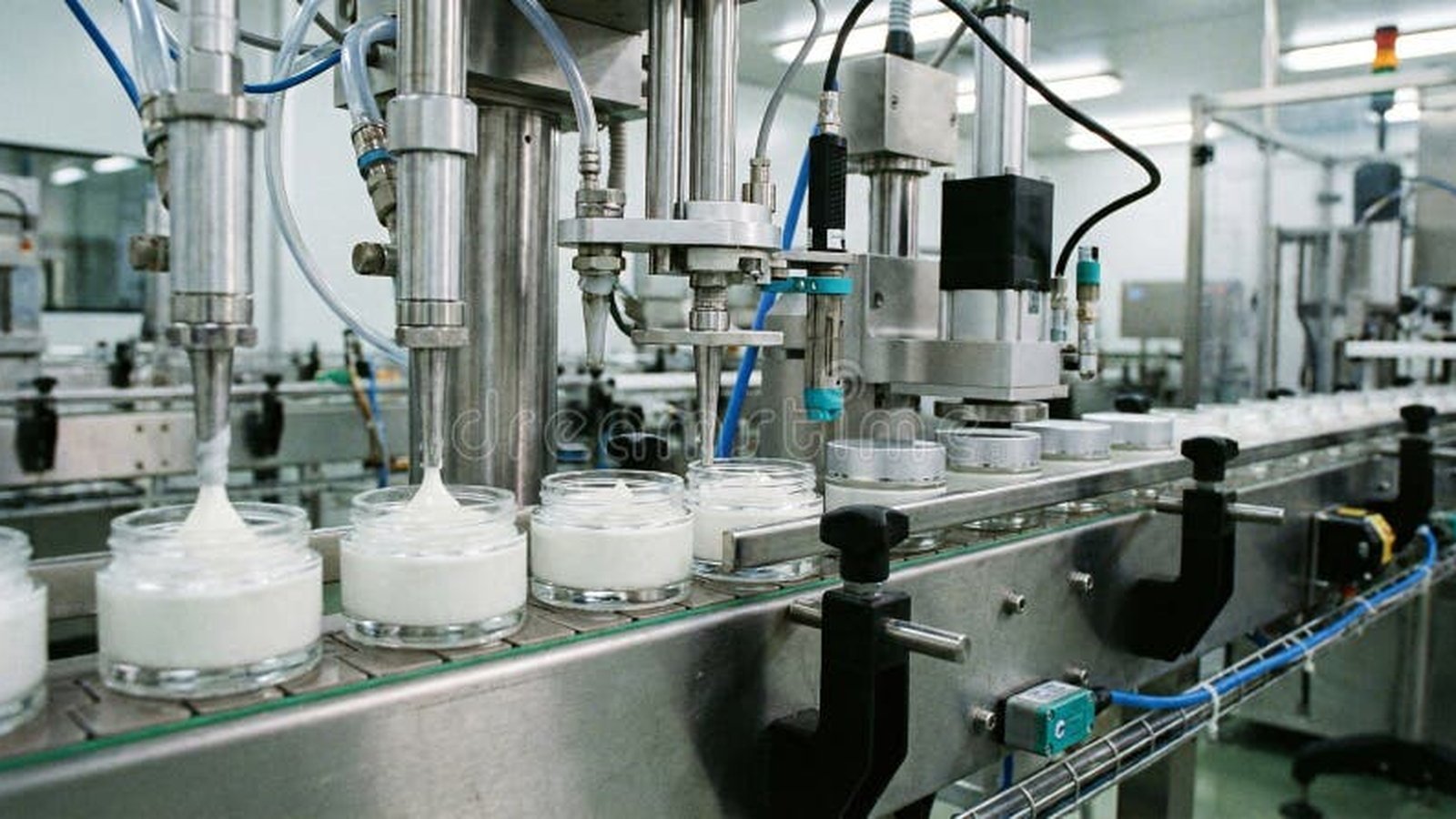
    Automated cosmetic cream filling line in a modern factory

    China is now one of the world’s largest private-label (white-label and contract) cosmetics manufacturing hubs. Zhejiang, Guangdong, and Jiangsu host GMPC-certified factories that can take your brand from a one-page brief to a shelf-ready serum in 4–8 weeks, at 40–60% less than a US or EU contract manufacturer. But cosmetics is a heavily regulated category—get the formula, label, or notification wrong and your product can be detained at the border or forced off the market. This guide walks you through the end-to-end process.

    1. Choosing the Right Type of Cosmetics Factory

    Chinese factories generally fall into three buckets:

    • Private-label houses (oem/oem stock formulas). They sell from a catalog of 100–500 existing formulas (serums, moisturizers, cleansers, lipsticks). You pick a base, they add your fragrance, color, and logo. MOQ is typically 500–2,000 units per SKU. Best for first-time brands and small budgets.
    • Contract manufacturers for custom formulation. They develop a new formula to your brief. MOQ is usually 3,000–10,000 units and development time is 6–12 weeks. Best when you want a unique texture, active, or claim.
    • Full-service ODM. They design packaging, formula, label, and even your whole brand range. MOQ varies widely; ideal for DTC brands that want one partner.

    Verify the factory holds GMPC (ISO 22716) certification—it is the baseline the EU and FDA both expect—and ask whether they have already exported to your target market. A factory that has filed CPNP notifications for US/EU clients before will move much faster.

    2. Formula Development: Stock vs Custom

    For most first orders, start with a stock formula. You can still differentiate by:

    • Choosing active ingredients (e.g. adding niacinamide, hyaluronic acid, or retinol at a defined %)
    • Customizing fragrance and essential oil blends
    • Matching a color shade for lipsticks, foundations, or tinted moisturizers
    • Adding a private-label preservative system compliant with EU Cosmetic Regulation 1223/2009

    A custom formula is worth it only if you have a strong claimed differentiator—for example a patented active, a clean-beauty positioning that excludes a long list of ingredients, or a texture no stock SKU matches. Expect to pay a development fee of USD 2,000–8,000 and a longer timeline.

    3. MOQ, Sampling, and Pilot Production

    Typical MOQs from Chinese cosmetics OEMs:

    • Serums/lotions in glass or PET bottles: 1,000–3,000 pcs
    • Creams in jars: 1,000–2,000 pcs
    • Lipstick / foundation (mold cost): 3,000–5,000 pcs plus mold fee
    • Sachets / sample sizes: 10,000–50,000 pcs

    Sampling usually costs USD 30–150 per formula and takes 7–15 days. Build two rounds of samples into your timeline: first lab sample (texture/color), then pilot sample (actual mass-production line with your packaging). Approve the pilot sample in writing before mass production starts—this is the single most effective way to prevent sample-to-bulk mismatch.

    4. Packaging, Labels, and INCI

    Every cosmetic sold in the EU or US must carry an INCI (International Nomenclature of Cosmetic Ingredients) list on the outer packaging, listing ingredients in descending order of concentration. Your factory can provide the INCI list, but you must verify it against:

    • EU Cosmetic Regulation (EC) No 1223/2009—check for banned/restricted substances (e.g. certain parabens, formaldehyde releasers, microplastics).
    • US FDA cosmetic labeling rules under 21 CFR Parts 701–740.

    Also confirm packaging compatibility: a serum that interacts with a bottle material can discolor, separate, or degrade. Ask the factory for a stability and compatibility test (typically 3 months accelerated at 40°C) before you lock the packaging.

    5. Regulatory Notifications You Cannot Skip

    United States — MoCRA. The Modernization of Cosmetics Regulation Act, enacted in 2022, now requires every cosmetic facility (including overseas factories that ship to the US) to register with the FDA and every product to be listed before US distribution. As the US brand owner, you are responsible for product listing; the Chinese factory handles facility registration. Confirm your factory already has a valid FDA facility registration number before signing.

    European Union — CPNP. Under Regulation (EC) 1223/2009, every cosmetic placed on the EU market must be notified through the Cosmetic Products Notification Portal (CPNP). The notification must include the product formula, label image, responsible person (an EU-based entity), and a Product Information File (PIF) with a safety assessment. Your factory can prepare most of the technical file, but you need an EU Responsible Person—budget around EUR 300–800 per year per brand.

    Claims compliance. Avoid absolute claims (“miracle cure”, “100% anti-aging”). The EU Common Criteria on cosmetic claims require every claim to be truthful, evidence-based, and not cause ambiguity. Save the clinical or in-vivo data behind any efficacy claim.

    6. A Practical First-Order Workflow

    • Shortlist 3–5 GMPC-certified factories; ask for their top 10 stock formulas and pricing.
    • Order paid samples from your top 2; evaluate texture, fragrance, absorption, and packaging fit.
    • Confirm FDA facility registration and EU CPNP filing capability in writing.
    • Lock INCI, packaging artwork, and pilot sample approval before the PO.
    • Run a pre-shipment inspection (AQL 2.5) covering leak test, label accuracy, and carton quantity.

    Get a Free Sourcing Consultation →

  • Food Contact Material Compliance: A Sourcing Guide for Importers Buying from China

    Food Contact Material Compliance: A Sourcing Guide for Importers Buying from China

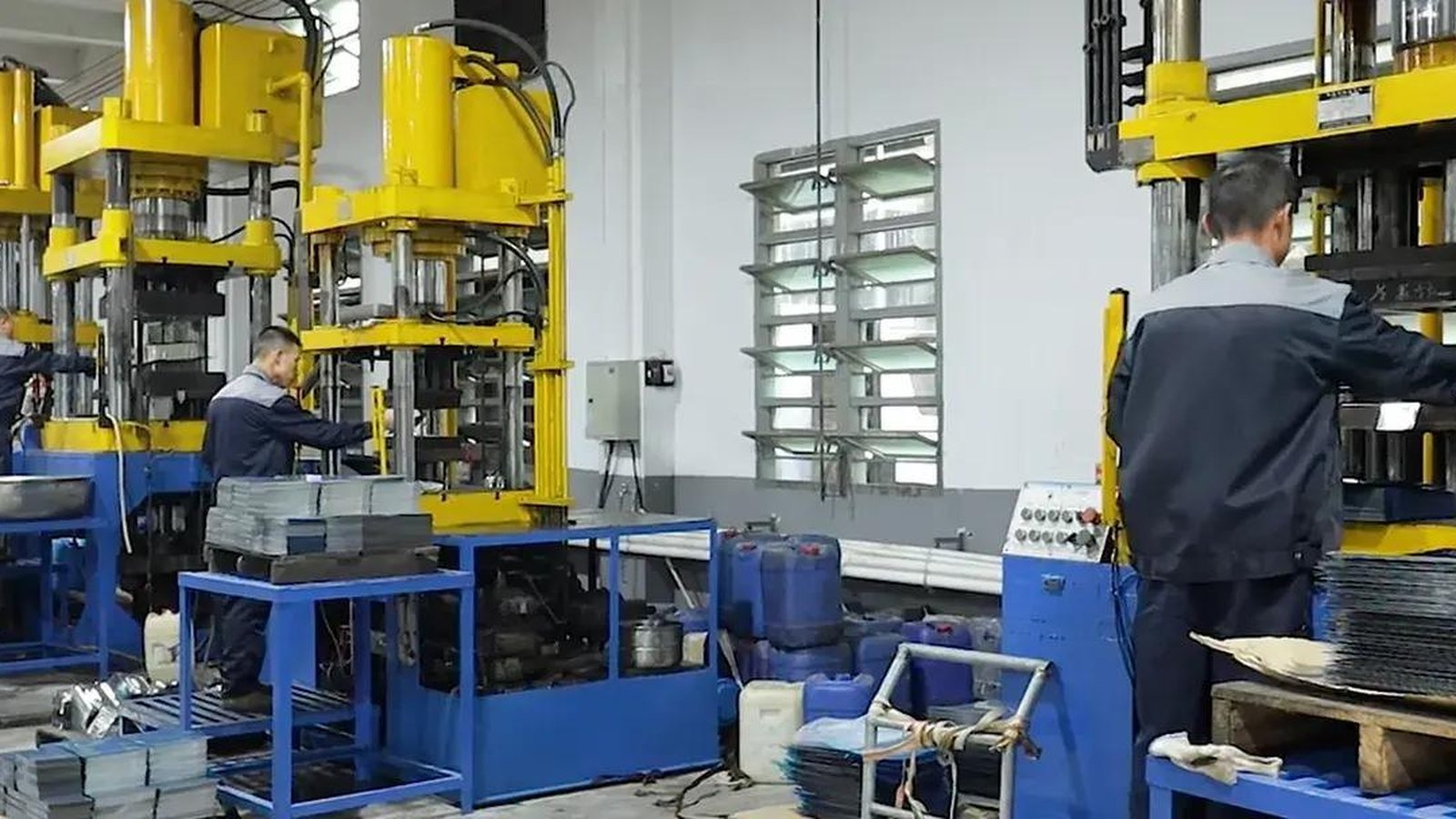
    Stainless steel kitchenware production line in a Chinese factory

    You found a cheaper Chinese factory for your kitchenware, food storage, bakeware, or tableware line. The sample looks great and the price beats your current supplier by 30%. But if the materials that touch food are not compliant, a smooth sample can become a detained shipment at CBP, a European Rapid Alert (RAPEX) notification, or a brand-destroying recall. Food contact material (FCM) compliance is the single biggest hidden risk in this category, yet it is also one of the easiest to control if you ask the right questions before the PO.

    This guide walks US and EU buyers through the three regulatory frameworks that matter most—FDA, the EU Plastic Regulation, and Germany’s LFGB—the migration tests suppliers must run, the materials that cause the most problems, and the documents you should demand before production starts.

    1. The Three Regulatory Frameworks You Must Understand

    United States — FDA 21 CFR Parts 174–199. In the US, food contact substances are regulated as indirect food additives under Title 21 of the Code of Federal Regulations. Subparts cover general provisions (Part 174), resins and polymers (Part 177), and paper/coatings (Part 176). For a substance not already listed, manufacturers rely on a Food Contact Notification (FCN) approved by the FDA, or a Threshold of Regulation exemption. As an importer you are not expected to read the CFR yourself, but you should ask your supplier whether the specific grade of stainless steel, silicone, PP, or coating they use has an FCN or a relevant CFR listing.

    European Union — Regulation (EU) No 10/2011. This is the flagship EU rule for plastic materials and articles intended to come into contact with food. It defines a positive list of authorized monomers and additives, and sets two hard limits: the Overall Migration Limit (OML) of 10 mg of constituents per dm² of contact surface (equivalent to 60 mg/kg food for an empty vessel test), and Specific Migration Limits (SML) for individual substances such as primary aromatic amines, phthalates, and bisphenol A. It also mandates a written Declaration of Compliance (DoC) and traceability down the supply chain.

    Germany — LFGB (Lebensmittel- und Futtermittelgesetzbuch). Section 30 and Section 31 of the German Food and Feed Code cover consumer goods, including food contact articles. In practice LFGB incorporates the EU framework but adds stricter BfR (German Federal Institute for Risk Assessment) recommendations, especially for silicone, stainless steel, and metal coatings. Many EU retailers—especially German supermarkets—require an LFGB test report even when the product already carries an EU 10/2011 report.

    2. Migration Testing: What Actually Happens in the Lab

    Migration testing simulates what leaches out of the material into real food. Labs use standardized simulants instead of actual food:

    • 10% ethanol (simulates aqueous, acidic foods)
    • 3% acetic acid (simulates acidic foods, e.g. dressings)
    • 20% or 50% ethanol (simulates alcoholic or fatty foods)
    • Olive oil or an alternative fat simulant such as isooctane/95% ethanol (for high-fat contact)

    The material is exposed to the simulant under defined time-and-temperature conditions (for example 10 days at 40°C, or 2 hours at boiling point for bakeware), then the lab measures total migration and screens for restricted substances. For metal items such as stainless steel cookware, the key screens are heavy-element migration (lead, cadmium, chromium, nickel) into acid simulants—this is the LFGB §30/§31 “overall migration” test that most often fails cheap 201-grade stainless steel.

    3. Materials That Cause the Most Problems

    • Stainless steel. 304 (18/8) and 316 (18/10) are food-safe grades. Budget factories often use 201 grade, which has higher manganese and nickel leaching and routinely fails nickel and chromium migration. Always specify grade on your spec sheet.
    • Silicone. Food-grade silicone must meet FDA 21 CFR 177.2600 and EU 10/2011 plus BfR Recommendation XV. Look for peroxide-cured, not condensation-cured, silicone; the latter can leave residual byproducts and smell.
    • Polypropylene (PP). PP is generally safe (FDA 21 CFR 177.1520), but recycled PP, color masterbatches, and slip additives are common sources of SML failures. Ask for a food-grade virgin resin certificate.
    • Internal coatings (non-stick, epoxy, PTFE). Bisphenol A (BPA) is restricted in the EU; primary aromatic amines (PAA) from polyamide coatings are a notorious RAPEX trigger. Require a specific PAA screen.

    4. Documents You Must Demand Before Production

    A reputable FCM manufacturer in China should be able to hand you a complete compliance pack within a week:

    • Declaration of Compliance (DoC)—named to your buyer entity, listing the material, the food types it contacts, the test standard, and the lab reference number.
    • Third-party test report from an ISO/IEC 17025-accredited lab such as SGS, Intertek, Bureau Veritas, or TÜV. Reports must be dated within the last 2–3 years and match the actual resin grade and color.
    • FCN number or CFR reference (US) / EU positive-list reference (EU).
    • Material safety and resin data sheet confirming virgin food-grade polymer.

    Do not accept “we have a report for a similar product.” Migration is formula- and color-specific; a report for a white cup does not cover your red cup. Budget roughly USD 400–1,200 per material/food-contact scenario for a fresh third-party test—cheap compared with a customs detainment.

    5. A Practical Pre-Production Checklist

    • Specify material grade (e.g. “SUS304, 18/8”) on the PO, not just “stainless steel”.
    • Declare intended food contact types (acidic, fatty, alcoholic, hot/cold) so the lab chooses the right simulants.
    • Require the DoC and test report before mass production, and re-test whenever resin supplier, color, or factory changes.
    • Run a pre-shipment inspection that includes visual food-contact-surface checks and a spot sample for re-test if the order is large.

    Get a Free Sourcing Consultation →

  • I Bought a  Amazon Auto Curling Wand — Here’s What the Chinese Factory Actually Charges

    I Bought a $60 Amazon Auto Curling Wand — Here’s What the Chinese Factory Actually Charges

    A few weeks ago, I was scrolling Amazon looking for an automatic curling wand — you know, the kind that spins and wraps your hair automatically. I ended up buying one for $59.99. It worked fine, but I kept wondering: how much did that thing actually cost to make?

    So I did what any curious person would do: I reached out to 8 verified factories in Shenzhen and asked them to quote me. The numbers were eye-opening. Here’s the full breakdown.

    I Bought a  Amazon Auto Curling Wand — Here’s What the Chinese Factory Actually Charges

    What Is an Automatic Curling Wand?

    An automatic curling wand is a heated barrel with a rotating chamber. You put a section of hair inside, press a button, and the wand wraps and curls it for you. The upgraded versions come with temperature control, auto shut-off, and multiple barrel sizes. They’re popular because they’re faster and easier than manual curling irons.

    What’s Inside That $60 Wand?

    Before we get to factory prices, let’s look at what you’re actually paying for:

    • Barrel: Ceramic coating, 28mm or 32mm
    • Heating element: PTC heater, 30s fast heat-up, 180-230°C adjustable
    • Motor: Small DC motor for auto-rotation
    • Body: ABS plastic with anti-scald design
    • Features: LED display, auto shut-off (60 min), dual voltage
    • Accessories: Heat glove, cleaning brush

    Amazon Price: What Are People Actually Paying?

    I tracked the top 20 auto curling wand listings on Amazon US. Here’s what I found:

    Brand Tier Amazon Price Example
    Premium (Branded) $79.99 – $129.99 CHI, Conair InfinitiPRO
    Mid-tier $39.99 – $69.99 Non-brand with good reviews
    Value / New launch $24.99 – $34.99 No-name brands with launch discounts

    The sweet spot for a new seller is $44.99 – $49.99. It’s low enough to beat premium brands, but high enough to leave room for PPC ads.

    What the Chinese Factory Actually Charges

    Here’s the part that blew my mind. I collected quotes from 8 factories in Shenzhen:

    Price Point Cost (USD per unit) MOQ What’s Included
    Factory Price (Bulk Order) $7.00 – $12.00 500–2000 pcs Basic wand, no retail box
    Factory Price (Custom Logo) $12.00 – $20.00 300–500 pcs LED display, accessories, retail box
    Hair styling tool factory production line in China

    Why Don’t Most Sellers Buy Directly From Factories?

    Because heating consistency and auto-rotation reliability vary wildly between factories. Some cheap wands heat unevenly, or the rotation motor jams. A good sourcing agent tests every sample — checks heat temperature, rotation smoothness, and auto shut-off function — before bulk production. That’s the difference between a 4-star product and a 1-star disaster.

    The Profit Margin Math

    Let’s do the math for a realistic first order. You buy 500 units from the factory at $15.00 each, sell on Amazon for $47.99.

    Cost Item Per Unit 500 Units Total
    Factory Price (with retail box) $15.00 $7,500
    Shipping to Amazon (sea + fulfillment) $2.50 $1,250
    Amazon FBA Fee $5.00 $2,500
    PPC Ads (average 10% of revenue) $4.80 $2,400
    Total Cost $27.30 $13,650
    Revenue (selling price × 500) $47.99 $23,995
    Net Profit $20.69 $10,345
    Net Margin ~43% (after all fees and ads)

    That’s 43% net margin. Not bad, right? Once you build reviews to 2,000+, you can raise the price to $54.99 and margins go even higher.

    I Bought a  Amazon Auto Curling Wand — Here’s What the Chinese Factory Actually Charges

    Sourcing Tips for Auto Curling Wands

    Based on working with 15+ hair styling factories, here are the biggest mistakes new sellers make:

    • Heat consistency test. Use a thermometer gun. If the barrel isn’t evenly hot, the coating is cheap.
    • Rotation test. Wrap 20 sections of hair. If it jams, the motor is weak.
    • Auto shut-off test. Leave it on. If it doesn’t shut off after 60 min, it’s dangerous.
    • Anti-scald test. Touch the chamber after 5 min. If it’s too hot, the design is bad.
    • ETL certification. Amazon requires certification for heated styling tools. Without it, your inventory gets seized.

    Is This Product Worth Selling in 2026?

    Yes — but it’s competitive. The low-hanging fruit is gone for basic wands. To stand out, you need one of these differentiators:

    • 3 barrel sizes (28mm, 32mm, 19mm)
    • Fast heat-up (30 seconds)
    • Auto shut-off (safety feature buyers love)
    • Dual voltage (international travel-friendly)

    Want a Custom Quote for Your Auto Curling Wand Order?

    We help Amazon sellers and brand owners source auto curling wands directly from Chinese factories. We handle factory vetting, heat consistency testing, rotation reliability checks, and shipping to Amazon FBA. Tell us your target price, features, and quantity — we’ll send you 3 factory quotes within 24 hours.

    👉 Get a Free Auto Curling Wand Sourcing Quote →


    Disclaimer: Pricing data is based on October 2026 Amazon US listings and verified Chinese factory quotes. Actual costs vary by order quantity, customization level, and shipping method. This article is for informational purposes only.

  • Cordless Hair Clipper: Amazon Price vs China Factory Cost (2026)

    Cordless Hair Clipper: Amazon Price vs China Factory Cost (2026)

    If you’re sourcing cordless hair clippers for Amazon or your men’s grooming store, you probably want to know: what’s the real margin on this product? In this breakdown, we take a close look at the rechargeable electric hair trimmer for men — one of the most popular men’s grooming products on Amazon. We compare materials, Amazon pricing, and real factory quotes from verified Chinese manufacturers, so you know exactly what to expect before placing your order.

    Cordless Hair Clipper: Amazon Price vs China Factory Cost (2026)

    What Is a Cordless Hair Clipper?

    A cordless hair clipper is a battery-powered device for cutting hair at home. The upgraded versions come with ceramic blades, multiple guide combs, and LED display. They’re used by men who prefer to cut their own hair at home instead of going to a barbershop.

    This is one of the most consistent men’s grooming products on Amazon. Demand spikes during COVID-style lockdowns and continues strong as more men learn to cut their own hair. It’s a high-margin personal care product.

    Cordless Hair Clipper: Amazon Price vs China Factory Cost (2026)

    Material Breakdown: What’s Inside a $50 Hair Clipper?

    Before comparing prices, it helps to know what you’re paying for. Here’s the typical bill of materials for a mid-range cordless hair clipper:

    • Body: Aluminum alloy or ABS plastic
    • Blades: Ceramic or stainless steel, self-sharpening
    • Motor: Rotary motor, 6000-8000 RPM
    • Battery: 2000mAh Li-polymer, 180 minutes playtime
    • Features: LED display, Type-C charging, low noise
    • Accessories: 4-8 guide combs, cleaning brush, oil

    The biggest quality difference is in blade sharpness and motor power. Cheap clippers pull hair instead of cutting it cleanly, or the motor is too weak for thick hair. Always test on real hair before bulk ordering.

    Amazon Price Analysis: What Are People Actually Paying?

    We tracked the top 20 hair clipper listings on Amazon US. Here’s the price range you’ll see:

    Brand Tier Amazon Price Example
    Premium (Branded) $59.99 – $129.99 Wahl, Philips, Andis
    Mid-tier $29.99 – $49.99 Non-brand with good reviews
    Value / New launch $19.99 – $27.99 No-name brands with launch discounts

    The sweet spot for a new seller is $34.99 – $39.99. It’s low enough to beat the premium brands, but high enough to leave room for PPC ads and still make good profit.

    China Factory Price Breakdown

    Now for the number everyone cares about: what does it actually cost to get this product made in China? We collected quotes from 10 verified factories in Shenzhen.

    Price Point Cost (USD per unit) MOQ What’s Included
    Factory Price (Bulk Order) $8.00 – $15.00 500–2000 pcs Basic clipper, 4 combs, no retail box
    Factory Price (Custom Logo) $15.00 – $25.00 300–500 pcs Ceramic blades, 8 combs, retail box
    Personal care factory production line in China

    Why Don’t Most Sellers Buy Directly From Factories?

    Because blade sharpness and motor power vary wildly between factories. Some cheap clippers pull hair instead of cutting it cleanly, or the motor is too weak for thick hair. A good sourcing agent tests every sample, checks blade sharpness and motor power, and verifies build quality before bulk production — saving you from 1-star reviews about “pulls hair” or “motor is weak.”

    Profit Margin Calculation: Is It Worth It?

    Let’s do the math for a realistic first order. You buy 500 units directly from the factory at $18.00 each, sell on Amazon for $37.99.

    Cost Item Per Unit 500 Units Total
    Factory Price (with retail box) $18.00 $9,000
    Shipping to Amazon (sea + fulfillment) $3.00 $1,500
    Amazon FBA Fee $5.00 $2,500
    PPC Ads (average 10% of revenue) $3.80 $1,900
    Total Cost $29.80 $14,900
    Revenue (selling price × 500) $37.99 $18,995
    Net Profit $8.19 $4,095
    Net Margin ~22% (after all fees and ads)

    That’s after all Amazon fees, shipping, and PPC ads. This is a higher-ticket item with lower margin but higher absolute profit per unit. Once you build reviews to 2,000+, you can raise the price to $44.99 and margins improve significantly.

    Cordless Hair Clipper: Amazon Price vs China Factory Cost (2026)

    Sourcing Tips for Hair Clippers

    Based on working with 15+ grooming product factories, here are the biggest mistakes new sellers make:

    • Cutting quality test. Cut your own hair. If it pulls, the blades are dull.
    • Motor power test. Run it through thick hair. If the motor stalls, it’s too weak.
    • Battery life test. Run it continuously. If it dies before 60 minutes, the battery is small.
    • Noise level test. Turn it on. If it’s loud, the motor is cheap.
    • FCC/CE certification. Amazon requires certification for electronics. Without it, your inventory gets seized.

    Is This Product Worth Selling in 2026?

    Yes, but it’s competitive. The low-hanging fruit is gone for basic clippers. To stand out, you need one of these differentiators:

    • Ceramic blades (sharp, stays cool, doesn’t pull hair)
    • LED display (battery percentage, premium feel)
    • Type-C charging (modern, convenient)
    • Multiple guide combs (8+ combs for different lengths)

    Want a Custom Quote for Your Hair Clipper Order?

    We help Amazon sellers and brand owners source cordless hair clippers directly from Chinese factories. We handle factory vetting, blade sharpness testing, motor power checks, and shipping to Amazon FBA. Tell us your target price, features, and quantity — we’ll send you 3 factory quotes within 24 hours.

    👉 Get a Free Hair Clipper Sourcing Quote →


    Disclaimer: Pricing data is based on October 2026 Amazon US listings and verified Chinese factory quotes. Actual costs vary by order quantity, customization level, and shipping method. This article is for informational purposes only.

  • Yogurt Maker Machine: Amazon Price vs China Factory Cost (2026)

    Yogurt Maker Machine: Amazon Price vs China Factory Cost (2026)

    If you’re sourcing yogurt maker machines for Amazon or your kitchen appliance store, you probably want to know: what’s the real margin on this product? In this breakdown, we take a close look at the automatic electric yogurt maker with glass jars — one of the most popular healthy kitchen appliances on Amazon. We compare materials, Amazon pricing, and real factory quotes from verified Chinese manufacturers, so you know exactly what to expect before placing your order.

    Yogurt Maker Machine: Amazon Price vs China Factory Cost (2026)

    What Is a Yogurt Maker Machine?

    A yogurt maker is a countertop device that maintains a constant warm temperature (around 42°C) to ferment milk into yogurt. The upgraded versions come with individual glass jars, automatic shut-off, and temperature control. They’re used by health-conscious people who want homemade, additive-free yogurt.

    This is one of the most popular healthy kitchen appliances on Amazon. The health and wellness trend is booming — people want to know what’s in their food. Homemade yogurt is a huge market, and yogurt makers are the gateway product.

    Yogurt Maker Machine: Amazon Price vs China Factory Cost (2026)

    Material Breakdown: What’s Inside a $40 Yogurt Maker?

    Before comparing prices, it helps to know what you’re paying for. Here’s the typical bill of materials for a mid-range yogurt maker:

    • Body: ABS plastic, white
    • Heating element: PTC heater, 20W, constant 42°C
    • Jars: 7 glass jars, 6oz each, with lids
    • Features: Automatic shut-off, timer
    • Design: Compact, countertop-friendly
    • Capacity: 42oz total (1.2L)

    The biggest quality difference is in temperature accuracy and jar quality. cheap makers have inconsistent temperature, which ruins yogurt fermentation. Always test temperature accuracy before bulk ordering.

    Amazon Price Analysis: What Are People Actually Paying?

    We tracked the top 20 yogurt maker listings on Amazon US. Here’s the price range you’ll see:

    Brand Tier Amazon Price Example
    Premium (Branded) $59.99 – $99.99 Cuisinart, Euro Cuisine
    Mid-tier $29.99 – $49.99 Non-brand with good reviews
    Value / New launch $19.99 – $27.99 No-name brands with launch discounts

    The sweet spot for a new seller is $34.99 – $39.99. It’s low enough to beat the premium brands, but high enough to leave room for PPC ads and still make good profit.

    China Factory Price Breakdown

    Now for the number everyone cares about: what does it actually cost to get this product made in China? We collected quotes from 8 verified factories in Guangdong.

    Price Point Cost (USD per unit) MOQ What’s Included
    Factory Price (Bulk Order) $6.00 – $12.00 500–2000 pcs Basic maker, no jars, no retail box
    Factory Price (Custom Logo) $12.00 – $20.00 300–500 pcs 7 glass jars, auto shut-off, retail box
    Kitchen appliance factory production line in China

    Why Don’t Most Sellers Buy Directly From Factories?

    Because temperature accuracy and jar quality vary wildly between factories. Some cheap makers have inconsistent temperature, which ruins yogurt fermentation. A good sourcing agent tests every sample, checks temperature accuracy and jar quality, and verifies build quality before bulk production — saving you from 1-star reviews about “yogurt didn’t set” or “jars broke.”

    Profit Margin Calculation: Is It Worth It?

    Let’s do the math for a realistic first order. You buy 500 units directly from the factory at $14.00 each, sell on Amazon for $37.99.

    Cost Item Per Unit 500 Units Total
    Factory Price (with retail box) $14.00 $7,000
    Shipping to Amazon (sea + fulfillment) $2.50 $1,250
    Amazon FBA Fee $4.50 $2,250
    PPC Ads (average 10% of revenue) $3.80 $1,900
    Total Cost $24.80 $12,400
    Revenue (selling price × 500) $37.99 $18,995
    Net Profit $13.19 $6,595
    Net Margin ~35% (after all fees and ads)

    That’s after all Amazon fees, shipping, and PPC ads. This is a healthy kitchen appliance with strong demand. Once you build reviews to 2,000+, you can raise the price to $44.99 and margins improve significantly.

    Yogurt Maker Machine: Amazon Price vs China Factory Cost (2026)

    Sourcing Tips for Yogurt Makers

    Based on working with 10+ kitchen appliance factories, here are the biggest mistakes new sellers make:

    • Temperature accuracy test. Use a thermometer. If it’s not 42°C, yogurt won’t set.
    • Jar quality test. Fill jars with water. If they leak, the lids are bad.
    • Heating consistency test. Run it for 8 hours. If temperature fluctuates, the heater is cheap.
    • Build quality. Feel the body. If it’s flimsy, it’s cheap plastic.
    • ETL certification. Amazon requires certification for appliances. Without it, your inventory gets seized.

    Is This Product Worth Selling in 2026?

    Yes, but it’s a niche product. The low-hanging fruit is gone for basic makers. To stand out, you need one of these differentiators:

    • 7 glass jars with lids (individual servings, grab-and-go)
    • Automatic shut-off (no need to watch the clock)
    • Constant 42°C temperature (perfect yogurt every time)
    • BPA-free plastic (health-conscious customers love this)

    Want a Custom Quote for Your Yogurt Maker Order?

    We help Amazon sellers and brand owners source yogurt maker machines directly from Chinese factories. We handle factory vetting, temperature accuracy testing, jar quality checks, and shipping to Amazon FBA. Tell us your target price, features, and quantity — we’ll send you 3 factory quotes within 24 hours.

    👉 Get a Free Yogurt Maker Sourcing Quote →


    Disclaimer: Pricing data is based on October 2026 Amazon US listings and verified Chinese factory quotes. Actual costs vary by order quantity, customization level, and shipping method. This article is for informational purposes only.

  • IPL Hair Removal Device: Amazon Price vs China Factory Cost (2026)

    IPL Hair Removal Device: Amazon Price vs China Factory Cost (2026)

    If you’re sourcing IPL hair removal devices for Amazon or your beauty tech store, you probably want to know: what’s the real margin on this product? In this breakdown, we take a close look at the at-home laser hair removal machine for face and body — one of the fastest-growing beauty tech products on Amazon. We compare materials, Amazon pricing, and real factory quotes from verified Chinese manufacturers, so you know exactly what to expect before placing your order.

    IPL Hair Removal Device: Amazon Price vs China Factory Cost (2026)

    What Is an IPL Hair Removal Device?

    An IPL (Intense Pulsed Light) hair removal device is a handheld device that uses light pulses to permanently reduce body hair. The upgraded versions come with 999,999 flashes, multiple energy levels, and skin tone sensor. They’re used by women who want salon-quality hair removal at home.

    This is one of the fastest-growing beauty tech products on Amazon. The at-home beauty device market is booming — women are willing to spend hundreds of dollars on devices that save them from expensive salon treatments. It’s a high-ticket, high-margin product.

    IPL Hair Removal Device: Amazon Price vs China Factory Cost (2026)

    Material Breakdown: What’s Inside a $200 IPL Device?

    Before comparing prices, it helps to know what you’re paying for. Here’s the typical bill of materials for a mid-range IPL hair removal device:

    • Body: ABS plastic with ergonomic design
    • Lamp: Xenon flash lamp, 999,999 flashes lifespan
    • Energy: 5 energy levels, 5-8 J/cm²
    • Features: Skin tone sensor, auto flash mode, cooling
    • Power: US/EU plug adapter included
    • Accessories: Goggles, shaver, user manual

    The biggest quality difference is in lamp lifespan and energy consistency. Cheap devices burn out after 10,000 flashes, or the energy drops after a few months. Always test flash count and energy consistency before bulk ordering.

    Amazon Price Analysis: What Are People Actually Paying?

    We tracked the top 20 IPL device listings on Amazon US. Here’s the price range you’ll see:

    Brand Tier Amazon Price Example
    Premium (Branded) $299.99 – $599.99 Braun, Philips, Ulike
    Mid-tier $99.99 – $199.99 Non-brand with good reviews
    Value / New launch $49.99 – $79.99 No-name brands with launch discounts

    The sweet spot for a new seller is $129.99 – $149.99. It’s low enough to beat the premium brands, but high enough to leave room for PPC ads and still make good profit.

    China Factory Price Breakdown

    Now for the number everyone cares about: what does it actually cost to get this product made in China? We collected quotes from 8 verified factories in Shenzhen.

    Price Point Cost (USD per unit) MOQ What’s Included
    Factory Price (Bulk Order) $30.00 – $60.00 200–1000 pcs Basic device, no retail box
    Factory Price (Custom Logo) $60.00 – $100.00 100–300 pcs 999K flashes, skin sensor, retail box
    Beauty tech factory production line in China

    Why Don’t Most Sellers Buy Directly From Factories?

    Because lamp lifespan and energy consistency vary wildly between factories. Some cheap devices burn out after 10,000 flashes, or the energy drops after a few months. A good sourcing agent tests every sample, checks flash count and energy consistency, and verifies build quality before bulk production — saving you from 1-star reviews about “broke after 2 months” or “doesn’t work.”

    Profit Margin Calculation: Is It Worth It?

    Let’s do the math for a realistic first order. You buy 200 units directly from the factory at $70.00 each, sell on Amazon for $139.99.

    Cost Item Per Unit 200 Units Total
    Factory Price (with retail box) $70.00 $14,000
    Shipping to Amazon (sea + fulfillment) $12.00 $2,400
    Amazon FBA Fee $15.00 $3,000
    PPC Ads (average 10% of revenue) $14.00 $2,800
    Total Cost $111.00 $22,200
    Revenue (selling price × 200) $139.99 $27,998
    Net Profit $28.99 $5,798
    Net Margin ~21% (after all fees and ads)

    That’s after all Amazon fees, shipping, and PPC ads. This is a high-ticket item with lower margin but huge absolute profit per unit. Once you build reviews to 1,000+, you can raise the price to $169.99 and margins improve significantly.

    IPL Hair Removal Device: Amazon Price vs China Factory Cost (2026)

    Sourcing Tips for IPL Devices

    Based on working with 10+ beauty tech factories, here are the biggest mistakes new sellers make:

    • Flash count test. Run it 1000 times. If it dies, the lamp is cheap.
    • Energy consistency test. Measure energy at flash 1 and flash 1000. If it drops 20%, the lamp is cheap.
    • Skin sensor test. Test on different skin tones. If it doesn’t trigger, the sensor is bad.
    • Safety test. Use it on your arm. If it burns you, the energy is too high.
    • FCC/CE certification. Amazon requires certification for electronics. Without it, your inventory gets seized.

    Is This Product Worth Selling in 2026?

    Yes, but it’s competitive. The low-hanging fruit is gone for basic devices. To stand out, you need one of these differentiators:

    • 999,999 flashes (lifetime use, no replacement needed)
    • Skin tone sensor (safe for all skin types)
    • Cooling function (comfortable during use)
    • Auto flash mode (faster treatment, hands-free)

    Want a Custom Quote for Your IPL Device Order?

    We help Amazon sellers and brand owners source IPL hair removal devices directly from Chinese factories. We handle factory vetting, flash count testing, energy consistency checks, and shipping to Amazon FBA. Tell us your target price, features, and quantity — we’ll send you 3 factory quotes within 24 hours.

    👉 Get a Free IPL Device Sourcing Quote →


    Disclaimer: Pricing data is based on October 2026 Amazon US listings and verified Chinese factory quotes. Actual costs vary by order quantity, customization level, and shipping method. This article is for informational purposes only.

  • Sonic Facial Cleansing Brush: Amazon Price vs China Factory Cost (2026)

    Sonic Facial Cleansing Brush: Amazon Price vs China Factory Cost (2026)

    If you’re sourcing sonic facial cleansing brushes for Amazon or your beauty tech store, you probably want to know: what’s the real margin on this product? In this breakdown, we take a close look at the electric silicone face brush with LED light — one of the most popular skincare devices on Amazon. We compare materials, Amazon pricing, and real factory quotes from verified Chinese manufacturers, so you know exactly what to expect before placing your order.

    Sonic Facial Cleansing Brush: Amazon Price vs China Factory Cost (2026)

    What Is a Sonic Facial Cleansing Brush?

    A sonic facial cleansing brush is a skincare device that uses sonic vibrations to deeply clean facial skin. The upgraded versions come with silicone bristles, LED light therapy (red/blue), and multiple speed settings. They’re used for deep cleansing, exfoliation, and anti-aging skincare routines.

    This is one of the most popular skincare devices on Amazon. The beauty tech market is booming — women are willing to spend money on devices that give them salon-quality results at home. It’s a high-margin beauty product.

    Sonic Facial Cleansing Brush: Amazon Price vs China Factory Cost (2026)

    Material Breakdown: What’s Inside a $50 Facial Brush?

    Before comparing prices, it helps to know what you’re paying for. Here’s the typical bill of materials for a mid-range sonic facial cleansing brush:

    • Body: ABS plastic with ergonomic grip
    • Bristles: Medical-grade silicone, gentle on skin
    • Motor: Sonic motor, 8000-12000 vibrations per minute
    • Battery: 500mAh Li-polymer, 300 minutes playtime
    • Features: 3 speed settings, LED light therapy, waterproof
    • Charging: USB-C charging, 2 hours full charge

    The biggest quality difference is in bristle softness and vibration consistency. Cheap brushes have hard bristles that irritate skin, or the vibration is weak and inconsistent. Always test on real facial skin before bulk ordering.

    Amazon Price Analysis: What Are People Actually Paying?

    We tracked the top 20 facial brush listings on Amazon US. Here’s the price range you’ll see:

    Brand Tier Amazon Price Example
    Premium (Branded) $79.99 – $149.99 Clarisonic, Foreo
    Mid-tier $29.99 – $49.99 Non-brand with good reviews
    Value / New launch $19.99 – $27.99 No-name brands with launch discounts

    The sweet spot for a new seller is $34.99 – $39.99. It’s low enough to beat the premium brands, but high enough to leave room for PPC ads and still make good profit.

    China Factory Price Breakdown

    Now for the number everyone cares about: what does it actually cost to get this product made in China? We collected quotes from 10 verified factories in Shenzhen.

    Price Point Cost (USD per unit) MOQ What’s Included
    Factory Price (Bulk Order) $6.00 – $12.00 500–2000 pcs Basic brush, no retail box
    Factory Price (Custom Logo) $12.00 – $20.00 300–500 pcs LED light therapy, waterproof, retail box
    Beauty tech factory production line in China

    Why Don’t Most Sellers Buy Directly From Factories?

    Because bristle softness and vibration consistency vary wildly between factories. Some cheap brushes have hard bristles that irritate skin, or the vibration is weak and inconsistent. A good sourcing agent tests every sample, checks bristle softness and vibration consistency, and verifies build quality before bulk production — saving you from 1-star reviews about “hurts my skin” or “vibration is too weak.”

    Profit Margin Calculation: Is It Worth It?

    Let’s do the math for a realistic first order. You buy 500 units directly from the factory at $15.00 each, sell on Amazon for $37.99.

    Cost Item Per Unit 500 Units Total
    Factory Price (with retail box) $15.00 $7,500
    Shipping to Amazon (sea + fulfillment) $2.50 $1,250
    Amazon FBA Fee $4.50 $2,250
    PPC Ads (average 10% of revenue) $3.80 $1,900
    Total Cost $25.80 $12,900
    Revenue (selling price × 500) $37.99 $18,995
    Net Profit $12.19 $6,095
    Net Margin ~32% (after all fees and ads)

    That’s after all Amazon fees, shipping, and PPC ads. This is a higher-ticket beauty product with strong demand. Once you build reviews to 2,000+, you can raise the price to $44.99 and margins improve significantly.

    Sonic Facial Cleansing Brush: Amazon Price vs China Factory Cost (2026)

    Sourcing Tips for Facial Cleansing Brushes

    Based on working with 15+ beauty tech factories, here are the biggest mistakes new sellers make:

    • Bristle softness test. Run it on your face. If it’s scratchy, it’ll irritate skin.
    • Vibration consistency test. Hold it in your hand. If it vibrates unevenly, the motor is cheap.
    • Waterproof test. Rinse it under water. If it breaks, it’s not truly waterproof.
    • Battery life test. Use it every day. If it dies before 2 weeks, the battery is small.
    • FCC/CE certification. Amazon requires certification for electronics. Without it, your inventory gets seized.

    Is This Product Worth Selling in 2026?

    Yes, but it’s competitive. The low-hanging fruit is gone for basic brushes. To stand out, you need one of these differentiators:

    • LED light therapy (red light for anti-aging, blue for acne)
    • Silicone bristles (gentle, hygienic, easy to clean)
    • Multiple speed settings (for different skin types)
    • Waterproof design (can use in shower)

    Want a Custom Quote for Your Facial Brush Order?

    We help Amazon sellers and brand owners source sonic facial cleansing brushes directly from Chinese factories. We handle factory vetting, bristle softness testing, vibration consistency checks, and shipping to Amazon FBA. Tell us your target price, features, and quantity — we’ll send you 3 factory quotes within 24 hours.

    👉 Get a Free Facial Brush Sourcing Quote →


    Disclaimer: Pricing data is based on October 2026 Amazon US listings and verified Chinese factory quotes. Actual costs vary by order quantity, customization level, and shipping method. This article is for informational purposes only.

  • Blackhead Remover Vacuum: Amazon Price vs China Factory Cost (2026)

    Blackhead Remover Vacuum: Amazon Price vs China Factory Cost (2026)

    If you’re sourcing blackhead remover vacuums for Amazon or your beauty tech store, you probably want to know: what’s the real margin on this product? In this breakdown, we take a close look at the electric pore vacuum suction tool for face — one of the most popular skincare devices on Amazon. We compare materials, Amazon pricing, and real factory quotes from verified Chinese manufacturers, so you know exactly what to expect before placing your order.

    Blackhead Remover Vacuum: Amazon Price vs China Factory Cost (2026)

    What Is a Blackhead Remover Vacuum?

    A blackhead remover vacuum is a skincare device that uses suction to extract blackheads and impurities from pores. The upgraded versions come with multiple suction levels, interchangeable probes, and LED display. They’re used for deep pore cleansing and at-home facial treatments.

    This is one of the most popular skincare devices on Amazon. The at-home beauty device market is booming — women are willing to spend money on devices that give them salon-quality results at home. It’s a high-margin beauty product.

    Blackhead Remover Vacuum: Amazon Price vs China Factory Cost (2026)

    Material Breakdown: What’s Inside a $30 Blackhead Vacuum?

    Before comparing prices, it helps to know what you’re paying for. Here’s the typical bill of materials for a mid-range blackhead remover vacuum:

    • Body: ABS plastic with ergonomic grip
    • Pump: Suction pump, 50-65 kPa vacuum pressure
    • Battery: 500mAh Li-polymer, 90 minutes playtime
    • Features: 5 suction levels, LED display, Type-C charging
    • Probes: 4 interchangeable probes (different sizes)
    • Design: Portable, pen-size, easy to use

    The biggest quality difference is in suction strength and consistency. Cheap vacuums have weak suction that doesn’t extract blackheads, or the suction is inconsistent. Always test suction strength on real skin before bulk ordering.

    Amazon Price Analysis: What Are People Actually Paying?

    We tracked the top 20 blackhead vacuum listings on Amazon US. Here’s the price range you’ll see:

    Brand Tier Amazon Price Example
    Premium (Branded) $39.99 – $59.99 Popsonic, Microderm
    Mid-tier $19.99 – $29.99 Non-brand with good reviews
    Value / New launch $12.99 – $17.99 No-name brands with launch discounts

    The sweet spot for a new seller is $22.99 – $24.99. It’s low enough to beat the premium brands, but high enough to leave room for PPC ads and still make good profit.

    China Factory Price Breakdown

    Now for the number everyone cares about: what does it actually cost to get this product made in China? We collected quotes from 10 verified factories in Shenzhen.

    Price Point Cost (USD per unit) MOQ What’s Included
    Factory Price (Bulk Order) $4.00 – $7.00 500–2000 pcs Basic vacuum, 2 probes, no retail box
    Factory Price (Custom Logo) $7.00 – $12.00 300–500 pcs 5 levels, 4 probes, LED display, retail box
    Beauty tech factory production line in China

    Why Don’t Most Sellers Buy Directly From Factories?

    Because suction strength and consistency vary wildly between factories. Some cheap vacuums have weak suction that doesn’t extract blackheads, or the suction is inconsistent. A good sourcing agent tests every sample, checks suction strength and consistency, and verifies build quality before bulk production — saving you from 1-star reviews about “doesn’t work” or “suction is too weak.”

    Profit Margin Calculation: Is It Worth It?

    Let’s do the math for a realistic first order. You buy 500 units directly from the factory at $9.00 each, sell on Amazon for $23.99.

    Cost Item Per Unit 500 Units Total
    Factory Price (with retail box) $9.00 $4,500
    Shipping to Amazon (sea + fulfillment) $1.50 $750
    Amazon FBA Fee $3.50 $1,750
    PPC Ads (average 10% of revenue) $2.40 $1,200
    Total Cost $16.40 $8,200
    Revenue (selling price × 500) $23.99 $11,995
    Net Profit $7.59 $3,795
    Net Margin ~32% (after all fees and ads)

    That’s after all Amazon fees, shipping, and PPC ads. This is a trending beauty product with strong demand. Once you build reviews to 2,000+, you can raise the price to $27.99 and margins improve significantly.

    Blackhead Remover Vacuum: Amazon Price vs China Factory Cost (2026)

    Sourcing Tips for Blackhead Vacuums

    Based on working with 15+ beauty tech factories, here are the biggest mistakes new sellers make:

    • Suction strength test. Test it on your hand. If it doesn’t pull, it’s too weak.
    • Safety test. Press it on your face. If it leaves marks, the suction is too strong.
    • Probe quality test. Check the probes. If they’re sharp, they’ll hurt skin.
    • Battery life test. Run it continuously. If it dies before 30 minutes, the battery is small.
    • FCC/CE certification. Amazon requires certification for electronics. Without it, your inventory gets seized.

    Is This Product Worth Selling in 2026?

    Yes, but it’s trending right now. The low-hanging fruit is for basic vacuums. To stand out, you need one of these differentiators:

    • 5 suction levels (for different skin types and areas)
    • 4 interchangeable probes (different sizes for different areas)
    • LED display (shows suction level and battery)
    • Type-C charging (modern, convenient)

    Want a Custom Quote for Your Blackhead Vacuum Order?

    We help Amazon sellers and brand owners source blackhead remover vacuums directly from Chinese factories. We handle factory vetting, suction strength testing, safety checks, and shipping to Amazon FBA. Tell us your target price, features, and quantity — we’ll send you 3 factory quotes within 24 hours.

    👉 Get a Free Blackhead Vacuum Sourcing Quote →


    Disclaimer: Pricing data is based on October 2026 Amazon US listings and verified Chinese factory quotes. Actual costs vary by order quantity, customization level, and shipping method. This article is for informational purposes only.