分类: China Procurement

  • Sourcing & Shipping Lithium Batteries from China: UN38.3, IATA & IMDG Compliance

    Sourcing & Shipping Lithium Batteries from China: UN38.3, IATA & IMDG Compliance

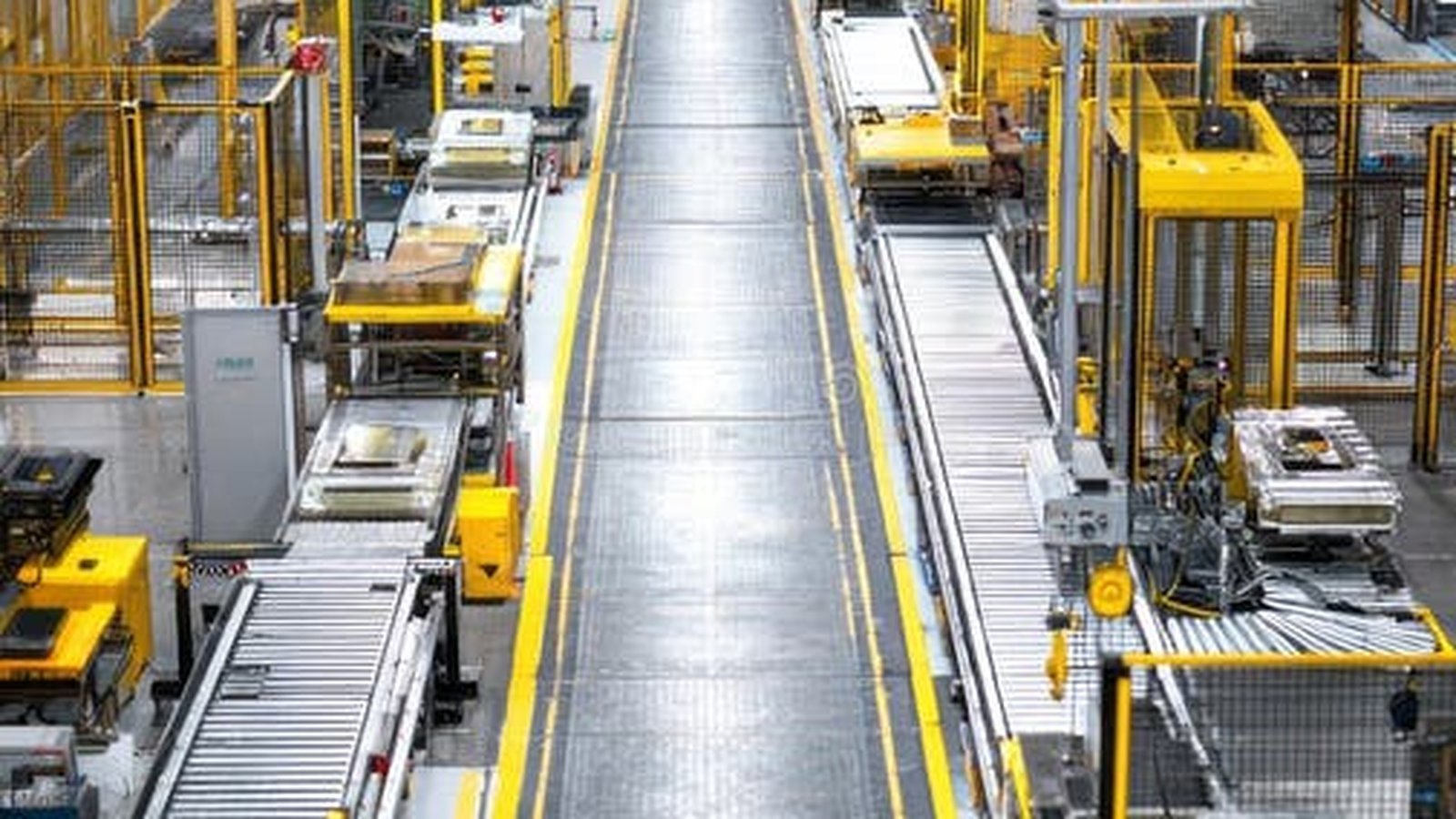
    Automated production line inside a modern battery manufacturing factory

    Lithium-ion batteries are fantastic — until they are treated like ordinary cargo. Because they are classified as dangerous goods, a shipment missing the right test reports, packaging or labeling can be refused by airlines, seized by customs, or fined heavily. Importing batteries (or products containing them) from China requires getting compliance right before the goods leave the factory.

    This guide covers the test that matters most (UN38.3), the 100 Wh and 160 Wh air thresholds, the packaging and documentation rules, and what to demand from your supplier.

    UN38.3: the test your supplier must already have

    UN38.3 is the UN Manual of Tests and Criteria subsection that every lithium cell and battery must pass before transport. It is a sequence of eight tests covering altitude simulation, thermal extremes, vibration, shock, external short circuit, impact/crush, overcharge, and forced discharge.

    You must ask the supplier for the UN38.3 test summary from a recognized lab, tied to the exact cell/battery model you are buying. A generic “we have UN38.3” without a model-matched report is not enough — if the model changes, testing must be repeated. Without it, carriers will not accept the cargo.

    The 100 Wh and 160 Wh thresholds

    Air transport rules hinge on watt-hours (Wh), which must be marked on the battery itself:

    • Up to 100 Wh — batteries and battery packs are accepted under the standard lithium battery rules with approved packing, generally without case-by-case airline approval.
    • Over 100 Wh up to 160 Wh — requires the airline operator’s approval, and strict limits on how many can be shipped; this is the ceiling for spare batteries carried on passenger aircraft.
    • Over 160 Wh — cannot be shipped as ordinary cargo or passenger baggage; they move only as fully regulated dangerous-goods cargo under a shipper’s declaration.

    Wh is calculated as voltage (V) × capacity (Ah). Confirm the marking on the physical cell matches the specification sheet — mismarked or unmarked batteries are a common rejection reason.

    Air, sea and packaging rules

    • Air freight follows the IATA Dangerous Goods Regulations (DGR). Lithium-ion batteries shipped alone are UN3480; batteries packed with, or contained in, equipment are UN3481. (Lithium metal cells are UN3090/UN3091.)
    • Sea freight follows the IMDG Code, with its own packing and segregation requirements.
    • Packaging must be UN specification (UN-marked) strong outer packaging, with each cell protected against short circuit — often in individual pouches or separated trays, inside a UN-approved fiberboard box bearing the UN packaging mark and the lithium battery handling label.

    The documents you need before shipping

    Insist your supplier hands over the complete compliance packet — the forwarder cannot book the cargo without it:

    • UN38.3 test summary, model-matched, from an accredited lab.
    • SDS / MSDS (Safety Data Sheet) for the battery chemistry.
    • Manufacturer business and export qualifications, and the battery specification sheet stating Wh, voltage and capacity.
    • The UN packaging certificate for the outer box, plus the correct lithium battery handling labels and marks applied.

    If the goods are built into a device (power banks, wireless earbuds, appliances), confirm whether they ship as UN3481 “packaged with equipment” or “contained in equipment” — the packaging and approval level differ.

    Cells vs packs, and standalone vs built-in

    Compliance is model-specific, so clarify exactly what you are shipping. Bare cells, finished battery packs, and the same battery built into a device each require their own UN38.3 test summary and their own shipping classification. A pack that combines cells from one maker with a BMS and enclosure from another must be tested as the completed pack — the cell maker’s test does not automatically cover it. If you are importing a finished device with a battery inside (earbuds, power banks, vacuum cleaners), the forwarder still needs the battery’s UN38.3 and SDS on file, even though the device itself is not dangerous goods.

    Why shipments get refused — and how to avoid it

    The most common rejections are entirely avoidable: a battery with no watt-hour marking on it, a UN38.3 report for the wrong model, ordinary cardboard instead of a UN-marked box, missing labels, or a supplier quietly declaring the cargo as “accessories” to dodge dangerous-goods fees. That last one — misdeclaration — is the worst mistake, because it voids insurance and can trigger carrier fines and customs penalties. Book the cargo honestly as lithium dangerous goods, budget the correct (higher) DG handling fees, and choose a forwarder experienced with battery lanes rather than the cheapest quote.

    The bottom line

    Treat lithium batteries as dangerous goods from day one, not as a paperwork surprise at the airline. Require a model-matched UN38.3 report, verify the watt-hour marking against the 100/160 Wh thresholds, use UN-approved packaging, and collect the SDS and shipping documents before the container is booked. Done right, battery shipping from China is routine; done wrong, it is a shipment that never moves.

    Ask Us About Battery Shipping Compliance →

  • Sourcing Plastic Injection Molding from China: Mold, Materials & Quality Guide

    Sourcing Plastic Injection Molding from China: Mold, Materials & Quality Guide

    Industrial plastic injection molding machine in a factory

    Injection molding is the default way to make tens of thousands of identical plastic parts — enclosures, knobs, housings, connectors, toys — and China is the world’s most competitive place to have it done. But buyers new to the process often get burned by vague quotes, surprise mold fees, and parts that warp or flash on arrival.

    This guide explains what actually goes into a mold, how to read a quote, which material to choose, the defects to inspect for, and how the trial-sample process should run.

    The mold: cavities, steel, cost and ownership

    The mold (tool) is the one-time investment that dominates your up-front cost. Three things drive it:

    • Number of cavities. A 1-cavity mold is cheap but slow; a 4- or 8-cavity mold costs more upfront but dramatically cuts the per-part price at high volume. Choose cavities based on your annual volume, not your ego.
    • Tool steel. Prototypes and short runs use softer pre-hardened steels such as P20; high-volume or abrasive materials (glass-filled nylon) call for hardened steels such as H13 or 718, polished or textured as the part requires.
    • Mold cost breakdown. A typical China mold quote covers steel, machining, the injection system (runner/gates), cooling, ejectors, and spares. Simple family molds may start around a few thousand US dollars; complex, multi-action, high-cavitation molds run to tens of thousands.

    Critically, put mold ownership in writing. Because you paid for the tooling, the mold should legally belong to you — engraved with a serial number and named in the contract. Otherwise, switching suppliers later means paying for the mold all over again.

    Choosing the right plastic

    Most commodity parts use one of these:

    • ABS — tough, easily painted and plated, the go-to for enclosures and consumer housings.
    • PP (polypropylene) — flexible, chemical-resistant, low cost; ideal for caps, living hinges and packaging.
    • PC (polycarbonate) — transparent and impact-resistant for clear parts and lenses.
    • POM (acetal/Delrin) — stiff, low-friction, precise gears and moving parts.
    • PA / nylon + glass fiber — strong, heat-resistant engineering parts; note glass fiber can leave visible “glass bead” texture and wear molds faster.

    Tell the factory your end use, required certifications (food contact, UL flammability), and color masterbatch up front — these change both material grade and price.

    How to read an injection-molding quote

    A complete quote should itemize: (1) mold/tooling cost and cavity count; (2) unit price at specific volumes; (3) expected mold life (shots); (4) lead time for the mold and for samples; (5) secondary operations (assembly, printing, ultrasonic welding, packaging); and (6) the material grade and color. A quote that only says “$0.50 per piece” without separating mold cost is hiding something.

    Common defects — and what to inspect

    When samples arrive, check for the three most common problems:

    • Sink marks / shrinkage — small dips where thick sections cool unevenly. They signal poor wall-thickness design or packing pressure.
    • Flash (飞边) — excess plastic squeezing out along the parting line, usually from over-injection or a worn mold seal. It must be trimmed and can indicate process instability.
    • Warpage — the part twisting out of flat after cooling, common in uneven ribs or glass-filled materials. It often requires mold cooling adjustments, not just re-trimming.

    Also watch short shots (incomplete fills), flow lines, discoloration, and ejector-pin marks. Photograph each defect against the approved sample before mass production.

    Tolerances, surface finish and why China is competitive

    Agree dimensional tolerances and surface treatment up front: polished, textured, matte, glossy, painted or pad-printed all change the mold and the per-part price. For tight engineering parts, ask whether the factory can hold the tolerance you need on its press tonnage — a tiny shop with a 90-ton machine cannot accurately mold a large housing. Chinese injection shops are competitive because tooling is machined locally at a fraction of Western rates, and because clustered industrial hubs (the Pearl River and Yangtze River Deltas) offer fast turnaround on secondary operations. But that speed only helps you if the drawing — dimensions, gates, ejector pin positions and material — is locked before steel is cut.

    The trial-sample (T1) process

    Expect an iterative sampling loop: the first trial (T1) produces short-run samples that almost always need fixes. You review T1, list adjustments, and the factory reworks the mold before T2. Allow two or three rounds. Always approve a physical sample in writing before mass production — a signed “gold sample” is your quality reference for the whole order.

    The bottom line

    Great injection-molded parts come from a well-specced mold, the right resin, and a disciplined sample loop. Lock cavity count and steel grade to your volume, separate mold cost from unit price, secure mold ownership in the contract, and inspect for sink, flash and warpage on every trial. Get these right and Chinese injection molding is among the most cost-effective manufacturing choices you can make.

    Request a Free Injection Molding Quote →

  • Spotting a Struggling Chinese Supplier: Warning Signs & Deposit Protection

    Spotting a Struggling Chinese Supplier: Warning Signs & Deposit Protection

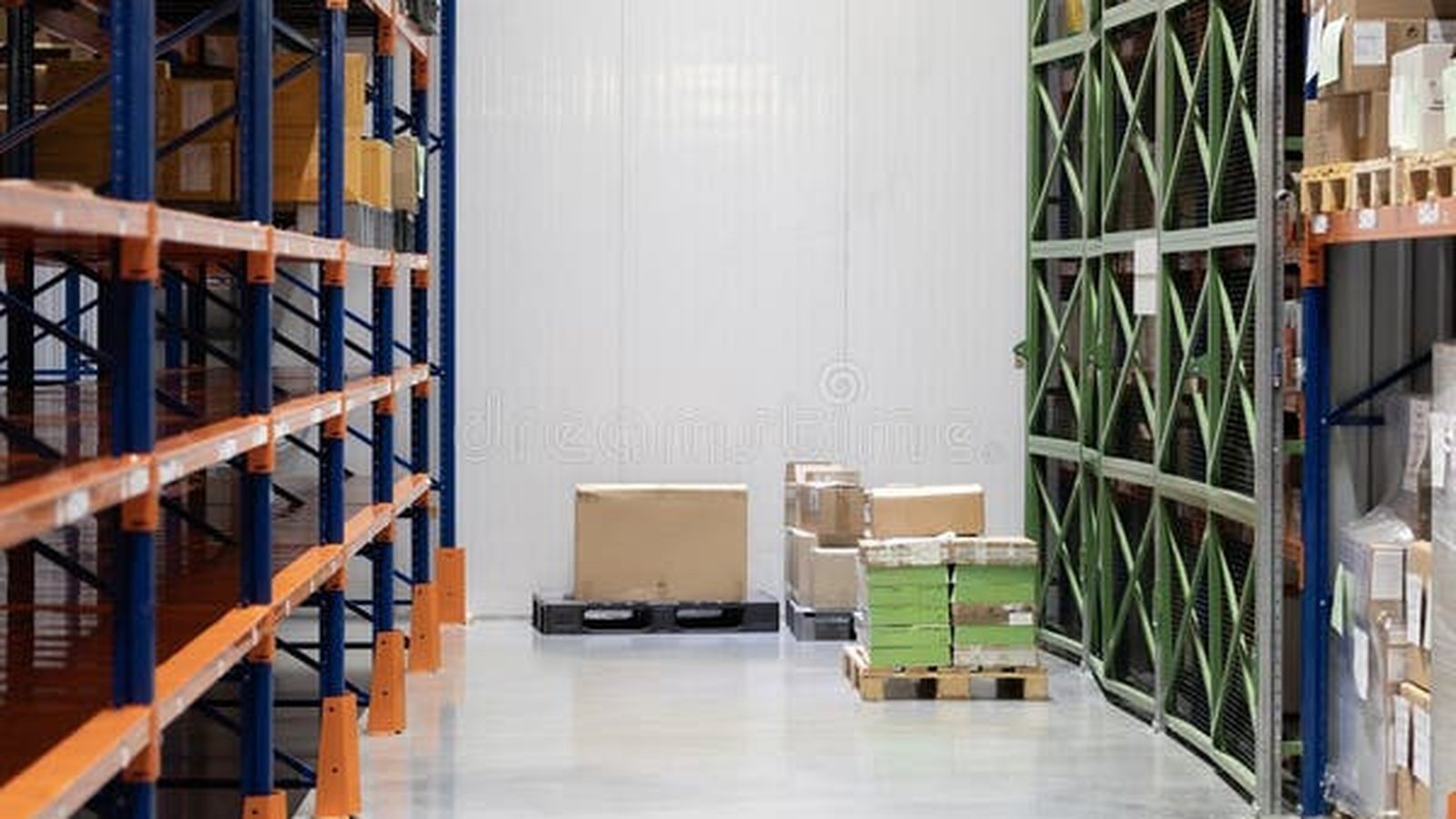
    Wide aisle between tall storage racks in a modern logistics warehouse

    One of the nastiest surprises in China sourcing is not a quality problem — it is a supplier that takes your 30% deposit and then quietly runs out of money. Factories close, bosses disappear, and prepaid tooling and deposits can become very hard to recover. The good news: a failing supplier usually telegraphs it weeks or months before it happens.

    This guide lists the warning signs of financial distress at a Chinese factory, and gives you concrete deposit-protection tools — payment staging, letters of credit, escrow, backup suppliers and contract clauses — so a supplier’s problems never become yours.

    The red flags: signals a supplier is in trouble

    Treat two or more of the following at the same time as a serious warning:

    • Sudden, abnormally low prices. A desperate factory may slash quotes to generate cash flow fast. If a price comes in 20–40% below everyone else with no engineering reason, treat it as distress pricing, not a bargain.
    • Frequent salesperson and manager changes. High staff turnover — especially when your account changes hands repeatedly — often points to unpaid wages and people leaving.
    • Worsening, not one-off, delays. One late order can be a hiccup. Delivery slipping further each order, with thinner explanations, means production is starved of cash or materials.
    • Pressure to pay 100% upfront — or faster. A sudden insistence on full payment before production, or requests to wire earlier than agreed, is a classic cash-cry for help.
    • Requests to pay to a different company or personal account. If the payee on the PI changes — especially to an individual or an unrelated trading company — stop and ask why.
    • Refusal to be audited, or “surprise” inspections. A factory that blocks pre-shipment visits or stalls on a factory audit has something to hide on the floor.
    • Legal, labour or energy warnings. Court filings, worker disputes, or power rationing at the plant are external clues worth checking via business registries and local news.

    Protect your deposit: the payment structure

    The single most effective protection is not a clever contract — it is how you split the money.

    • Staged payments. The market-standard 30% deposit against PI / 70% balance against the copy of the bill of lading (or before dispatch) already limits your at-risk cash. Avoid 100% advance for any order of meaningful value.
    • Letter of Credit (L/C). For larger orders, a confirmed, irrevocable L/C means the supplier only gets paid against compliant shipping documents — your bank controls the release of funds.
    • Escrow / third-party holding. Use an escrow service or a trusted sourcing agent’s account to hold and release payment against milestones (sample approval, mass production start, pre-shipment inspection pass).
    • Milestone-based tooling payments. Pay mold and tooling fees in tranches tied to T1 sample approval — never the full tooling fee before steel is cut.

    Build a backup, not just a supplier

    No protection works as well as redundancy. Even in good times, qualify a second factory for your core products — at least through sampling and a small trial order. If your primary supplier stumbles, you can shift volume without a dead air window. Also keep mold and tooling ownership documented in your name (more on that below) so tools can be moved to a backup shop.

    Contract clauses that actually help

    Put these in your purchase agreement / manufacturing contract:

    • Tooling and mold ownership in writing, with the serial numbers engraved on the tools, so they are legally yours to retrieve or move.
    • Right to audit and inspect at any time, and right to stop payment on evidence of financial distress.
    • Refund or compensation clauses for confirmed delay beyond agreed lead time, and a deposit-recovery mechanism if production cannot be completed.
    • Defined payee locked to the contracting entity, with no changes without written notice.

    Before you pay: cheap due diligence that pays off

    Spotting distress early starts before the first deposit. Check the supplier’s business registration and operating years on Chinese enterprise databases, and compare their reported registered capital and legal representative against the company on your PI. Watch for trading companies posing as factories, and ask for a short video walkthrough or a third-party factory audit — genuine manufacturers welcome it, stressed ones stall. If prices, delivery dates and account details keep shifting after you start talking, that inconsistency itself is data worth taking seriously — slow down the order and ask hard questions before moving money.

    The bottom line

    You cannot prevent a supplier from failing — but you can ensure that when one does, your money, your tooling and your product line survive. Watch the red flags, stage your payments, hold money in escrow or behind an L/C, keep a backup factory warm, and paper your rights in the contract. A deposit that leaves your bank account is at risk until the goods are on a vessel.

    Talk to Us About Supplier Risk Management →

  • Cargo Insurance for Importers from China: All Risks, FPA & How to Buy Cover

    Cargo Insurance for Importers from China: All Risks, FPA & How to Buy Cover

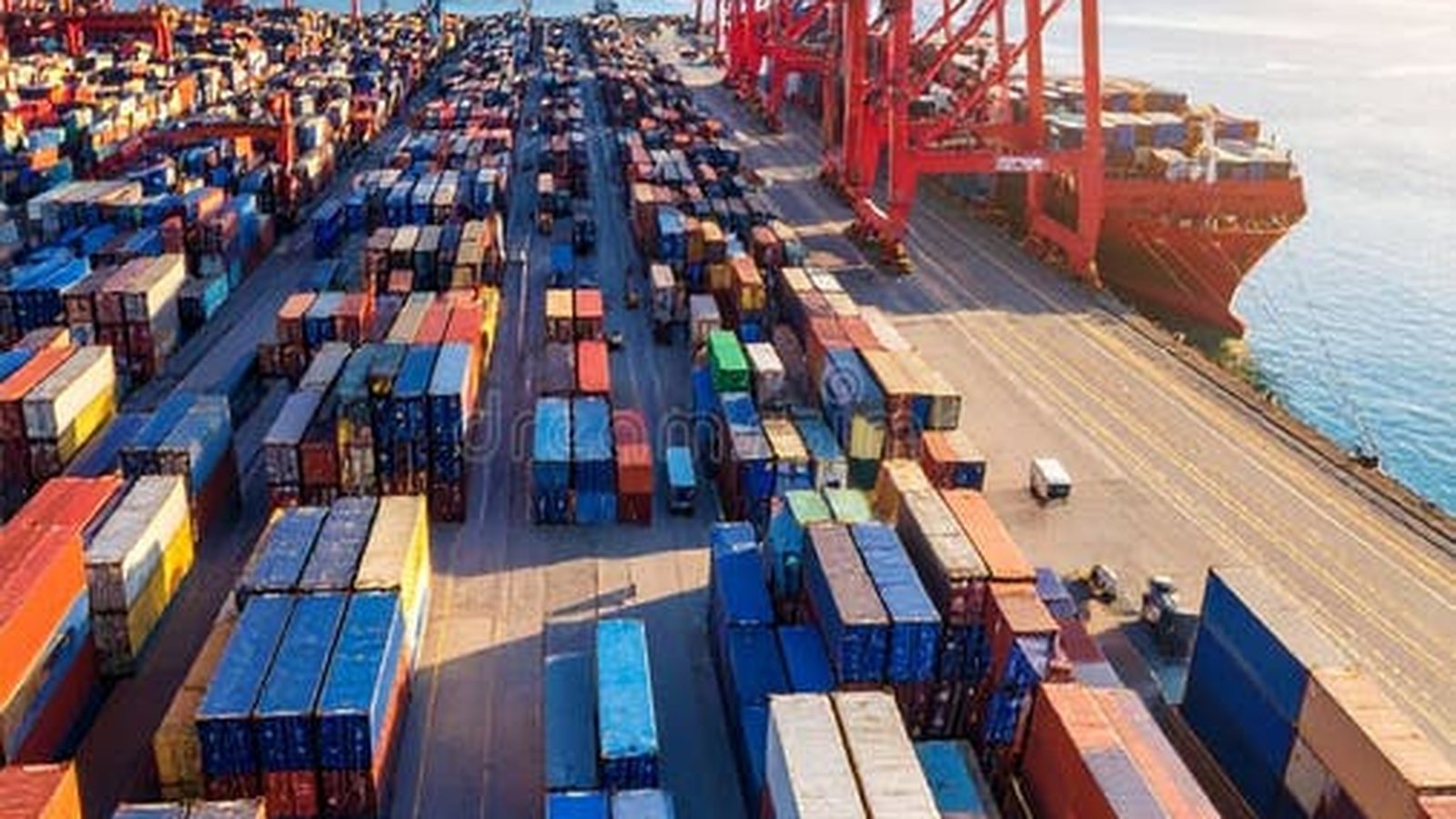
    Aerial view of a busy container terminal with a cargo ship and stacked shipping containers

    One container dropped overboard in a storm. One seawater-damaged electronics shipment. One fire in a warehouse halfway to Rotterdam. For buyers importing from China, a single uninsured loss can wipe out an entire year’s profit on a product line. Yet cargo insurance is the most underrated line item in the landed-cost spreadsheet.

    If you have ever asked “do I really need marine insurance if my supplier ships under CIF?” or “what does All Risks actually cover?”, this guide walks you through the three main cover types, how insured value is calculated, the right moment to place cover, and exactly what to do when a claim happens.

    The three core marine cargo covers: FPA, WPA and All Risks

    Traditional ocean cargo policies are sold in three ascending levels of cover. Understanding the difference is the single most important step in buying the right policy.

    • FPA (Free of Particular Average) — the most basic cover. It pays out on total loss of the cargo, and on major accidents such as the vessel sinking, catching fire, colliding, or stranding. Partial, accidental damage to your bags is generally not covered unless it follows one of those major events. FPA is cheapest but leaves you exposed to the most common mishaps.
    • WPA / WA (With Average / With Particular Average) — sits between FPA and All Risks. It adds partial damage caused by the major perils above (for example, seawater damage during heavy weather). Many policies apply a deductible (“average”) such as 3–5% on the claim.
    • All Risks — the widest cover, corresponding to the modern Institute Cargo Clauses (A). Despite the name, it is not literally “everything”: it covers all accidental physical loss or damage from an external cause (breakage, crushing, water, theft in transit), while excluding inherent vice, delay, ordinary leakage, and unsuitable packaging. For most importers of finished consumer goods, All Risks is the sensible default.

    Air-freighted cargo follows the same logic but is usually insured under an air cargo clause that mirrors All Risks cover for the airborne leg.

    How much should you insure: the 110% rule

    Cargo policies are normally written for 110% of the CIF invoice value — that extra 10% is the standard margin intended to cover your expected profit and incidental costs. The 100% base reimburses the goods and freight; the 10% buffer stops a loss from becoming a double loss on the deal.

    If your goods have risen in market value, or you are shipping under FOB where you have already added inland trucking, duties and handling, you can negotiate a higher insured amount. Just remember: you cannot recover more than your actual insurable interest, and under-insuring means a claim pays out proportionally less.

    When to place cover, and who arranges it

    Place the policy before the cargo ships, ideally the moment the seller confirms the goods are ready. Most policies include a warehouse-to-warehouse clause that protects you from the supplier’s factory warehouse all the way to your nominated destination warehouse — but that protection only exists if the policy is in force before the goods leave.

    Who arranges it depends on your Incoterms:

    • FOB, EXW or FCA: you, the buyer, hold the risk from the loading point. You must arrange your own cargo insurance — do not assume anyone else has.
    • CIF or CIP: the seller is contractually required to buy cover, but it is usually only the minimum (often CIF 110% and basic cover). As the buyer, you should still verify the policy exists, check the named beneficiary, and consider topping it up for All Risks.

    You can buy cover either through your freight forwarder (convenient, usually a small per-shipment fee) or directly from a marine cargo insurer or broker (better rates for frequent shippers, and a master/open policy for recurring lanes).

    How a cargo claim actually works

    If cargo arrives damaged, follow these steps before the haulier leaves your door:

    • Note the damage on the delivery receipt and take dated photos and video of the outer packaging and the goods before signing. A clean signature can weaken a claim.
    • Notify the insurer (or your forwarder) immediately. Most policies require prompt notice, and for serious loss the insurer will appoint a surveyor to inspect the cargo.
    • Preserve the packaging and the goods — the surveyor will want to see how the damage happened.
    • File the claim packet: the original bill of lading, commercial invoice, packing list, insurance certificate, delivery receipt, survey report, and your claim value.

    Act within the inspection window agreed with the carrier, and keep records of any salvage or disposal. Claims are normally settled within a few weeks once the survey is accepted.

    The bottom line

    For the cost of a fraction of a percent of your shipment value, cargo insurance turns an uninsured catastrophe into a reimbursable event. Match the cover level to your cargo (All Risks for finished consumer goods), insure at CIF plus 10%, buy before the vessel sails, and keep a clean claims file. Shipping from China without it is a bet most importers lose only once.

    Get a Free Sourcing Consultation →

  • How to Write an RFQ for Chinese Suppliers: Structure, Fields & Checklist

    How to Write an RFQ for Chinese Suppliers: Structure, Fields & Checklist

    Business people reviewing procurement contract documents during a meeting

    A Request for Quotation (RFQ) is the single most important document you send to a Chinese supplier. A vague RFQ like “send me your best price on wireless earbuds” produces vague, uncomparable quotes from factories of wildly different capability — and the cheapest one is usually the one that gives you quality problems six months later. A structured RFQ, by contrast, filters out suppliers who cannot meet your specs, makes quotes apples-to-apples, and becomes the technical baseline your purchase contract and inspection plan refer to. Here is the structure experienced sourcing teams use.

    The Core RFQ Structure

    Organize your RFQ so any competent factory can reply with the same format. We recommend nine sections.

    • Company and project background: one paragraph on who you are, your market (US, EU, UK), and expected annual volume. This tells the factory whether you are a serious account.
    • Product specification sheet: technical parameters, materials, dimensions, tolerances, weight, colors, performance thresholds. Attach CAD drawings, reference photos, and any samples you can ship.
    • Quantity and MOQ: target order quantity, the minimum you will accept, and price tiers at 1,000 / 5,000 / 10,000 / 50,000 units.
    • Quality requirements: inspection standard (for example AQL 2.5 major / 4.0 minor), functional test requirements, and required certifications (CE, FCC, RoHS, FDA, REACH).
    • Packaging and labeling: retail box dimensions, master carton configuration, barcode format, shipping marks, and required languages.
    • Delivery and logistics: target ready date, requested Incoterms (FOB Shenzhen? EXW? DAP your warehouse?), and destination port.
    • Payment terms: your requested terms, commonly 30% deposit with 70% against the bill of lading copy.
    • Documents required: business license, ISO certificate, test reports, factory audit report, and reference clients.
    • Quotation deadline: a specific date and Beijing time, plus the reply format you expect.

    Fields Most Buyers Forget

    These omissions create cost disputes later. Include them now:

    • Tooling and mold costs — who pays, who owns the steel, and how it is amortized across units.
    • Sample lead time and sample fee, and whether the sample fee is refundable on bulk orders.
    • Price validity — quotes should be fixed for 60–90 days; currency and material prices move.
    • Spare-parts ratio and warranty policy for electronics or mechanical products.
    • Intellectual property: a non-disclosure agreement and a no-copy/no-resale clause.
    • Reply format: ask for a proforma-invoice-style table with unit price, packaging, MOQ, lead time, payment, and validity — all in one line.

    How to Use the RFQ to Screen Suppliers

    Send the identical RFQ to five to eight suppliers. The quote comparison is not just about price; it is a signal of engineering and communication capability. A supplier that ignores half your fields, quotes without asking clarifying questions, or cannot speak to certification requirements is telling you how it will behave after deposit.

    Ask each responder for photos of its production line, a live video walkthrough, and two references of similar export orders. The most complete and precise responders are often mid-sized factories with real export experience, not the cheapest trading company operating from an office.

    Common RFQ Mistakes to Avoid

    • No tolerances. “Aluminum body” tells the factory nothing; “6061-T6 aluminum, 2 mm wall, ±0.1 mm” tells them exactly what to make.
    • Ambiguous Incoterms. “Delivered price” without a named port means you will later argue over inland trucking and origin handling fees.
    • No deadline. Without a date, quotes drift forever and suppliers deprioritize you.
    • Revealing your target price too early. Let them quote first, then negotiate.
    • Ignoring market-specific compliance. A product for the EU needs CE and REACH; for California it may need Prop 65 and FDA food-contact statements.
    • Asking for “best price” without volume. Price is a function of quantity; give volume bands.

    RFQ Must-Have Checklist

    Before you hit send, confirm your RFQ includes: product name and model; detailed spec sheet or CAD; material and finish; quantity and MOQ with tier pricing; quality standard and AQL; required certifications; packaging and labeling; Incoterms and named port; production lead time; payment terms; company qualifications to provide; quotation deadline; and the contact person for follow-up. A complete RFQ usually cuts your supplier shortlist from fifty to three in one round.

    Why a Structured RFQ Saves Real Money

    The hidden cost of a loose RFQ shows up after deposit. When specifications are vague, the factory chooses the cheapest material that still passes a visual check; when packaging is unspecified, goods arrive in plain cartons that damage in transit; when certification is not requested, you discover at customs that the CE test report is for a different product. Each of these problems costs time, rework, or air-freight premiums that dwarf any price difference between suppliers at quote stage.

    A disciplined RFQ process also speeds up negotiation. When every quote uses the same structure, you can compare unit price, tooling fee, sample cost, lead time, and payment terms side by side in ten minutes rather than a week of email back-and-forth. Treat the RFQ as the first round of qualification, not just a price request. Suppliers that respond with precision, ask smart technical questions, and flag compliance issues early are the same suppliers you will want managing your production six months later.

    Request a Free RFQ Template & Supplier Shortlist →

  • China-Europe Rail Freight: Routes, Transit Time, Cost & Booking Guide

    China-Europe Rail Freight: Routes, Transit Time, Cost & Booking Guide

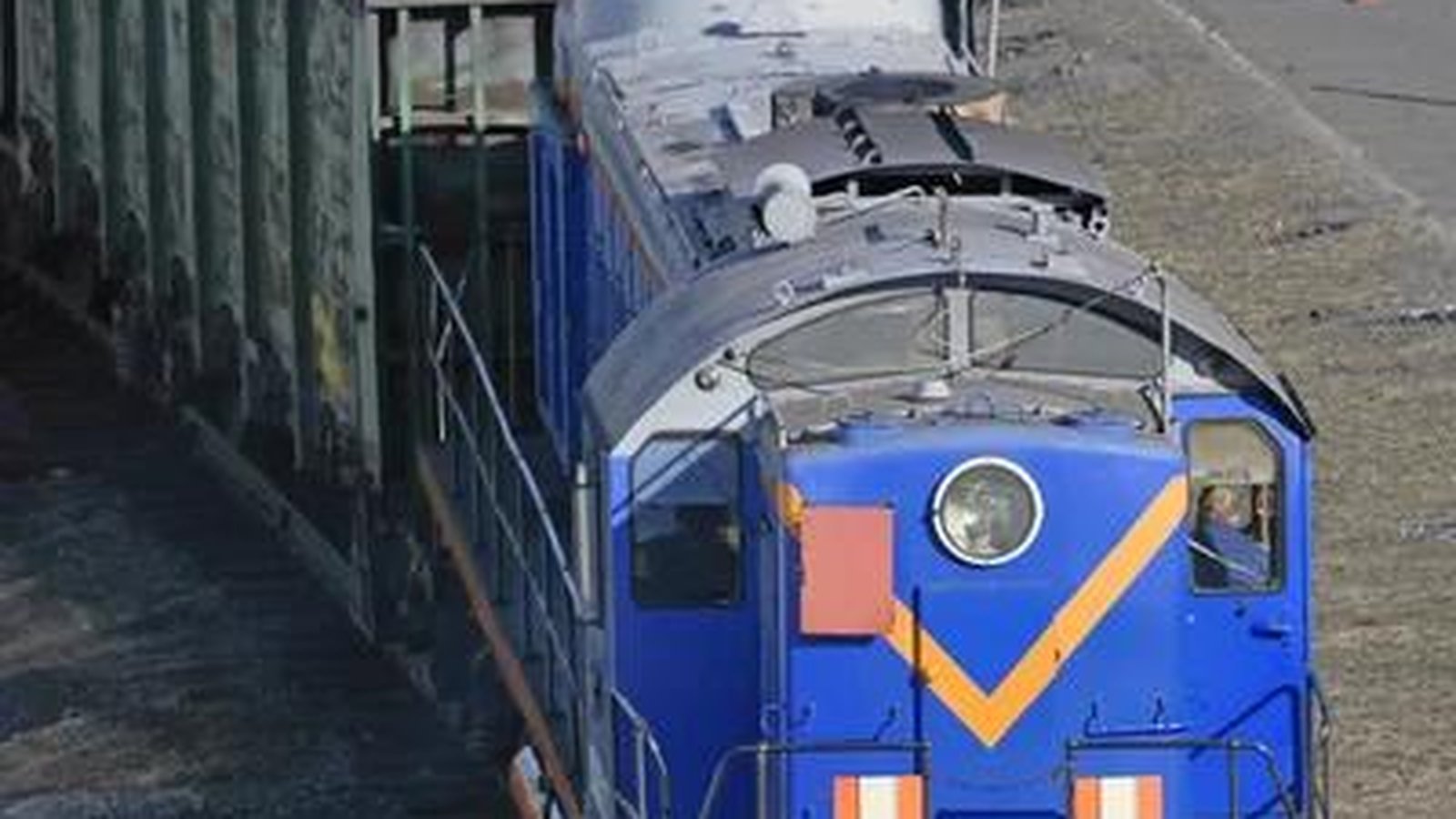
    Diesel freight locomotive hauling cargo wagons at a railway terminal

    When ocean freight is too slow and air freight is too expensive, China-Europe rail has become the default middle path for importers in Germany, Poland, the UK, and beyond. A block train carrying 40-foot containers takes roughly 16–20 days from central China to Duisburg — about half the ocean transit time, and typically a third to half the cost of air freight. After Red Sea disruptions diverted hundreds of container ships around the Cape of Good Hope, rail volumes surged. Here is how the service works, which routes exist, and what to book.

    How Fast, and How Much

    Terminal-to-terminal transit is roughly 14–20 days to Central Europe. Published operator schedules give a useful benchmark: Xi’an to Duisburg about 16 days, and Yiwu to Duisburg about 16–18 days. Adding domestic China pickup, export customs, European import clearance, and last-mile delivery brings the typical door-to-door total to about 22–26 days.

    On cost, rail is typically about 1.5–2.5 times ocean freight per container, but 50–70% cheaper than air. For comparison, ocean from China to North Europe usually takes 30–40 days, while door-to-door air takes 5–8 days but can cost 5–10 times rail. For time-sensitive, non-perishable cargo that is too heavy or volumetric for air, rail is the sweet spot.

    The Named Routes You Will Hear About

    • Yuxinou (Chongqing → Duisburg): the pioneering China-Europe block-train service, launched in 2011; it serves Chongqing and western Sichuan electronics and auto-parts cargo.
    • Rong’ou (Chengdu → Europe): Chengdu’s extensive network with services to Poland, Germany, and the Netherlands.
    • Xin’ou (Yiwu → Madrid): one of the longest scheduled rail routes in the world, carrying small-commodities and consumer goods from Zhejiang; transit to Madrid runs about 20 days or more.

    Xi’an, Wuhan, Zhengzhou, and Suzhou also operate regular services. Geographically, trains exit China through the Alashankou or Khorgos border crossings into Kazakhstan, then cross Russia, Belarus, and Poland before reaching Germany and beyond. A gauge change from Russian broad gauge to European standard gauge occurs at the Belarus–Poland border, which adds a transshipment step.

    What Rail Is Best (and Not Best) For

    Rail fits medium-weight consumer goods, electronics, auto parts, industrial components, e-commerce replenishment, and furniture — cargo that is too heavy for air but too time-sensitive for sea. It is also strategically resilient to ocean-port congestion and Red Sea diversions, making it a valuable diversification for any Europe-bound supply chain.

    It is less suitable for very low-value bulk cargo, where ocean still wins on cost; urgent express parcels, where air or courier wins on speed; hazardous goods with cross-border rail restrictions; and temperature-sensitive cargo without reefer containers.

    Limits and Practical Notes

    • Frequency: most lanes run 3–7 trains per week; book 2–4 weeks ahead in peak season, especially September–November.
    • Minimum: LCL is available but at a higher rate per CBM than ocean; a full 40-foot container is most cost-efficient.
    • Packaging: rail vibration and gauge-change transshipment are harder on cargo than ocean stowage, so packaging must be robust.
    • Dimensions: per-wagon height and weight limits apply; over-height or over-width cargo needs special handling and pre-approval.
    • Insurance: rail cross-border is generally reliable, but purchase full cargo insurance and clarify liability under the rail waybill.

    Booking Process at a Glance

    1. Confirm cargo details: HS code, weight, volume, value, and dangerous-goods status.
    2. Request terminal-to-door quotes from two or three rail forwarders and compare total all-in pricing.
    3. Book 7–21 days before departure; provide commercial invoice, packing list, and export license.
    4. Truck cargo to the departure consolidation station for loading and container sealing.
    5. Track the train by waybill number across the border crossings.
    6. Complete destination customs clearance and arrange last-mile delivery.

    When Rail Beats Ocean (and When It Does Not)

    Rail wins on two fronts: speed and reliability. For a replenishment cycle that would take six weeks by sea, rail cuts it to about three, which means you can hold roughly half the safety stock in your European warehouse and reduce working capital. It is also unaffected by Suez Canal or Red Sea reroutes, port labor disputes on the US West Coast, and typhoon season closures in southern China — all events that have disrupted ocean schedules repeatedly since 2021.

    Rail does not win on pure cost for heavy, low-value cargo such as furniture, building materials, or bulk packaging, where ocean rates remain far cheaper. It also does not match air for a critical last-minute top-up of 100 kg, where express courier arrives in days. The decision matrix is simple: if your cargo is above roughly 200 kg and above two cubic meters, and you want it in Europe in under four weeks rather than six, rail is usually the best economic balance. Many importers now run a dual strategy — ocean for the bulk of seasonal volume, rail for mid-cycle top-ups and new-product launches where speed to market matters.

    Get a China-Europe Rail Freight Quote →

  • China Major Ports Compared: Shanghai vs Ningbo, Shenzhen & Qingdao for Export

    China Major Ports Compared: Shanghai vs Ningbo, Shenzhen & Qingdao for Export

    Aerial view of a busy container terminal with gantry cranes and a cargo ship

    “FOB Shanghai” sounds like a neutral term on a quote, but your choice of export port in China changes inland trucking cost, ocean freight rate, customs speed, and even which vessels you can catch. China’s top container ports — Shanghai, Ningbo-Zhoushan, Shenzhen, and Qingdao — each serve a different manufacturing belt, carry different route networks, and price FOB terms differently. Here is how they compare and how to choose.

    The Numbers: 2024 Container Throughput

    According to published 2024 port statistics:

    • Shanghai: about 51.5 million TEU — the busiest container port in the world.
    • Ningbo-Zhoushan: about 39.3 million TEU — third globally.
    • Shenzhen: about 33.4 million TEU, spread across Yantian, Shekou, and Chiwan terminals.
    • Qingdao: about 30.9 million TEU.

    These four ports alone handle more container volume than many entire continents. For a buyer, that means frequent sailings, competitive rates, and mature customs procedures — but also congestion and hidden inland-trucking differences.

    Shanghai (Yangshan and Waigaoqiao)

    Shanghai’s hinterland is the Yangtze River Delta: Jiangsu, Zhejiang, and Anhui. It is the natural exit for electronics, textiles, automobiles, and machinery clustered around Suzhou, Kunshan, and Hangzhou. Its route network is unmatched globally, with the widest choice of direct services to the US East and West Coasts and to Northern Europe, and frequent weekly sailings.

    Customs is highly digitalized and fast. The tradeoff is that the deep-water Yangshan phase is on an artificial island roughly 30 km from the mainland, adding trucking time and cost for deliveries from inland Jiangsu. Shanghai is the default for high-volume, globally routed cargo.

    Ningbo-Zhoushan

    About 200 km south of Shanghai, Ningbo-Zhoushan is a natural deep-water harbor serving southern Zhejiang and inland Jiangxi. It is especially strong for Asia-Europe and trans-Pacific services, often with slightly lower base rates than Shanghai while still offering frequent weekly sailings. Customs is efficient and congestion is materially lighter.

    For Yiwu commodity goods, plastic products, and auto parts, Ningbo is often a cost-effective alternative to Shanghai when your factory sits closer to Zhejiang. Many shippers deliberately split volume between Shanghai and Ningbo to avoid single-port congestion risk.

    Shenzhen (Yantian, Shekou, Chiwan)

    Shenzhen’s hinterland is the Pearl River Delta — Guangdong manufacturing: consumer electronics, toys, furniture, garments, and LED products. Its route network is dominant on the Asia-to-US West Coast lane, and a large share of Amazon FBA cargo from South China moves through Yantian. Cross-border e-commerce customs procedures are among the most mature in China.

    Practically, Yantian handles large containers on deep-water services, while Shekou and Chiwan are convenient for smaller lots and LCL consolidation. Any factory in Dongguan, Guangzhou, or Foshan should compare FOB Shenzhen first, because inland trucking is shortest.

    Qingdao

    Qingdao is northern China’s main export gateway, serving Shandong, Henan, and the north. Its cargo mix is heavier on chemicals, rubber, industrial machinery, automotive parts, and seafood. Routes to Korea and Japan are short and frequent, with solid services to the US West Coast and Europe.

    For a Shandong or northern-China factory, trucking to Shanghai can cost more per container than the ocean leg itself. Qingdao saves that inland cost and offers experienced inspection resources for industrial and chemical goods.

    How FOB Price and Port Choice Interact

    The hidden variable is inland trucking. A Dongguan factory quoted FOB Shanghai may quietly add 1,500–3,000 RMB per 40-foot container of trucking versus FOB Shenzhen. Ask for both an ex-factory price and an FOB price at the nearest main port, then compare total landed cost rather than the unit FOB number.

    • Check direct sailings: a port with weekly direct cut-sailings saves 3–7 days versus a transshipment.
    • For LCL e-commerce cargo, consolidation warehouses in Shenzhen and Shanghai are the most developed.
    • Build redundancy: if your key supplier sits near Shenzhen, keep a secondary routing via Guangzhou to hedge Yantian strikes or typhoon closures.
    • Match port to cargo type: dangerous goods, reefer cargo, and oversized pieces have terminal restrictions that differ across ports.

    Which Port to Choose by Industry

    As a practical shortcut, match your factory location and cargo type to the natural port rather than defaulting to Shanghai. If your factory is in Guangdong — Shenzhen, Dongguan, Guangzhou, Foshan — FOB Shenzhen is almost always the cheapest and fastest choice, with the densest US West Coast service. If your factory is in Zhejiang or southern Jiangsu, choose between Shanghai for maximum routing flexibility and Ningbo for lower rates and less congestion. If your factory sits in Shandong or northern China, Qingdao saves you 1,000+ km of inland trucking.

    For LCL and e-commerce consolidation, Shenzhen and Shanghai have the most developed forwarder networks, daily LCL cut-offs, and Amazon FBA trucking programs. For dangerous goods and reefer cargo, confirm terminal acceptance before you book — not every terminal in every port handles every DG class, and a refusal at the gate can cost a week of delay. When in doubt, ask your forwarder to quote ex-factory door-to-door through two different ports and compare the landed total.

    Compare Export Ports & Get Landed-Cost Advice →

  • Lead Time Management for China Orders: Realistic Timelines & Buffer Planning

    Lead Time Management for China Orders: Realistic Timelines & Buffer Planning

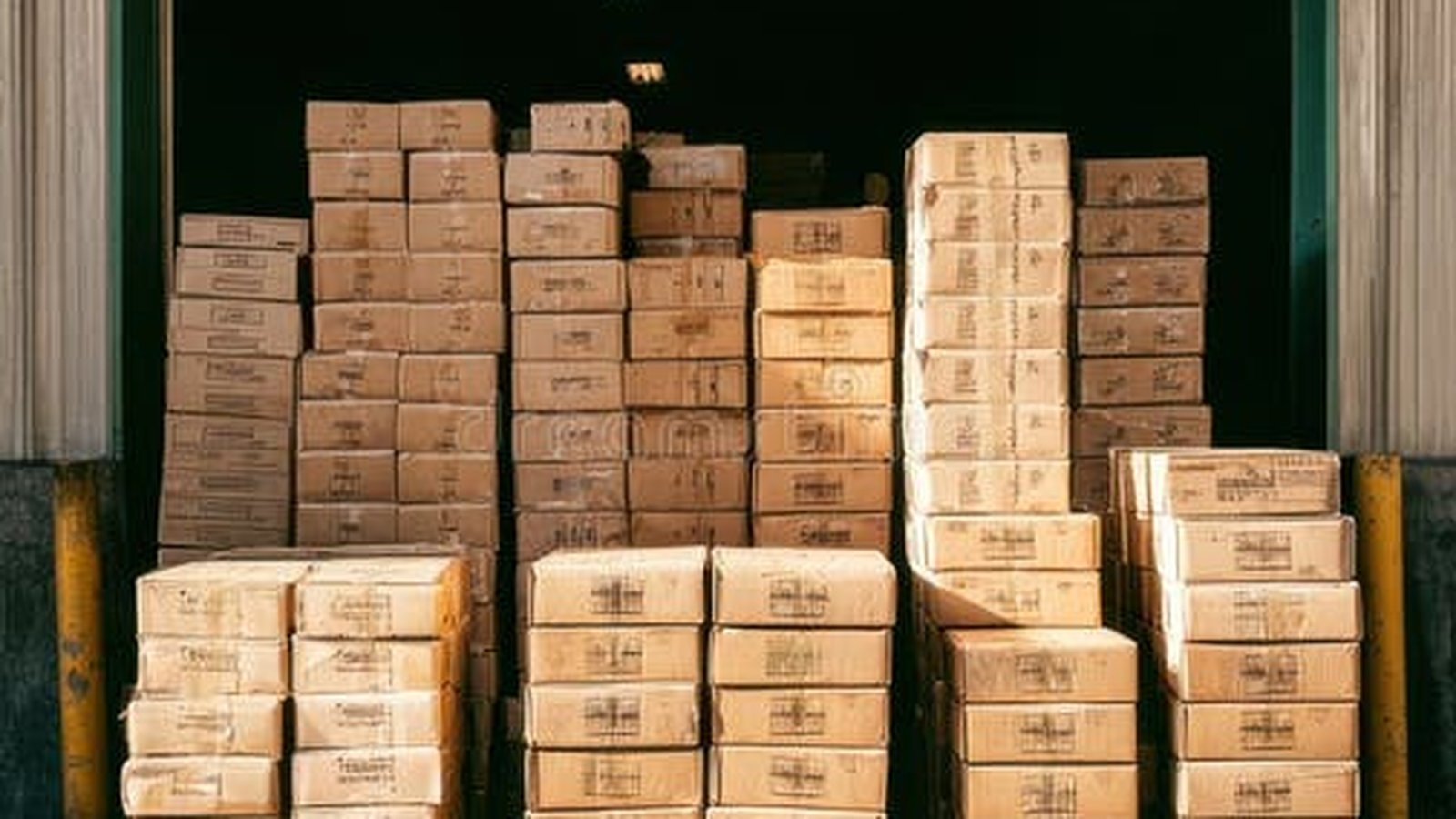
    Cardboard boxes stacked on pallets at a warehouse loading dock

    “How long will production take?” is the question every importer asks, and the answer from a Chinese supplier is usually “about 30 days” — which almost never means 30 days from today to delivery at your warehouse. Lead time from China is a chain: material, production, inspection, booking, export customs, ocean transit, import clearance, and last-mile delivery. If you plan against the factory’s number instead of the real chain, your launch slips, you stock out, and you beg for air freight at five times the ocean cost. Here is how to build a realistic timeline.

    The Real Lead-Time Chain

    A typical export order breaks into stages. Treat each one as a separate line item when you negotiate with a supplier.

    • Material sourcing: 7–20 days, depending on whether components are off-the-shelf or custom-tooled.
    • Mass production: 15–45 days, depending on complexity and the factory’s current queue.
    • In-process and final inspection: 2–5 days; a third-party inspection adds 1–3 days for scheduling.
    • Export customs declaration and port pickup: 2–4 days.
    • Ocean freight: 14–20 days to the US West Coast; 28–35 days to the US East Coast via Panama; 28–35 days to North European ports.
    • Destination clearance and last-mile delivery: 5–10 days.

    So a “30-day production” order typically reaches your door 55–80 days after deposit — not 30.

    Typical Intervals by Product Category

    Use these ranges as sanity checks against any supplier estimate:

    • Simple consumer goods (apparel, basic plastic items, printed merchandise): production 15–25 days.
    • Electronics with PCBA and tooling: 30–50 days; new mold tooling adds another 20–35 days.
    • Furniture and heavy goods: 30–60 days.
    • Certified or medical-adjacent products: 45–90 days, including validation and documentation.

    Always ask the supplier to break its lead time into these stages on a chart. A factory that gives one round number and nothing else is either inexperienced or hiding queue pressure.

    The Chinese New Year Factor

    The Spring Festival is the single biggest lead-time event of the year. In 2027, Chinese New Year falls on February 6. Although the official holiday is roughly eight days, the practical shutdown spans about four to six weeks: output declines from mid-January as migrant workers leave early, factories stay closed through the first half of February, and full capacity only returns in late February. National Day in early October and the back-to-school peak in August also tighten capacity and raise freight rates.

    Planning rule: if you need stock on shelf by mid-March, your ocean container should depart from China before mid-January; otherwise plan to receive after mid-March. Never place a first-time order with a new factory in December — you will hit both the shutdown and an unproven supplier.

    Contract Clauses and Follow-Up Rhythm

    Verbal lead-time promises are worthless. Write the timeline into the contract as “days from deposit receipt and confirmed artwork/sample,” not “approximately.” Add a liquidated-damages clause for late delivery, commonly 0.5–1% of order value per week of delay, capped at 5–10%.

    Then track weekly: production percentage complete, photos from the line, and the QC report. Confirm the official production start date before you release deposit; if the factory is overbooked, negotiate either a later ready date or a written capacity slot. Suppliers that go silent after deposit are the ones that miss it.

    Safety Buffer and Planning Rules of Thumb

    • Add 20–30% buffer to the factory’s quoted production time.
    • For peak season or around Chinese New Year, add an extra 4–6 weeks.
    • Place reorders before you run out — use a reorder-point formula, not a calendar.
    • For time-sensitive SKUs, split shipments: a small air or rail top-up covers demand while the main ocean lot arrives.
    • Build a simple Gantt chart with stage milestones and share it with the supplier. This one step reduces missed deadlines dramatically, because it makes delays visible early.

    Sample Lead Time vs Bulk Lead Time

    Do not confuse sample lead time with bulk lead time. A factory can often ship a pre-production sample in 5–10 days from existing tooling, but mass production after deposit is a different operation: it requires raw-material batch procurement, line scheduling, fixture setup, and quality validation across hundreds or thousands of units. A sample approved in two weeks does not mean the bulk order will take two weeks; always ask for the bulk lead time separately, in writing.

    Also distinguish between first-order and repeat-order lead times. A new product order includes tooling, sampling, and first-article inspection, which can add 20–40 days. A repeat order of an approved product, by contrast, often ships in 15–25 days because materials, molds, and production parameters are already set. Plan your launch timeline around the first order, and build your reorder rhythm around the repeat-order cycle.

    Finally, build lead-time assumptions into your cash-flow plan. A supplier that quotes 30 days but actually delivers in 55 days means your deposit is tied up for an extra month; over a year of repeat orders, that working-capital cost is real and should be compared when you evaluate competing factories.

    Talk to a China Scheduling & Logistics Expert →

  • Hardware Tools Sourcing from China: Categories, Certification and OEM Guide

    Hardware Tools Sourcing from China: Categories, Certification and OEM Guide

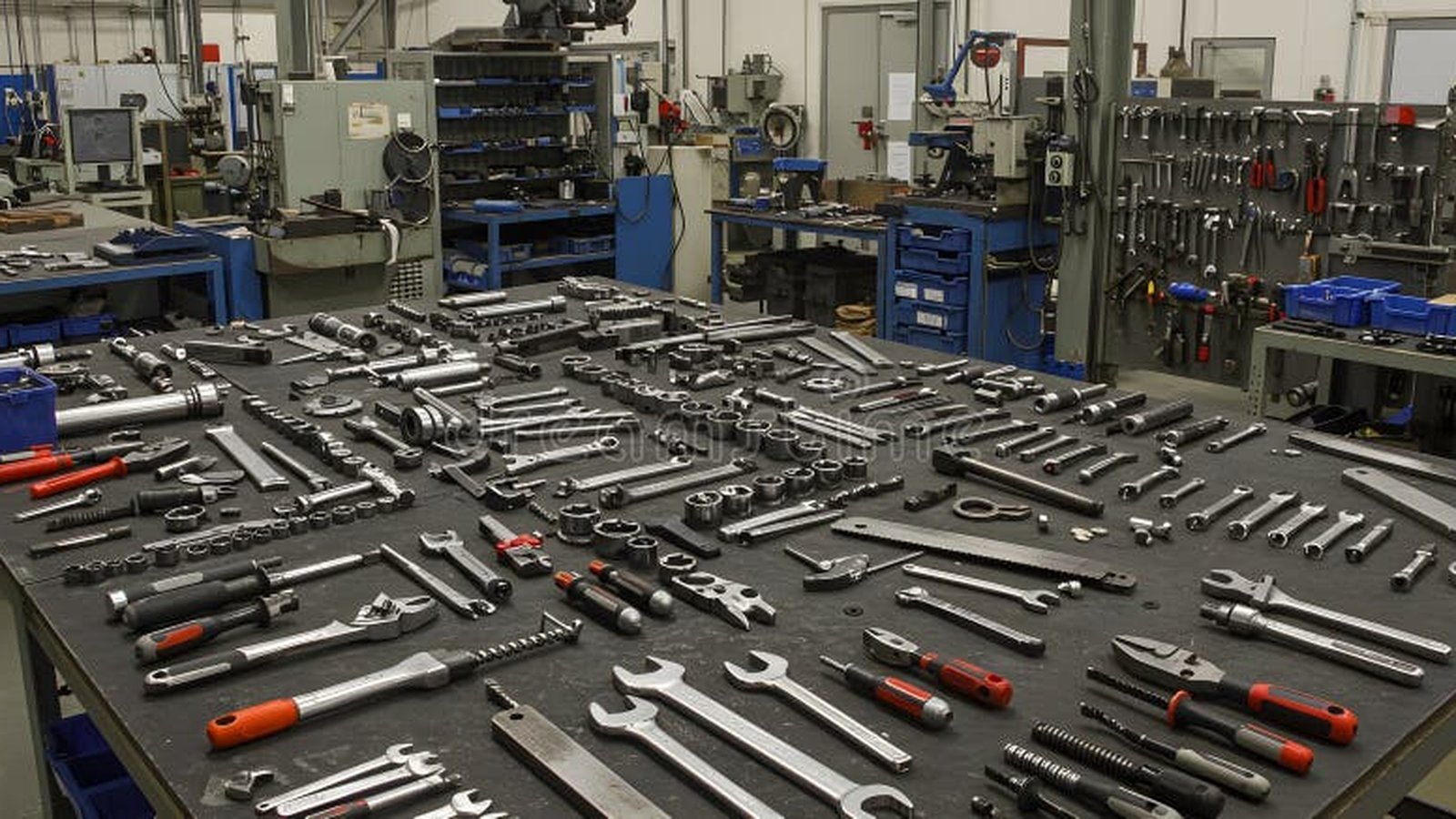
    Hand tools neatly arranged on a workbench in a hardware workshop

    China supplies the majority of the world’s hand tools, power tools, fasteners, and locks. Yiwu, Yongkang, and Danyang are the classic hubs; Shenzhen and Dongguan dominate power tool OEM. The opportunity is obvious—a ratchet wrench that retails in the US for USD 25 can be sourced FOB for USD 3–5. But tools are safety-related products: a snapped screwdriver, a mis-rated bolt, or a lock that fails on a customer’s front door generates liability, not just returns. This guide covers what to source, how to certify it, and how to run private-label OEM correctly.

    1. Product Categories and Where They Are Made

    • Hand tools. Wrenches, sockets, screwdrivers, pliers, hammers, tape measures. Yongkang and Jinhua (Zhejiang) are the global cluster. Most are chrome vanadium (Cr-V) steel, heat-treated.
    • Power tools. Drills, angle grinders, impact drivers, sanders. Dongguan and Suzhou host OEM factories for Bosch, Makita, and Milwaukee-style clones. Battery platforms (18V/20V Li-ion) are the dominant export format.
    • Fasteners. Bolts, nuts, screws, anchors. Hebei (Yongnian) and Zhejiang. Material grades (4.8, 8.8, 10.9, A2/A4 stainless) must be specified by property class, not just appearance.
    • Locks and door hardware. Cylinder locks, smart locks, padlocks. Wenzhou and Guangdong. Smart locks require battery, RF, and often Bluetooth/Wi-Fi certification.

    2. Materials and Heat Treatment: Why Grade Matters

    Cheap tools fail because of cheap steel. For hand tools the accepted alloy is chromium-vanadium (Cr-V, e.g. 50CrV4); impact tools such as sockets and breaker bars often use chromium-molybdenum (Cr-Mo). Ask the factory:

    • For a material certificate (EN 10204 3.1) showing alloy composition.
    • For a hardness test report—wrenches typically 38–48 HRC; screwdriver tips harder but not brittle.
    • For a torque / proof-load test—a ratchet wrench should not deform at 1.5× its rated torque, and sockets should not crack.

    For fasteners, specify property class on the PO (e.g. “Grade 8.8 hex bolt, zinc-plated, ISO 4014”). A “similar” bolt that is actually Grade 4.8 under load is a safety hazard.

    3. Certification: Which Marks Are Mandatory

    • CE marking. Mandatory for power tools sold in the EU, covering the EMC Directive, Low Voltage Directive, and (from 2024) the new Ecodesign / Battery regulation. It is self-declaration based on EN test reports—ask for the actual EN 60745 / EN 62841 test report.
    • GS mark (Geprüfte Sicherheit). Voluntary but highly valued in Germany and Northern Europe. Issued by a third party such as TÜV or Intertek. If you sell to German DIY retailers (Obi, Hornbach), expect GS to be required.
    • UL / ETL. For power tools and chargers sold in the US. UL standards for portable electric tools include UL 60745 and UL 62841; battery packs need UL 2056 / UL 2743.
    • ANSI / ASME. Hand tools are commonly tested to ANSI/ASME B107 series (drives, wrenches, sockets). If you sell to North American industrial users, ask for an ANSI B107 torque test report.
    • RoHS and REACH. Restricts lead, cadmium, phthalates, and certain plasticizers in handles and grips—mandatory for EU sales.
    • FCC Part 15. For power-tool battery chargers and smart locks with wireless modules sold in the US.

    4. Quality Control: Dimensions, Hardness, and Torque

    A professional pre-shipment inspection for tools should include:

    • Dimensional check—socket sizes match their marking (a 10mm socket must actually be 10mm), wrench opening tolerance, thread fit.
    • Hardness test—with a portable Rockwell or Vickers tester on a sample of units.
    • Torque / proof-load test—at the factory or a lab, run on a sample of wrenches and sockets at rated and 1.5× rated torque.
    • Salt spray test—zinc-plated tools should survive 24–48 hours neutral salt spray without red rust.
    • Function test—ratchet engagement, screwdriver tip fit, plier jaw alignment, power tool no-load run and load test, battery charge/discharge cycles.
    • Labeling—country of origin, CE/UL logos, rated voltage/wattage, model number matching the user manual.

    5. OEM / ODM Private Label and Packaging

    Most Chinese tool factories welcome private-label orders with low MOQs:

    • Hand tool sets: MOQ 500–1,000 sets for a custom color and logo; 2,000–3,000 for custom plastic case molding.
    • Power tools: MOQ 500–1,000 pcs for color/label customization; custom mold (handle shape, battery housing) usually 3,000+ pcs plus mold fee.
    • Fasteners: MOQ is usually 1–3 tons per size for custom packaging.

    Do not overlook the color box. In hardware, packaging is 50% of the perceived value. A 5-color offset-printed full-color box with a hanging hole costs USD 0.6–1.5 per unit and is the difference between a USD 3 tool that sells for USD 15 and one that sells for USD 6. Ask the factory to send a physical box proof before mass printing, and verify that the English copy, barcode, and regulatory marks (CE/UL/ANSI) are typeset correctly—broken English on a retail box is an instant turn-off.

    6. A Practical First-Order Playbook

    • Choose 2–3 factories in the relevant hub; request samples and a full spec sheet including steel grade and test reports.
    • Order a paid sample, run (or have a lab run) torque and hardness tests against the published ANSI/EN standard.
    • Confirm CE/GS/UL/ANSI certificates with report numbers; verify on the issuing lab’s database.
    • Approve the color box proof in writing.
    • Run a pre-shipment inspection (AQL 2.5) before the container leaves.

    Get a Free Sourcing Consultation →

  • Furniture Sourcing from China: Materials, Compliance, QC and Shipping Guide

    Furniture Sourcing from China: Materials, Compliance, QC and Shipping Guide

    Sofa production floor in a Chinese furniture factory

    Furniture is a high-ticket, high-weight, high-complaint category. Sourcing from China can cut your landed cost by 40–60% compared with domestic manufacturing, but a single container of sofas or bedroom sets that arrives misaligned, smelling of formaldehyde, or missing hardware can erase a whole season’s margin. This guide covers materials, the specific compliance rules the US and EU enforce, the QC points that prevent returns, and how to handle the logistics of bulky goods.

    1. Materials: What You Are Actually Buying

    • Solid wood. Oak, ash, beech, walnut, pine. Most durable but heaviest and most prone to moisture movement. Chinese factories use poplar and rubberwood extensively as budget solid-wood options.
    • Engineered wood (composite). MDF, particleboard, plywood, and OSB. Used for flat-pack, cabinet carcasses, and upholstered furniture frames. This is where formaldehyde rules bite.
    • Metal. Steel tubing for beds, dining chairs, and outdoor furniture; aluminum for lightweight patio items. Check wall thickness and powder-coating quality.
    • Rattan / wicker. Natural rattan is moisture-sensitive and expensive; PE synthetic rattan is the standard export product for outdoor furniture.

    2. The US Formaldehyde Rules You Cannot Ignore

    If your product contains composite wood—MDF, particleboard, hardwood plywood, or laminated products—you are regulated under EPA TSCA Title VI, which aligns with California’s CARB Phase 2. The emission limits are:

    • Hardwood plywood: 0.05 ppm formaldehyde
    • Particleboard: 0.09 ppm formaldehyde
    • Medium-density fiberboard (MDF): 0.11 ppm
    • Thin MDF (≤8 mm): 0.13 ppm

    As the importer, you must buy from a CARB-compliant / TSCA-compliant mill (called a “Panel Product Manufacturer”), keep records for 3 years, and ensure the finished product carries the correct labeling. Ask your furniture factory for the mill’s CARB / TSCA certificate and a coating/lamination compliance letter—do not accept a generic “low formaldehyde” claim.

    3.5 Wood Moisture Content and Climate Adjustment

    Solid wood moves. A Chinese factory operating in a humid southern province will ship furniture at 12–14% moisture content; if your customers in Arizona or Germany live at 8–10% ambient moisture, the wood will shrink, joints will open, and tabletops will crack within a season. Ask the factory to kiln-dry solid wood to 8–10% moisture content for export to dry climates, and to allow for expansion gaps in tabletop panels and drawer bottoms. This is a small spec change that eliminates a huge category of after-sales complaints.

    3. Other Compliance: California Prop 65 and EU REACH

    • California Prop 65. If your product contains listed chemicals—commonly lead in hardware, phthalates in PVC, certain flame retardants in foam, or formaldehyde—a clear Prop 65 warning label may be required. Budget this into packaging; a missing label is a favorite target for US law-firm enforcement actions.
    • EU REACH. Substances of Very High Concern (SVHCs) above 0.1% trigger notification. For furniture the usual suspects are certain flame retardants, chromate in metal fasteners, and azo dyes in leather/textile. Require a REACH SVHC disclosure.
    • Flame retardancy for upholstery. US mattresses need CFR 1632/1633; some states have additional rules. Foam should carry a CertiPUR-US or equivalent certificate if you market it as such.

    4. Quality Control: The Four Failure Points

    Most furniture claims fall into four buckets. Build each into your inspection checklist:

    • Structure. Joint strength (dovetail, dowel, mortise-and-tenon), frame racking test, weight loading for chairs and beds, stability test (no tip-over).
    • Hardware. Hinges, drawer slides, caster wheels, and recliner mechanisms should be brand-name (Blum, Hettich, DTC) or carry a 50,000-cycle test report. Missing hardware is the #1 Amazon return reason for furniture.
    • Finish / paint. Check for orange peel, runs, color mismatch between parts, and edge chipping. For upholstery, inspect stitch density, fabric pilling, and foam density (ask for 28–35 kg/m³ density for seat cushions).
    • Formaldehyde and odor. A fresh-from-the-factory smell that does not air out in 72 hours usually indicates a resin or coating problem—send a sample to a lab.

    5. Sample-to-Bulk Consistency

    Furniture is made by hand, not by robot. The sample you approved can look very different from bulk if the factory switches wood batch, fabric roll, or coating supplier. Mitigate this by:

    • Photographing and dimensioning the sample; sign it off and keep it on file.
    • Requiring the factory to send a “pre-production sample” (a pilot run of 1–3 units) before bulk.
    • Using a third-party inspector to compare bulk units against the approved sample at random.

    6. Packaging and Container Loading

    Furniture logistics are where margins are won or lost:

    • Flat-pack vs fully assembled. Flat-pack saves freight (often 3–5× more units per container) but increases assembly-related returns. Decide based on your brand and customer base.
    • KD (knock-down) vs RTA (ready-to-assemble). Good factories will design packaging so that even a sofa breaks down into a few cartons.
    • Container loading. Supervise or photograph loading. Cartons must be banded and dunnage-filled to prevent shifting; a 40’HQ can hold roughly 60–100 cartons of flat-pack sofas, depending on size.
    • Seaworthy packaging. Double-wall corrugated, foam corner protectors, and a “this side up” / “fragile” mark. Moisture bags inside cartons prevent mold on long sea voyages.

    Get a Free Sourcing Consultation →