分类: China Procurement

  • QC Report Types Explained: COC, COA and Test Reports for China Imports

    QC Report Types Explained: COC, COA and Test Reports for China Imports

    Quality control inspector measuring an electronic product sample with calipers

    Ask a Chinese supplier for “a quality report” and you may receive anything: a one-page self-declaration, a glossy certificate you have never heard of, or a genuine lab report from SGS. Because customs, marketplaces, and your own customers all expect paperwork, knowing which document means what is no longer optional. Presenting the wrong paper in a compliance check is nearly as bad as presenting none: it wastes time, erodes trust, and sometimes triggers a deeper audit. These are the three report types every importer should be able to tell apart.

    What Is a COC — Certificate of Conformity

    A COC confirms that a product meets a specified standard or regulation. It is usually issued by the manufacturer or a certification body against a product’s design and test results. COCs are the documents customs authorities and marketplace compliance teams most often request: for example, proving CE conformity for the EU, FCC for the US, or a destination-specific import certificate. A COC describes the product, references the applicable standards, and lists the model numbers it covers. Its key limitation: it declares conformity, but does not contain the raw test data behind it.

    What Is a COA — Certificate of Analysis

    A COA is different in nature: it reports the actual test results of a specific batch or lot. It matters most for materials with measurable composition or performance — chemicals, cosmetics ingredients, food contact materials, metals, textiles, and pharmaceuticals. A good COA lists tested parameters, specification limits, measured values, the test method, and the batch number. Unlike a COC, a COA is product-batch-specific, which means you can tie the document to the exact shipment you received.

    Third-Party Test Reports: SGS, Intertek, TUV

    When a claim needs real weight, buyers turn to accredited third-party laboratories: SGS, Intertek, TUV, Bureau Veritas, and others. These reports contain detailed test methods, equipment references, sample photos, and results against international standards such as ASTM, EN, or ISO. They are what serious customers, customs audits, and large retailers actually trust. Expect 2 to 4 weeks of lead time and costs ranging from a few hundred to several thousand dollars depending on the tests required.

    Validity Periods and How to Spot a Fake

    Reports expire. A third-party report is generally valid as long as the product design, materials, and manufacturing process remain unchanged — usually treated as valid for one to two years, or until a significant design change. Always verify reports rather than trusting the PDF:

    • Check the lab’s official website or hotline for the report number and date
    • Confirm the product model, photos, and brand on the report match your shipment
    • Beware of reports on generic letterheads, blurry stamps, or suspiciously low prices
    • Compare issue dates: a report dated years before your product existed is a red flag

    Which Report Does Your Shipment Actually Need

    The right question to ask is “who needs it and for what?” Customs and regulatory compliance usually demand a COC. Material-sensitive products and private-label brands benefit from a COA per batch. Retail buyers, legal defense, and high-stakes products justify a full third-party test report. Ask your customs broker and marketplace which documents they accept for your HS code before production starts — retrofitting certification after a container is held is expensive.

    Finally, keep a documents folder per product line, not per shipment. Store the COC, COAs, and lab reports together with the product spec and the approved sample photos. When you reorder six months later or a new marketplace asks for compliance evidence, the answer is one folder away — and you will know immediately whether a design change means the existing report still covers the new batch. This discipline pays for itself the first time a compliance officer asks for documents and you reply within an hour instead of scrambling for weeks.

    DIY Checks Vs. Commissioning a Real Lab Report

    Many suppliers offer in-house tests as a free alternative to a third-party report. These are useful for day-to-day quality control — dimensions, weight, appearance, simple function tests — but they are not legal or customs evidence. If a marketplace, regulator, or major customer asks for proof, a factory’s internal checklist will not satisfy them. The practical approach is to use factory QC for batch-by-batch control while commissioning an accredited lab report once, for the product design itself, and keeping it updated only when materials or design change. This separates what you pay for every shipment from what you pay for once per product line.

    • In-house QC = operational control on every batch; lab report = legal/marketplace evidence
    • Ask the lab to test to the standards your destination market actually enforces
    • Keep the report file, the test sample, and the product spec aligned with each version

    Not sure whether your product needs a COC, COA, or lab report? Ask our sourcing team which documents your shipment really requires.
  • Supply Chain Traceability: How to Verify Where Your China-Made Goods Really Come From

    Supply Chain Traceability: How to Verify Where Your China-Made Goods Really Come From

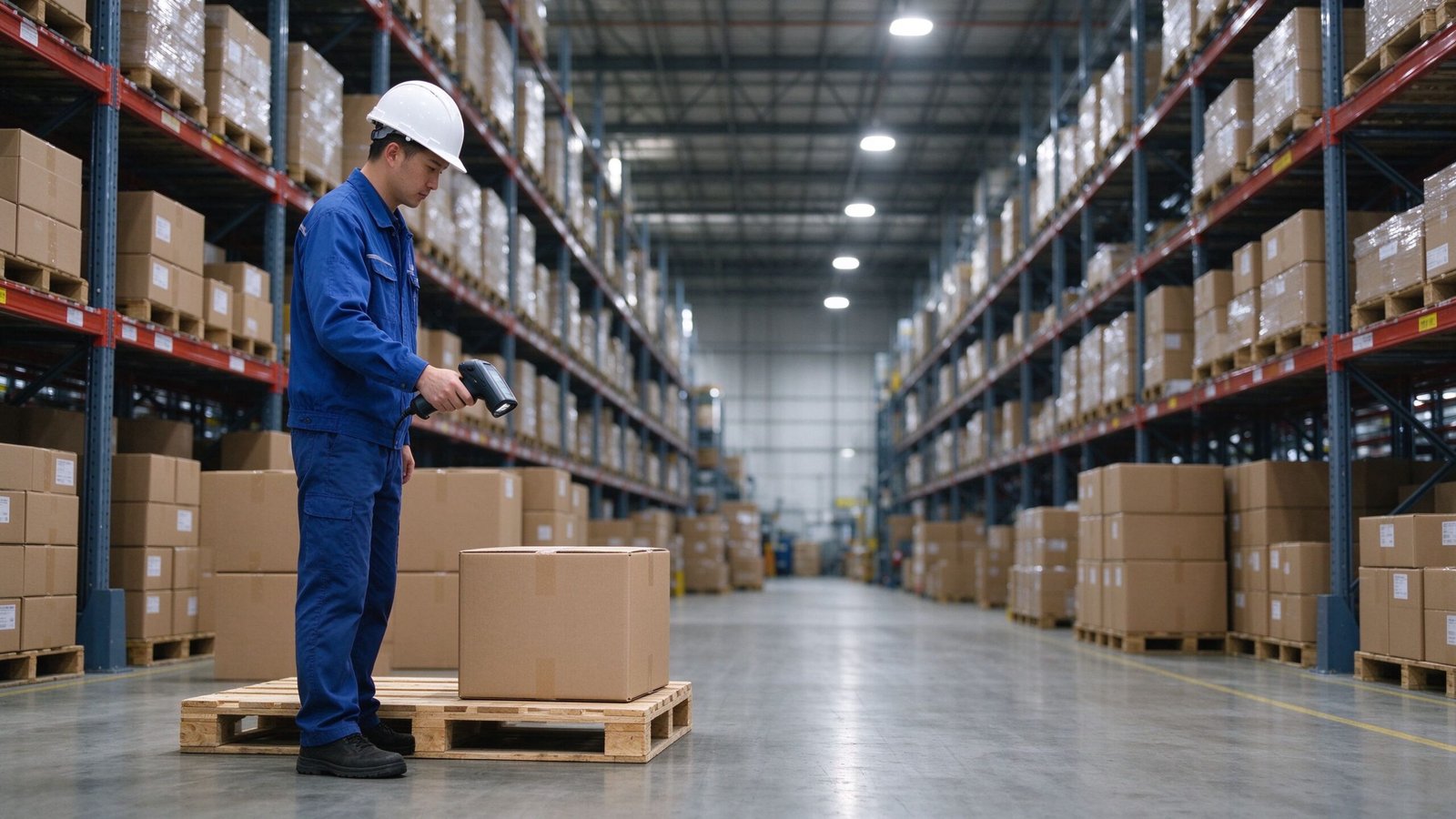
    Supply chain traceability and transparency when sourcing from China

    When you place an order with a Chinese factory, you are really trusting a much larger network: the mill that supplies the fabric, the plastic recycler, the metal press shop, the dye house, and the component traders the factory uses. Supply chain traceability means being able to answer one simple question with evidence: where exactly did every part of this product come from? As customers, platforms, and regulators demand more transparency, this question is becoming a business requirement, not just a nice-to-have.

    Why Traceability Matters More Than Ever

    Opacity creates risk at every level. If a sub-supplier uses cheaper material than you specified, the failure only appears after the product reaches your customer. If a factory sources minerals or chemicals from a sanctioned or unsafe source, the liability lands on your brand, not theirs. Modern marketplaces, large retailers, and ESG-focused buyers increasingly ask for documented proof of origin — and they will move on to suppliers who can provide it.

    Traceability also protects you commercially. When you know exactly which batch of material went into which shipment, quality issues become isolated events you can contain, rather than disasters you must investigate blindly.

    Ask for Material Source Proof

    Start by requiring documents that match your product’s bill of materials. Serious suppliers can produce most of these without drama.

    • Material declarations and test reports for key components — fabric composition, alloy grade, food-contact safety, or RoHS compliance.
    • Invoices and purchase records showing where the factory bought its raw material.
    • Certificates of origin for finished goods and, where relevant, specific supply-chain certifications.
    • Batch numbers linking production runs to specific material lots.

    If a supplier hesitates or cannot produce basic paperwork, that itself is useful information. A transparent factory treats document requests as routine; an opaque one treats them as a threat.

    Keep all of these documents organized by purchase order and batch number. When an auditor or a major buyer asks for your supply-chain file, being able to produce the complete chain in hours — instead of scrambling through email inboxes — signals that you run a professional operation. It also makes responding to a product issue far faster and calmer.

    Audit Second- and Third-Tier Suppliers

    The factory you audit is often not the factory that makes the parts. For complex products — electronics, textiles, furniture, toys — critical steps happen at sub-suppliers you have never met. A good sourcing agent can help you map the chain: identify which shops handle the plating, the molding, the assembly, and the printing, and assess whether they meet your standards.

    You do not need to visit every sub-supplier. Target the ones that drive quality and compliance: the material source, the safety-critical processes, and the steps most likely to be substituted. Third-party audit reports from firms like SGS, Bureau Veritas, or Intertek can verify these tiers at a fraction of the cost of traveling yourself.

    Build a simple supplier map once: list every material input and process step, then mark which ones are critical to quality, safety, and compliance. This map becomes your checklist for every future order, and it helps a sourcing agent identify exactly which sub-suppliers need a closer look without wasting budget auditing everything.

    Traceability Labels, QR Codes, and the Document Chain

    Modern traceability turns a product into a verifiable record. At the factory level, this means batch coding on every carton, retained samples from each production run, and a documented file that follows the order: order confirmation, material reports, inspection records, packing list, and shipping documents. When every carton carries a batch number, you can trace a customer complaint back to the exact production run and material lot.

    For consumer brands, a scannable code on the packaging can share origin, material, and factory information with the end customer. This doubles as a marketing asset: buyers increasingly choose brands they can see are responsible.

    How Transparency Lowers Quality and ESG Risk

    A transparent supply chain is a lower-risk supply chain. Factories that know you audit their sub-suppliers are far less likely to substitute cheap materials or hide labor and environmental shortcuts. You also gain a concrete defense when a customer, auditor, or regulator asks questions. The cost of building traceability is small compared with a recall, a marketplace suspension, or a brand-damaging scandal.

    For ESG specifically, traceability lets you document responsible sourcing — proof that materials are not linked to deforestation, conflict minerals, or unsafe labor practices. Many large retailers and B2B buyers now require this documentation before they will even consider a new supplier, so transparency is becoming a sales requirement as much as a risk control.

    Build Visibility Into Every Order

    Traceability is not a one-time audit; it is a habit you build into every purchase order. Demand documents early, map your sub-suppliers, batch-code your goods, and keep a clean compliance file. Work with our sourcing team to build a traceability checklist and audit plan for your next China order.

  • Peak Season Planning: Production Capacity and Scheduling With Chinese Factories

    Peak Season Planning: Production Capacity and Scheduling With Chinese Factories

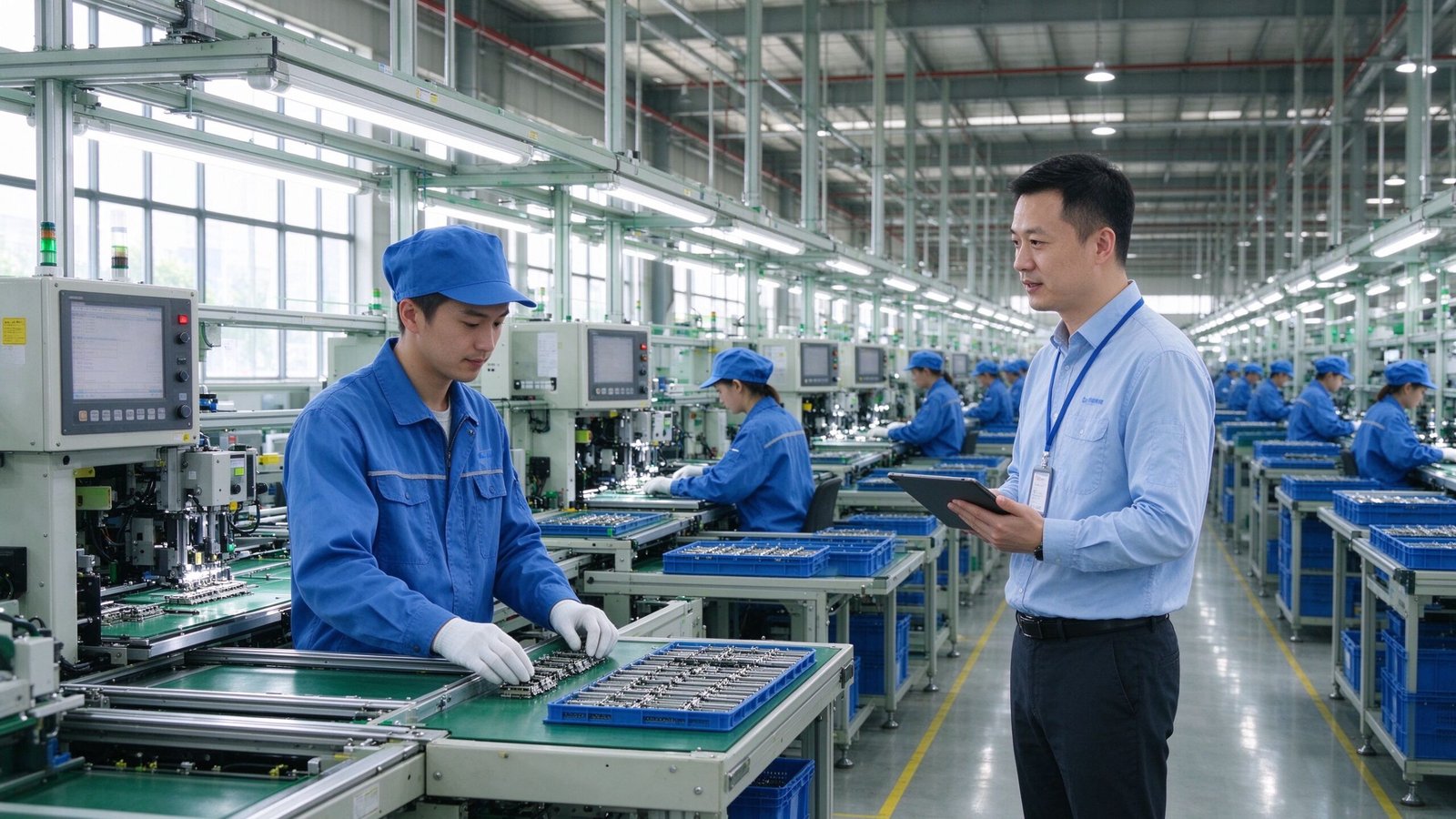
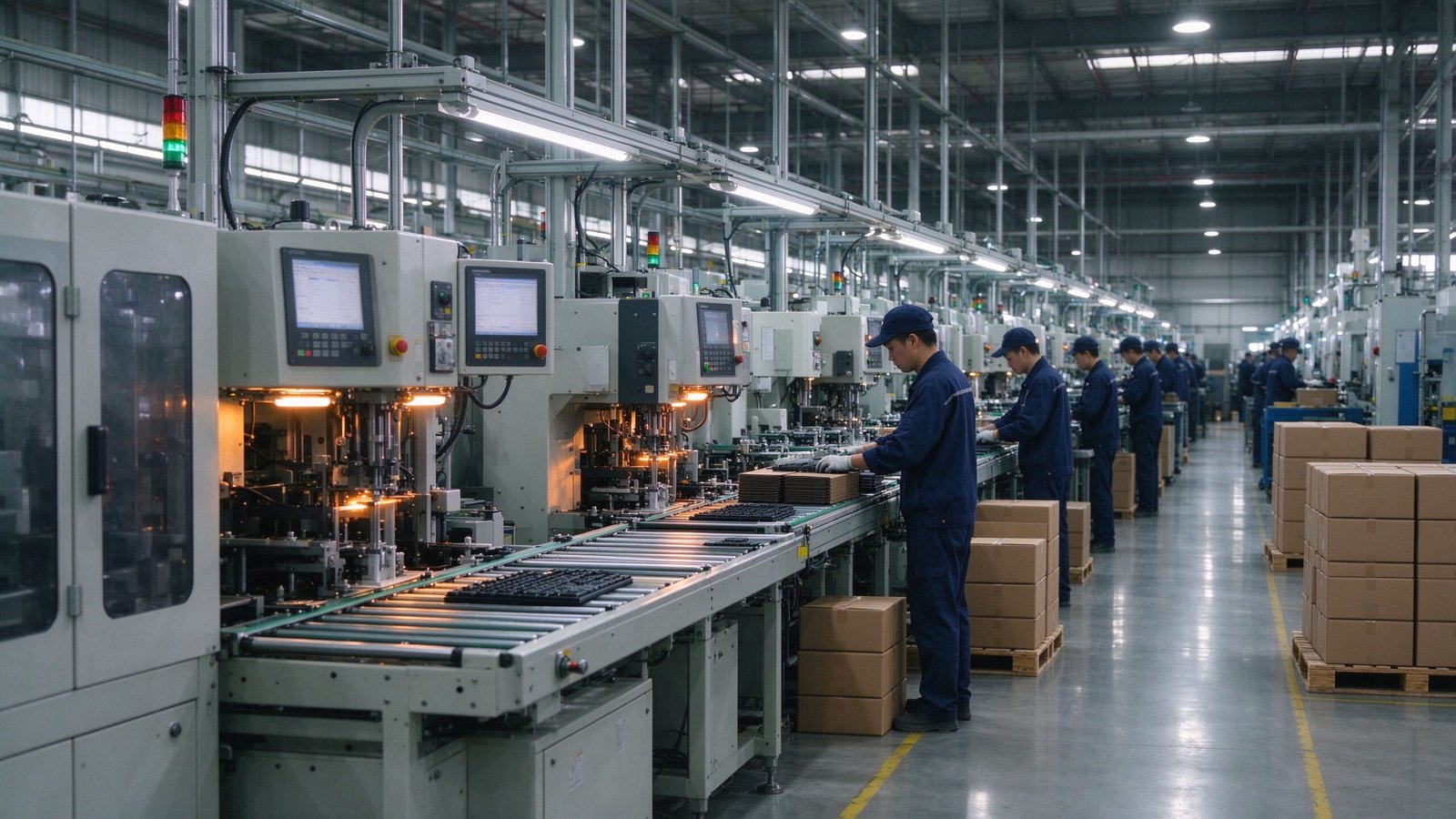
    Busy Chinese manufacturing factory assembly line during peak production season

    Every year, importers lose their holiday selling season not because of sales, but because their container left China two weeks too late. Peak season in China is fundamentally a capacity war: factories have a fixed number of production slots, and when demand spikes, whoever reserved capacity earliest wins. The buyers who ship on time are not luckier — they planned the production calendar months ahead.

    Know China’s Peak Production Windows

    Two windows dominate the calendar. The first is July through October, when factories ramp up for US Black Friday and Christmas retail. The second is the run-up to Chinese New Year, when production effectively stops for two to four weeks. During both, lead times stretch by 30 to 50 percent, freight rates spike, and booking container space becomes harder. Ports themselves become congested as thousands of containers try to leave in the same weeks, so even cargo that finishes on time can wait for shipping slots. Map your own sales calendar backward from your shelves, not forward from your order date.

    Lock Capacity With Deposits and Order Slots

    A factory’s production capacity is allocated like seats on a flight. Your purchase order plus a deposit reserves your slot; nothing else does. Verbal promises about “we can fit you in” evaporate the moment a bigger customer arrives. To secure capacity:

    • Confirm the exact production start date in writing when you pay the deposit
    • Pay earlier than usual — your deposit is what pushes your order up the queue
    • Ask your supplier to quote two dates: the best case and the committed worst case
    • Get a capacity reservation, not just a price quote, before a known peak hits

    Build a Realistic Production Schedule

    Factories quote lead times under normal conditions. Peak season needs a schedule that layers in raw material procurement (1 to 2 weeks), production itself, QC, packaging, and container booking. A realistic planning formula is: supplier’s normal lead time plus 30 percent buffer, plus ocean transit. Put the committed completion date — not the production date — into your contract, and attach a penalty or at least a price renegotiation clause for missed dates.

    Split Shipments and Buffer Stock

    One full-container order placed late is a single point of failure. Smart peak-season buyers split volume into two or three partial shipments: the first arrives before the season starts, the second mid-season. This lets you start selling earlier, reduces your inventory risk, and means a delay in one batch does not empty your store. It also spreads the risk of container space running out.

    Communication during peak season deserves its own habit. Factories are swamped, and messages wait days for replies. Set one clear weekly checkpoint: production percentage completed, any delays, and the confirmed shipping date. Put the key dates in writing after every call, and build a decision rule in advance — for example, if production slips more than a week, air-freight the fast-selling units and sea-freight the rest.

    Buyers who improvise these calls under pressure usually choose worse options than the plan they wrote in calm October. Also remember that your own sales data is leverage: showing a factory your real sell-through numbers makes it easier to argue that reserving capacity for you is worth their while.

    Negotiating Peak-Season Price Increases

    Material costs, overtime wages, and freight do rise during peaks, so some increase is normal. But not every surcharge is justified. Your leverage: you are the customer who booked early and paid on time. Ask the supplier to itemize the increase — material, labor, or freight — rather than accepting a blanket 10 percent jump. Long-term buyers who offer steadier, year-round volume in exchange for frozen peak-season pricing usually come out ahead.

    Choosing the Right Factory for Peak Load

    Not every factory can absorb a surge. A small shop that normally makes 500 units a month may be perfectly priced off-season but become a bottleneck in September. Before peak season hits, ask every shortlisted factory a direct question: what is your current monthly capacity, and how much of it is already booked this quarter? A transparent supplier will share numbers. You also want a factory with buffer lines — one or two machines that can absorb your order if the main line breaks down, and a backup supplier you have already sampled, even if you never place a test order with them.

    • Prefer factories with proven year-round load over shops that only run orders in bursts
    • Confirm raw material stock: factories often wait on materials, not on labor
    • Ask about the factory’s holiday calendar and planned maintenance shutdowns
    • Keep a qualified second supplier warm so you are not sourcing from scratch in November

    One last practical note: keep a simple one-page timeline shared with your supplier and signed off by both sides. It prevents most last-minute arguments about what was promised.

    Peak season rewards planners, not shoppers. Work with our team to map your production calendar and lock factory capacity before the rush.

  • Custom Logo Printing on Products from China: Screen, Pad & Embroidery

    Custom Logo Printing on Products from China: Screen, Pad & Embroidery

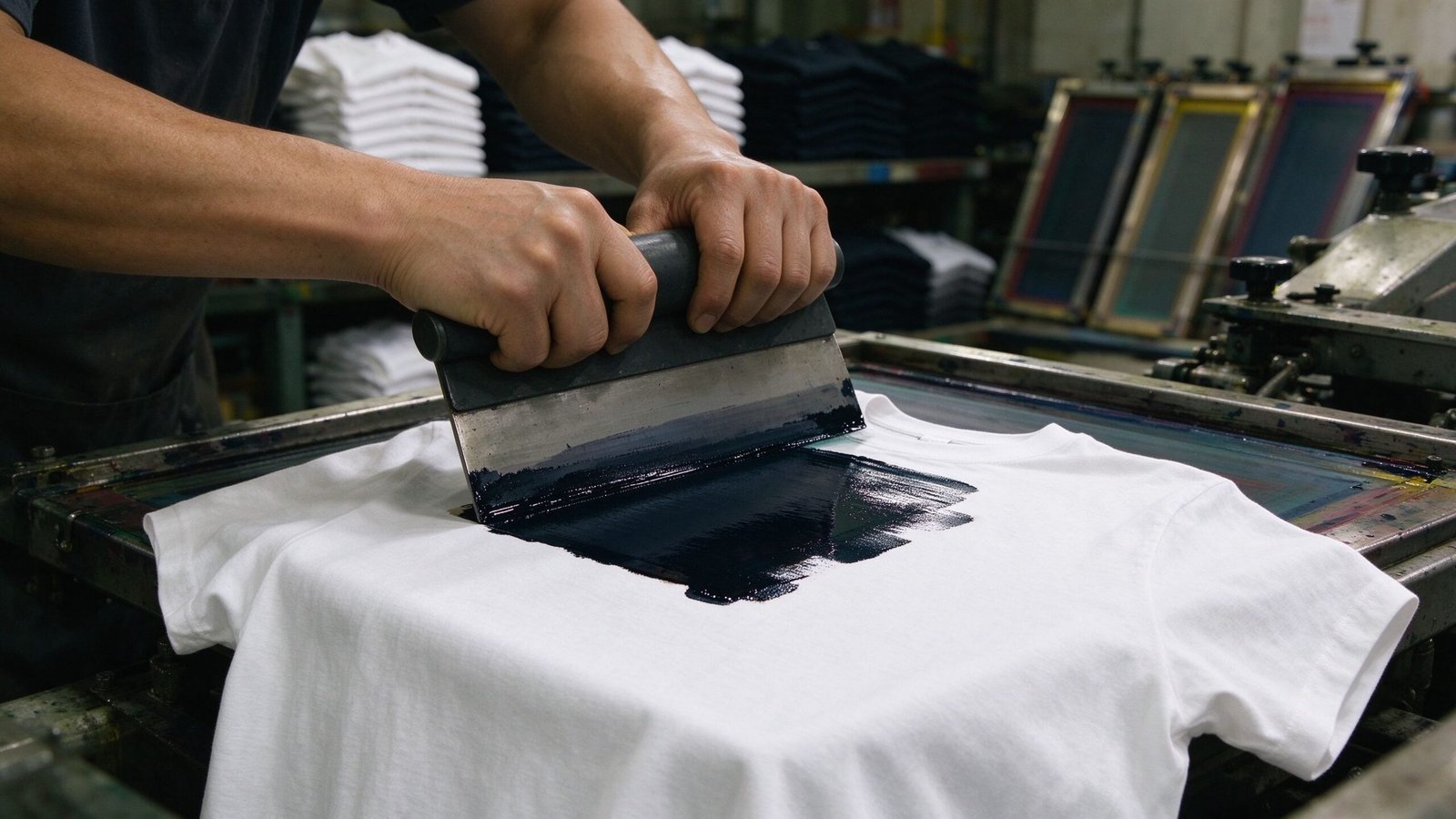
    Custom logo printing on products in a Chinese workshop

    A custom logo turns a generic product into your brand. The right decoration looks premium and survives years of use; the wrong choice cracks, fades, or peels after two washes. Chinese factories offer every decoration technology under one roof – but each process fits specific materials, quantities, and artwork. Here is how the main methods compare and how to get a flawless result.

    Screen Printing (Serigraphy)

    Screen printing is the workhorse of logo decoration. Ink is pushed through a fine mesh stencil onto the product surface. It is fast, durable, and cheap at volume – ideal for T-shirts, tote bags, packaging, paper goods, and flat hard surfaces like plastic boxes and metal tins.

    • Best for: flat or slightly curved surfaces, cotton fabric, large bold graphics
    • Cost: lowest at volume (setup roughly 30-80 USD per color, then cents per unit)
    • Limits: one screen per color; detail below 1 mm and fine gradients are difficult

    Pad Printing

    Pad printing uses a silicone pad to transfer ink from an etched plate onto curved, recessed, or uneven surfaces – pens, phone cases, toys, keyboard keys, and small electronics.

    • Best for: small, odd-shaped, three-dimensional hard surfaces
    • Cost: moderate setup, well suited to 500-5,000 unit runs
    • Limits: smaller print areas; color counts usually one to three

    Heat Transfer and DTG

    Heat-transfer labels and full-color DTG (direct-to-garment) printing suit detailed, multi-color artwork on apparel. Transfer films carry photographic graphics at low minimums; DTG prints directly onto fabric with a soft hand feel for short runs.

    • Best for: photo-detail logos, small-batch apparel, complex gradients
    • Limits: heat transfers can peel after repeated washing; DTG prefers light-colored cotton

    Embroidery

    Embroidery stitches the logo into fabric with thread. It is the premium choice for caps, polo shirts, workwear, and bags – looking expensive, durable, and tactile.

    • Best for: caps, polo shirts, jackets, backpacks, towels
    • Cost: moderate digitizing setup (40-100 USD), then cheap per unit
    • Limits: fine text below 6 mm legibility suffers; embroidery feels bulky on thin fabrics

    Laser Engraving and Hot Stamping

    Laser engraving etches the logo directly into metal, wood, acrylic, or leather. It never wears off and suits premium pens, power banks, flasks, and notebook covers. Hot stamping presses foil – gold, silver, or colored – onto paper, leather, or fabric for an upscale metallic finish, common on gift boxes and notebooks.

    • Laser engraving: zero consumables, unlimited detail, great for hard premium goods
    • Hot stamping: luxurious metallic look, best on rigid smooth surfaces
    • Both: low setup costs, moderate unit costs

    Minimum Quantities and Durability Trade-offs

    Each process has a practical minimum. Screen printing needs a screen frame per color, so it becomes uneconomical below roughly 100-200 pieces for a single-color design. Pad printing works from 300-500 pieces upward. Embroidery requires digitizing setup but then runs cheaply even at 50 caps. Laser engraving has no consumables minimum at all, which is why it suits small-batch premium gifts.

    Durability ranks differently by method too. Embroidery and laser engraving outlive the product itself. Screen print on cotton survives 50-plus washes when cured properly. Heat transfers wear fastest – choose them only for short-run fashion items where color detail matters more than longevity.

    Matching the Process to Your Material

    • Cotton fabrics: screen print, DTG, heat transfer, embroidery
    • Hard plastics: pad print, screen print, laser engraving
    • Metal and wood: laser engraving, screen print, UV print
    • Leather and PU: hot stamping, laser engraving, embroidery on thick leather
    • Glass and ceramics: fired screen print, decal, UV print

    Artwork Requirements: Get the File Right

    Most logo reprints fail because of the artwork file, not the printer. Send your factory:

    • Vector files only: AI, EPS, or PDF with outlines converted – never a JPEG or PNG for print
    • Pantone color values (for example PMS 286 C) for exact color matching, especially on screen print
    • Maximum print dimensions and placement, with a mockup or template marked in millimeters
    • Single-color versions for pad print and embroidery, which are color-count sensitive

    If you only have a raster file, ask your designer or factory to vectorize it before production – tracing a logo cleanly takes an experienced designer about one hour, and the small cost saves ruined samples later.

    Sampling and Quality Standards

    Always approve a physical pre-production sample before mass production. Check the logo position against your mockup, rub the print to test adhesion, wash fabric prints several times, and compare color under both daylight and indoor light. Keep the approved sample documented – your factory uses it as the quality benchmark for the whole run.

    When one product combines several materials – for example a leather pouch with a printed zipper pull – confirm the decoration on every material at the sample stage, since each may need a different process and its own setup cost.

    Choosing the right decoration process is part science, part product knowledge. Send us your product and logo file – we recommend the best print method and manage sampling for you.

  • China Supplier Sample Fees: What to Expect and How to Negotiate

    China Supplier Sample Fees: What to Expect and How to Negotiate

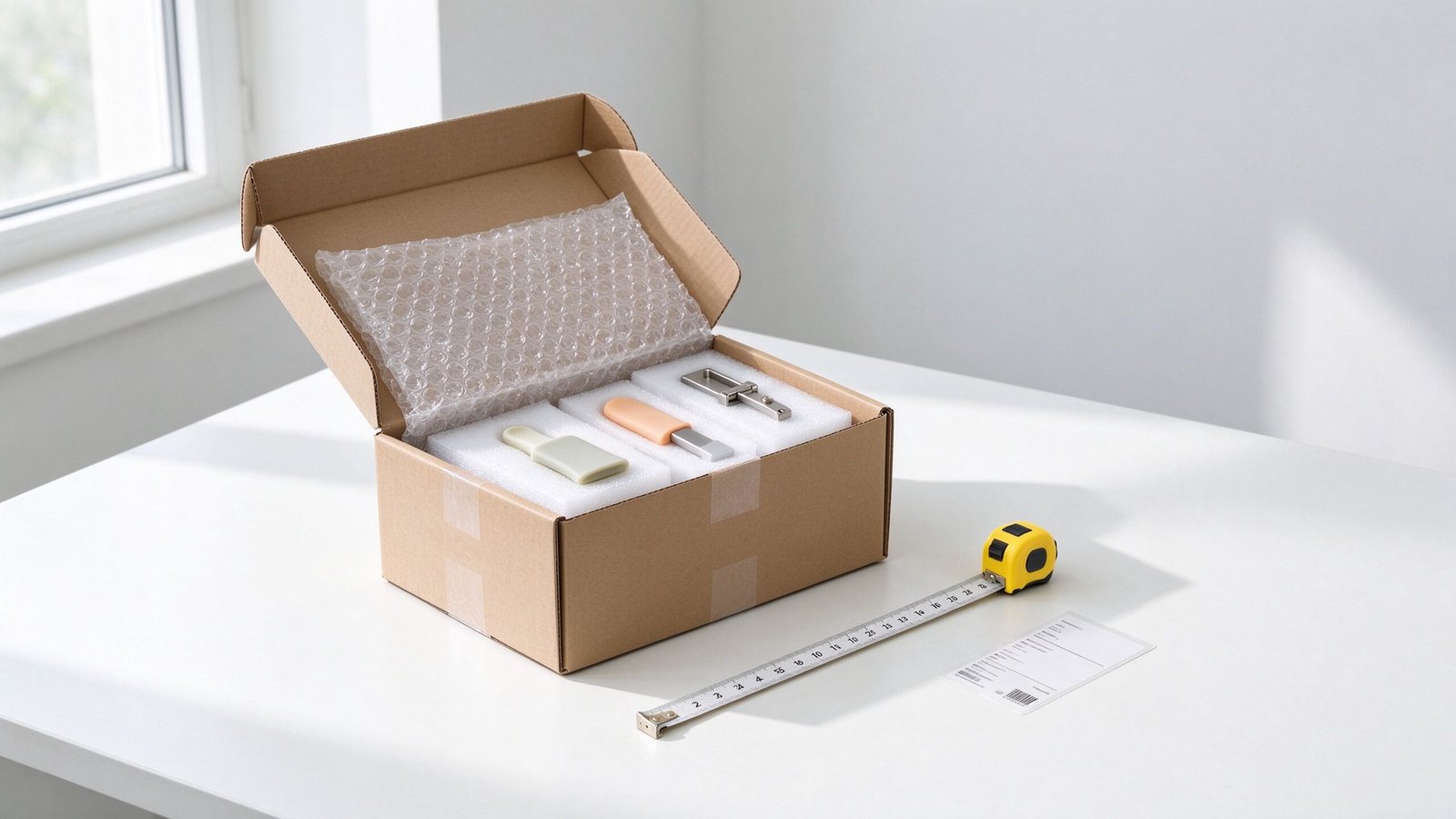
    Opened courier parcel with product samples, measuring tape and bubble wrap

    Ordering samples is one of the first real transactions with a Chinese supplier, and it is where many first-time importers get their first surprise — usually in the form of a sample fee they did not expect, or a courier charge larger than the sample itself. Sample fees are not arbitrary, though. They follow well-established industry patterns, and understanding them protects your budget and your negotiating position. Treat the sample stage as a paid negotiation: every term you agree now — fees, credits, timing — sets the tone for how the factory treats your much larger bulk order later.

    Who Pays for the Sample and the Courier

    The default rule on both sides of the negotiation is simple: the buyer pays for the sample and the buyer pays the international express fee. A sample costs the factory raw material, labor, and engineering time, and international courier (DHL, FedEx, UPS) to the US or Europe often runs $30 to $80 for a small parcel. Expect to cover both. Suppliers who truly want your business may split the difference, but demanding completely free samples from day one signals an unserious buyer.

    When Suppliers Offer Free Samples

    Free or discounted samples do exist, but they come with conditions. A factory will usually waive the sample fee when:

    • The product is an existing off-the-shelf item with no customization required
    • The factory wants to enter a market or account they consider strategic
    • You have already placed a confirmed bulk order and the sample is a pre-production check
    • You agree to cover the courier — even free-sample deals almost never include express shipping

    Even in these cases, heavily customized samples, new molds, or branded packaging usually carry a fee, because making one-offs genuinely costs the factory money.

    Sample Fees That Count Against Your Bulk Order

    One of the most useful negotiating points is the sample credit agreement. Many suppliers will deduct your sample fee from the bulk order balance — sometimes 100 percent, sometimes 50 percent — once your mass production order reaches an agreed value. This makes the sample effectively free if the deal proceeds. Ask for this in writing before you pay the sample: “Sample fee USD 80, refunded against first order above 1,000 units.” It costs the supplier nothing and costs you nothing to ask.

    Typical Sampling Lead Times

    Realistic timelines matter for your launch calendar. Existing products usually ship within 3 to 5 days; modified or custom samples take 7 to 15 days; samples requiring a new mold or tooling can take 3 to 5 weeks. Add 3 to 6 days for international express on top. If a supplier promises a complex custom sample in 48 hours, treat it as a warning sign rather than a benefit.

    The Sample Approval Process and Common Disputes

    Disputes arise mostly in three places. First, color and finish: what looks right in a photo often differs under your market’s lighting. Always approve physical samples, not photos. Second, “sample vs. mass production drift”: the approved sample is hand-finished while bulk production is machine-made. Head this off by writing into your order confirmation that mass production must match the approved sample, and booking a pre-shipment inspection against it. Third, re-sampling costs: if you keep requesting changes, the factory will charge again. Give complete, written feedback in one round instead of piecemeal requests.

    Budget planning also gets easier once you know the pattern. Expect most straightforward samples to cost between $20 and $100, custom tooled samples between $150 and $500, and express courier to be the line item that surprises first-time buyers.

    Some suppliers quietly raise the sample price to test how serious you are; comparing quotes from two or three factories reveals immediately whether a sample fee is reasonable or punitive. Once a fair fee is agreed, pay it without haggling further — chasing a $20 discount on samples costs more in trust than it saves in cash.

    Keeping Samples Comparable and Protected

    Once samples arrive, handle them like evidence. Label each sample with the supplier, date, and exact spec variant, and photograph it next to a ruler for scale. When you compare two suppliers, test them against the same use case — the same packaging, the same drop test, the same wash cycle if relevant. A sample that looks premium on first touch can fail after a week of real use. And when you finally approve one, keep that approved sample sealed and untouched: it is your physical benchmark when mass production arrives, and inspectors will compare the bulk order against it, not against your memory of it.

    • Order two of each sample: one to test, one to keep sealed as the golden sample
    • Note the sample’s batch details so you can ask for identical materials in bulk
    • Reject rushed samples politely; a supplier who skimps on samples often skimps on production

    Samples are your cheapest insurance against a container of mistakes. Let our team help you structure the sample stage and credit terms for your supplier negotiations.

  • China Sourcing Agent Fees: How Commission and Service Pricing Work in 2026

    China Sourcing Agent Fees: How Commission and Service Pricing Work in 2026

    China sourcing agent fee structure and pricing

    One of the first questions every importer asks is simple: how much does a China sourcing agent cost? The honest answer is that fee structures vary wildly – from 3 percent to 15 percent commission, from monthly retainers to one-off project fees, and from transparent quotes to hidden markups. Understanding how agents price their services lets you compare offers fairly and avoid unpleasant surprises at the bottom line.

    The Commission Model (5%-15%)

    The most common arrangement is a commission on the order value. The agent finds suppliers, negotiates, samples, inspects, and coordinates shipping, then bills a percentage of the factory invoice.

    • 5-8%: typically applies to large, repeat orders above 50,000 USD, where the agent earns on volume
    • 8-12%: the standard band for small to mid-sized importers, roughly 5,000-50,000 USD per order
    • 12-15%: common for small first orders, product development work, or highly customized projects

    Commission models feel convenient, but watch the basis: some agents charge commission on the FOB value only, others on the landed cost including freight and duty. Ask for the fee basis in writing before you start.

    One more detail matters: who pays. In a commission model, the agent bills you directly, and the factory price passes through unchanged. In some “free agent” arrangements, the supplier adds the agent’s commission into its own quote, which makes the factory price look higher than it really is. Transparent agents show you both numbers so you can see the real factory cost and the real service fee.

    Fixed Retainer and Project Fees

    Importers with steady monthly volumes often switch to a monthly retainer, covering a defined number of supplier follow-ups, inspections, and order-management hours. This works well when you place four or more orders per quarter and want cost predictability.

    Project fees suit one-off work – a single factory audit, a product-sourcing sprint, or a quality-inspection visit. Expect 150-400 USD per factory audit and 100-250 USD per inspection day in most Chinese manufacturing hubs.

    • Monthly retainer: 300-1,500 USD, depending on order volume and service scope
    • Single factory audit: 150-400 USD plus travel costs
    • Pre-shipment inspection: 100-250 USD per man-day

    Retainers work best once you have two to three approved suppliers and a steady order rhythm. Start with per-project fees for your first orders, then switch to a retainer once the workload is predictable – most agents convert smoothly between the two models.

    Hidden Fees and Markup Models

    The fee structure you see is not always the whole story. Less transparent agents make money through channels you never invoice for:

    • Factory kickbacks: the supplier adds a hidden margin to the invoice and shares it with the agent. Your supposedly cheap agent suddenly costs 3-7 percent.
    • Quote padding: the agent inflates the factory quote and bills you the difference
    • Marked-up logistics: freight booked at cost plus 10-25 percent
    • Miscellaneous service fees: payment handling, translation, or communication fees added per order

    Protect yourself by asking to see the factory’s proforma invoice directly, or requiring an open-agency agreement where the agent’s commission is explicitly stated and factory prices are passed through at cost.

    What a Sourcing Agent Actually Does

    To judge whether a fee is fair, you need to know what you are buying. A full-service agent typically delivers:

    • Supplier shortlisting, verification, and factory audits
    • Sample negotiation, artwork confirmation, and tooling coordination
    • Order follow-up, production scheduling, and defect prevention
    • Pre-shipment quality inspection and photo reporting
    • Export documentation, booking, and freight coordination
    • Problem solving when quality, delays, or payment disputes arise

    An agent who genuinely saves you 5-10 percent on factory prices or prevents one bad container per year has already earned their fee many times over. An agent who merely forwards emails should not command premium rates.

    How to Judge Whether a Quote Is Fair

    Compare three things: the fee percentage, the fee basis, and the scope included. A 10 percent commission that covers audits, inspections, and logistics coordination is often cheaper than a 5 percent commission that bills every inspection, audit, and document as an add-on.

    Beware the extreme ends: agents quoting 2-3 percent on small orders are usually subsidized by hidden supplier margins, while agents above 15 percent need to justify themselves with real product-development or quality work. Ask each candidate for a written fee schedule covering your exact order size and product category.

    Contract Points to Lock In

    Before you start production, put the essentials in writing:

    • Fee percentage or retainer, and the exact basis (FOB, EXW, or landed value)
    • Which services are included versus billed separately
    • Whether factory invoices are passed through at cost (open-book) or marked up
    • Payment schedule: deposit handling, balance release timing, and inspection before balance payment
    • Confidentiality: your designs, customer information, and pricing must not be shared
    • Liability: who is responsible when a batch fails inspection, and how refunds work

    A good sourcing relationship is a partnership, and a transparent fee structure is its foundation. Ask our team for a transparent, open-book sourcing fee estimate for your product.

  • 1688.com Sourcing Mastery: Advanced Tactics Beyond Alibaba

    1688.com Sourcing Mastery: Advanced Tactics Beyond Alibaba

    Buyer sourcing products on 1688.com wholesale platform at his desk

    Most overseas buyers only ever touch the international side of Chinese sourcing — Alibaba, Made-in-China, Global Sources. But the real price advantage lives one layer deeper, on 1688.com, the domestic wholesale platform where Chinese businesses actually buy from each other. Once you can operate it, prices are often 20 to 40 percent lower than export listings. Chinese buyers themselves treat 1688 as their default wholesale source, which means the prices you see there are closer to the real floor than anything quoted on export platforms. Here are the advanced tactics that make the difference between browsing confidently and overpaying.

    Why 1688.com Beats Alibaba for the Right Buyer

    Alibaba listings are built for export: prices include export packaging, English service, and a margin for the platform and the trading company standing behind the listing. 1688.com prices are domestic factory-to-business prices. Many factories post on both platforms, and the same product is frequently cheaper on 1688 because domestic buyers negotiate harder and in volume. The trade-off: the site is entirely in Chinese, suppliers expect WeChat communication, and payment and shipping are arranged domestically — which is exactly where a local sourcing agent earns its fee.

    Use Image Search to Find the Exact Same Item Cheaper

    The single most powerful feature on 1688.com is image search. When you find a product on Alibaba, in a catalog, or in a competitor’s listing, save its photo and upload it into 1688’s search bar. The platform’s visual matching surfaces dozens of factories selling near-identical items, and you can compare domestic prices side by side.

    • Save multiple angles of the product — front, back, and close-up details match best
    • Sort results by sales volume, not price, to find established manufacturers
    • Open the product detail page and scroll to the factory’s own shop homepage
    • Check how long the shop has been operating and its historical sales ratings

    The Factories Channel and Deep Verification Reports

    1688.com has a dedicated “Find Factories” channel that filters listings by production capability rather than trading. Factories on this channel publish verification profiles, and many offer paid deep-verification reports covering registered capital, production lines, workforce, and even photos of the workshop floor. These reports are not audited the way a third-party inspection company would audit them, but they give you a fast, cheap screening layer before you spend money on a formal audit.

    Tell Trading Companies From Real Factories

    Just like on Alibaba, not every 1688 shop is a factory. The cheapest-looking shops can be resellers buying from the actual factory down the road. Look for these signals:

    • Real factories list a narrow product range; trading companies list wildly different categories
    • Factories state MOQs that match a production batch, not a stock-clearing number
    • Ask to video-call the production line — resellers often refuse or hesitate
    • Check the business license in the shop profile: its name will contain “Manufacturing” or “Industry” rather than “Trading” or “Technology”

    Communication Tactics and the Language Barrier

    Suppliers expect fast WeChat messages, not formal email. Messages are short, practical, and sent on the same day a question arises. Machine translation gets you 80 percent there; the remaining 20 percent is where misunderstandings about customization, packaging, and lead time creep in. Keep your spec sheet in both English and Chinese, sent as a PDF, and confirm every critical detail in writing rather than in voice notes.

    Payments and Logistics, Arranged Properly

    1688 orders are paid in RMB via domestic transfer, Alipay, or the shop’s escrow — none of which work directly for overseas buyers. This is where a sourcing agent simplifies everything: they pay suppliers in RMB, consolidate orders from multiple shops, hold and inspect goods, and then ship the consolidated batch to you by sea, air, or express. For most small and medium buyers, combining 1688’s lower prices with an agent’s local capabilities beats buying retail-priced export listings.

    Common Mistakes When Buying Directly on 1688

    Foreign buyers who go it alone tend to repeat the same errors. They buy from the first shop that looks cheap without checking the shop’s history; they message suppliers in English and expect fluent replies; and they pay without verifying whether the shop actually has stock of the exact item they matched by image. Domestic transactions also happen fast — suppliers may stop reserving a price after a few days of silence. Building even a small routine, such as requesting a short factory video and a written confirmation of price and MOQ, catches most of these problems before money moves.

    • Never judge a supplier by its cover image — check sales history and shop tenure
    • Confirm the domestic price excludes export packaging, which you must add back
    • Clarify whether the listing price is for stock or for production batches
    • Keep screenshots of agreed prices, since chat records are the only proof

    Want the 1688 advantage without learning Chinese or opening a domestic account? Talk to our China sourcing team about agent-buying for your product list.

  • Intellectual Property Protection When Sourcing from China: A Practical Guide

    Intellectual Property Protection When Sourcing from China: A Practical Guide

    Intellectual property protection and NDA when sourcing from China

    One of the biggest fears buyers have about manufacturing in China is losing their idea to a copycat. The worry is legitimate: a factory that builds your product also knows your design, your materials, and your customers. But IP protection in China is not a lottery. With the right registrations, paperwork, and supplier controls, you can build a real defensive wall around your product before you ever place a deposit.

    What IP Risks Actually Look Like

    IP risk in China sourcing usually shows up in three ways. First, a factory copies your design and sells the same product under its own brand or to your competitors. Second, a factory overproduces your item and sells the extra units on the open market, a practice known as parallel shipment or “flow goods.” Third, a former employee or subcontractor takes your tooling or molds and sets up a rival production line. Each risk needs a different countermeasure, which is why a single NDA is never enough.

    Filing in China also matters because it creates enforcement leverage. A registered trademark gives you the right to demand that marketplaces take down infringing listings and to pursue compensation in local courts. An unregistered foreign brand, by contrast, has almost no standing when a Chinese factory copies it — which is precisely why registration before sharing any designs is the rule.

    Trademarks, Patents, and Copyright: Register in China

    China follows a first-to-file system, which means the person who registers a mark first owns it, even if you used it earlier. This is the single most important fact for foreign buyers. If you plan to sell under your own brand, register your trademark with the China National Intellectual Property Administration before you share logos, packaging art, or product samples with any factory.

    • Trademark — register your brand name and logo in the correct class for your product; this is cheap and the highest-return protection.
    • Design or utility patent — if your product has a unique shape, mechanism, or appearance, file it in China, not just at home.
    • Copyright — automatically applies, but recording it with the copyright office strengthens enforcement.
    • Domain and social handles — secure matching names so copycats cannot impersonate you online.

    Registration typically takes several months, so start the process as soon as your brand is finalized, long before production begins.

    NDAs That Actually Work

    A confidentiality agreement is essential, but a generic English NDA downloaded from the internet has limited force. To make it meaningful, have it written or reviewed by a lawyer familiar with Chinese law, require signatures from the company and its legal representative, and list exactly what is confidential: drawings, molds, customer lists, pricing, and sales channels.

    NDAs work best as part of a system rather than a standalone document. Pair them with staged disclosure: share only the information a factory needs for the current step, keep your most sensitive files on your own devices, and require return or destruction of files when a project ends. Never hand a factory your full CAD package during the quoting stage.

    For tooling and custom products, sign a separate tooling ownership agreement in addition to the NDA. It should state in writing that the molds, fixtures, and designs were paid for by you and remain your property, and that the factory may not use them to produce for third parties or retain them after the relationship ends. This one clause is often the difference between losing your molds and getting them back.

    How to Stop Factories Copying and Parallel-Shipping

    • Own your tooling and molds, and keep written proof that they belong to you — this prevents a factory from keeping your molds to make copies.
    • Specify that all excess production, samples, and rejected units must be destroyed, and reserve the right to audit.
    • Use an inspection service to compare production quantities against your order volume, exposing overproduction.
    • Sell through controlled channels and monitor Chinese marketplaces for listings that match your product.
    • Avoid giving one factory the entire design, brand, and customer relationship; split critical steps between trusted partners where possible.

    When to Hire an IP Lawyer

    You do not need a lawyer for every small order, but certain moments justify the cost. Hire a specialist before you scale up, before you invest in expensive custom tooling, or the first time you suspect a factory is copying or diverting your goods. A local Chinese IP lawyer can file registrations, send cease-and-desist letters, take down infringing listings, and in serious cases pursue administrative or court action. Their upfront fee is tiny compared with the cost of a copied product line on the market.

    Protect Your Product Before It Ships

    IP protection in China is proactive, not reactive. Register locally first, stage your disclosures, own your tooling, and audit production volumes. Ask our China sourcing team for help structuring supplier agreements and building a protection checklist tailored to your product.

  • China vs Vietnam Manufacturing in 2026: Where Should You Source?

    China vs Vietnam Manufacturing in 2026: Where Should You Source?

    China vs Vietnam manufacturing comparison in a modern factory

    For a decade, “made in China” has been the default answer for Western importers. In 2026, that answer has a serious competitor: Vietnam. Labor costs in coastal China have roughly tripled since 2010, while Vietnamese wages remain a fraction of that. Tariff friction between Washington and Beijing has pushed apparel, footwear, and electronics assembly toward Ho Chi Minh City and Hanoi. But moving production halfway around the world is not a simple switch. This guide compares China and Vietnam across the factors that actually decide your landed cost, lead time, and quality.

    Labor and Manufacturing Costs

    The headline difference is factory wages. In 2026, a skilled assembly-line worker in Guangdong or Zhejiang earns roughly 650-850 USD per month, including social insurance. The equivalent worker in northern or southern Vietnam earns about 250-350 USD. For labor-heavy products such as basic apparel, simple assembly, and footwear, that gap can cut production cost by 20-35 percent.

    But labor is only one line on the bill of materials. When you add components, tooling, packaging materials, and logistics, the gap narrows. A product with 60 percent imported components is still largely built around Chinese supply chains, even if it is sewn or assembled in Vietnam.

    • Labor cost: Vietnam wins, by roughly half on factory wages
    • Material cost: China wins – most fabrics, electronics components, and plastics still come from Chinese suppliers
    • Land and utilities: Vietnam wins on industrial park rent in its main manufacturing zones
    • Combined landed cost: depends on how much of your bill of materials is truly labor

    Supply Chain Maturity and Supporting Industry

    This is where China remains genuinely unbeatable. Drive through the Pearl River Delta and you find, within a 100-kilometer radius, injection molders, circuit board makers, zipper factories, dye houses, packaging printers, and plating workshops. Your Chinese supplier can change a component at 9 a.m. and hold the revised sample by 4 p.m.

    Vietnam’s supply chain is improving fast, especially for textiles and footwear, but most specialized materials and components still cross the border from China. A design change that takes one week in Dongguan can take four to six weeks in Binh Duong, because the right component has to be sourced, shipped, and customs-cleared first.

    • Prototype iteration: days in China, weeks in Vietnam
    • Component density: highest in Guangdong, Zhejiang, and Jiangsu clusters
    • Vietnam strengths: garments, footwear, furniture, simple electronics assembly

    Capacity, Lead Time, and Scalability

    Chinese factories are larger, deeper, and more experienced with rapid scale-up. A Chinese OEM can double monthly output from 10,000 to 20,000 units in weeks by adding a shift. Vietnamese factories, by contrast, often struggle with labor turnover and trained-supervisor shortages, and expanding a line takes months of recruitment and training.

    Lead times also differ. From order confirmation, expect 25-40 days from a mature Chinese factory versus 35-55 days in Vietnam once you add cross-border material logistics. Vietnam also has fewer mid-season capacity slots available, so booking early matters more.

    Quality, Communication, and Management Depth

    Quality is not a country-level attribute – it is a factory-level attribute. You can find excellent and mediocre factories in both countries. The practical difference lies in management depth: Chinese export factories have served Western buyers for thirty years, speak your specification language, run documented QC systems, and field experienced English-speaking sales teams.

    Many Vietnamese factories are newer to direct export, communicate mainly through trading companies, and still build quality control by instinct rather than by documented procedures. This gap is closing, but it means your inspection and factory-audit budgets matter more when you produce in Vietnam.

    Tariffs and Trade Environment

    Tariffs were the original reason Western buyers rushed to Vietnam. Section 301 duties on Chinese-origin goods remain substantial for many categories, while most Vietnamese-origin goods enter the US under much lower rates. The EU-Vietnam Free Trade Agreement similarly cuts duties for EU buyers.

    However, enforcement has tightened. Both US and EU customs authorities now actively audit transshipment – goods that are genuinely made in China but relabeled in Vietnam to dodge tariffs. Rules of origin require substantial transformation, not just a final sew or pack. Paperwork that cannot support your claimed origin will trigger audits, penalties, and shipment holds.

    Which Products Belong Where?

    Keep it in China if your product relies on complex electronics, tight tolerances, frequent design changes, custom tooling, or a dense local component network. High-mix, low-to-medium volume innovation products still benefit most from China’s ecosystem.

    Move to Vietnam for labor-heavy, mature designs: basic T-shirts, denim, footwear, simple bags, furniture assembly, and standardized consumer goods whose bill of materials is already available regionally.

    Dual-source strategy – producing core SKUs in China and volume-driven basics in Vietnam – is what most mid-sized brands actually adopt in 2026. It hedges tariff risk without giving up China’s speed.

    Unsure where your product fits? Our sourcing team benchmarks production costs, lead times, and tariff exposure for both countries and presents a clear recommendation. Talk to our China and Vietnam sourcing specialists today.

  • How to Handle Currency Fluctuation When Sourcing from China

    How to Handle Currency Fluctuation When Sourcing from China

    Managing currency fluctuation and FX hedging when sourcing from China

    If you source from China, your costs are usually negotiated in renminbi (RMB) while your sales are priced in US dollars, euros, or pounds. That gap is a silent margin killer: a currency move of just three to five percent can wipe out the profit you worked months to build. Currency risk is not something only giant corporations need to manage. Any importer paying suppliers in RMB while earning another currency is exposed, and the buyers who handle it well consistently outperform those who ignore it.

    How RMB Movement Hits Your Sourcing Costs

    When the RMB strengthens against your home currency, every unit you buy becomes more expensive on your balance sheet, even though the factory’s price in yuan has not changed at all. The reverse helps you, but you cannot count on it. The real danger is that your selling prices are fixed by the market while your landed cost floats. A product you priced at a healthy margin can suddenly become a break-even item after a few months of exchange-rate movement.

    This risk compounds across the whole order cycle. You quote a customer today, place a deposit in a month, pay the balance before shipment, and receive the goods sixty to ninety days later. Every step happens at a different exchange rate, and the cumulative effect on a full container load is far larger than most first-time buyers expect.

    Why Quotation Validity Matters

    Chinese factories usually quote with a validity period of fifteen to thirty days, and that window is partly a currency hedge. A supplier who holds a price for three months while the RMB moves is taking a risk you are not paying them for. When you ask for longer validity, expect the factory to build in a currency buffer or raise the unit price to compensate.

    Practical rules: ask every supplier to state the validity period and the currency the price is fixed in, compare all quotes on the same basis, and never lock a long production schedule at a price the supplier will not realistically honor. If your order will run across several months, negotiate a price-review clause rather than pretending the rate will simply hold.

    Your Currency Risk Management Options

    • Forward contracts — lock an exchange rate with your bank for a future payment date. This is the most common tool for regular importers and removes uncertainty for a small fee.
    • Currency options — pay a premium for the right but not the obligation to exchange at a set rate. You benefit if the rate moves your way but stay protected if it does not.
    • Natural hedging — earn some revenue in RMB or hold a small RMB account to offset your RMB payables, matching currency inflows to outflows.
    • Multi-currency accounts — modern payment platforms let you hold and convert USD, EUR, and RMB near interbank rates, cutting conversion fees on every transfer.

    Payment Timing Strategies

    Timing your payments is the simplest hedge available to smaller buyers. If you expect the RMB to weaken against your currency, you may prefer to pay later; if you expect it to strengthen, converting early protects you. Of course, nobody predicts rates reliably, so treat timing as a secondary lever rather than your main strategy.

    A more disciplined approach is to split your exposure: convert half of a large payment when you book the order and half before the balance is due. This averages your rate and removes the stress of guessing a single perfect moment. It also keeps your supplier happy, because deposits still arrive exactly on time.

    Write Currency Clauses Into Your Contract

    The cheapest protection is a clear contract. Asking for a currency clause is normal in international trade, and serious suppliers will understand immediately. Useful provisions include:

    • A fixed exchange rate for the order, or a shared band — for example, splitting the difference if the rate moves more than three percent.
    • A defined validity date after which prices are renegotiated rather than silently honored.
    • The payment currency stated explicitly, so there is never a dispute over which rate applies.
    • Escalation terms for long-running production that spans multiple quarters.

    These clauses protect both sides: the factory is not forced to sell at a loss, and you are not ambushed by a sudden cost jump. They also make your supplier think twice before blaming the currency for a price increase they actually wanted for other reasons.

    Turn FX Risk Into a Managed Cost

    Currency fluctuation is unavoidable, but unexpected currency loss is a choice. By locking rates where you can, negotiating sensible validity periods, timing payments in tranches, and writing clear clauses into your purchase orders, you convert a hidden risk into a planned cost. Talk to our China sourcing team to build a pricing and payment strategy that protects your margin on every order.