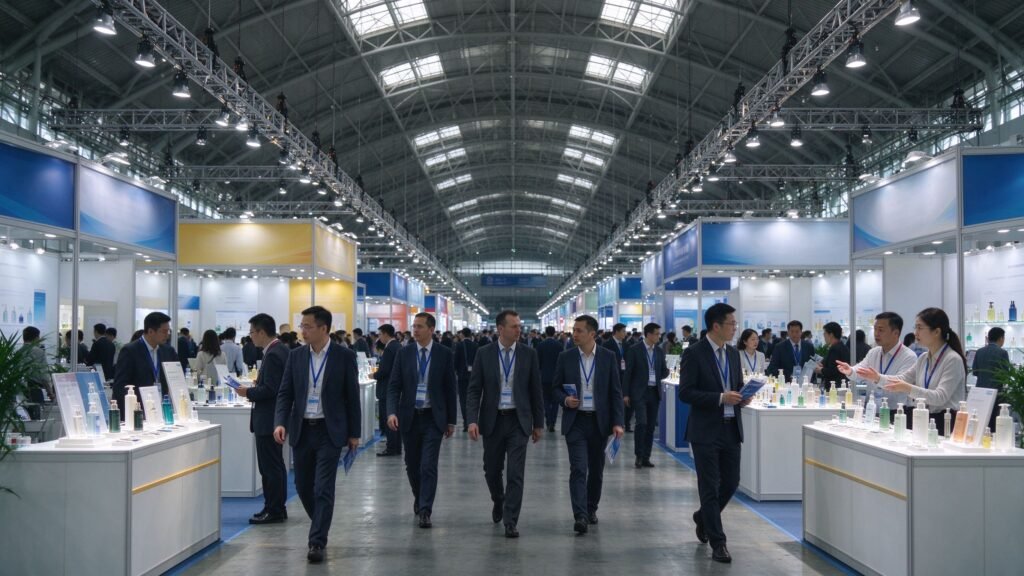
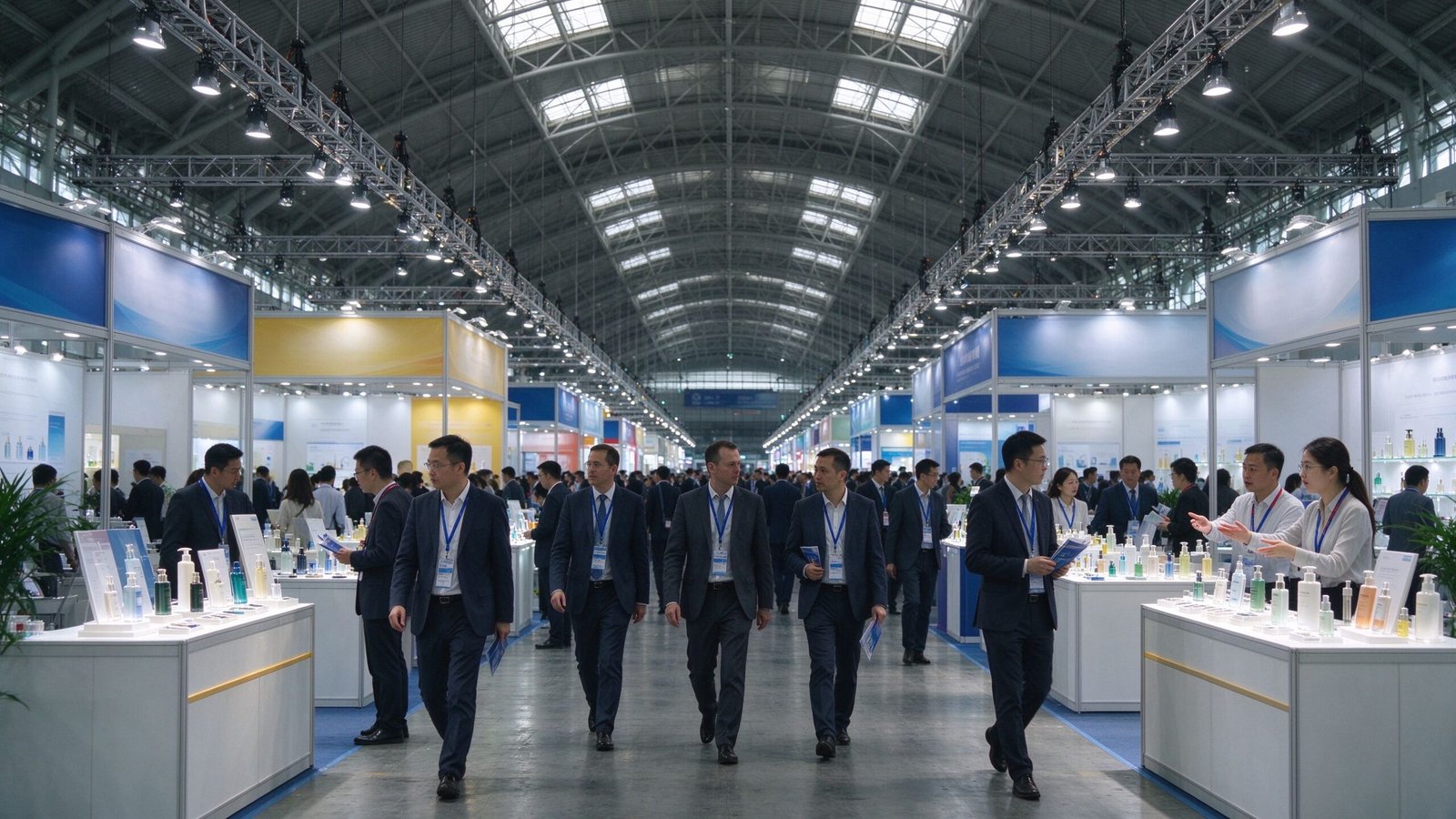
The Canton Fair (China Import and Export Fair) in Guangzhou remains the fastest way on earth to meet hundreds of Chinese manufacturers in four days. Whether you source electronics, furniture, textiles, machinery, or consumer gifts, this guide covers the 2026 schedule, the halls you should prioritize, how to prepare before you fly, what to do on the floor, and how to follow up with the suppliers you meet. If you are serious about buying directly from China, the Canton Fair is the highest-leverage trip you can take.
What the Canton Fair Is, and Why It Matters
Founded in 1957 and held twice a year in Guangzhou, the Canton Fair is China’s largest trade show. It hosts roughly 25,000 exhibitors and 200,000 overseas buyers per session. Unlike niche exhibitions, it covers nearly every consumer and industrial category under one roof. For buyers, the value is density: in three days you can vet 50 factories that would otherwise take five months of email outreach to discover.
2026 Sessions and Zones
The fair runs in three phases per session, each focused on a different product range. Book the phase that matches your category, not the whole trip:
- Phase 1 — Electronics & household appliances, lighting, vehicles & accessories, machinery, hardware & tools, building materials, chemical products.
- Phase 2 — Consumer goods, gifts & premiums, toys, watches & jewelry, furniture, kitchenware, home decor, gardening.
- Phase 3 — Textiles & garments, shoes, office supplies, health products, medical devices, food, sports products.
The fairground (Pazhou Complex) is organized into Zone A, B, and C, with exhibitor directories published online weeks in advance. Download the official Canton Fair app and pre-book your badge before arrival; on-site registration queues can eat half a day.
Other Major China Trade Shows Worth Knowing
The Canton Fair is broad but not always the best fit for specialized categories. Depending on what you buy, also consider:
- Yiwu Fair (Yiwu, Zhejiang) — small commodities, accessories, household goods, ideal for low-MOQ buyers.
- Shanghai International Import Expo (CIIE) — more import-focused, strong for food, healthcare, and consumer brands.
- Hong Kong Electronics Fair (spring and autumn) — easier than mainland fairs for English-speaking buyers, high density of electronics and smart-home suppliers.
- CES Asia / Shanghai Electronics Show — cutting-edge gadgets, smart devices, components.
- Shenzhen Industrial Fair / Modern Logistics Show — hardware, components, automation, supply-chain services.
- Furniture China (Shanghai) — mid-to-high-end furniture, lighting, home textiles.
Two Weeks Before You Fly: Pre-Trip Preparation
Buyers who prepare before departure get 5x more value out of the show. Do these things at home:
- Register online for your buyer badge and book flights and hotels early — hotels near Pazhou sell out months ahead.
- Shortlist 50–100 exhibitors from the official directory. Mark booth numbers on a floor plan and group them by hall to minimize walking.
- Print business cards with your name, company, product category, and target volume. Bring at least 200.
- Prepare a one-page product brief in English (and Chinese if possible) describing what you want to source, quantities, and target price.
- Install WeChat and WhatsApp, and bring a portable charger. You will scan QR codes all day.
- Book 3–5 factory visits for the week after the fair, when you are already in Guangdong. Most factories are within a 1–3 hour drive of Guangzhou.
- Buy a China SIM or eSIM for data; hotel Wi-Fi is unreliable on the floor.
On the Floor: How to Work a Booth Like a Pro
Wandering aimlessly is the #1 mistake first-time visitors make. Follow this rhythm at every booth:
- Observe for 30 seconds. Are they displaying their own products, or printed catalogs from others? Real factories display samples with component details; trading companies display glossy catalogs.
- Ask one screening question: “Are you the factory, or a trading company?” Most sales reps answer honestly when asked directly.
- Show your product brief and ask: “Can you produce this? What is your MOQ and FOB price?”
- Scan their WeChat QR code and ask them to send their catalog and a factory video to your chat.
- Mark the booth card: star = follow up hard, circle = revisit, cross = skip. Do this immediately after leaving.
- Collect 30–50 qualified leads per day, not 200. Depth beats breadth at the fair.
On-Site Factory Vetting Tips
Some exhibitors offer on-site mini-audits or video walkthroughs. Use these signals:
- Ask to see a photo of their production line and ask how many workers are on the floor.
- Ask which countries they already export to. If they name your market, that is a strong green flag.
- Check whether their booth price sticker matches a mature product with existing certifications.
- Beware booths where every sales rep is young and no engineer is present. These are often trading booths.
- If a product excites you, ask whether they can send samples to your office within 7 days.
After the Show: Follow-Up That Converts
Most buyers collect 300 cards and never follow up. The buyers who win are the ones who follow up in the first 72 hours:
- Day 1 after the fair — send a WeChat / email thank-you to your top 10–15 booths, referencing the exact product you discussed.
- Day 2–3 — request formal quotations, sample invoices, and certification documents.
- Day 4–7 — shortlist 3 factories and book video calls. For the top 2, book an on-site factory audit during your remaining week in China.
- Week 2 — place sample orders with 2–3 factories in parallel. Never commit to bulk before receiving and testing samples.
- Keep a comparison sheet tracking price, MOQ, lead time, certification, communication speed, and audit notes.
Practical Logistics Tips for First-Timers
- Wear comfortable shoes. You will walk 15–25 km per day.
- Bring a roller bag. You will collect catalogs, samples, and brochures.
- Exchange a small amount of RMB at the airport; WeChat Pay and Alipay now accept foreign cards in many places, but cash still helps.
- Book your hotel near Canton Fair Complex (Pazhou) or Zhujiang New Town to save commuting time.
- Meals inside the fairground are expensive and average; lunch in the nearby commercial center is better value.
Maximize Your Return on Travel Cost
A trip to the Canton Fair costs $2,500–$4,500 per buyer once flights, hotels, and time are counted. To make it worthwhile, set goals before you land: collect 100 qualified leads, shortlist 10 factories, order 5 samples, and book 3 audits. Buyers who hit these numbers usually recover the trip cost on their first order. Ready to ship what you find? Check our guides on how to import from China to the USA and shipping from China to Europe via FBA, LCL, and DDP so your post-fair orders land without surprises.