分类: China Procurement

  • Pet Supplies Sourcing from China: Products, Food Compliance (FDA/AAFCO) & QC

    Pet Supplies Sourcing from China: Products, Food Compliance (FDA/AAFCO) & QC

    Pet toys, chew bones and a bowl of kibble arranged on green grass

    China manufactures a large share of the world’s pet products — from toys and beds to smart feeders and pet food — and the category is growing fast as pet ownership rises in North America and Europe. For a new buyer, however, pet supplies are not one product category but two very different ones: non-food items (toys, beds, collars) that follow ordinary consumer-goods QC, and food or treats that carry strict regulatory requirements. Confusing the two is how shipments get detained at customs. This guide covers both, plus where demand is moving.

    The Main Product Categories

    • Pet toys: rope toys, rubber chew toys, plush toys, balls, laser toys. Sourced mainly from Zhejiang and Guangdong.
    • Beds, mats, and carriers: fabric products with foam or padding; watch for sewing and zipper QC.
    • Collars, leashes, and harnesses: hardware and webbing; tensile strength is the key test.
    • Grooming and cleaning: brushes, shampoos, waste bags, odor removers. Liquids trigger shipping restrictions.
    • Smart pet products: automatic feeders, water fountains, pet cameras, GPS trackers. These are electronics — they need FCC/CE and battery compliance.
    • Pet food and treats: kibble, wet food, freeze-dried treats, dental chews. This is the regulated category.

    Pet Food Compliance: US and EU

    Pet food is regulated as animal feed, not as a cosmetic or a generic product. If you plan to import pet food or treats, confirm the regulatory status before you place a deposit.

    United States: The FDA regulates pet food under the Federal Food, Drug, and Cosmetic Act. A foreign manufacturer shipping pet food to the US must register with FDA as a foreign feed facility. AAFCO (the Association of American Feed Control Officials) sets the nutritional standards and labeling format that US state regulators expect — guaranteed analysis, feeding instructions, ingredient list, and net weight. If you are selling a private-label kibble, work with a Chinese factory that already exports to the US and can provide the FDA registration, a Certificate of Free Sale, and AAFCO-aligned labeling.

    European Union: Pet food is covered by the EU’s official controls framework. Imports of pet food — especially of animal-origin treats such as rawhide chews — must come from an establishment approved and listed on the EU’s positive list, accompanied by the appropriate health certificate under Regulation (EU) 2017/625. Generic dry kibble and non-food pet products face less stringent import controls, but any animal-origin treat is a border-control item. Non-compliant facilities and missing certificates are the most common reasons for detention.

    China export-side: Chinese pet food factories exporting abroad must also be registered with China’s GACC, and their products must carry Chinese export labels and registration numbers. Ask the factory for its GACC registration before sampling.

    Non-Food Pet Products: QC That Matters

    For toys, beds, collars, and accessories, the usual consumer-goods checks apply, with a few pet-specific twists:

    • Material safety: pet toys are chewed and sometimes ingested. Request heavy-metal and phthalate tests (EN 71-3 / CPSIA for the US) especially for brightly colored plastic toys.
    • Flame and flammability for beds and plush products.
    • Tensile strength for collars, leashes, and harnesses — a broken leash is a liability.
    • Small parts and swallowing hazards for toys sold for dogs or puppies; avoid detachable eyes and bells.
    • Food-contact safety for smart feeder bowls and water fountains — the material touching kibble or water needs FDA food-contact or EU food-contact compliance.

    Hot Categories and Seasonality

    Growing demand areas include automatic feeders, water fountains, pet cameras, GPS trackers, calming beds, dental chews, and freeze-dried treats. Seasonality matters: holiday gifting (fourth quarter), back-to-school pet routines in late summer, and post-winter shedding season all drive spikes. Plan production two to three months ahead of peak, and inspect the goods before they leave the factory — a 100% pre-shipment inspection on toys and electronics catches the bulk of defects.

    QC, Inspection, and Packaging for Pet Products

    Before shipment, run a pre-shipment inspection using AQL 2.5 for major defects and 4.0 for minor ones, with pet-specific checks: toy safety (no sharp edges, no small detachable parts), webbing strength on leashes, zipper function on beds, and functional tests on electronic feeders and water fountains. Ask for a test report on materials — CPSIA for the US, EN 71 and REACH for the EU — rather than relying on the factory’s verbal guarantee.

    Packaging matters because pet products are often sold on Amazon. Ensure retail boxes are color-printed to your artwork, barcodes are scannable, and cartons are strong enough for ocean and FBA handling. For food and treats, shelf life must be clearly printed and the product’s best-before date must leave enough time for ocean transit plus retail storage — aim for at least eight months remaining at arrival. Smart pet products with lithium batteries must follow UN38.3 and shipping regulations; do not let them be mixed into a normal sea container without the correct classification.
    Source Compliant Pet Supplies With a Verified Factory →

  • International Express from China: DHL vs UPS vs FedEx Compared

    International Express from China: DHL vs UPS vs FedEx Compared

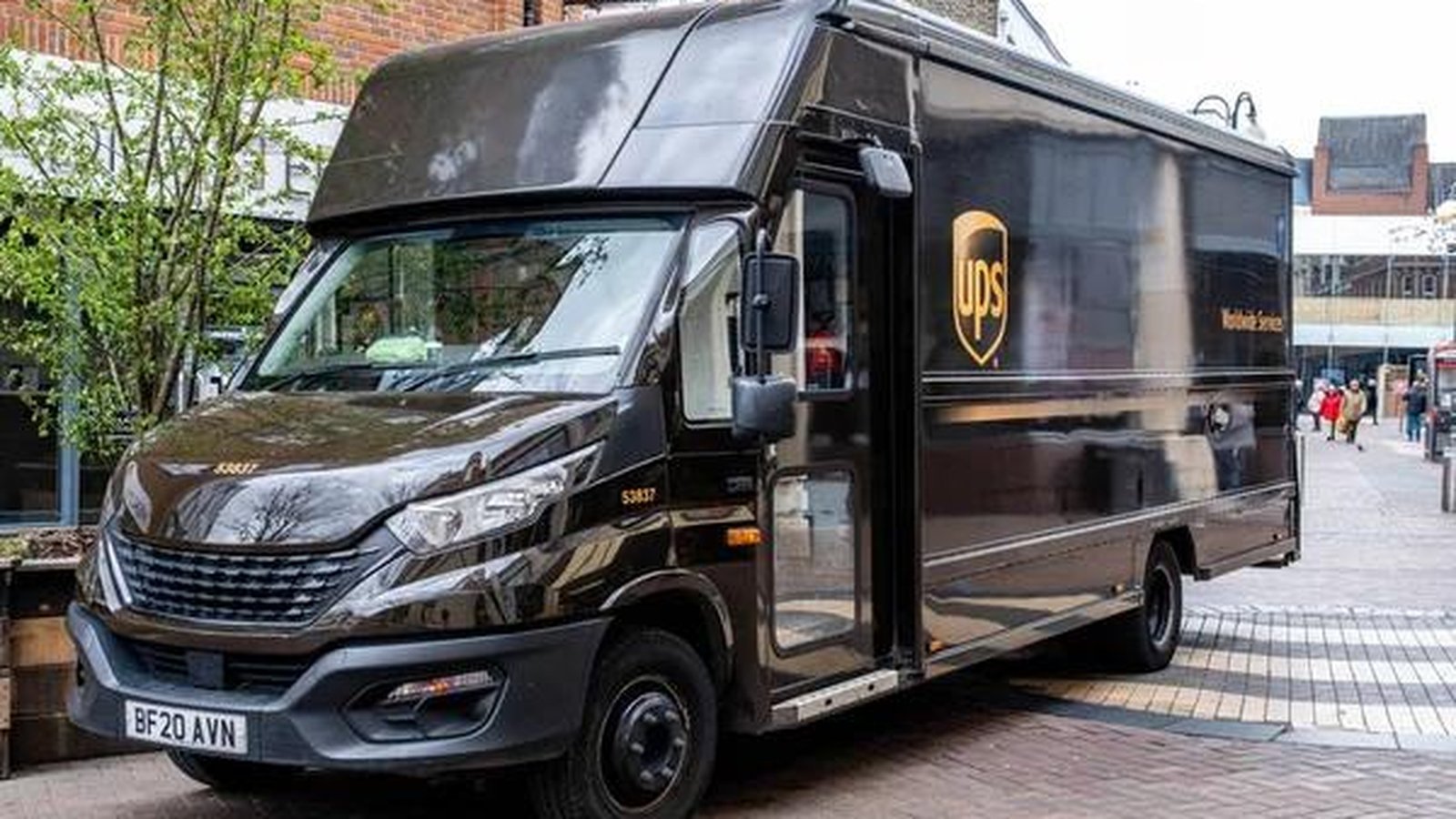
    UPS courier delivery van parked on a city street

    When you need samples, urgent replacements, or small high-value orders delivered to the US or EU in 2–5 days, international express is the only realistic option. But shipping directly through DHL, UPS, or FedEx retail rates from China can eat 20–40% of your product margin. This guide compares the three majors, explains how dimensional weight works, shows when express beats air or sea freight, and tells you how to access discounted rates through Chinese forwarders.

    1. DHL vs UPS vs FedEx: Head-to-Head

    Carrier Strengths Typical transit (China→US/EU)
    DHL Express Strongest in Europe and Asia; dense China network; best customs brokerage for EU 2–4 business days
    UPS Strongest US domestic last-mile; reliable for heavy packages 2–5 business days
    FedEx Good balance of US and EU; competitive on mid-size parcels 2–5 business days

    For most China exporters, DHL is the default to Europe, UPS the default to the US, and FedEx a close alternative. All three offer door-to-door tracking and handle customs clearance as part of the service.

    2. Actual Chargeable Weight: Why Empty Boxes Cost Money

    Express carriers charge the greater of actual weight and volumetric (dimensional) weight. The formula used by DHL/UPS/FedEx for international shipments is:

    • Volumetric weight (kg) = (Length × Width × Height in cm) / 5000

    Example: a carton measuring 40 × 40 × 40 cm weighs only 5 kg, but its volumetric weight is 12.8 kg—you pay for 12.8 kg. This is why packing tightly matters: a 20 cm smaller dimension can cut your billable weight by 40%. Always ask the factory to pack samples as compactly as possible, and remove empty filler before dispatch.

    3. When to Use Express vs Air Freight vs Sea Freight

    • Express (0–100 kg, urgent). Samples, replacements, small high-value orders. Cost: USD 5–10/kg door-to-door.
    • Air freight (100–500 kg, non-urgent). Consolidated air cargo, 5–10 days. Cost: USD 3–6/kg. You handle airport pickup and brokerage.
    • Sea freight (>500 kg, bulk). LCL or FCL, 25–40 days. Cost: USD 50–150 per CBM. Best for full container orders.

    If your shipment is under 20 kg and the customer is waiting, express is almost always the right—and often the only—choice.

    4. The Shipping Process from China

    Sending a parcel via Chinese export express involves four steps:

    • Pickup. The carrier (or your forwarder) collects from the factory or warehouse. Chinese factories often have daily pickup accounts.
    • Commercial invoice. You provide an invoice with sender, receiver, description, HS code, declared value, and currency. Under-declaring value risks customs detention.
    • Export customs. The carrier handles Chinese export declaration.
    • Import customs & delivery. At destination, the carrier clears customs and delivers. For low-value parcels under the US de minimis threshold (currently USD 800 for most countries, though rules have tightened in 2025–2026), no duty may apply; otherwise the recipient pays duty or it is billed to a DDP account.

    For documents, always use the carrier’s commercial invoice template; handwritten or inconsistent invoices cause customs holds. Keep a copy for your records in case of a duty dispute.

    5. How to Cut Express Costs by 30–50%

    Retail counter rates are expensive. Real savings come from:

    • Use a Chinese freight forwarder, not the carrier directly. Forwarders buy express capacity in bulk and resell it at 50–70% of retail. A 5 kg sample that costs USD 90 at the DHL counter often moves for USD 40–55 via a forwarder.
    • Optimize package dimensions. The /5000 divisor rewards compact cartons. Design sample kits to nest tightly.
    • Negotiate a monthly account. Once you ship more than 20 parcels a month, ask the carrier or forwarder for a volume rate card.
    • Compare surcharges. Fuel surcharge, remote-area fee, and residential delivery fee can add 20–30%. Ask for a fully landed quote, not just the base rate.

    Get a Free Sourcing Consultation →

  • China Manufacturing Industrial Clusters: Map, Advantages & How to Source Within Them

    China Manufacturing Industrial Clusters: Map, Advantages & How to Source Within Them

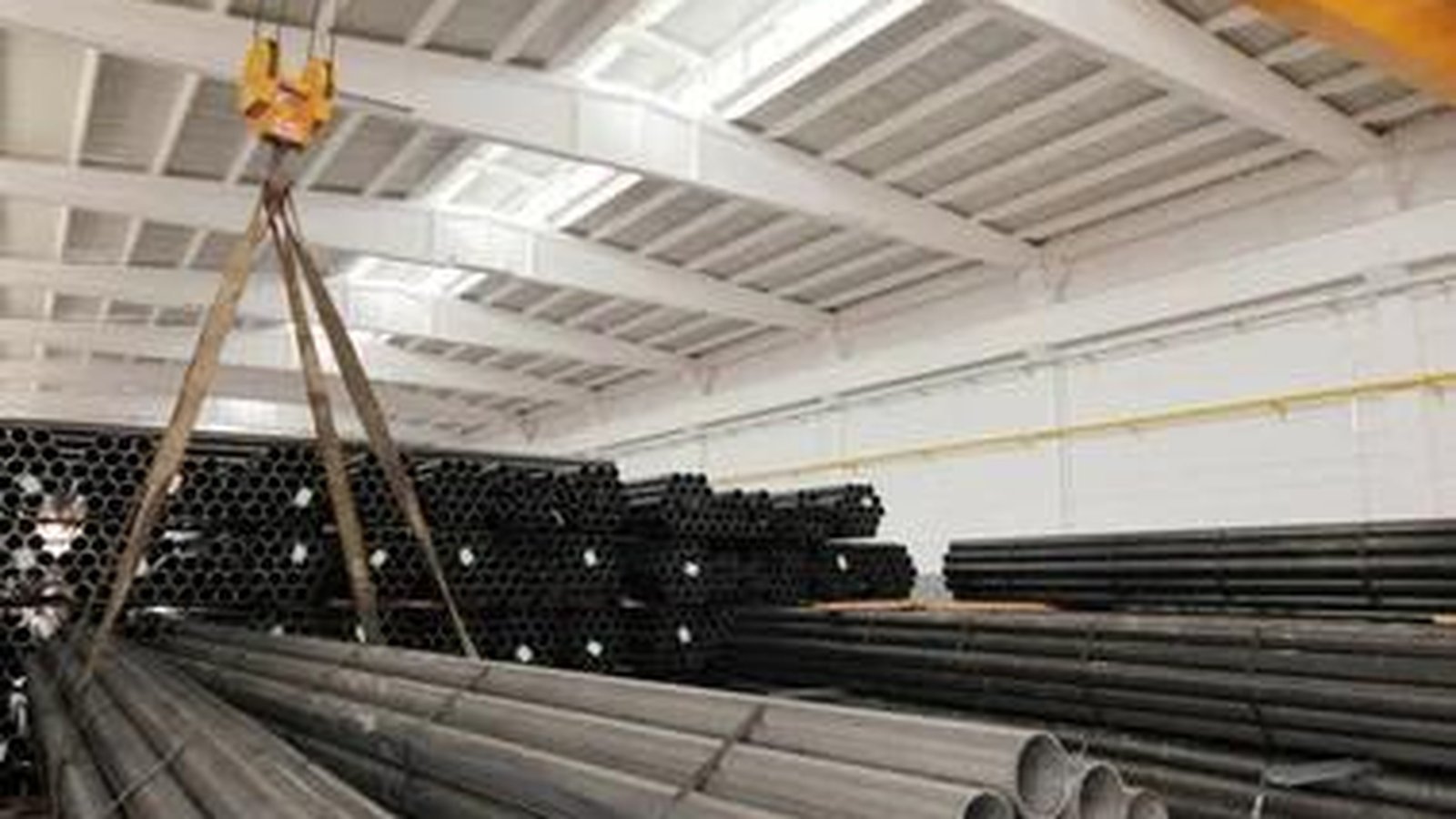
    Steel pipes lifted by overhead crane inside a manufacturing factory workshop

    If you ask a Chinese factory owner why his region makes a certain product, the answer is almost never “because we chose to.” It is because every supplier, subcontractor, raw-material trader, and skilled worker within a 50 km radius makes the same thing. That is an industrial cluster, and it is the reason China’s manufacturing ecosystem is hard to replicate. Understanding where each cluster sits — and sourcing inside it — cuts your cost, lead time, and defect rate dramatically. This guide maps the major clusters and explains how to use them.

    Why Clusters Beat Isolated Factories

    A cluster concentrates the entire supply chain within a small geography. A furniture factory in Foshan can source boards from a neighboring town, hardware from a market 20 km away, foam from a supplier down the road, and delivery to the port in 2–3 hours. The advantages compound:

    • Component availability: no waiting weeks for imported parts; everything is a truck ride away.
    • Skilled labor: workers who have done the same job for a decade move between factories easily.
    • Cost competition: dozens of nearby factories bid for the same materials and logistics, keeping input prices transparent and low.
    • Fast iteration: a mold, a sample, or a design change can be delivered in hours, not days.

    Sourcing inside the cluster means you buy from a factory whose suppliers are already optimized for that product. Buying the same product from a factory in a non-cluster region usually costs 10–30% more and takes longer.

    The Major Clusters You Should Know

    • Shenzhen and Dongguan (Guangdong) — electronics, consumer devices, smartphones, PCB assembly, precision molds. The global center for hardware.
    • Foshan and Shunde (Guangdong) — furniture, ceramics, appliances, hardware. Shunde is one of the world’s largest furniture manufacturing bases.
    • Guzhen, Zhongshan (Guangdong) — lighting and LEDs. A single town dominates a large share of the world’s decorative and commercial lighting production.
    • Putian and Jinjiang (Fujian) — footwear and sportswear. Putian built its reputation on footwear manufacturing, including OEM production for major brands.
    • Quanzhou (Fujian) — sanitary ware, footwear, apparel, and building ceramics.
    • Yiwu (Zhejiang) — small commodities, toys, socks, accessories, daily-use goods — covered in its own guide.
    • Hangzhou, Shaoxing, and Huzhou (Zhejiang) — textiles, garments, fabrics, and silk.
    • Wenzhou (Zhejiang) — lighters, eyeglasses, low-voltage electrical, locks.
    • Zhuji “Datang” (Zhejiang) — the world’s sock capital, producing a huge share of global hosiery.
    • Ningbo and Taizhou (Zhejiang) — plastics, auto parts, molds, stationery.

    How to Source Within a Cluster

    Once you know the cluster for your product, the sourcing process changes. Instead of searching Alibaba nationwide, you target the city and visit the local wholesale market or industrial park.

    • Start at the cluster market. Guzhen has a huge lighting exhibition center; Foshan has furniture markets; Yiwu has the trade mart. These markets are where cluster factories show their catalogs, and you can compare dozens of suppliers in two days.
    • Visit factories, not showrooms. Clusters have many trading companies that look like factories. Ask for the production address; a real factory within the cluster is 20–60 minutes away.
    • Benchmark price locally. Because the cluster is transparent, you can get three quotes for the same product in an afternoon. If one quote is 50% lower, it is not a bargain — it signals a corner cut on material.
    • Use the cluster’s logistics. Each cluster has established trucking to Shanghai, Shenzhen, or Ningbo. Inland freight within the cluster is cheap; let the factory handle it rather than arranging your own national trucking.

    Cluster-Based Supplier Selection and Audit

    When you have shortlisted two or three factories inside the cluster, run the standard qualification: business license, factory audit, sample order, and QC plan. But add one cluster-specific step — ask nearby suppliers or the local market which factories are reliable. Word of mouth travels fast in a small cluster, and asking the right local agent surfaces both the good factories and the ones with chronic quality problems.

    The long-term advantage of cluster sourcing is that your supply chain becomes replaceable. If your primary factory in Foshan underperforms, you can switch to a competitor 15 km away with minimal ramp-up cost. That flexibility — not the unit price — is the real strategic benefit of buying inside a cluster.

    Cluster Logistics and Why Port Choice Matters

    Each cluster has a natural nearest port, and choosing the wrong one quietly adds inland trucking cost. Foshan and Zhongshan factories naturally export through Shenzhen or Guangzhou; Yiwu and Zhejiang factories through Ningbo or Shanghai; Putian and Quanzhou through Xiamen or Fuzhou; Shenzhen and Dongguan through Yantian, Shekou, or Chiwan. When you ask for an FOB quote, confirm which port the factory assumes — “FOB Shenzhen” from a Foshan factory includes a long trucking leg, while “FOB Foshan” or “EXW” lets you control it.

    Clusters also concentrate forwarders and inspection agencies. A third-party inspector based in the cluster can visit multiple factories in one day at lower cost than flying in from another city. Use this: schedule a single inspection trip that audits two or three shortlisted factories, samples their production lines, and compares quality side by side. The cluster’s density makes due diligence cheaper and faster than anywhere else in the world.

    Find the Right Cluster Factory for Your Product →

  • Shenzhen Electronic Components Market: Huaqiangbei Sourcing, Genuine vs Refurbished Chips

    Shenzhen Electronic Components Market: Huaqiangbei Sourcing, Genuine vs Refurbished Chips

    Close-up of a printed circuit board with integrated circuit chips and electronic components

    Shenzhen’s Huaqiangbei is the most dense electronics components market on Earth — several city blocks of malls stacked with stalls selling integrated circuits, PCBs, connectors, displays, LEDs, passives, and modules at prices and lead times nowhere else can match. For hardware startups, contract manufacturers, and product teams doing small-batch runs or prototypes, it is irreplaceable. But it is also a market where refurbished ICs are remarked as new, stock is pulled from recycled boards, and a $2 chip can silently kill a product line. This guide explains what to buy, what to avoid, and how to verify authenticity.

    What You Can Source in Huaqiangbei

    • Integrated circuits (MCUs, memory, power-management, analog chips) — both official distributor stock and grey-market pulls. This is where the risk concentrates.
    • PCBs and PCB assembly — prototype boards in 24–48 hours, small-batch SMT assembly in nearby Bao’an and Longgang.
    • Connectors, cables, and wires — JST, PH, XH, USB, FPC, and thousands of specialty connectors.
    • Displays and touch panels — TFT, OLED, e-paper, and touch modules in every common size.
    • LEDs, passives, resistors, capacitors, crystals, sensors, and modules — generic parts are generally genuine, because branding them is not the fraud model.

    The market is divided by mall: SEG Plaza is the landmark, but Huaqiangbei Electronic World, New Asia, and Sai Ge carry different categories. Bring your BOM list printed; vendors expect to quote line by line.

    The Real Risk: Original vs Refurbished and “Pulled” Stock

    The fraud model is not usually obvious counterfeit; it is quality misrepresentation. Sellers label chips as “original new” when they are actually: removed from recycled PCBs (called “pulls”), refurbished (re-marked date codes), rejected factory units, or downgraded dies sold as higher-speed parts. Branded parts — ST, TI, NXP, Microchip, Apple, Espressif — are the usual targets because there is a margin between grey and official distribution.

    Red flags you can spot visually:

    • Inconsistent or mismatched date codes within a single reel.
    • Solder residue or re-tinning on the pins of an IC advertised as new.
    • Scratched, sanded, or reprinted top markings on the package.
    • Prices 30–50% below the official distributor spot price — genuine chips cannot be sold that far below market.

    How to Verify a Component Before You Trust It

    For production-critical ICs, do not rely on the stall owner’s word.

    • Compare against the official datasheet. Pinout, package marking, temperature range, and electrical characteristics must match exactly. A chip in a wrong package variant is an immediate reject.
    • Check date code and lot. Genuine parts have consistent lot codes; request a reel photo before buying.
    • X-Ray and decap services are available in Shenzhen and online labs for high-value chips. X-ray reveals bond-wire structure and die size; a tiny die inside a big package is a remarked part.
    • Sample test on your own board. For any bulk purchase of 100+ units, buy a 5–10 unit sample, run your firmware and burn-in, and only then release the PO. This single step eliminates most field-failure risk.
    • Use authorized distributors for single-source or safety-critical parts. For MCU main controllers, battery-management ICs, or wireless SoCs, buy through LCSC, Digi-Key, Mouser, or the official local distributor. It costs more, but the supply chain is documented.

    Small-Batch BOM Buying and Compliance

    Huaqiangbei excels at small-batch BOM fulfillment: a 50-unit prototype run with 80 line items can be quoted and delivered in 2–3 days. For production runs, most hardware teams split the BOM — branded and safety-critical parts through authorized distribution, generic passives and connectors through the market.

    For export to the EU or US, request RoHS and REACH compliance documentation. Generic passives are usually RoHS-compliant, but ask for the supplier’s RoHS test report; for products sold in California, ensure Prop 65 disclosures. Any electronic product shipped to the US also needs FCC certification at the product level — the component-level declarations do not replace that.

    Small-Batch Runs and Working With a Contract Manufacturer

    Most hardware teams do not assemble boards themselves; they use a Shenzhen contract manufacturer (CM) or PCBA house. The CM typically buys components itself through its own supply chain. The question for you is whether to supply critical parts (called consigned or kitted parts) or let the CM source them. For safety-critical or single-source ICs, consigning the main MCU and battery-management chip through authorized distribution is the safer route; passives, connectors, and generic LEDs can be sourced by the CM from Huaqiangbei without excessive risk.

    For prototyping, the Huaqiangbei market lets you buy 5 pieces of an obscure connector or an obsolete display in an afternoon — something an authorized distributor would refuse for minimum-order reasons. Keep a component library with photos, part numbers, and which stall sold them; six months later, when you need a replacement, that record saves hours. And for production runs of 1,000+ boards, shift the BOM to a formal distributor or the CM’s established supply chain; the market is for prototyping and small lots, not full production reliability.

    Get Help Sourcing a Verified BOM in Shenzhen →

  • Cross-Border Returns Handling for China Imports: Practical Solutions

    Cross-Border Returns Handling for China Imports: Practical Solutions

    Returned cardboard box standing in a modern warehouse

    One of the nastiest surprises for new importers is the returns problem. A customer in the US or EU wants to send back a defective or wrong item. Shipping that parcel back to China via DHL costs USD 40–80—often more than the product itself—and on top of that China import duties may apply on the way back. In most cases it is cheaper to write the unit off. This guide explains the reality of cross-border returns and the four practical strategies you can use instead of sending goods back to China.

    1. Why Returning Goods to China Usually Does Not Work

    Before 2020, returning goods to China was already expensive. Today it is usually uneconomical because:

    • Express return shipping from the US/EU to China via DHL/UPS/FedEx runs USD 40–100 for a small parcel, before fuel surcharges and remote-area fees.
    • China import customs may treat the returned goods as a new import and charge duty and VAT, even though they are defective.
    • Lead time of 2–4 weeks means the product is obsolete by the time it arrives back at the factory.
    • Chinese suppliers often refuse to accept returned goods without a pre-arranged RMA process, and may charge a restocking fee.

    Rule of thumb: if the product’s wholesale value is under USD 30, returning it to China almost never makes financial sense.

    2. Solution 1: Local Warehouse Returns in Your Market

    The most professional solution is to have returns come back to a local warehouse in your destination market rather than to China. Options include:

    • Your own 3PL warehouse (US, EU, UK, UAE)
    • Amazon FBA return bins if you sell on Amazon
    • A local returns-processing service that inspects, restocks, refurbishes, or liquidates units

    The returned item never crosses an ocean. Your warehouse team inspects it, decides whether it can go back into sellable inventory, and only sends a consolidated defect report (with photos and serial numbers) to the Chinese factory every quarter as evidence for future compensation.

    3. Solution 2: Local Disposal, Liquidation, or Donation

    For low-value or damaged goods, the cheapest recovery is often:

    • Liquidation. Platforms such as Bulq, Direct Liquidation, or local discount outlets buy pallets of customer returns at 5–20% of retail value. You recover something rather than zero.
    • Donation. Donate to charity (Goodwill, local shelters) and take a tax write-off in the US/EU. This is often the fastest way to clear a warehouse of unsellable units.
    • Responsible recycling / destruction. For electronics or hazardous items, use a certified e-waste recycler. Keep the destruction certificate for your records.

    4. Solution 3: Insurance Claims and Supplier Negotiation

    For bulk quality issues, you should not absorb the loss yourself. Two channels:

    • Cargo insurance. If goods were damaged in transit, your shipping insurance (often included with sea freight) covers the loss. File within 30 days with photos and the survey report.
    • Supplier credit. In your purchase contract, define a defect rate threshold (e.g. “if more than 2% of units are defective, the supplier credits or replaces them”). Collect evidence at the destination warehouse, then negotiate a credit against your next order rather than demanding physical returns.

    5. Reducing Returns Before They Happen

    The best returns strategy is to make returns rare. Focus on the top three causes:

    • Pre-shipment inspection. AQL 2.5 inspection at the factory catches 90% of quality issues before shipment. Cost: USD 200–300 per inspection, saving thousands in returned units.
    • Better packaging. Most “defective on arrival” returns are actually transit damage. Use double-wall cartons, foam corner protectors, and drop-test the packaging yourself.
    • Accurate product specs and photos. Returns caused by “not as described” drop sharply when your listing includes real dimensions, weight, materials, and honest photos rather than marketing renders.

    Put these clauses into every purchase contract: defect rate threshold, credit mechanism, packaging standards, and a pre-shipment inspection requirement. That single document will do more for your margin than any warehouse.

    Get a Free Sourcing Consultation →

  • Yiwu Market Sourcing Guide: How to Buy Small Commodities at China’s Wholesale Capital

    Yiwu Market Sourcing Guide: How to Buy Small Commodities at China’s Wholesale Capital

    Narrow aisle inside a Chinese wholesale market with stalls of packaged goods and cartons

    Yiwu, a city in Zhejiang Province, is the largest small-commodities wholesale market on Earth. Its International Trade Mart contains roughly 75,000 booths across five districts, selling everything from socks to toys to jewelry to kitchen utensils at prices that no other market on the planet can match. For e-commerce sellers, gift importers, and small-volume buyers, Yiwu is the fastest way to source a wide range of low-value, high-turnover goods at low minimums — but only if you know how the market works. This guide walks through the districts, the buying rules, and the pitfalls.

    The Five Districts, and What to Find in Each

    Yiwu International Trade City is organized by product category. Plan your route so you do not waste days walking.

    • District 1: toys, artificial flowers, jewelry, hair accessories, and craft decorations. Roughly 20 floors of small, brightly packaged goods.
    • District 2: bags and suitcases, umbrellas, rainwear, hardware tools, and kitchenware.
    • District 3: stationery and office supplies, sporting goods, cosmetics, and eyewear.
    • District 4: socks, hosiery, gloves, hats, lace, and daily-use goods — about 16,000 booths of textiles and everyday items.
    • District 5: imported goods, bedding, auto accessories, and pet products; newer and more modern, with about 7,000 booths.

    Each district is several stories of identical 3–4 m booths. Wear comfortable shoes; a serious buying trip covers several kilometers a day.

    How Buying Works: Low MOQ and Mixed Containers

    The defining feature of Yiwu is that almost every booth will sell you small quantities. Where a dedicated factory demands 1,000–5,000 units per order, a Yiwu wholesaler may sell you one or two dozen pieces — often by the carton or by the dozen. This is why Yiwu is the default for gift buyers, promotional-product agencies, and cross-border sellers building a varied catalog.

    The second key feature is mixed-container consolidation. You can buy 20 different products from 20 different booths, have them all delivered to a Yiwu forwarder’s warehouse, and consolidate them into one container for export. Without this, the logistics cost of dozens of small shipments would make small-batch buying uneconomic. Use a bonded Yiwu consolidator; they typically charge by the cubic meter for warehousing and consolidation.

    Sourcing and Bargaining Tips

    • Mark your booths. Wear comfortable shoes, take photos of booth numbers and business cards, and log products in a spreadsheet as you go. Prices blur together by day three.
    • Expect to bargain. Listed prices are starting points; bulk orders and repeat buyers can expect 10–30% off. But the market is transparent — any booth quoting wildly above the norm will lose business.
    • Ask factory vs trader. Many Yiwu booths are trading fronts for factories in surrounding Zhejiang and Fujian. For large repeat orders, ask whether the booth can arrange a factory visit.
    • Samples first. Buy samples of every product you intend to list; Yiwu quality ranges from export-grade to domestic-market-grade. A $0.50 sample saved in advance avoids a container of returns.
    • Watch IP. Licensed character toys, branded accessories, and trademarked items in Yiwu are often unlicensed copies. Do not ship these to the US or EU; customs will seize them.

    Who Yiwu Is For — and For Whom It Is Not

    Yiwu fits promotional-product buyers, gift and souvenir importers, cross-border e-commerce sellers, Amazon FBA sellers sourcing long-tail SKUs, and retailers needing variety rather than volume. It is less suitable if you need custom OEM manufacturing with your own logo on a high-spec product — for that, you want the actual factory clusters in Guangdong, Zhejiang, or Fujian, not a Yiwu booth.

    The practical pattern is: use Yiwu to find and test products at low MOQ, then move proven SKUs to direct factory orders in the relevant cluster for better price and quality control. Yiwu is where products are discovered, not where they are scaled.

    Logistics: Combining Many Small Buys Into One Shipment

    Yiwu’s logistics model is its quiet superpower. Because so many buyers source dozens of small items from different booths, a forwarder industry has grown up specifically to consolidate these purchases. After you pay each booth, the goods are delivered to the forwarder’s warehouse, where they are sorted, weighed, photographed, and combined by volume. For air freight you pay by the kilo; for sea LCL you pay by the cubic meter; for FCL you fill a 20- or 40-foot container.

    Budget for consolidation fees, export customs, and domestic trucking to Ningbo or Shanghai — Yiwu itself is rail-connected but ocean containers usually move through Ningbo, about two hours away. Ask the forwarder for photos of every consolidated pallet before it leaves; this is your evidence if short-shipments occur. For first-time buyers, hiring a local Yiwu sourcing agent — who walks the market with you, negotiates, and manages consolidation — usually pays for itself in avoided mistakes.

    Finally, schedule your trip around the market calendar. The trade mart is open six days a week, usually closed on Sundays, and the Canton Fair in Guangzhou and Yiwu’s own cultural-product and gifts fair draw suppliers and buyers from across the globe; visiting during a fair week gives you access to factories that do not keep a regular booth.

    Plan a Yiwu Buying Trip With an On-Site Agent →

  • Overseas Warehouse vs Direct Shipping from China: Which Model Fits Your Business?

    Overseas Warehouse vs Direct Shipping from China: Which Model Fits Your Business?

    Large ecommerce fulfillment center warehouse filled with shelving aisles and cardboard boxes

    Once your China-sourced products start selling, the next strategic decision is not what to buy, but how to get it to your customer. Direct shipping from China — small parcels sent order by order — is simple and requires almost no upfront inventory. An overseas warehouse, by contrast, means shipping bulk inventory to a local warehouse in your destination market and fulfilling each order locally. Get this wrong and you either bleed margin on parcel shipping or tie up cash in stock that never moves. This guide lays out the decision framework so you can choose deliberately, not by default.

    The Two Models at a Glance

    Direct shipping from China means every customer order is packed and dispatched from China, typically via ePacket, China Post, Yanwen, Yunexpress, or DHL eCommerce. Delivery to the US or Europe usually takes 7–20 days, sometimes longer. You hold no overseas inventory, but you pay a per-parcel rate that does not drop much as volume grows.

    Overseas warehouse means you sea-freight or rail-freight a batch of product to a 3PL warehouse in your destination country, store it there, and ship each order locally. Local delivery takes 2–5 days, and per-unit shipping cost is much lower, but you commit to buying a batch upfront, paying storage fees, and accepting the risk of unsold stock.

    Cost Structure: Where Each Model Wins

    Compare total landed cost per order, not just the freight line item.

    • Direct shipping: product cost + single-parcel freight + no storage + no returns handling locally. The parcel rate for a 200 g packet to the US is typically $3–6; at 500 g it can exceed $8. This is cheap at low volume but becomes expensive fast.
    • Overseas warehouse: product cost + bulk head freight (sea or rail, amortized per unit often $0.5–3) + inbound handling + monthly storage rent + pick/pack per order ($1–3) + local last-mile courier ($3–6 for a small parcel). You also need capital to buy and ship the initial batch.

    The break-even point is the monthly order volume at which the overseas-warehouse cost per order equals the direct-shipping cost per order. A typical small e-commerce product crosses this threshold somewhere between 200 and 500 orders per month per SKU. Below it, direct shipping wins; above it, the overseas warehouse wins.

    Inventory Risk and Working Capital

    This is the dimension most new sellers underweight. Direct shipping lets you test a product with almost no inventory: you list it, take orders, and buy from China to fulfill. If the product flops, you lose almost nothing. An overseas warehouse commits you to a batch — often 500 to 2,000 units — before you know the real demand curve.

    Overseas warehouse stock also expires in two ways: it becomes unsellable through damage or obsolescence, and it ties up cash that could fund new product tests. A common rule of thumb is to move only proven SKUs with a stable monthly velocity into an overseas warehouse, and keep new or experimental products on direct shipping. This is exactly why Amazon FBA sellers often maintain a small direct-shipment pipeline for test items while FBA handles the winners.

    Returns and Customer Experience

    Returns are the quiet killer of direct shipping. A customer who needs to send a product back to China faces a $15–30 return label and a 4–6 week wait for a refund; many dispute the charge with their payment provider instead. With an overseas warehouse, returns come back to a local address, can be inspected, restocked, or liquidated locally, and refunds can be issued in days. For any product category with meaningful return rates — apparel, footwear, electronics, beauty devices — a local returns address is close to mandatory for brand reputation.

    Delivery speed also drives conversion. On marketplaces and in DTC checkout, a 2-day delivery badge lifts conversion versus a 15-day estimate. If your competitors use local fulfillment and you ship from China, you are competing on delivery promise as much as on price.

    Which Products Fit Which Model

    • Direct shipping fits: low-order-volume test SKUs, lightweight small items under 200 g, highly seasonal one-off products, and sellers still validating product-market fit.
    • Overseas warehouse fits: proven SKUs moving 300+ units per month, heavier items where parcel cost dominates, products with high return rates, and any brand competing on delivery speed.
    • The hybrid model: most mature sellers run both. Top sellers live in the overseas warehouse; long-tail and new SKUs ship direct from China; a small safety stock sits in the overseas warehouse to cover spikes while the next sea container is in transit.

    Calculate your break-even for each SKU, start direct, and migrate winners to the overseas warehouse as velocity becomes predictable. That discipline beats either extreme.

    How to Calculate Your Break-Even Point

    Rather than guessing, build a simple spreadsheet. On one row, list the direct-shipping cost per order: product cost plus the current parcel rate to your destination for your average parcel weight. On the other row, list the overseas-warehouse cost per order: product cost plus amortized head freight, plus inbound handling, plus pick-and-pack, plus last-mile delivery, plus monthly storage rent divided by monthly order volume. The two numbers cross over at some monthly order count.

    For a typical 300 g product selling in the US, direct shipping often costs around $4–6 per order in freight, while an overseas-warehouse order can cost $2–3 once volume is high enough to amortize storage. That $2–3 difference per order, multiplied across thousands of monthly orders, is the cash that funds growth. But if you are doing fifty orders a month, the fixed warehouse rent eats that margin alive. Test the model at small scale: send one sea container to a 3PL, measure the true all-in cost per order for two months, and then decide whether to expand.

    Get a Free Fulfillment & Sourcing Cost Review →

  • China 3PL and Dropshipping Fulfillment Warehouses: A Buyer’s Guide

    China 3PL and Dropshipping Fulfillment Warehouses: A Buyer’s Guide

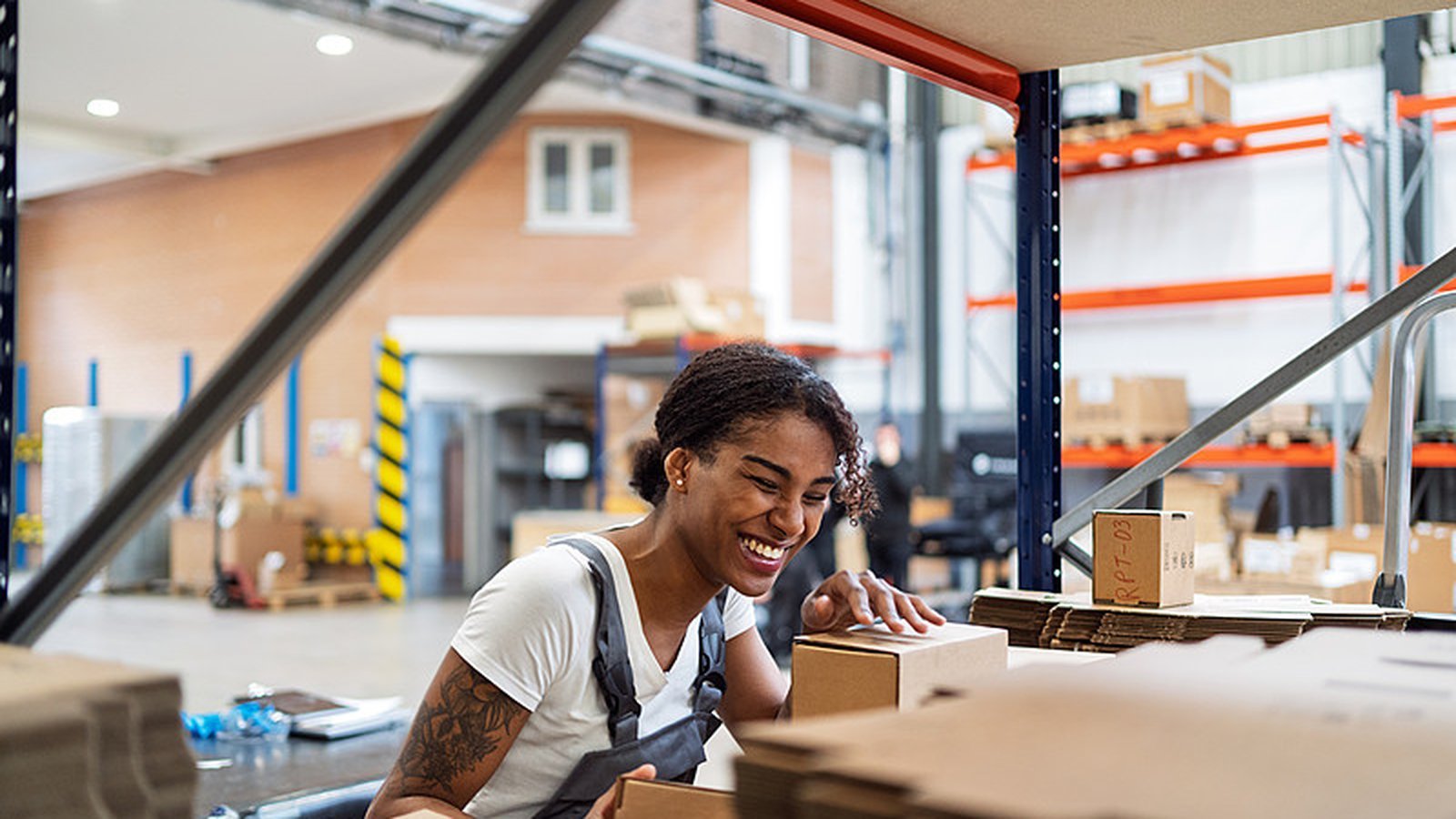
    Warehouse worker checking parcels in a fulfillment center

    For cross-border e-commerce sellers, dropshippers, and Amazon FBA prep sellers, a China-based 3PL (third-party logistics) warehouse can cut handling costs by 60–80% compared with a US or EU fulfillment center. Instead of shipping bulk inventory overseas and storing it abroad, you keep stock in a Chinese warehouse near your supplier and let the 3PL pack and ship each order directly to your end customer. This guide explains what these warehouses actually do, how they price, and how to choose one without getting burned.

    1. What a China 3PL Warehouse Actually Does

    A typical cross-border 3PL near Yiwu, Shenzhen, or Guangzhou offers:

    • Receiving and storage of your supplier’s bulk shipment on arrival at the warehouse
    • Picking, packing, and labeling of individual orders (poly mailers, cartons, insert cards, custom branding)
    • International shipping integration: China Post e-packet, Yanwen, YunExpress, DHL Packet, USPS-bound lines, and dedicated Amazon FBA prep services
    • Returns handling (for local returns if the warehouse supports it)
    • Value-added services: kitting, relabeling, poly-bagging, FBA carton labeling, photo shoots

    2. How Pricing Works: The Real Cost Structure

    Quote structures vary, but almost every 3PL charges four components. Ask for all four:

    • Storage fee. Often free for the first 30–60 days, then USD 5–15 per pallet per month, or per CBM per month. Long-term slow-movers get charged heavily.
    • Inbound handling (receiving). USD 20–50 per pallet, or USD 0.5–2 per carton.
    • Order processing (picking & packing). USD 1–3 per order for standard picking, plus USD 0.5–1.5 for custom packaging materials.
    • International shipping. The line-haul cost per parcel, which the 3PL passes through (often with a small commission). This is usually 70–85% of the total order cost.

    Avoid warehouses that quote only a low “per order” fee but hide storage or customs brokerage charges. Always ask for a full landed-cost estimate per order, broken down by destination country.

    Also confirm which international lines the warehouse actually uses for each destination—some warehouses quote cheap rates but route parcels through slow local post that takes 25 days. Ask for average and worst-case delivery time to your main customer ZIP codes, in writing.

    3. System Integration: API and ERP Connections

    A 3PL is only useful if orders flow automatically. Check:

    • Native integrations with Shopify, WooCommerce, eBay, Etsy, and Amazon (for non-FBA orders)
    • Open API for custom workflows
    • Integration with Chinese ERP systems such as aftership, Shipstation, or local WMS platforms
    • Real-time inventory sync—you should see stock levels update within 15 minutes of an order
    • Tracking number auto-upload to the marketplace

    If the warehouse still expects you to email Excel orders twice a day, walk away—that is not 3PL, it is a hobby operation.

    4. Who Should Use a China 3PL (and Who Shouldn’t)

    Good fit:

    • Dropshippers selling light, non-fragile items (apparel, accessories, phone cases) where 7–15 day delivery is acceptable
    • Sellers testing a new product before committing to overseas FBA storage
    • Brands doing small-batch restocks from multiple Chinese suppliers into one consolidated shipment

    Poor fit:

    • Customers who expect 2–3 day US delivery (China-to-US e-packet takes 7–15 days)
    • Fragile, high-value, or temperature-sensitive goods
    • Very large, heavy items where international shipping cost erodes margin

    5. How to Evaluate a Warehouse and Run a Trial

    Before signing a 6-month contract:

    • Visit the warehouse via live video call; check racking, packing stations, and order volume.
    • Ask for references from 2–3 current clients of similar size.
    • Run a 10–20 order pilot: send real inventory, place real test orders, and measure packing accuracy, shipping cost, tracking updates, and delivery time.
    • Check their refund policy for lost or damaged inventory.

    A reliable 3PL will happily do a small pilot; one that demands a long-term commitment before proving itself should be avoided.

    Get a Free Sourcing Consultation →

  • Industrial Design Outsourcing in China: Process, Costs and IP Protection

    Industrial Design Outsourcing in China: Process, Costs and IP Protection

    Industrial designers inspecting a 3D printed prototype

    Chinese industrial design studios now offer world-class concepting, 3D modeling, and prototyping at a fraction of Western agency rates. A product that might cost USD 30,000–80,000 at a San Francisco or Berlin design firm can often be done in Shenzhen or Ningbo for USD 3,000–15,000—while sitting one hour from the factory that will make it. But outsourcing design to China has real risks: IP leakage, misaligned expectations, and a design that looks great on screen but cannot be manufactured. This guide shows you how to run the engagement safely.

    1. Where to Find Chinese Industrial Design Firms

    • Shenzhen and Guangzhou. The hardware and electronics hub. Best for consumer electronics, gadgets, smart home devices, and anything requiring DFM for injection molding.
    • Ningbo, Hangzhou, and Shanghai. Strong in home goods, outdoor products, furniture, and baby products.
    • Online platforms: Behance and Dribbble (search “Shenzhen industrial design”), Alibaba’s design service section, and Clutch/GoodFirms listings. Ask to see a portfolio of shipped products, not just renders.

    Prefer a studio that already works with export brands and can communicate in English. A pure local studio may produce beautiful work but struggle with your target market’s usability and regulatory constraints.

    2. The Five Design Stages and What You Receive

    A professional engagement typically runs through five stages. Pay per stage, not as one lump sum:

    • Research & strategy (1–2 weeks). Market mapping, competitor teardown, user pain points, mood boards. Deliverable: a design brief document.
    • Concept sketching (2–3 weeks). 5–15 hand-drawn or rendered concepts, from which you pick 2–3 to develop.
    • 3D modeling & rendering (2–4 weeks). Photorealistic CAD models, color/material options, and final appearance design (A-surface).
    • CAD engineering & DFM (3–6 weeks). Detailed mechanical CAD (assembly, tolerances, BOM), mold flow analysis, and design-for-manufacture checks with the actual factory.
    • Prototyping (2–4 weeks). 3D-printed appearance model, then CNC or soft-tooled functional prototype for drop testing and field evaluation.

    Total timeline: 10–20 weeks for a consumer product from brief to validated prototype.

    3. Typical Fees and Payment Milestones

    Chinese design studios usually price by the project, not by the hour. Budget ranges:

    • Appearance-only design (renderings + color study): USD 1,500–5,000
    • Full industrial design (concept through A-surface): USD 5,000–15,000
    • Turnkey design + engineering + DFM + prototype: USD 10,000–30,000

    Structure payments in milestones, e.g. 30% on contract signing, 30% on concept approval, 30% on CAD delivery, 10% on prototype sign-off. Never pay 50% upfront; never release the final balance before you receive all CAD source files.

    4. Bridging Design to the Factory

    The biggest failure mode is a beautiful design that a factory says “cannot be made.” Mitigate this by:

    • Choosing a design studio that already collaborates with export factories, or requiring DFM reviews at the CAD stage.
    • Sharing the target factory’s mold and material constraints (draft angles, wall thickness, available surface finishes) with the designer from day one.
    • Making the design studio deliver manufacturing-ready STEP/IGES files plus a BOM, not just pretty renders.

    5. IP Ownership and NDA: Protecting Your Design

    Chinese design firms are generally professional, but you must put IP in writing:

    • Sign a two-way NDA before sharing any brand, product idea, or market research.
    • The contract should state that all design deliverables—sketches, CAD files, renderings, and the underlying IP—are work-for-hire and assigned to you on final payment.
    • File your own design patent or utility patent in your target markets (US design patent, EU registered community design, China design patent) once the concept is locked, before tooling.
    • Mark every shared file with confidentiality watermarks; share only the subset of CAD the engineer needs for that stage.

    If a studio refuses to sign an NDA or pushes back on IP assignment, walk away—there are hundreds of reputable alternatives.

    Get a Free Sourcing Consultation →

  • Reverse Image Search to Find Chinese Suppliers: A Practical Sourcing Method

    Reverse Image Search to Find Chinese Suppliers: A Practical Sourcing Method

    Online shopper using a smartphone to search products

    You saw a product on Instagram, in a store, or in a competitor’s listing and want to know where it is made—and at what price. Typing keywords into Alibaba gets you a wall of irrelevant results. The faster path is reverse image search: upload the product photo, and let the search engine match the same item across Chinese B2B platforms. This guide explains exactly how to use Google Lens, Alibaba image search, and 1688 image search to locate the actual factory behind a product, how to verify that the factory is real, and what to do next.

    1. Why Reverse Image Search Beats Keyword Search

    Chinese factories often make products that have no clear English category name—an oddly shaped kitchen gadget, a specific furniture leg profile, a novelty pet toy. Keyword search forces you to guess the vocabulary; image search removes that problem. Within seconds you can see:

    • The same product listed on Alibaba, Made-in-China, Global Sources, or 1688
    • The price range across multiple sellers
    • Which factories already export it
    • Whether the product is a private-label design or a generic market item

    2. The Three Tools You Need

    Google Lens (lens.google.com / the Google app). Upload your photo. Google returns visual matches from the open web, including Alibaba product pages, Reddit reviews, shopping sites, and news articles. Clicking through usually lands you on a Chinese supplier listing. Best first step for any product photo.

    Alibaba image search. On the Alibaba app or website, tap the camera icon in the search bar and upload your image. Alibaba’s index covers its own supplier listings, so you directly see verified Chinese factories and trading companies. Filter by “Verified Supplier” and “Trade Assurance” to narrow the field.

    1688.com image search. 1688 is Alibaba’s domestic Chinese platform. It lists the actual upstream factories—often the same suppliers Alibaba exporters use, but at domestic prices. Use the camera icon in the 1688 search bar. You may need a Chinese interface translator (browser plugin) and a purchasing agent to order, but it is the best way to find the true factory price.

    3. How to Go From a Match to a Real Factory

    A reverse image result shows you listings, not factories. Apply these filters to find the manufacturer rather than a middleman:

    • Check the company profile page: look for “Manufacturer” rather than “Trading Company,” factory photos, production line videos, and a listed factory address (Guangdong, Zhejiang, Jiangsu clusters).
    • Compare the product photo against the factory’s other listings. A trading company’s page shows many unrelated categories; a factory’s page shows one product family.
    • On 1688, look for “工厂” (factory) badges and “实力商家” (strength merchant) verification.
    • If multiple Alibaba listings show the same product with wildly different prices, the cheapest is usually the upstream factory and the more expensive ones are trading companies reselling it.

    4. Verify the Image: Avoid “Bait” Listings

    A common scam is a supplier using a beautiful product photo—often borrowed from a brand’s marketing site—while actually selling a different, cheaper version. Protect yourself:

    • Run the product photo through Google Lens again. If it appears on a famous brand’s website (e.g. a Dyson, Apple, or designer brand page), the Chinese supplier is probably selling a replica or an inferior copy, not the pictured product.
    • Ask the supplier to take a hand-held photo or a short video of the actual sample in their warehouse, holding today’s newspaper or your name. Genuine factories agree; scammers refuse.
    • Request OEM/ODM capability details and material specs (steel grade, fabric composition, dimensions) rather than accepting the listing’s marketing copy.

    5. Contacting the Supplier After You Find It

    Once you have 3–5 likely factories, send the same photo and a short RFQ to each. Include:

    • The uploaded product photo and any dimension reference
    • Your target quantity (first trial order vs bulk)
    • Customization needs (logo, color, packaging)
    • Destination port so they can quote FOB

    Compare responses. The supplier who sends a detailed spec sheet, material grade, and a realistic sample fee is usually a real factory; the one who replies with only “yes we can, best price” within five minutes is likely a trading company reselling someone else’s goods.

    Get a Free Sourcing Consultation →