分类: China Procurement

  • Production Follow-Up: How to Track Your China Factory Order Like a Pro

    Production Follow-Up: How to Track Your China Factory Order Like a Pro

    Production Follow-Up: How to Track Your China Factory Order Like a Pro

    Why Order Follow-Up Decides Your Delivery Date

    After you place an order and pay the deposit, the real work begins. Chinese factories juggle many orders, and the one without active follow-up is the one that slips. Effective production tracking — regular check-ins at defined milestones — is the difference between “we shipped on time” and “we are sorry, it is delayed two weeks.” This guide gives you a practical follow-up system that works even when you are not on the ground in China.

    Set Milestones Before You Pay

    Agree on clear milestones in the contract before transferring any deposit. Without milestones, you have no objective basis to push back later.

    • Material confirmation: supplier confirms materials sourced and approved
    • Production start: factory begins mass production (usually 3–7 days after deposit)
    • 50% completion: roughly halfway through production volume
    • Production complete: all units finished, awaiting inspection
    • Inspection date: third-party QC is scheduled
    • Shipment date: cargo loaded and B/L issued

    The Follow-Up Cadence That Works

    • Weekly check-ins: one short update per week, written, with photos or videos when possible
    • Milestone verification: request evidence at every milestone — production photos, batch numbers, packing line videos
    • Inspection before payment of balance: always schedule pre-shipment inspection before releasing the remaining payment

    What to Ask in Each Check-In

    • How many units are produced today? What is the daily output rate?
    • Any material, mold or machine issues this week?
    • Are we still on schedule for the agreed shipment date?
    • Can you send a photo/video of the current production line?

    Keep the tone professional and consistent. Suppliers respond better to buyers who are organized and predictable than to buyers who disappear and suddenly demand updates.

    When Delays Happen

    • Ask for the reason in writing, not just an apology
    • Request a new confirmed date and update the contract or order confirmation
    • If the delay threatens your deadline (e.g. holiday season), evaluate air freight as a partial or full solution — the cost may be worth protecting your sales
    • Document every delay; repeated late deliveries are grounds to shift volume to your backup supplier

    Tools That Help You Track

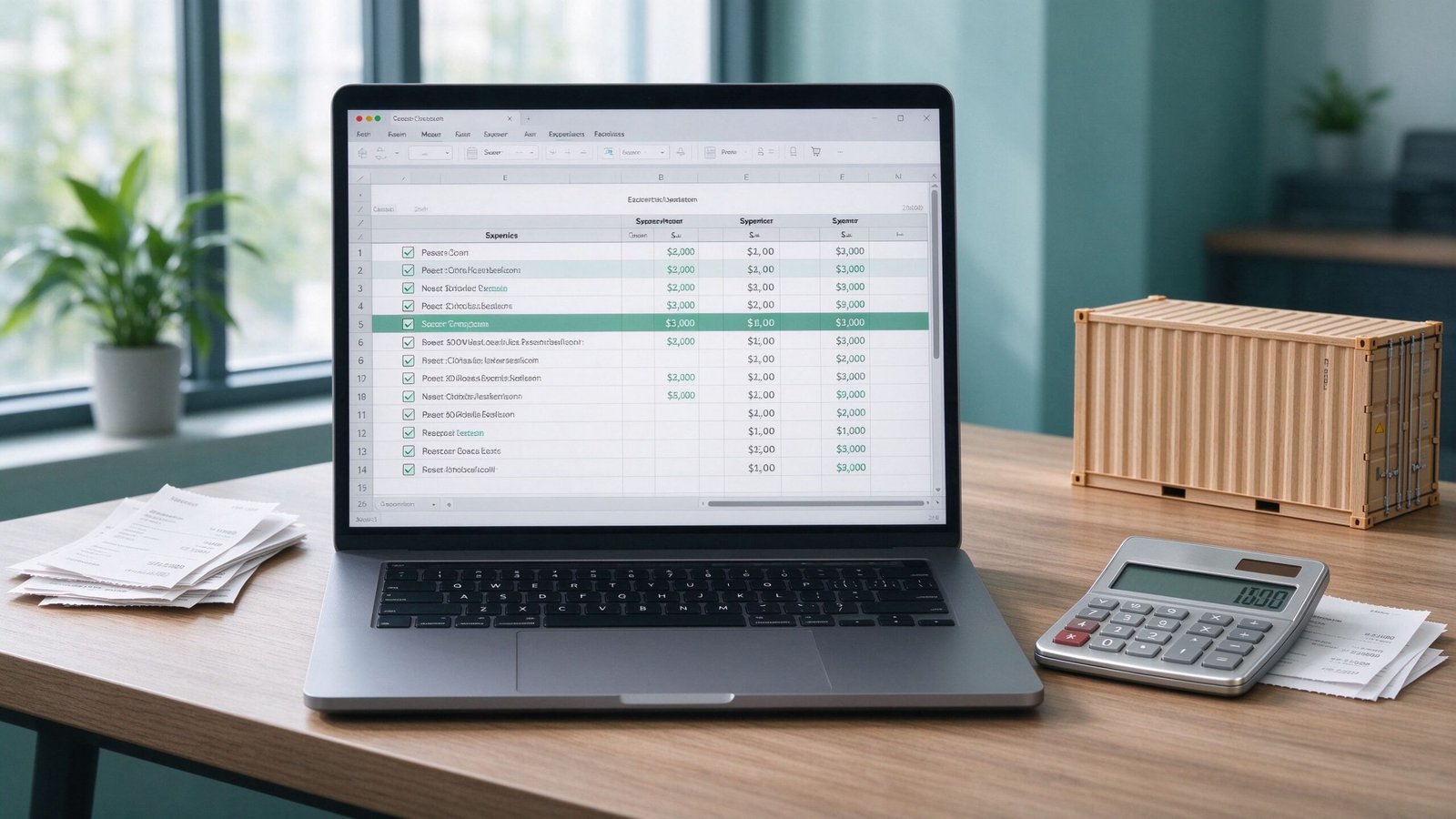
    • A simple spreadsheet or sourcing tracker with order dates and milestones per PO
    • Production photos and videos archived per order as evidence
    • A sourcing agent or local coordinator who can visit the factory when you cannot

    Too busy to chase factories yourself? Our China sourcing team provides active order follow-up — weekly reports, milestone checks and on-site visits — so your deliveries stay on schedule.

  • Managing Multiple China Suppliers: How to Diversify Risk Without Losing Control

    Managing Multiple China Suppliers: How to Diversify Risk Without Losing Control

    Managing Multiple China Suppliers: How to Diversify Risk Without Losing Control

    Why Relying on a Single Supplier Is Risky

    Concentrating your entire production with one Chinese factory is convenient — until that factory raises prices, misses deadlines, fails quality or closes. Diversifying across two or three suppliers reduces these risks, but it also creates complexity: more quotations to compare, more quality checks and more coordination overhead. This guide explains how to balance diversification with control so you get resilience without chaos.

    How Many Suppliers Should You Use?

    • One product, one factory: fine for small volumes, but always keep a qualified backup supplier identified
    • Two suppliers for critical products: split orders 70/30 so each factory knows you have alternatives, and you can shift volume if one underperforms
    • Multiple categories, multiple factories: source different product lines from specialists instead of asking one factory to do everything

    For most importers, two suppliers per key product is the sweet spot: enough leverage to negotiate, low enough complexity to manage.

    How to Build a Qualified Backup Supplier

    • Shortlist and audit a second factory in the same category even when you do not need it yet
    • Request samples and a quotation so you have a real price and quality benchmark
    • Keep the relationship warm: place a small trial order every few months so they stay interested
    • Document their lead time, MOQ and payment terms in your supplier file, ready to activate

    Managing Multiple Suppliers Without Losing Control

    • Use one specification sheet: give every supplier the same product spec, packaging spec and quality checklist so output is comparable
    • Track everything in one place: a simple sourcing tracker with order dates, PO numbers, milestones and inspection results per supplier
    • Standardize inspections: use the same third-party inspection company and criteria across all suppliers
    • Negotiate in context: let each supplier know you have alternatives — it keeps pricing honest, but never bluff about orders you cannot move
    • Designate a lead supplier: for complex products, one factory coordinates components even if parts come from several

    Common Pitfalls to Avoid

    • Splitting orders too thinly — small orders lose volume discounts and priority with every factory
    • Not updating the backup supplier’s price validity — their quote may expire by the time you need it
    • Ignoring consistency risk — two factories may produce visibly different color or finish; your spec sheet must be detailed enough to prevent this

    When Diversification Pays Off Most

    Diversify aggressively when: your product has long lead times, your market has tight seasonal deadlines (e.g. holiday sales), you depend on a single component, or your supplier has shown signs of instability. Diversify less when: volumes are too small to split economically, the product requires heavy tooling, or you have built a genuinely strategic long-term partnership.

    Building a resilient supplier base in China? Our sourcing team manages multi-supplier programs — specification control, inspections and vendor scorecards — so you stay in control.

  • Hidden Costs of Sourcing from China: What Your Quotation Doesn’t Tell You

    Hidden Costs of Sourcing from China: What Your Quotation Doesn’t Tell You

    Hidden Costs of Sourcing from China: What Your Quotation Doesn't Tell You

    The Gap Between Quotation and Landing Cost

    New importers often compare quotations and assume the lowest price wins. In reality, the unit price on a Chinese quotation is only a fraction of your final cost. Hidden costs — packaging, inspections, certification, banking, insurance, warehousing and customs — routinely add 15–40% on top of the quoted FOB price. Knowing where these costs hide lets you compare suppliers fairly and avoid budget shocks.

    Where the Hidden Costs Hide

    • Packaging: export-standard cartons, barcode labels, retail-ready packaging and moisture protection are often quoted separately or upgraded after samples
    • Inspection and testing: third-party QC, lab tests and certificates (CE, FCC, RoHS) add fees per batch or per certificate
    • Banking and payment: wire transfer fees, FX conversion spreads and intermediary bank charges on international T/T
    • Logistics extras: container demurrage, port handling, customs broker fees, delivery to the port (trucking) and warehousing if the container waits
    • Insurance: cargo insurance is optional but highly recommended — one damaged shipment can wipe out your margin
    • Customs and duties: import duty, VAT/GST and regulatory fees at your destination country, plus broker charges
    • Quality failure costs: rework, rejected goods, return shipping and lost sales from late or defective deliveries

    How to Estimate Your Real Landed Cost

    Build a simple landed-cost sheet before you commit to any supplier. Start with the quoted unit price, then add:

    • Packaging premium (ask the supplier for exact export carton costs)
    • Inspection fee (typically a fixed daily rate per inspector)
    • Sea or air freight (get a forwarder quote before you negotiate)
    • Import duty + VAT at your destination (check the HS code tariff)
    • Customs broker and port fees (ask a local broker)
    • A 3–5% buffer for FX movement and minor extras

    Compare suppliers on landed cost, not unit price. A supplier that is 5% more expensive on paper can be 10% cheaper after freight, packaging and quality are included.

    Questions to Ask Suppliers About Costs

    • Is packaging included in the unit price? What are the exact export-carton specs?
    • Are inspection, testing and certificates included, or billed separately?
    • Does your price include delivery to the port (FOB loading point), or is trucking extra?
    • What is the payment currency and who bears FX conversion costs?

    Make Hidden Costs Visible in the Contract

    Put every cost line in the proforma invoice and contract: unit price, packaging, inspection, certification, port delivery, payment currency and validity of the quote. A supplier who cannot itemize costs transparently is a red flag — transparency at quotation stage predicts transparency during production.

    Want an accurate landed-cost analysis for your next order? Our China sourcing team prepares transparent cost breakdowns and full landed-cost estimates for buyers worldwide.

  • How to Place a Small Trial Order from China: A First-Time Importer’s Playbook

    How to Place a Small Trial Order from China: A First-Time Importer’s Playbook

    How to Place a Small Trial Order from China: A First-Time Importer's Playbook

    Why Start with a Small Trial Order?

    A small trial order is the safest way to test a new Chinese supplier before committing to large volumes. It lets you verify product quality, packaging, lead times, communication and payment behavior with limited capital at risk. Most experienced importers treat the trial order as a paid audition — if the supplier performs well, you scale; if not, you walk away cheaply.

    How Small Should a Trial Order Be?

    There is no universal number, but a good rule of thumb is 10–20% of the volume you plan to order in your first full purchase, or the factory’s MOQ if it is manageable. The goal is a quantity large enough to test real production (not just samples) but small enough that a mistake does not hurt.

    • Sample order: 1–5 units to check design, materials and finish
    • Trial production run: 50–500 units, or 10–20% of expected first order
    • Full first order: only after the trial run passes inspection and sell-through assumptions are confirmed

    What to Verify During the Trial Order

    • Quality consistency: compare trial units against the approved sample; check dimensions, color, finish and function
    • Packaging: confirm carton quality, labeling and print alignment — packaging problems are the most common trial-order surprise
    • Lead time: the factory quoted 15 days; did they ship in 15 or 25? Record actual performance
    • Communication: how fast and how clearly does the supplier respond to problems?
    • Payment behavior: do invoices, receipts and shipping documents arrive correctly and on time?

    Protect Yourself on the Trial Order

    • Insist on a pre-shipment inspection even for small quantities — it costs little and reveals most quality issues
    • Use a payment method with some protection (Trade Assurance, PayPal for very small amounts, or a small deposit ratio)
    • Put everything in writing: specification, packaging requirements, delivery date and defect policy
    • Keep a copy of the approved sample — it is your reference for future orders

    Scaling Up After a Successful Trial

    Once the trial order arrives on time and matches your sample, negotiate your first real order: larger volume, better unit price, shorter payment terms and agreed quality thresholds. Build the relationship gradually — factories that perform well on trial orders usually become reliable long-term partners.

    Ready to place your first trial order from China? Our sourcing team helps you shortlist factories, negotiate terms and arrange inspections from day one.

  • Order Follow-Up and Production Tracking: Managing Your China Supplier

    Order Follow-Up and Production Tracking: Managing Your China Supplier

    Order Follow-Up and Production Tracking: Managing Your China Supplier

    Most importers lose control the moment the deposit leaves their account. The factory says production is on track, the delivery date slips once, then slips again, and suddenly your Q4 launch is at serious risk. The fix is not shouting louder on WeChat — it is a structured follow-up system with written milestones, photo evidence and pre-agreed penalty clauses. This guide walks you through the exact order-tracking workflow used by experienced buyers, from countersigning the PO to supervising container loading, so you never again find out about a delay when the shipment is already late.

    Lock the Order on Paper Before Production Starts

    Everything that happens next depends on a clean paper trail.

    • Countersigned proforma invoice — unit price, total quantity, Incoterms, delivery date and packaging specs must be written, stamped and signed by both sides; verbal promises tend to evaporate after the deposit arrives.
    • Split payment milestones — the standard safe structure is 30% deposit on PO confirmation and 70% balance against copy of the bill of lading; never pay 100% up front, and never pay the full balance before inspection.
    • Golden sample approved — sign, seal and keep one pre-production sample yourself; this becomes your physical quality reference for the entire production run.
    • Written production schedule — ask the factory to send a dated timeline: material arrival, assembly start, in-process QC, packing and container loading booking.

    What to Track During Production

    Do not wait until the goods are finished to check in.

    • Raw material arrival photos — ask for photos of incoming materials with your PO number written on a card in the frame; this confirms they actually started production rather than delaying quietly.
    • Weekly progress update — one email or WhatsApp message every Friday, with 5–10 short photos and a 30-second video of the line showing quantity completed.
    • In-process QC check — around 30–50% completion, your agent or a third-party inspector visits the line and pulls 20–30 random units for early defect detection.
    • Packaging and labelling proof — approve the printed carton, barcode and shipping mark before the factory prints the whole run; reprinting 2,000 cartons wastes days and money.

    Handling Delays Before They Become Crises

    Every delay is manageable on day one and painful on day thirty.

    • Ask why, not when — a supplier who only replies next week is hiding something; demand the root cause: material shortage, labour gap, machine breakdown or quality hold.
    • Force a recovery plan — if the order is 10 days late, ask for overtime, extra shifts, or air-freighting part of the order at their cost to protect your launch window.
    • Use contractual leverage — late-delivery clauses such as 0.5% discount per day, capped at 10% of order value, give you negotiating power that WhatsApp messages cannot match.
    • Tell your own customers early — a two-week warning protects your reputation far better than a silent missed delivery date; adjust marketing and pre-order pages immediately.

    Pre-Shipment Checks and Container Loading

    The last 48 hours decide whether the order arrives in sellable condition.

    • Final random inspection — use AQL 2.5 standard, pull 2–3 cartons per style from different positions, and check against the approved golden sample; book the inspector 3–5 days before production finishes.
    • Packing list verification — confirm pieces per carton, gross weight and total CBM match your forwarder booking; mismatched CBM triggers extra port fees.
    • Container loading supervision — for high-value or fragile goods, have someone count loaded cartons, photograph the sealed container number and seal tape; this prevents swap-outs and shortage claims later.
    • Documents to chase before balance payment — commercial invoice, packing list, B/L draft, certificate of origin, and any compliance certificates such as CE or FCC reports.

    Tools That Make Follow-Up Painless

    You do not need an expensive ERP on day one.

    • Shared tracking spreadsheet — one row per PO: order date, deposit paid, milestone dates, current status, inspector booked, balance due; update it every Friday.
    • WhatsApp or WeChat group per order — add yourself, the supplier sales rep, the factory production manager and your agent; photos and short videos land in the group instantly.
    • Calendar reminders — set reminders at 30%, 50%, 80% and 100% of the production window so you never forget to ask for updates.
    • Simple ERP later — once you run 10+ open orders a month, tools like Odoo, QuickBooks Plus or industry sourcing ERPs start to pay for themselves.

    Linking Production Follow-Up to Final Inspection

    Follow-up and inspection are two sides of the same quality coin.

    • Progress feeds the inspector — the in-process photos and QC reports help the third-party inspector know which batches and machines are the risky ones, not just which cartons to open.
    • Open issues carry over — any defect spotted mid-production must be on the final inspection checklist; do not let it slide just because the factory said it was fixed.
    • Production log as evidence — if the final inspection fails, your weekly progress reports become the evidence base for negotiation, discount, rework or rejection under the contract.

    Next Steps

    Good follow-up only works when independent inspection backs it up. Read our guide on pre-shipment versus in-process inspection to choose the right checkpoints for your product, and our guide on how to choose a third-party inspection company in China so your weekly photo updates are verified by someone independent of the factory.

    Need an agent on the ground to run weekly photo updates, line checks and loading supervision? Contact us — we manage production follow-up for importers who cannot fly to China every month.

  • How to Manage Multiple Suppliers in China and Reduce Supply Risk

    How to Manage Multiple Suppliers in China and Reduce Supply Risk

    How to Manage Multiple Suppliers in China and Reduce Supply Risk

    Single-sourcing from China feels efficient until your factory raises prices by 15%, misses delivery by three weeks, or your main sales contact suddenly quits. Buyers who rely on one supplier per category live with constant panic, while experienced importers quietly run two or three vetted factories in parallel. Managing multiple suppliers sounds like more work, but done right it lowers your unit cost, tightens quality and gives you real negotiating leverage. This guide shows you how to diversify your supplier bench without doubling your workload — and how to protect your product designs while you do it.

    Why You Should Never Single-Source a Product

    The case for diversification is not theoretical; it is what every large importer already does.

    • Price leverage — when a factory knows you have a second qualified supplier, price discussions stay honest; without one, annual price creep of 5–10% becomes unavoidable.
    • Capacity buffer — peak season, Chinese New Year, a factory fire or an export licence issue can stop your main supplier cold; a vetted backup keeps your shelves stocked.
    • Quality competition — suppliers who know they are being scored against a rival run tighter QC, reply faster and fix defects without arguing.
    • Real walk-away option — diversification turns empty threats into executable plans, which is the single biggest upgrade to your negotiating power.

    How Many Suppliers Per Category Is Right?

    More suppliers is not always better; management overhead grows quickly.

    • Stable, repeat products — two qualified suppliers: one primary taking 60–70% of orders, one backup handling 30–40%.
    • Strategic or high-risk items — three suppliers: primary, secondary and a long-term development partner who gets trial orders even when they are not your main vendor.
    • Long-tail, low-value items — one supplier is acceptable, as long as you keep two competing quotes on file as a fallback.
    • 20% revenue rule — any product that generates over 20% of your monthly revenue should always have at least two factories quoted and sampled.

    How to Vet a Second Supplier Without Delaying Orders

    Do not wait until a crisis to start looking for a backup.

    • Use the same specification sheet — send identical drawings, material specs and packaging requirements to every candidate so the quotes are truly comparable.
    • Order a sample first — a $100–$200 sample round tells you more than a glossy audit deck; compare materials, finish, stitching and printing quality side by side.
    • Check the business basics — registered capital, export history, years in business and real customer references; watch out for trading companies posing as factories, which inflate the price.
    • Run a small trial order — give the backup factory 20–30% of your normal volume before trusting them with the full share; this tests their real output, not their sales pitch.

    Scorecard, Order Allocation and Communication Rhythm

    Run your suppliers like a portfolio, not a personal friendship.

    • Quarterly scorecard metrics — score each supplier 1–10 on on-time delivery rate, defect rate, quote accuracy, communication speed and price competitiveness.
    • Shift share by performance — if supplier A hits 98% on-time and supplier B only 85%, move the next PO from B to A; published numbers make the decision fair and uncontroversial.
    • Half-yearly price review — re-quote the whole bench every six months, even with your trusted factory; this keeps everyone honest.
    • Keep the backup warm — send small trial orders or sample requests every 2–3 months; a supplier you have not spoken to for six months cannot rescue you in week one of a crisis.
    • Standing update rhythm — weekly progress reports on active orders, monthly business reviews with key suppliers, quarterly scorecard sharing.

    Disruption Playbook and Seasonal Risk

    When something goes wrong, you want a plan you already agreed on.

    • Predefined escalation rules — decide in advance which orders move to the backup factory, at what volume, and how price changes are handled; write it into your internal SOP.
    • Chinese New Year cover — four weeks before the holiday, over-order with the primary and ask the backup to hold raw material stock so you are not stranded for a month.
    • Single-point-of-contact rule — assign one buyer per supplier to avoid mixed messages; keep a WeChat or WhatsApp group with the sales rep, the factory manager and your agent.
    • Backup factory data room — keep the backup’s bank details, export licence and approved samples on file so an order can be placed in 48 hours if needed.

    Protecting Your Product IP When You Split Orders

    Sharing designs across factories is risky by default, but manageable.

    • NDA before files — have a short non-disclosure agreement signed before you share tooling files, logos or private mould designs; it is weak in court but strong as a deterrent.
    • Modularise the BOM — split components: factory A makes the housing, factory B makes the electronics, you or your agent handle final assembly, so no single supplier owns the complete design.
    • Own your tooling — buy the mould yourself and store it at a third-party warehouse or with your sourcing agent; this stops a factory from holding your mould hostage when prices or quality disputes arise.
    • Trademark and patent in China — register your brand name and design patents in China, not just in your home market; this is the only real legal layer of protection.

    Next Steps

    A multi-supplier bench only works when contracts and inspection habits are consistent across all vendors. Read our guide on the essentials of a China sourcing contract so NDA, tooling ownership and quality standards are enforceable on paper, and our guide on how to choose a third-party inspection company in China so every supplier on your scorecard is measured the same, independent way.

    Need help building a vetted second-source bench for your product category? Contact us — we run supplier audits, sample comparisons and scorecard rollouts for importers every month.

  • The Hidden Costs of Sourcing from China: A Full Landed-Cost Breakdown

    The Hidden Costs of Sourcing from China: A Full Landed-Cost Breakdown

    The Hidden Costs of Sourcing from China: A Full Landed-Cost Breakdown

    You compare three factory quotes, pick the cheapest unit price, and think you have won. Six months later the real bill lands on your desk: sample fees, air-freighted replacements, inspection invoices, surprise duties and a launch that missed the season. Most first-time importers underestimate the true cost of sourcing from China by 20–40%, because the factory quote is only one line on a much longer invoice. This guide lists every hidden cost between your purchase order and your warehouse, with realistic ranges, so you can build a true landed-cost model before you ever wire a deposit.

    Samples, Tooling and Development Costs

    Money leaves your account long before bulk production even starts.

    • Sample fees — most factories charge $50–$200 per sample, and custom colour or material samples run higher; this is often refundable on the first bulk order, but get it in writing.
    • Sample shipping — DHL, FedEx or UPS from China to the US or EU costs $30–$80 for a small parcel, and rushed or oversized samples can top $120.
    • Revision rounds — plan for two to three sample iterations; each round adds 7–14 days and another courier fee both ways.
    • Tooling and moulds — injection moulds run $1,000 to $20,000+ depending on size and precision; you may own the mould, but it is never included in the unit price.

    Communication, Translation and Agent Costs

    Unless you speak fluent Mandarin, bridging the language gap carries a price tag.

    • Sourcing agent fees — typically 3–10% of order value, or a flat monthly retainer; the agent handles negotiation, factory vetting, sample coordination and QC follow-up.
    • Translation time — emails, drawings, spec sheets and packaging copy translated back and forth can eat hours each week, or cost $20–$50 per document if outsourced.
    • Misunderstanding losses — wrong spec, wrong language on the box, wrong Pantone colour, wrong logo size; one production mistake can scrap an entire MOQ and cost you 100% of the order.
    • Travel and visit costs — a self-funded sourcing trip to Guangzhou or Yiwu runs $2,000–$4,000 in flights, hotels and translators for one week.

    Quality Control, Testing and Compliance Costs

    You cannot inspect what you refuse to budget for.

    • Third-party inspection — a pre-shipment inspection in China costs $180–$300 per man-day plus travel; budget one inspection per shipment for orders over $5,000.
    • Lab testing and certification — CE, FCC, FDA, RoHS, CPSC or REACH testing runs $300–$2,000 per product family, and certification bodies charge annual follow-up fees.
    • Factory audits — BSCI, SMETA or ISO 9001 audits cost $300–$1,200 per audit, often required by retail chains and EU buyers.
    • Product liability insurance — once you sell at scale, expect $500–$2,000 a year for cover that most Western marketplaces quietly expect.

    Logistics, Duties and Payment Costs

    The factory quote almost always stops at the factory gate.

    • Inland China trucking — moving cargo from a factory in inland provinces to Yantian, Ningbo or Shanghai port costs $150–$600 per 40ft container.
    • Ocean freight and insurance — LCL to the US West Coast runs $80–$150 per CBM; a 40HQ container is $1,500–$4,000 depending on peak season; marine insurance adds 0.3–0.5% of cargo value.
    • Import duties and taxes — US Section 301 tariffs stack 7.5–25% on many Chinese goods; EU import duty (0–12%) plus 20% VAT applies on top of CIF value; UK and Australia follow similar structures.
    • Payment fees — wire transfers cost $25–$60 each; PayPal business charges around 4.4% plus a fixed fee; letters of credit run 0.5–2% and take weeks to open.
    • Currency fluctuation — RMB can move 2–5% in a single quarter; lock the price in RMB or USD in your contract, or keep a 3% buffer in the budget.

    Warehousing, Rework and Opportunity Costs

    These are the costs nobody budgets for, and they hurt the most.

    • Destination warehousing and fulfilment — Amazon FBA or a 3PL charges pick, pack, storage and removal fees; mis-prepped units get returned or destroyed.
    • Defect rework and returns — a 3% defect rate on a $5 product still means $1,500 lost per 50,000 units, plus air-freight replacements to keep your stock level.
    • MOQ overstock — factories often push you to order 20–50% more than you forecast; unsold stock ties up cash and eventually lands in the clearance bin.
    • Opportunity cost — a four-week delay can miss a sales season; Q4 stock that arrives in January is worth roughly half of what you planned.
    • Chargebacks and marketplace penalties — late fulfilment or unexpected packaging can trigger 20–50% chargebacks from retailers and platforms.

    How to Estimate Your True Landed Cost

    Build a simple landed-cost sheet before you compare the next round of quotes.

    • Start with the EXW unit price — multiply by your confirmed order quantity to get the factory goods value.
    • Amortise one-off costs — divide tooling, certification and sample fees by the expected total units over the product life cycle.
    • Add door-to-door logistics — ask your forwarder for a full door-to-door quote: inland, ocean or air, insurance, destination handling and customs clearance.
    • Add duty and VAT — use your correct HS code and the current China-origin tariff rate for your destination country.
    • Add a 3–5% contingency line — for inspection visits, payment fees, minor damages and exchange-rate drift.
    • Compare landed cost per unit — never compare raw FOB prices; the cheapest quote on paper very often loses once this math is done.

    Next Steps

    Once you can model a true landed cost, the next risks are weak contracts and unchecked quality. Read our guide on the essentials of a China sourcing contract so price, quality and delivery are written down and enforceable, and our guide on how to choose a third-party inspection company in China before your first production run.

    Want us to build a landed-cost model for your product category and target market? Contact us — we help importers turn factory quotes into realistic, surprise-free budgets.

  • How to Place a Small Trial Order from China (Sample & Low MOQ)

    How to Place a Small Trial Order from China (Sample & Low MOQ)

    How to Place a Small Trial Order from China (Sample & Low MOQ)

    Your first order from China should not be a container. It should be a box – small enough to survive a mistake, big enough to prove the supplier can actually deliver. A trial order lets you test quality, communication, packing and lead time before you commit real money. This guide walks first-time buyers through finding low-MOQ suppliers, paying for samples, sizing the test batch, checking the paperwork and inspecting what arrives, so your second order, if you place one, is a confident bulk order.

    Why Start With a Small Trial Order

    New buyers usually jump straight to a 5,000-unit FOB quote and regret it. A trial order costs less and teaches more.

    • Realistic risk – a sample order costs USD 100 to 500, and a small trial batch runs 100 to 500 units, so even a total loss is survivable.
    • You test the human side – reply speed, English level, willingness to solve problems, not just the product.
    • You validate lead time – factories promise 30 days; a trial order reveals whether they really ship in 30 or 55.
    • You avoid the FCL trap – a full container often holds 5,000 to 10,000 units of consumer goods you cannot sell yet.

    Finding Suppliers That Accept Low MOQ

    Not every factory wants a 100-unit order. You have to search for the ones that do.

    • Filter Alibaba by MOQ – use the minimum order quantity filter and sort by suppliers showing MOQ 100 or 200.
    • Look for ready stock – off-the-shelf products often ship at MOQ 50 to 100, because no custom tooling is involved.
    • Try 1688 with an agent – domestic Chinese listings carry lower MOQs and lower prices, but you need a bilingual buying agent.
    • Negotiate MOQ down – offer a slightly higher unit price, 100% prepayment on the trial, or a commitment to reorder in 60 days.
    • Avoid factories advertising MOQ 5,000+ – they are set up for big brands and will treat your first order as low priority.

    Sample Order: How to Place and Pay

    Samples are non-negotiable. You cannot judge a factory from its catalogue photos.

    • Order 2 to 3 units – one to test, one to photograph and list, one as a sealed reference for the bulk order.
    • Expect to pay – samples cost USD 30 to 200 per unit and DHL or FedEx courier adds USD 40 to 80, arriving in 3 to 7 days.
    • Ask for sample refund – many suppliers refund sample cost against your first bulk order; get this in writing.
    • Pay samples by PayPal – buyer protection is strongest for USD 50 to 300 sample payments.
    • Pay the trial batch by T/T or Trade Assurance – never send money to a personal WeChat or Alipay account for orders above USD 500.

    Sizing Your Trial Batch Right

    Too small and the factory ignores you; too large and you are back to bulk-order risk.

    • 100 to 300 units for consumer goods – enough to cover 2 to 4 weeks of real sales and test packaging durability.
    • Big enough to run production – below 100 units most factories treat it as another sample run and cut corners.
    • Confirm lead time – ready stock ships in 15 to 20 days; custom branded goods take 30 to 45 days after deposit.
    • Pad your cashflow – budget 15% over the quoted total for unexpected courier or customs fees.

    Documents to Confirm Before You Pay

    The PI is your contract. Read it line by line before wiring the deposit.

    • Product specs on the PI – model, color, size, material, logo position and packaging must match the approved sample.
    • Unit price, total and currency – confirm USD or EUR and whether price includes packaging.
    • Payment terms – standard is 30% deposit, 70% balance before shipment; refuse 100% upfront on a first order.
    • Shipping term – FOB port and estimated lead time must be printed on the PI.
    • Ask for pre-shipment photos – require the factory to send unboxing photos and a short video before you pay the 70% balance.
    • Issue your PO – send a matching purchase order with your reference number and ship-to address.

    Inspecting the Trial Batch and Scaling Up

    When the box arrives, slow down. The trial batch is the data that decides your next order.

    • Count against the PI – verify units, cartons and gross weight before you sign for the shipment.
    • Spot check 10 to 20% – open random cartons, compare each unit against your sealed reference sample.
    • Check labels and barcodes – wrong UPC, missing country-of-origin label or broken packaging kills an Amazon listing fast.
    • Tolerate a small defect rate – up to 2 to 3% is normal; above that, file an RMA claim in writing within 7 days.
    • Record everything – note defects, photos and supplier responses; you will use this report to negotiate the next order.
    • Scale in steps – if the trial goes well, double the quantity on order two, not tenfold. Let sales data drive the jump.

    Next Steps

    A trial order only works if you negotiate the MOQ and inspect the batch properly. Read our guide on MOQ explained and how to negotiate lower minimum order quantities to push the supplier further, and our guide on how to choose a third-party inspection company before your first bulk order.

    If you want help finding low-MOQ suppliers, vetting a PI or arranging inspection on your first batch, contact us – we help first-time buyers place safe trial orders from China.

  • China Sourcing Glossary: 50 Key Terms Every Importer Must Know

    China Sourcing Glossary: 50 Key Terms Every Importer Must Know

    China Sourcing Glossary: 50 Key Terms Every Importer Must Know

    Working with Chinese suppliers means swimming in abbreviations: MOQ, FOB, PI, AQL, HS Code. Miss one and you could overpay, miss a shipping cutoff, or clear customs at the wrong duty rate. This glossary collects 50 terms every importer meets in the first year, grouped by topic, so you can decode a quote, a proforma invoice or a bill of lading in seconds. It is a dictionary, not a tutorial, and deeper guides are linked at the end.

    Pricing, Quotes and Payment Terms

    These are the words you meet in the very first email and every proforma invoice that follows.

    • MOQ (Minimum Order Quantity) – the smallest batch a factory will run in one production cycle, commonly 500 to 1,000 units for consumer goods.
    • Unit price – the per-piece factory price, usually quoted FOB and dropping as order volume rises.
    • Landed cost – the true cost per unit after product price, freight, duty, insurance and handling are all added.
    • Quotation / quote – a supplier’s written price offer, normally valid for 30 days.
    • Proforma Invoice (PI) – the supplier’s draft invoice confirming price, quantity and terms; you pay against it.
    • Purchase Order (PO) – your official order to the supplier, legally binding once accepted in writing.
    • T/T (Telegraphic Transfer) – the standard bank wire, normally split as 30% deposit and 70% before shipment.
    • Deposit / down payment – the upfront portion, typically 30%, that unlocks material purchase and production.
    • Balance payment – the remaining 70% due before the goods leave the factory.
    • L/C (Letter of Credit) – a bank-guaranteed payment instrument, common for large orders above USD 50,000.
    • Trade Assurance – Alibaba’s escrow-style protection covering quality and delivery on platform orders.

    Shipping and Trade Terms

    Incoterms decide who pays freight, insurance and risk at each handover point. For a full tutorial see our linked guide; here are the one-line versions you need on a quote.

    • Incoterms – ICC standard rules defining buyer and seller responsibilities under EXW, FOB, CIF and DDP.
    • EXW (Ex Works) – you collect goods from the factory door and handle everything after that.
    • FOB (Free On Board) – seller covers export clearance and freight to the departure port; you take over at the ship’s rail.
    • CIF (Cost, Insurance, Freight) – seller pays freight and insurance to your destination port; you handle import duty and onward trucking.
    • DDP (Delivered Duty Paid) – seller handles everything, including import duty, door to door.
    • FCL (Full Container Load) – you rent a whole 20ft or 40ft container, the cheapest option for large shipments.
    • LCL (Less than Container Load) – your goods share a container with other shippers, suited to small orders under 15 CBM.
    • Bill of Lading (B/L) – the carrier’s receipt and ownership document; you need the original to take delivery.
    • HS Code – the 6 to 10 digit product classification that sets your import duty rate.
    • Customs clearance – the process of filing documents and paying duty to release goods at the border.
    • Demurrage / detention – fines charged when containers sit too long at the port or with the consignee.
    • Lead time – production time, usually 25 to 45 days after deposit for custom goods.
    • TEU / FEU – twenty-foot equivalent unit and forty-foot equivalent unit, the standard container sizes.

    Manufacturing and Quality Terms

    These words decide what you actually receive on the pallet, not what the catalogue photo promised.

    • OEM (Original Equipment Manufacturer) – factory makes your designed product under your brand.
    • ODM (Original Design Manufacturer) – factory supplies its own design, you just rebrand it.
    • White label – a generic off-the-shelf product you brand with your own logo and packaging.
    • Private label – a product made exclusively for your brand, often with custom design changes.
    • Sample / prototype – a pre-production unit sent for approval, usually costing USD 50 to 300.
    • Mass production – full-scale manufacturing after the sample is approved in writing.
    • Pre-production sample – the first official sample locked before the bulk run begins.
    • Pre-Shipment Inspection (PSI) – a third-party check of finished goods before they leave China.
    • AQL (Acceptable Quality Limit) – the defect threshold, commonly 2.5 for general consumer goods.
    • Defect rate – the share of faulty units, usually negotiated under 2 to 3%.
    • Tolerance – allowed deviation in size, weight or color, for example plus or minus 2mm.
    • Tooling / mold fee – one-off cost for custom molds, from USD 500 for simple items to tens of thousands for complex plastic parts.
    • DFM (Design for Manufacturing) – reviewing your design to cut production cost and defect risk before tooling.

    Documents, Compliance and Logistics Admin

    Paperwork errors cause more delayed shipments than factory errors, so learn these early.

    • Commercial Invoice – the official customs invoice showing value, buyer and seller details.
    • Packing List – box-by-box weight, dimensions and quantity list attached to each shipment.
    • Certificate of Origin (CO) – document proving where goods were made, can lower duty under trade deals.
    • Fapiao – China’s official VAT invoice, needed for factory tax records and audit trails.
    • CE marking – mandatory conformity mark for products sold in the EU.
    • FCC / RoHS – US electromagnetic and EU restricted-substance compliance marks for electronics.
    • FDA registration – required for food-contact, medical and cosmetic imports into the US.
    • Customs broker – local agent who files your import entry and pays duty on your behalf.
    • Import duty / tariff – border tax, often 0 to 25% of product value depending on the HS Code.
    • SKU – your internal stock-keeping code for tracking product variants.
    • UPC / EAN barcode – retail barcode required by Amazon, Walmart and most Western retailers.
    • RMA (Return Merchandise Authorization) – the process code for returning defective goods to the supplier.
    • NDA (Non-Disclosure Agreement) – confidentiality agreement protecting your design before tooling starts.
    • 3PL (Third-Party Logistics) – outsourced warehouse and shipping partner, common for Amazon FBA sellers.

    Next Steps

    A glossary only clicks once you apply it to a real quote. Read our guide on how to evaluate Chinese factory quotes to spot hidden costs, and our deep dive on Incoterms explained: EXW vs FOB vs CIF vs DDP to lock in the right shipping term before you pay the deposit.

    If you would like someone to decode a PI or a supplier email for you, contact us – we help importers source from China without the vocabulary traps.

  • China Sourcing Platforms Compared: Alibaba vs 1688 vs Global Sources

    China Sourcing Platforms Compared: Alibaba vs 1688 vs Global Sources

    China Sourcing Platforms Compared: Alibaba vs 1688 vs Global Sources

    Every importer eventually faces the same question: which Chinese sourcing platform should I actually use? Alibaba, 1688.com and Global Sources all connect you with Chinese factories, but they were built for different buyers, different order sizes and different levels of experience. This guide compares the three platforms side by side so you can pick the right one — or combine them — without wasting weeks on the wrong leads.

    Alibaba vs 1688 vs Global Sources: What Each Platform Is For

    Before comparing features, it helps to understand what each marketplace was designed to do.

    • Alibaba.com — an English-language international marketplace for cross-border buyers. Suppliers pay to advertise, most accept small orders, and the platform adds tools such as Trade Assurance and RFQ to protect overseas buyers.
    • 1688.com — Alibaba Group’s domestic Chinese marketplace. Prices are the lowest available in China, but the interface, communication and payment flow are all in Chinese and built for Chinese buyers.
    • Global Sources — a B2B platform and trade-show organiser with a strong focus on electronics, consumer goods and hardware, historically serving buyers from North America and Europe with verified, audited suppliers.

    When Alibaba Is the Right Choice

    Alibaba remains the default starting point for most first-time importers, and for good reason.

    • English throughout — listings, chat and support work in English, so you can negotiate directly without hiring a translator.
    • Trade Assurance — orders placed through the platform are covered by payment protection and delivery promises, which reduces the risk of paying a factory and receiving nothing.
    • Low MOQs by design — most Alibaba suppliers accept MOQs from a few dozen to a few hundred units, which suits small and medium buyers.
    • Verified supplier badges — gold supplier, verified and on-site inspection badges help you shortlist factories, though badges should always be double-checked.

    When 1688 Beats Alibaba

    1688 often shocks first-time users: the same product is frequently 30–50% cheaper than its Alibaba equivalent, because you are buying at true domestic wholesale prices.

    • Dramatically lower prices — Chinese domestic prices exclude the cross-border marketing costs that Alibaba suppliers build into their quotes.
    • Huge catalogue — millions of suppliers and near-infinite product depth, including many factories that do not sell internationally at all.
    • You need a Chinese speaker — the interface, supplier communication and payment methods (Alipay, bank transfer) are designed for domestic buyers, so an agent or bilingual partner is almost mandatory.
    • Best for — experienced importers, large-volume orders, or dropshippers who work with a sourcing agent and want maximum margin.

    When Global Sources Is the Better Fit

    Global Sources plays a different game: quality verification over price competition.

    • Audited suppliers — suppliers on Global Sources are required to go through verification and ongoing audits, giving buyers a higher baseline of trust.
    • Strong in electronics and consumer goods — if you buy gadgets, power tools, appliances or hardware, its vertical focus is a real advantage.
    • Trade shows — the Global Sources Hong Kong shows are among Asia’s largest, and many buyers sign their first orders face to face after meeting suppliers in person.
    • Order size — suppliers here generally expect larger MOQs and are more accustomed to working with professional importers and distributors.

    How to Compare Supplier Quality Across Platforms

    Whichever platform you choose, the same checks decide whether a supplier is worth contacting.

    • Years registered and transaction history — a supplier’s age on the platform and its volume of completed deals are the first signal.
    • Verification badges — read what the badge actually certifies (annual revenue, audit date, product categories) instead of trusting it blindly.
    • Response quality — how fast and how specifically a supplier answers your enquiry tells you a lot about their operations.
    • Sample before volume — always order samples and test them before scaling up your order size.

    A Practical Workflow: Use All Three

    The most cost-effective buyers do not pick one platform — they use them in sequence.

    • Step 1 — Price discovery on 1688: find the true domestic price of your product so you know the real cost floor.
    • Step 2 — English verification on Alibaba: contact suppliers in the same category in English, compare quotes, and use Trade Assurance for the first order.
    • Step 3 — Audit and upgrade via Global Sources: for larger volumes or electronics, verify candidates at trade shows or with third-party audits.

    Next Steps

    Platform choice is only the first decision — the real work begins when you compare factory quotes and negotiate terms. Read our guide on how to evaluate Chinese factory quotes to avoid paying more than you should, and our guide on how to write a sourcing enquiry email to get suppliers’ attention from the very first message.

    If you need hands-on help comparing platforms, vetting suppliers or placing your first order, contact us — we help importers source from China the safe way.