分类: China Procurement

  • Custom Packaging & Branding in China: A Buyer’s Step-by-Step Guide

    Custom Packaging & Branding in China: A Buyer’s Step-by-Step Guide

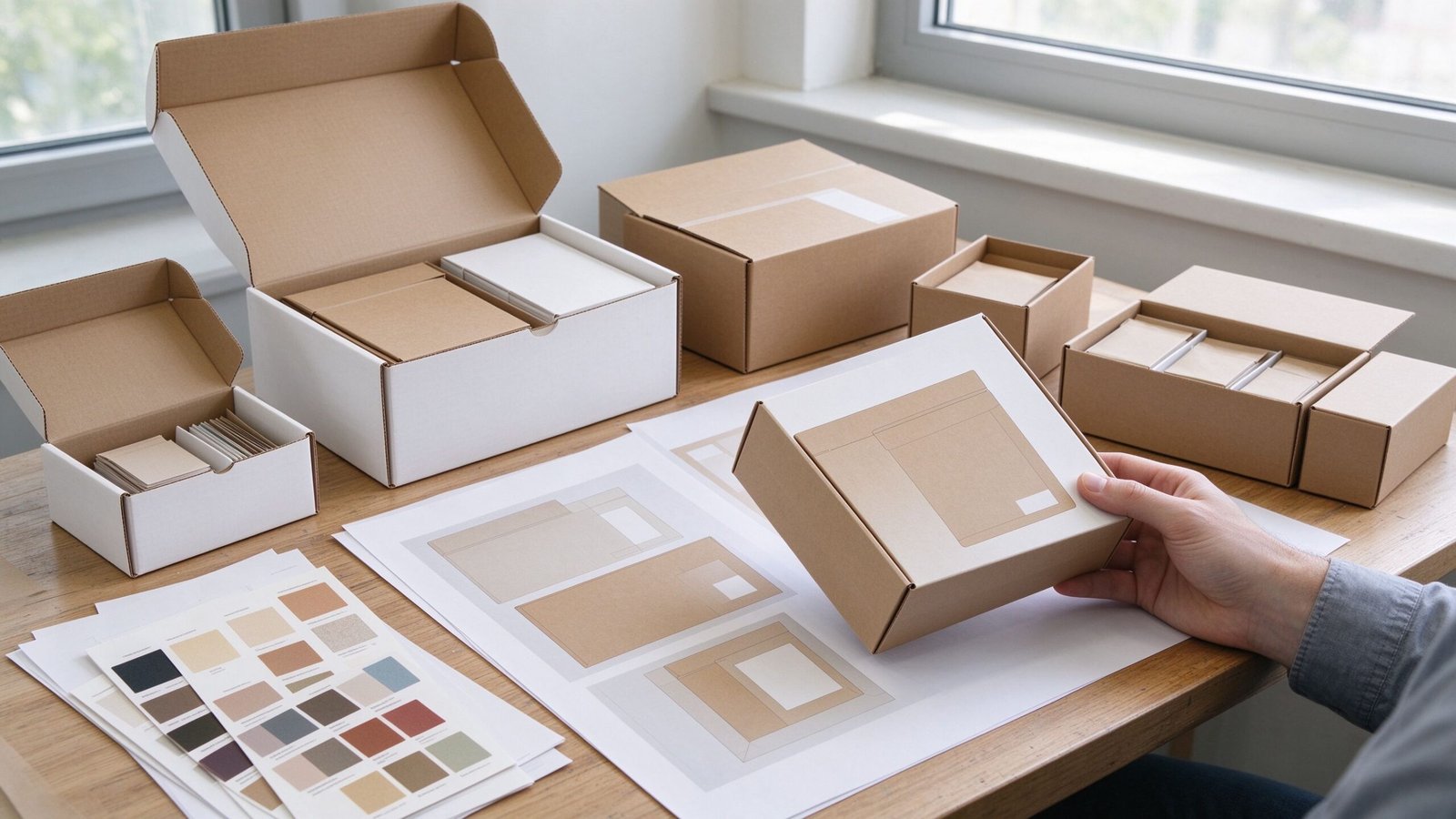
    Packaging design studio with open cardboard boxes, color swatches and printed proofs on a wooden table

    On a crowded ecommerce shelf, the product wins the click only after the box wins the first glance. Custom packaging is where private-label brands look like premium brands, and where generic dropshipped listings look like everyone else. This step-by-step guide covers the packaging types buyers actually order from China, how to hand files to a factory, what sampling and printing really cost, and where most color and compliance mistakes happen.

    Types of Custom Packaging

    Not every project needs a full custom box. Most buyers start with one of four levels.

    • Label only: a printed sticker applied to a blank jar or box. Lowest cost, fastest, good for test listings.
    • Custom retail box: a folded cardboard box printed with your artwork. The most common upgrade for Amazon and DTC brands.
    • rigid gift box or mailer box: a thicker box with foil stamping, embossing or a branded insert, used for premium and subscription products.
    • Custom inner tray and literature: EVA foam, cardboard inserts, thank-you cards and warranty booklets that raise perceived value without changing the product.

    Design Files and Hand-off to the Factory

    Factories reject files that look fine on your screen. To avoid a wasted round, deliver the artwork in the format the printer actually uses.

    • Ask the factory for a dieline (the flat net of the box) in AI or PDF format — do not design from a guess.
    • Provide vector artwork (AI, PDF or EPS) for logos, not low-resolution JPGs.
    • Leave a 3 mm bleed and a 3–5 mm safe zone around text.
    • Spell out every fixed element in writing: barcode, country-of-origin mark, warning text, regulatory symbols.
    • Confirm which color profile the printer uses (usually CMYK offset), and ask for a physical color proof before mass printing.

    Materials and Sampling

    Paperboard weight and surface finish change how the box feels in hand. Common choices are 250–350 gsm coated art paper for retail boxes, corrugated E-flute for mailers, and rigid 1,200–1,500 gsm board for gift boxes. Lamination options — matte, gloss, soft-touch — add cost but dramatically change the premium feel.

    Always order a physical packaging sample before bulk printing. A sample tells you three things the on-screen proof cannot: whether the color matches, whether the product fits, and whether the glue and corners survive shipping. Budget around $50–$150 per packaging sample plus courier, and plan for two rounds.

    Printing Techniques and Color Accuracy

    The digital proof on the factory’s WeChat message is not the same color as the offset press run. Expect a small delta E, and manage it deliberately.

    • Offset printing is cheapest for runs above roughly 1,000 boxes and gives the best color consistency.
    • Digital printing is better for short runs (100–500) but colors shift slightly run to run.
    • Pantone spot colors guarantee a specific brand color, at a premium, on simpler designs.
    • Special finishes — foil stamping, embossing, spot UV — require separate plates and add days to the lead time.
    • Approve a press proof (or a printed dummy) before the run, and photograph the first production box for future reorders.

    Regulatory Labels and Compliance

    Pretty packaging that misses a mandatory label gets stuck at customs. Depending on your destination, check for:

    • FNSI / EAN-13 barcodes that scan cleanly on real scanners.
    • Country of origin (“Made in China”) in the correct size and position.
    • Warning labels, age grades and choking-hazard icons for children’s products.
    • Ingredient lists, net weight and importer address for cosmetics, food and supplements.
    • Recycling marks, WEEE/REACH symbols and battery labels for electronics sold in the EU.

    Cost and Lead Time

    Custom packaging is cheap compared with the product inside, but the lead time surprises new buyers. Typical ranges for a standard printed retail box:

    • Unit cost: $0.30–$1.50 per box depending on size, paper and finish.
    • Sample lead time: 7–15 days including courier.
    • Bulk production lead time: 15–30 days after artwork approval.
    • One-time setup / plate fee: $50–$200, usually waived on larger reorders.

    Book packaging development at the same time as product sampling, not after, or you will wait 30 extra days between “sample approved” and “ready to ship.”

    Custom packaging works best when the product itself is already right. Before you invest in a printed box, make sure the manufacturing step behind it is under control — read our breakdown of OEM vs ODM vs OBM manufacturing to pick the production model that matches your brand plan.
  • Private Label vs White Label: Launching Your Own Brand with Chinese Factories

    Private Label vs White Label: Launching Your Own Brand with Chinese Factories

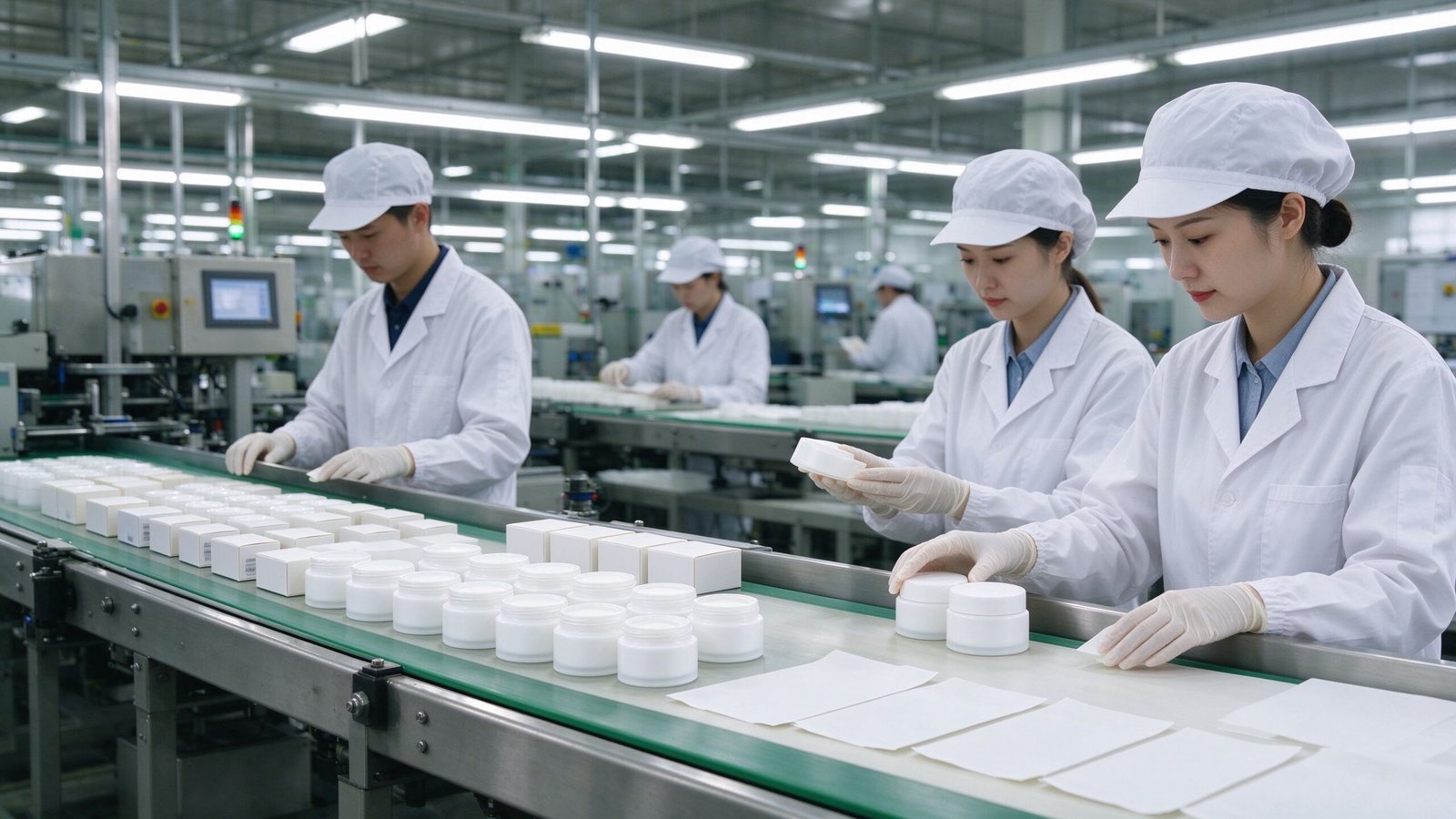
    Clean Chinese factory production line with blank white cosmetic jars ready for private label branding

    Private label and white label are the fastest paths to selling products under your own brand without building a factory. But buyers new to China sourcing often mix the two terms, underestimate the compliance work, and end up with a product that looks generic on Amazon shelves. This guide walks through what each model really means, how to choose between them, and the exact steps to launch your brand with a Chinese manufacturer.

    Private Label vs White Label — What’s the Difference?

    The two terms sound similar but they describe different levels of customization.

    • White label: the factory already makes a generic, unbranded product (a blank jar, a plain cable, a t-shirt in stock colors). You add your logo, label and packaging and sell it as your own. Product formula, size and materials are fixed; you cannot change them. White label is fastest and cheapest.
    • Private label: you work with the factory to modify an existing product — different formula, fragrance, color, size, ingredients or features — and then brand it. Private label gives you a product competitors cannot buy off the shelf, but it requires a development cycle, samples and a higher MOQ.

    In practice, most Chinese factories offer both: a white-label SKU you can order this month, and a private-label version you can develop over the next 60–90 days.

    Why Buyers Choose Chinese Factories for Private Label

    China’s manufacturing ecosystem is unusually well suited to brand owners who do not want to own equipment. Component suppliers, packaging printers, mold shops and testing labs sit within an hour of each other in the Pearl River Delta and Yangtze River Delta. That means a small brand can request a custom color, a new cap design and a printed box in one supplier conversation, rather than coordinating three vendors in another country.

    The Step-by-Step Path to Launching Your Brand

    A clean private-label project follows a repeatable sequence.

    • 1. Product research: decide the product, target retail price, and the one or two features that will make your listing stand out.
    • 2. Supplier shortlist: ask factories for their existing white-label SKU as the baseline, then ask what modifications they already do for other brands.
    • 3. Sample rounds: order a baseline sample, request a customized sample, and approve a final golden sample. Pay for samples — free samples are rarely representative.
    • 4. Custom packaging and labeling: provide your logo artwork, barcodes and retail packaging design (see our packaging guide below).
    • 5. Pre-production sample approval: before mass production, the factory sends one unit made on the production line. Approve it in writing.
    • 6. Mass production and inspection: book a pre-shipment inspection, then ship.
    • 7. Reorder: once the first order sells, reordering is quick because the tooling, artwork and approved sample already exist.

    MOQ, Pricing and Packaging

    Private label usually means a minimum order quantity (MOQ) because the factory has to reserve a production slot, print custom packaging and potentially open a mold. Expect typical ranges like these, which you can negotiate:

    • Simple white-label with a logo sticker: 100–500 units.
    • Private label with custom box and custom color/formula: 500–2,000 units.
    • Custom tooling or mold: 1,000–5,000 units, plus a one-time mold fee.

    Pricing drops steeply as quantity rises, but do not chase the lowest unit price by ordering 10,000 units of an unproven product. Start small, validate on the market, then scale.

    Brand Trademark and Compliance

    Your logo is worthless if someone else registers the trademark in your target market first. Before you place a private-label order, file your brand trademark in the US, EU or wherever you will sell. Also confirm the product itself meets local rules: FDA for cosmetics and food-contact, CPSC and CPC for children’s products, FCC for electronics, CE for the EU. A Chinese factory can usually help arrange testing, but the legal responsibility for compliance sits with the brand owner — you.

    Private label is one of the highest-leverage moves in ecommerce, but it starts with picking the right factory. If you are still shortlisting suppliers, read our guide on how to find a reliable Chinese supplier before you send the first RFQ.

  • Goods Receipt, Inspection & Claims: What to Do When Your China Order Arrives

    Goods Receipt, Inspection & Claims: What to Do When Your China Order Arrives

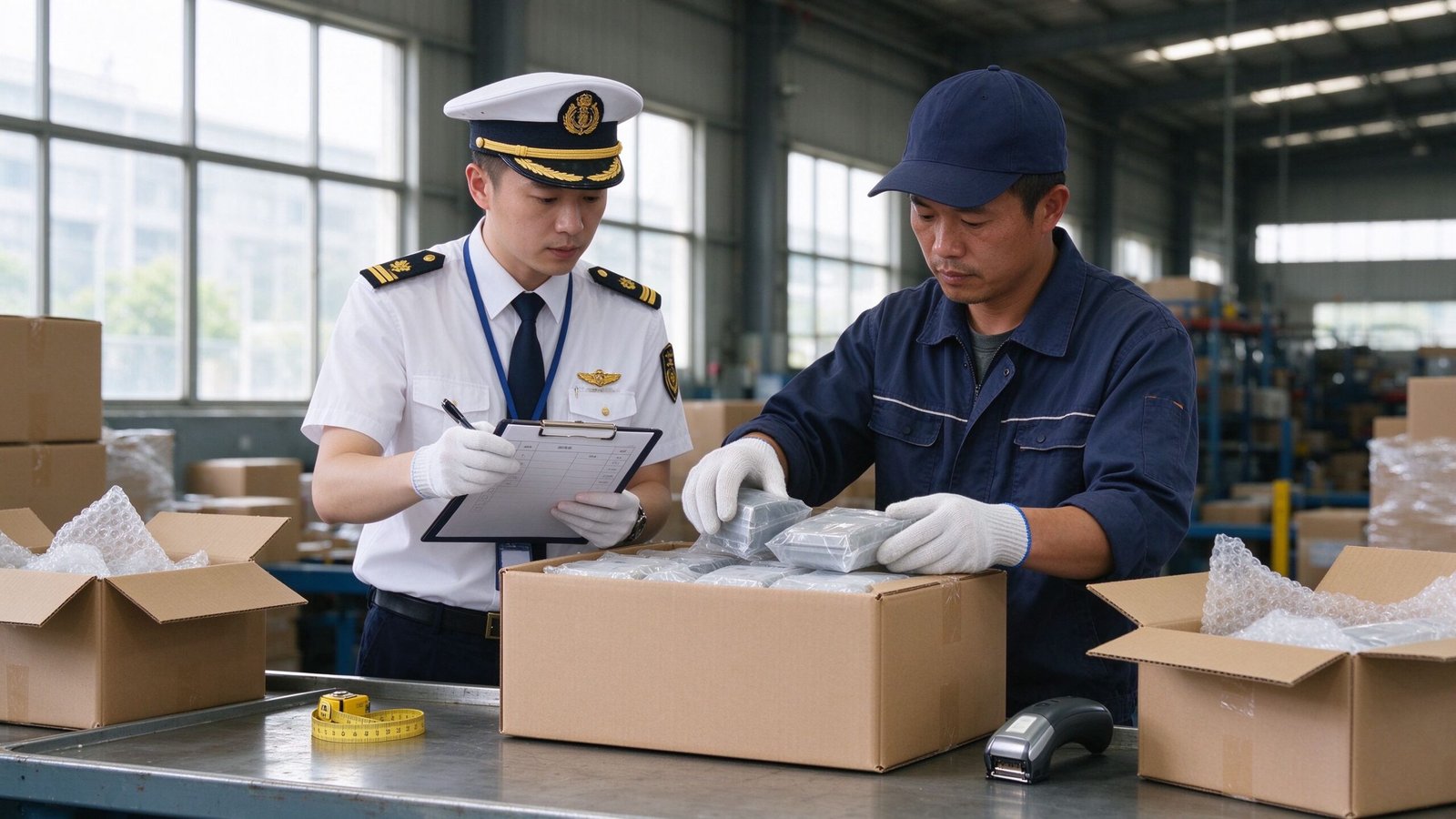
    Warehouse inspector and worker unboxing a China shipment for receiving inspection

    When a container or courier parcel from China finally reaches your warehouse, the work is not over — it is really only half done. A great price and a smooth negotiation mean nothing if the cartons arrive crushed, the colors are wrong, or 300 units are missing from a 1,000-unit order. A disciplined goods-receipt, inspection and claims process protects your margin, your customers and your relationship with the supplier.

    What Happens When Your China Order Arrives

    Receiving is the moment of truth between your purchase order and the products you will sell. Buyers who skip or rush this stage usually discover defects weeks later, long after the freight forwarder has released the carrier and the supplier considers the case closed. A structured intake routine turns a stressful moment into a short checklist you can repeat for every order.

    Step 1 — Unboxing and Quantity Verification

    Before anyone signs for the shipment, treat the outer condition as evidence. Note any dents, wet stains, punctures or mismatched carton marks on a receiving report and photograph them next to the shipping label.

    • Count outer cartons against the packing list and the bill of lading.
    • Open a sample of cartons and confirm the inner quantity per carton matches the packing list.
    • Check that the SKU, color, size and model printed on the carton match your PO.
    • Weigh a few cartons if a scale is available — a light carton is often a short-shipped one.

    Step 2 — Visual and Functional Spot Inspection

    You do not need to open every unit, but you should not trust the sealed cartons either. Use an AQL-style spot check that fits your product risk level.

    • Appearance check: scratches, dents, discoloration, loose labels, damaged packaging, wrong accessories.
    • Functional check: turn on electronics, test buttons, try zippers, assemble furniture, charge batteries.
    • Comparison check: compare the received goods against the approved pre-production sample or photo you kept.
    • Sampling rule of thumb: for a first order from a new supplier, open 10–20% of cartons; for a proven reorder, 3–5% is usually enough.

    If you already use a third-party pre-shipment inspection (PSI) in China, the receiving check is a backup, not a replacement — transport damage happens after the inspector leaves the factory.

    Step 3 — Documenting Damage and Discrepancies

    The supplier and the insurance company will both ask for proof, so document everything the same day. Vague complaints like “some boxes were bad” are easy to dismiss; timestamped photos and measurements are not.

    • Shoot wide photos showing the whole pallet and the shipping label, then close-ups of each defect.
    • Film a short unboxing video, especially for fragile or high-value cargo.
    • Record quantities: how many units are defective, how many are missing, how many are perfect.
    • Keep the outer cartons, dunnage and pallets until the claim is settled — throwing them away destroys evidence.
    • Send the supplier a written email within 48 hours, even if you also call them.

    Step 4 — Filing a Claim with Your Supplier

    Most Chinese suppliers want repeat business and will negotiate a fair resolution, but they respond best to a calm, evidence-based message. Open the conversation with the facts, then propose one of four standard outcomes.

    • Replacement production: the supplier remakes the defective units and ships them in your next order or by air at their cost.
    • Refund: a partial or full refund to your payment account, ideal for defects too expensive to remanufacture.
    • Discount on the next order: a credit toward the next PO, common for minor cosmetic issues customers will not notice.
    • Local repair or disposal credit: for products you can fix locally, ask the supplier to cover the repair cost instead of shipping new units.

    Always keep the agreed resolution in writing (email or revised PI). Verbal promises made on WeChat are useful, but the purchase order amendment is what protects you if the account manager changes jobs.

    Step 5 — Working with Freight and Cargo Insurance

    Not every problem is the supplier’s fault. Crush damage, water stains and lost pallets usually belong to the carrier or the cargo insurance underwriter, and the deadline to file is short — often three days for visible damage and ten days for concealed damage.

    • If damage is visible on arrival, note it on the carrier’s delivery receipt before signing, or sign with exceptions (“3 cartons damaged”).
    • File the carrier claim within the free time allowed by your forwarder; the forwarder handles the carrier, and you handle the insurer.
    • Cargo insurance covers total loss, major water damage and some breakage, but it rarely covers “supplier sent the wrong color” — that is a supplier claim, not a logistics claim.
    • Keep the commercial invoice, packing list, bill of lading, inspection photos and repair quotes in one folder per shipment.

    How to Prevent Receiving Problems Before They Happen

    The cheapest claim is the one you never have to file. Most serious receiving issues are fixed before the goods leave China.

    • Approve a golden sample and keep it sealed in your office for comparison.
    • Book a pre-shipment inspection (PSI) before the container is loaded.
    • Define packaging standards in the PI: carton strength, inner boxes, drop-test expectations.
    • Choose Incoterms that match your risk tolerance — FOB pushes ocean-risk decisions to you, DDP puts more control on the supplier.

    Want to avoid the receiving-claim headache in the first place? Read our guide on pre-shipment vs in-process inspection to learn when to inspect, and how a good inspection partner removes most surprises before the cartons ever leave the factory.

  • How to Tell If a Chinese Factory Quote Is Fair

    How to Tell If a Chinese Factory Quote Is Fair

    Buyer and Chinese supplier reviewing a printed quotation on a table with a calculator and samples

    When a Chinese factory sends you a quotation, how do you know if the number is fair? Most buyers either accept the first quote they like, or panic because three factories quoted wildly different prices. This guide teaches you to read a Chinese factory quote like an experienced sourcing manager: what the price is actually made of, how to compare three quotes on an apples-to-apples basis, where the low-price traps hide, and how much room you really have to negotiate. The goal is not to grind the lowest number — it is to land a price that lets the factory make a healthy margin and still deliver quality on time.

    What a Chinese Factory Quote Is Actually Made Of

    A unit price is not a single number. Behind it is a cost stack that experienced buyers learn to decompose. A typical FOB quote breaks down into:

    • Raw materials — 30–60% of cost, depending on product. Plastic, metal, PCB, fabric, packaging.
    • Labor — 10–25% of cost. Assembly, QC, packing.
    • Manufacturing overhead — rent, utilities, equipment depreciation, management staff. Usually 8–15%.
    • Mold / tooling amortization — spread over your order volume. A $5,000 mold over 5,000 pcs adds $1 per unit.
    • Packaging and labeling — 2–5%. Retail box, insert, barcode, manual.
    • Certification and testing — amortized over production runs.
    • Factory margin — usually 8–20% depending on competitiveness and order size.
    • Freight to port and export documentation — small but non-zero on FOB terms.

    When you understand the stack, you realize that two factories quoting $4.20 vs $5.80 for the “same” product are almost never using the same inputs. The job of evaluation is to find out which inputs differ.

    How to Compare Three Quotes on an Apples-to-Apples Basis

    Never compare raw unit prices alone. Build a side-by-side sheet with these columns:

    • Incoterm: EXW, FOB, or CIF? Each moves cost between buyer and seller.
    • Port of loading — Shenzhen vs Shanghai vs Ningbo changes inland freight.
    • Unit price currency — USD, RMB, or EUR, and whether FX is locked.
    • MOQ at which the price applies. A $3.00 price at 5,000 pcs is not the same as $3.00 at 500 pcs.
    • Material grade — e.g. ABS vs recycled ABS, 304 vs 201 stainless, cotton thread count.
    • Color, size, print, logo, packaging included.
    • Certifications included or extra — FCC, CE, FDA, RoHS testing fees.
    • Mold / tooling cost and whether it is reusable on repeat orders.
    • Sample cost and lead time.
    • Payment terms. 30% deposit / 70% before balance is standard; 50/50 shifts risk.
    • Production lead time and expected delivery window.

    Once you fill this table, the “$1.60 gap” often disappears. You will find that the cheapest quote excludes packaging, certification, and a 2,000-pc MOQ bump. After normalization, two or three quotes should cluster within 5–10% of each other. The outliers are where the interesting story lives.

    The Anatomy of a “Fair” Quote

    A reasonable Chinese factory quote usually has these traits:

    • It responds within 1–3 business days and includes a proper proforma invoice with product photos and specs.
    • The unit price sits near the middle of the normalized cluster from 3–5 suppliers.
    • The factory asks you questions in return: target market, required certifications, packaging details.
    • They clearly separate tooling, sample, and unit price rather than bundling everything into one number.
    • They quote price breaks: e.g. $4.50 at 1,000 pcs, $4.20 at 3,000 pcs, $3.90 at 5,000 pcs.
    • Payment terms are standard (T/T 30/70, or L/C at sight for large orders).
    • Lead times are realistic: samples 5–10 days, production 25–45 days after deposit.

    Low-Price Traps You Must Spot Early

    A quote that is 20–40% below the cluster is almost never a bargain. It is usually one of these traps:

    • Lower-grade materials. Thinner plastic, cheaper batteries, recycled fabric, weaker stitching. You will not see it in the quote; you will see it in returns.
    • Hidden MOQ. The $2.50 price only applies at 10,000 pcs. At your 1,000-pc volume, it quietly becomes $3.80.
    • EXW instead of FOB. The quote looks low, but you now arrange factory pickup, export customs, and inland transport yourself.
    • No certification included. You later pay $800–$2,500 for FCC or CE testing on a product that was not designed for it.
    • Tooling dumped into unit price. You pay a “cheap” unit price for 5,000 pcs, but the mold belongs to them and your second order is suddenly expensive.
    • Trade-company bait. A trader undercuts real factories to win the order, then subcontracts to a marginal workshop.
    • Future nickel-and-diming. Cheap quote now, but every logo color, carton change, or inspection request triggers a surcharge.
    • Deposit-only scam. Very low quote, demands 50–100% deposit, then disappears or delivers unacceptable goods.

    Cost-Breakdown Questions to Ask the Factory

    Professional buyers do not ask “can you go lower?” They ask “what drives this price?” Try these:

    • Can you share a rough cost breakdown: material, labor, overhead, margin?
    • What grade of material are you using, and can you send a spec sheet?
    • If I move from ABS to recycled ABS, or from 304 to 201 steel, what does the price become?
    • How much does reducing the order by 1,000 pcs change the unit price?
    • Are tooling and mold costs separate, and who owns the mold?
    • What certifications are already built into this price, and which are extra?
    • What is your defect rate, and what does your replacement policy look like?
    • How much could the price drop on repeat orders of the same spec?

    Factories that answer these openly are usually the ones you can trust. Factories that refuse any breakdown, or say “this is our best price” with no explanation, are hiding something.

    How Much Room Do You Actually Have to Negotiate?

    Realistic negotiation levers, ranked by impact:

    • Order volume — the single biggest lever. Doubling volume typically cuts unit price by 5–15%.
    • Payment terms — offering 40% deposit instead of 30%, or paying early after inspection, can buy 1–3%.
    • Simpler packaging — switching from a color box to a generic brown box saves 3–8%.
    • Reducing custom parts — using off-the-shelf components avoids custom tooling amortization.
    • Longer lead time — letting the factory slot your production into a quiet week saves 2–5%.
    • Future commitment — a letter of intent for 3 repeat orders can soften the first quote.

    What does not work: asking for 30% off a quote that is already middle-of-the-pack, threatening to walk to a competitor they know you cannot afford, or negotiating price before samples are approved. Factories would rather lose an order than build a product below their own cost floor — because doing so guarantees a quality disaster and a chargeback later.

    A Simple Rule of Thumb

    If three or more normalized quotes cluster between $4.00 and $4.30, and one supplier offers $3.20, treat the $3.20 as a red flag, not a win. Either their spec is different, their factory is new and hungry (which brings quality risk), or they are planning to recover margin on extras. The winning order usually sits at the middle of the cluster, from the factory with the cleanest communication, the best audit, and the fastest sample delivery. Pair this evaluation with clear MOQ and negotiation tactics, and protect your cash flow with payment terms that protect both sides. Over time, you will find that fair quotes — not the cheapest ones — are what build a stable, profitable supply chain.

  • Canton Fair Sourcing Guide: How to Buy at China’s Biggest Trade Show

    Canton Fair Sourcing Guide: How to Buy at China’s Biggest Trade Show

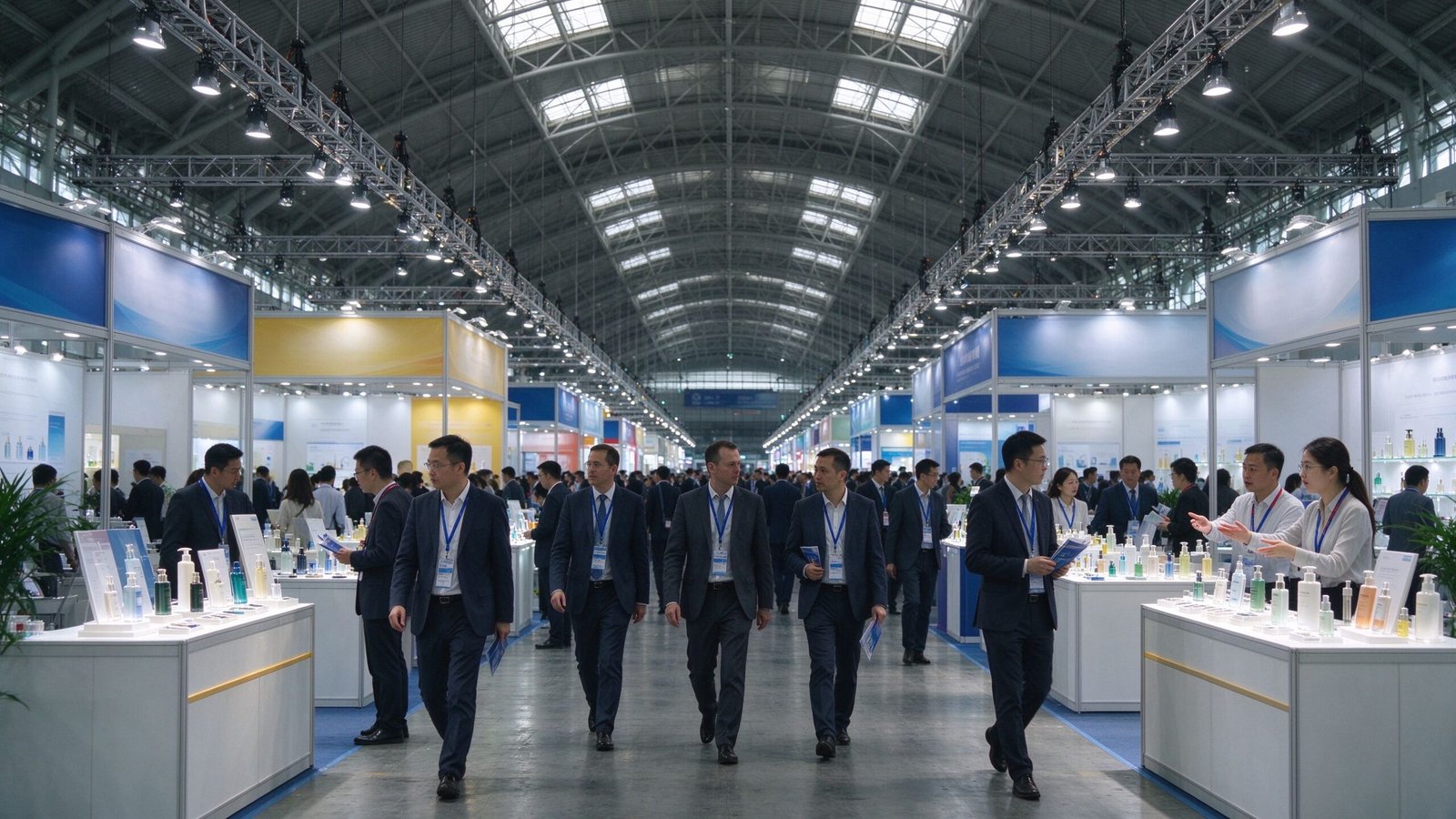
    Busy aisle inside the Canton Fair trade show hall in Guangzhou with rows of booths and buyers

    The Canton Fair (China Import and Export Fair) in Guangzhou remains the fastest way on earth to meet hundreds of Chinese manufacturers in four days. Whether you source electronics, furniture, textiles, machinery, or consumer gifts, this guide covers the 2026 schedule, the halls you should prioritize, how to prepare before you fly, what to do on the floor, and how to follow up with the suppliers you meet. If you are serious about buying directly from China, the Canton Fair is the highest-leverage trip you can take.

    What the Canton Fair Is, and Why It Matters

    Founded in 1957 and held twice a year in Guangzhou, the Canton Fair is China’s largest trade show. It hosts roughly 25,000 exhibitors and 200,000 overseas buyers per session. Unlike niche exhibitions, it covers nearly every consumer and industrial category under one roof. For buyers, the value is density: in three days you can vet 50 factories that would otherwise take five months of email outreach to discover.

    2026 Sessions and Zones

    The fair runs in three phases per session, each focused on a different product range. Book the phase that matches your category, not the whole trip:

    • Phase 1 — Electronics & household appliances, lighting, vehicles & accessories, machinery, hardware & tools, building materials, chemical products.
    • Phase 2 — Consumer goods, gifts & premiums, toys, watches & jewelry, furniture, kitchenware, home decor, gardening.
    • Phase 3 — Textiles & garments, shoes, office supplies, health products, medical devices, food, sports products.

    The fairground (Pazhou Complex) is organized into Zone A, B, and C, with exhibitor directories published online weeks in advance. Download the official Canton Fair app and pre-book your badge before arrival; on-site registration queues can eat half a day.

    Other Major China Trade Shows Worth Knowing

    The Canton Fair is broad but not always the best fit for specialized categories. Depending on what you buy, also consider:

    • Yiwu Fair (Yiwu, Zhejiang) — small commodities, accessories, household goods, ideal for low-MOQ buyers.
    • Shanghai International Import Expo (CIIE) — more import-focused, strong for food, healthcare, and consumer brands.
    • Hong Kong Electronics Fair (spring and autumn) — easier than mainland fairs for English-speaking buyers, high density of electronics and smart-home suppliers.
    • CES Asia / Shanghai Electronics Show — cutting-edge gadgets, smart devices, components.
    • Shenzhen Industrial Fair / Modern Logistics Show — hardware, components, automation, supply-chain services.
    • Furniture China (Shanghai) — mid-to-high-end furniture, lighting, home textiles.

    Two Weeks Before You Fly: Pre-Trip Preparation

    Buyers who prepare before departure get 5x more value out of the show. Do these things at home:

    • Register online for your buyer badge and book flights and hotels early — hotels near Pazhou sell out months ahead.
    • Shortlist 50–100 exhibitors from the official directory. Mark booth numbers on a floor plan and group them by hall to minimize walking.
    • Print business cards with your name, company, product category, and target volume. Bring at least 200.
    • Prepare a one-page product brief in English (and Chinese if possible) describing what you want to source, quantities, and target price.
    • Install WeChat and WhatsApp, and bring a portable charger. You will scan QR codes all day.
    • Book 3–5 factory visits for the week after the fair, when you are already in Guangdong. Most factories are within a 1–3 hour drive of Guangzhou.
    • Buy a China SIM or eSIM for data; hotel Wi-Fi is unreliable on the floor.

    On the Floor: How to Work a Booth Like a Pro

    Wandering aimlessly is the #1 mistake first-time visitors make. Follow this rhythm at every booth:

    • Observe for 30 seconds. Are they displaying their own products, or printed catalogs from others? Real factories display samples with component details; trading companies display glossy catalogs.
    • Ask one screening question: “Are you the factory, or a trading company?” Most sales reps answer honestly when asked directly.
    • Show your product brief and ask: “Can you produce this? What is your MOQ and FOB price?”
    • Scan their WeChat QR code and ask them to send their catalog and a factory video to your chat.
    • Mark the booth card: star = follow up hard, circle = revisit, cross = skip. Do this immediately after leaving.
    • Collect 30–50 qualified leads per day, not 200. Depth beats breadth at the fair.

    On-Site Factory Vetting Tips

    Some exhibitors offer on-site mini-audits or video walkthroughs. Use these signals:

    • Ask to see a photo of their production line and ask how many workers are on the floor.
    • Ask which countries they already export to. If they name your market, that is a strong green flag.
    • Check whether their booth price sticker matches a mature product with existing certifications.
    • Beware booths where every sales rep is young and no engineer is present. These are often trading booths.
    • If a product excites you, ask whether they can send samples to your office within 7 days.

    After the Show: Follow-Up That Converts

    Most buyers collect 300 cards and never follow up. The buyers who win are the ones who follow up in the first 72 hours:

    • Day 1 after the fair — send a WeChat / email thank-you to your top 10–15 booths, referencing the exact product you discussed.
    • Day 2–3 — request formal quotations, sample invoices, and certification documents.
    • Day 4–7 — shortlist 3 factories and book video calls. For the top 2, book an on-site factory audit during your remaining week in China.
    • Week 2 — place sample orders with 2–3 factories in parallel. Never commit to bulk before receiving and testing samples.
    • Keep a comparison sheet tracking price, MOQ, lead time, certification, communication speed, and audit notes.

    Practical Logistics Tips for First-Timers

    • Wear comfortable shoes. You will walk 15–25 km per day.
    • Bring a roller bag. You will collect catalogs, samples, and brochures.
    • Exchange a small amount of RMB at the airport; WeChat Pay and Alipay now accept foreign cards in many places, but cash still helps.
    • Book your hotel near Canton Fair Complex (Pazhou) or Zhujiang New Town to save commuting time.
    • Meals inside the fairground are expensive and average; lunch in the nearby commercial center is better value.

    Maximize Your Return on Travel Cost

    A trip to the Canton Fair costs $2,500–$4,500 per buyer once flights, hotels, and time are counted. To make it worthwhile, set goals before you land: collect 100 qualified leads, shortlist 10 factories, order 5 samples, and book 3 audits. Buyers who hit these numbers usually recover the trip cost on their first order. Ready to ship what you find? Check our guides on how to import from China to the USA and shipping from China to Europe via FBA, LCL, and DDP so your post-fair orders land without surprises.

  • How to Write a Sourcing Inquiry Email That Chinese Suppliers Answer

    How to Write a Sourcing Inquiry Email That Chinese Suppliers Answer

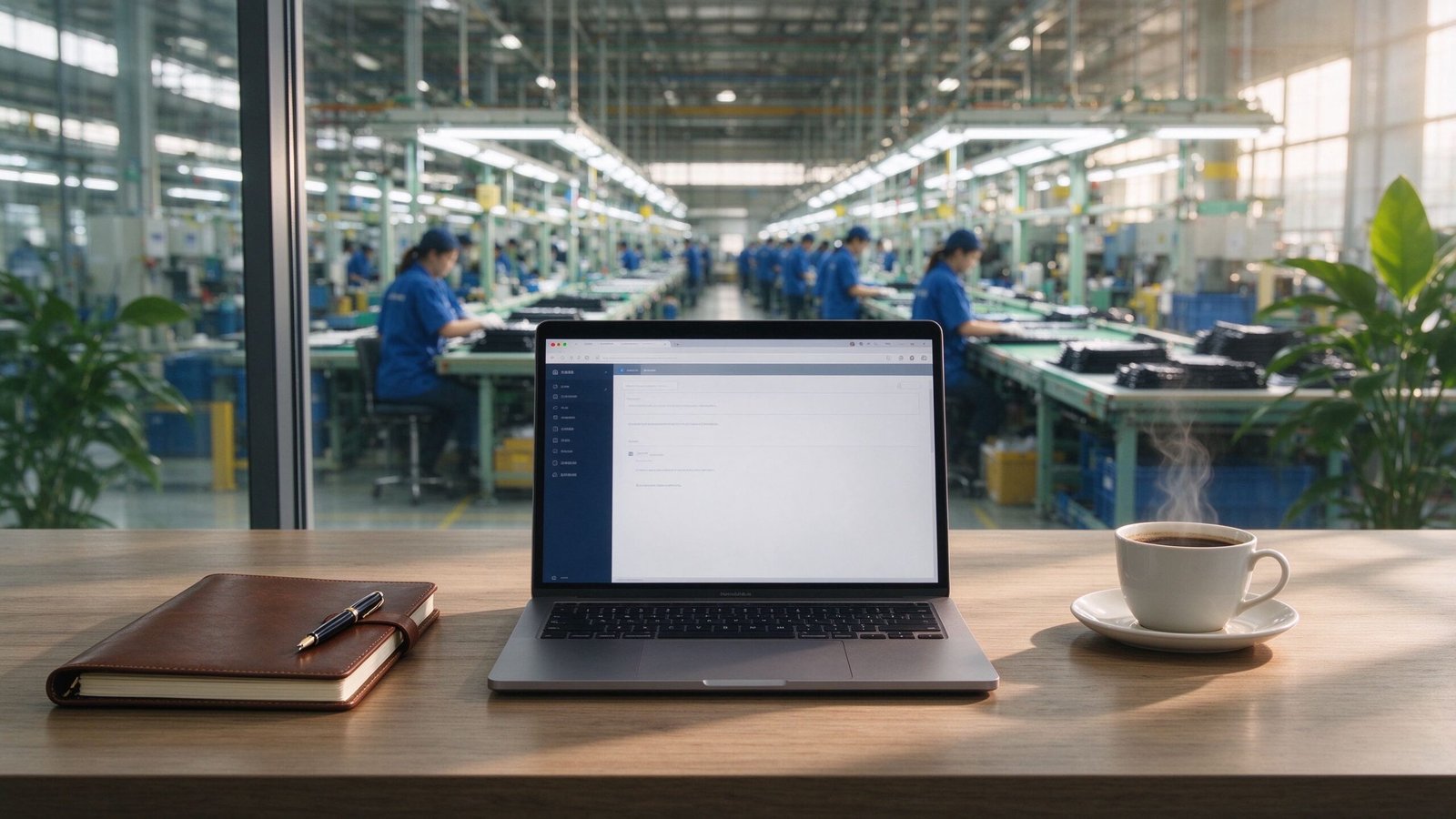
    Buyer writing a sourcing inquiry email on a laptop with a Chinese factory visible through the window

    A well-written sourcing inquiry email is the single fastest lever you have for raising response rates from Chinese suppliers. Most buyers send a two-line message (“price for 500 pcs, send catalog”) and wonder why factories ignore them. Chinese sales teams receive hundreds of such emails every day, and they triage by how professionally your first message reads. This guide walks you through the anatomy of an inquiry letter that Chinese suppliers actually reply to, the questions you must ask, and the mistakes that quietly kill your reply rate.

    Why Your First Email Determines Everything That Follows

    Chinese suppliers do not yet know you. In the first 60 seconds they are judging three things: whether you are a real buyer, whether your project is worth their time, and whether communicating with you will be smooth. A vague inquiry signals “tire-kicker” and lands you at the bottom of the inbox. A structured, specific inquiry signals “serious buyer” and gets routed to the sales manager, not a junior rep.

    The good news: you do not need perfect English. Suppliers care far more about clarity, completeness, and commercial credibility than about grammar.

    Anatomy of a High-Reply Sourcing Inquiry Email

    A professional inquiry letter follows a repeatable structure. Adapt the wording, but keep the blocks in this order:

    • Clear subject line — include the product name, your quantity range, and the word “Inquiry”. Example: “Inquiry: Wireless Earbuds (Bluetooth 5.3) – 1,000–5,000 pcs for US market”.
    • Who you are — one or two sentences about your company, your market, and your channel (Amazon, retail, B2B, DTC).
    • Exact product spec — model, dimensions, materials, colors, certifications required, and a reference image or link if you have one.
    • Quantity and timeline — first order quantity, repeat order estimate, target delivery date, and your shipping destination.
    • Commercial questions — FOB unit price, MOQ, sample cost and lead time, production lead time, payment terms.
    • Compliance questions — CE / FCC / FDA / RoHS as relevant, and whether they have exported to your country before.
    • Call to action — ask for a quotation sheet and the factory’s catalog, and suggest a short video call if the project is large.
    • Professional signature — full name, title, company, website, WhatsApp / WeChat, and timezone.

    The Exact Questions You Must Ask Every Supplier

    Buyers who ask the right questions up front avoid ninety percent of later disputes. Include these in your first or second exchange:

    • What is your MOQ, and what price breaks apply at 500 / 1,000 / 5,000 / 10,000 pcs?
    • Is the quoted price EXW, FOB, or CIF? Which port?
    • Do you manufacture in-house, or do you subcontract any stage?
    • What certifications does the product already hold, and can you share the report?
    • How long is the sample lead time, and is the sample fee refundable on bulk orders?
    • What is the mass-production lead time after deposit?
    • What payment terms do you offer (T/T 30/70, L/C, PayPal for samples)?
    • What is your defect rate, and what is your warranty / replacement policy?
    • Can I book a factory audit or video walkthrough before placing the order?

    Common Mistakes That Crash Your Reply Rate

    Even experienced buyers repeat these errors. Avoid them:

    • Asking “what is your best price?” with no specs. Suppliers cannot quote without a bill of materials, and they will assume you are a price-shopper.
    • Hiding your quantity. “What is your MOQ?” is fine. But refusing to share expected volumes makes suppliers assume the project is imaginary.
    • Writing only in Chinese characters if your own team cannot follow up in Chinese. Mixed language leads to translation drift later.
    • Demanding a full catalog on day one. Ask for the catalog only for products you genuinely intend to buy.
    • Using a free webmail address with no signature. A Gmail address is fine, but always add your company name, website, and WhatsApp.
    • Threatening or scolding tone in the first email. Sourcing is a long relationship; save tough negotiation for the contract stage.
    • Copy-pasting the same generic email to 200 suppliers. Sales teams recognize a mass blast instantly.

    Tactics That Lift Reply Rates by 2–3x

    Small changes produce outsized results:

    • Send your email on a Tuesday or Wednesday morning, Beijing time, when sales desks are fresh and before the weekend backlog.
    • Follow up once after 48 hours, then again after 5 days. A polite second touch gets more replies than a better first draft.
    • Offer WeChat or WhatsApp in your signature. Many Chinese suppliers answer chat messages faster than email.
    • Attach a one-page product brief (PDF or image) with your target spec. It signals seriousness immediately.
    • Mention one competitor product you like (“similar to product X but with Y improvement”). It gives the sales engineer something concrete to quote against.
    • For orders above $10,000, propose a 20-minute video call after the first quotation. It filters out traders fast.

    What a Real Inquiry Email Looks Like

    Subject: Inquiry: 20W Solar Portable Charger – 2,000 pcs for EU Amazon brand

    Hi [Name],

    We are a small Amazon brand based in Germany, selling outdoor electronics. We are looking for a factory to produce a 20W foldable solar portable charger for our Q4 launch. Our target first order is 2,000 pcs, with repeat orders of around 1,000 pcs per month after launch.

    Required specs: 20W ETFE panels, USB-C PD 18W output, IP65, weight under 400g, CE / RoHS / REACH certified. I have attached our spec sheet and a reference photo.

    Could you please share:

    • FOB Shenzhen unit price at 2,000 and 5,000 pcs
    • Sample cost and lead time
    • Mass production lead time after deposit
    • Whether you have existing CE / RoHS reports we can review

    We can jump on a WeChat or video call next week if helpful. My WhatsApp is +49 170 000 0000.

    Best regards,
    [Your Name]
    [Company], [Website]
    [WhatsApp / WeChat]

    Final Checklist Before You Hit Send

    • Subject line includes product + quantity + “Inquiry”.
    • Your company, market, and channel are stated in two lines.
    • Specs are specific enough that an engineer could build a quote.
    • You ask for price, MOQ, lead time, samples, and certifications.
    • Signature has name, title, website, and chat contact.
    • You have scheduled a 48-hour follow-up.

    Need help choosing a supplier before you start writing? Read our guide on how to find a reliable Chinese supplier, and learn how to avoid common China sourcing scams so your first email lands with the right factory, not a middleman.

  • China Sourcing Contract Essentials: Clauses Every Buyer Should Include

    China Sourcing Contract Essentials: Clauses Every Buyer Should Include

    Businessman signing a formal contract document with a fountain pen and red Chinese company seal on a desk

    A purchase order or proforma invoice is not enough protection when sourcing from China. As your order volume grows, a formal written contract becomes essential to define product specifications, payment obligations, delivery timelines, quality standards, and what happens when things go wrong. Many disputes arise not because the factory is dishonest, but because expectations were never written down clearly. This article outlines the essential clauses every buyer should include in a China sourcing contract, and how they relate to the PI and PO documents you already use.

    1. Product Specifications and Acceptance Standards

    The most common source of disputes is ambiguity about what exactly is being ordered. The contract should attach or reference detailed specifications so both sides measure success against the same benchmark:

    • Detailed product specifications: dimensions, materials, colors, weight, and functional parameters.
    • Reference samples or sealed samples signed by both parties as the quality benchmark.
    • Applicable standards (e.g., ASTM, CE, FDA, RoHS) and the AQL inspection level (commonly 2.5 major / 4.0 minor).
    • Packaging requirements: carton dimensions, labeling, barcodes, and shipping marks.
    • Intellectual property ownership, including who owns tooling, molds, and custom designs.

    2. Pricing and Payment Terms

    Clarity on money prevents most payment-related conflicts. Chinese factories expect predictable payment milestones and will resist unusual payment structures:

    • Unit price, currency, Incoterms rule (EXW, FOB, CIF, DDP), and whether tooling or mold fees are included.
    • Payment schedule: typical terms are 30% T/T deposit upon order confirmation, 70% balance before shipment or against copy of B/L.
    • Who pays for bank fees, and confirmation that the beneficiary account matches the contract entity name. Never wire funds to a personal account that differs from the contract entity.
    • Price validity period and conditions for price adjustment on repeat orders.

    3. Delivery Timelines and Penalties

    Delays can disrupt your entire sales channel and lead to stockouts. The contract should specify exact commitments and remedies:

    • Exact production lead time from receipt of deposit and approved samples.
    • Whether the lead time includes or excludes transit time.
    • Liquidated damages for late delivery, commonly 0.5–1% of the order value per week of delay, up to a cap (often 10–20%).
    • The buyer’s right to cancel the order and receive a refund if delays exceed an agreed threshold (e.g., 30 days).
    • Force majeure clauses defining what counts as an excused delay (natural disasters, government shutdowns, port strikes).

    4. Quality, Warranty, and After-Sales

    Define how defective products are handled after shipment so there is no argument about who bears the cost:

    • Rejection rights: the buyer may reject the shipment if the third-party inspection result is FAIL or if defect rates exceed agreed thresholds.
    • Remedies: replacement, rework, discount, or credit for future orders — specify which applies and in what proportion.
    • Warranty period (e.g., 12 months from shipment) for manufacturing defects, excluding misuse or normal wear.
    • Whether the factory covers return shipping and replacement logistics costs for confirmed defects.

    5. Intellectual Property and Confidentiality

    Protect your designs, brand, and business information before you share anything sensitive with the factory:

    • Trademark registration in China before tooling production begins. China uses a first-to-file system, so register early.
    • An NDA clause prohibiting the factory from sharing your designs with competitors or selling overstock on public platforms.
    • Confidentiality of pricing, customer information, and product roadmaps.
    • A clause requiring the factory to destroy or return all confidential materials after contract termination.

    6. Dispute Resolution and Governing Law

    No one expects disputes, but you should plan for them. Enforcing a foreign judgment in China is difficult, so choose a practical mechanism:

    • Preferred dispute resolution: negotiation first, then either CIETAC arbitration or a mutually agreed third-party mediation.
    • Governing law and language versions. Note that Chinese courts generally prioritize the Chinese-language version of a contract, so have the bilingual version reviewed by a local lawyer.
    • The contract should be signed by a legal representative of the factory entity (not just a salesperson) with the official company chop (公章), not a contract-specific seal.

    PI, PO, and Contract: How They Relate

    A Proforma Invoice (PI) confirms order details at the start — unit price, quantity, and payment terms. A Purchase Order (PO) is the buyer’s formal order reference. A formal supply contract sits above both, governing the ongoing relationship and repeat orders. For first-time orders above a certain value (typically $5,000–$10,000), a contract is strongly advisable; for ongoing relationships, a master supply agreement can cover multiple POs and simplify reordering.

    Before signing, have a local Chinese lawyer review the contract, especially the dispute resolution and IP clauses. A few hundred dollars in legal fees is trivial compared to the cost of an unenforceable agreement. Keep a signed hard copy and a digital backup, and share a copy with your inspection company so they know the acceptance standards they are checking against.

    A well-drafted contract does not guarantee a perfect order, but it gives you leverage when problems arise and signals to the factory that you are a serious, professional buyer. Want to understand payment terms in depth? Read our detailed explainer on China payment terms for importers.

  • How to Choose a Third-Party Inspection Company in China

    How to Choose a Third-Party Inspection Company in China

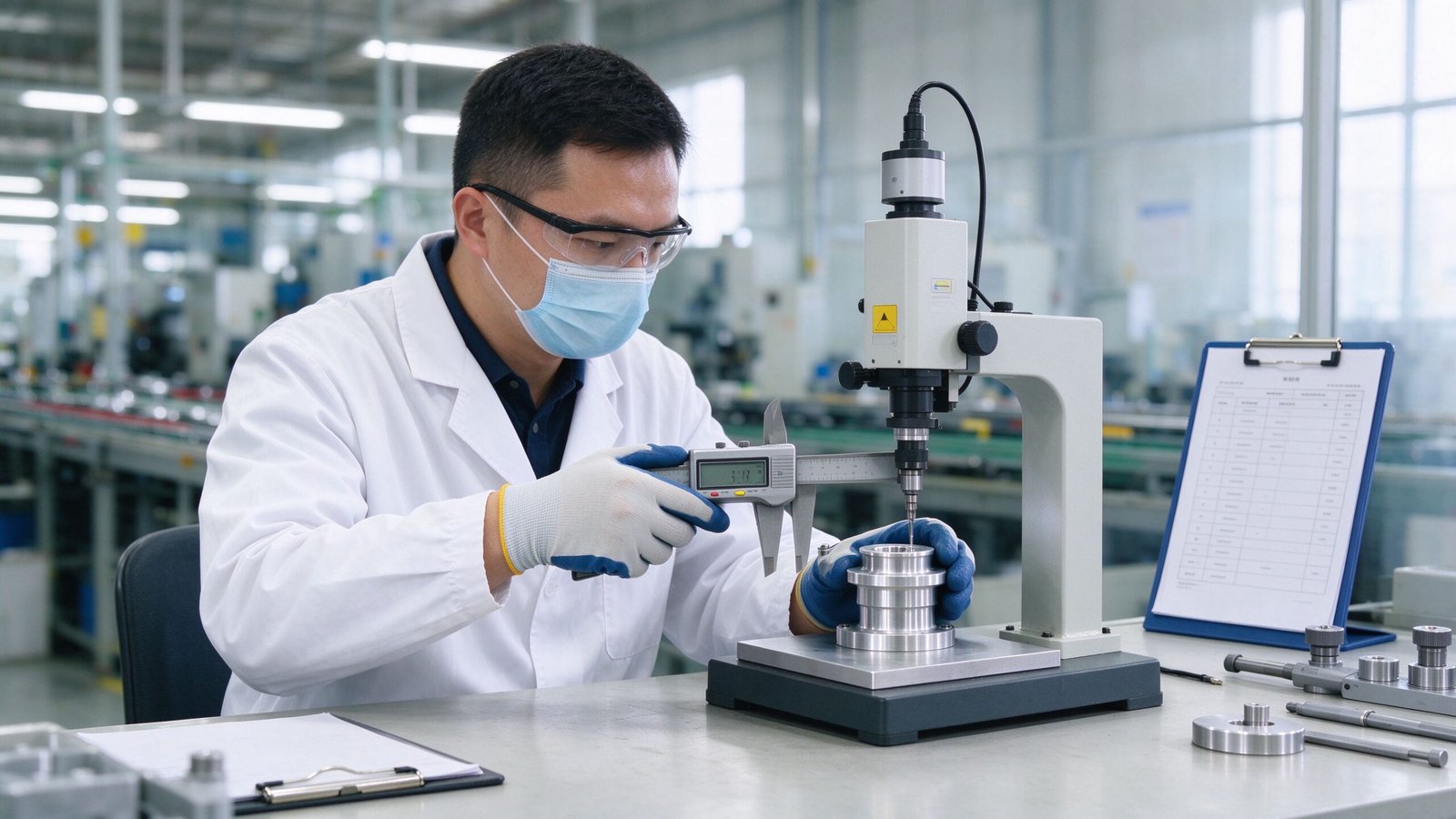
    Quality control inspector using precision measuring instruments on a manufactured product

    Quality control is one of the biggest pain points for buyers importing from China. Even with a good factory and clear specifications, defects can slip through during mass production. A reputable third-party inspection company acts as your eyes and ears on the ground, verifying that your order meets agreed standards before it ships. But choosing the right inspection partner is itself a critical decision — a rushed or superficial inspection can give false confidence and let defective goods reach your warehouse. Here is how to evaluate and select a third-party QC firm in China.

    Types of Inspection Services

    Not all inspection companies offer the same scope of services. Before contacting vendors, understand the main inspection types so you can specify exactly what you need:

    • Pre-production inspection (PPI): Verifies raw materials and components before production starts, catching material mismatches early.
    • During production inspection (DUPRO): Checks quality when 20–50% of the order is completed, allowing rework before the whole lot is finished.
    • Final random inspection (FRI) / Pre-shipment inspection (PSI): The most common service, sampling finished goods per AQL standards after 100% production and packaging.
    • Container loading supervision (CLS): Monitors loading to confirm quantity, packaging integrity, and container condition, and to prevent pallet swapping.
    • Factory audit: Evaluates a supplier’s production capacity, management systems, social compliance, and whether they actually exist as claimed.

    Key Criteria for Comparing Inspection Companies

    When evaluating potential QC partners, consider the following factors. The global inspection market includes large multinational firms such as SGS, Bureau Veritas, Intertek, TüV Rheinland, and QIMA (formerly Asia Inspections), as well as smaller local agencies. Each has trade-offs:

    • Accreditation: Look for ISO/IEC 17020 accreditation and membership in industry bodies such as the International Federation of Inspection Agencies. Multinational firms have stronger credentials but charge premium rates.
    • Experience in your product category: A company that regularly inspects electronics will not necessarily understand furniture safety standards or textile color fastness. Ask for case studies or sample reports relevant to your product.
    • Inspector qualification: Inspectors should have technical training and, for regulated products (toys, electronics, textiles), familiarity with target-market regulations such as CE, ASTM F963, or CPSIA.
    • Geographic coverage: Confirm the company has inspectors based near your factory. Travel time and extra fees can add up if the nearest inspector is hundreds of kilometers away.
    • Report turnaround time: A professional report should be delivered within 24 hours of the inspection, ideally with photos, measurements, and clear pass/fail conclusions. Some firms offer real-time WeChat photo updates during the visit.
    • Cost balance: Big-name agencies charge $300–$500 per man-day, while smaller specialized firms may charge $150–$250. For repeat orders, membership plans often reduce the per-inspection rate.

    What a Good Inspection Report Contains

    Before signing up, ask for a sample inspection report. A thorough report is your only objective record of the order condition. It should include:

    • Date, time, and location of the inspection, with the factory name and contact person.
    • Order details: product name, model, quantity produced, quantity sampled, and AQL standard applied.
    • On-site photos: carton markings, product appearance, labeling, accessories, and packaging.
    • Checklist results: workmanship, functionality, barcode scan tests, drop tests, color checks, and critical measurements.
    • Defect classification: critical, major, and minor defects with photos and quantities.
    • A clear conclusion: PASS, FAIL, or PENDING, with recommended actions and re-inspection conditions.

    How Inspection Fees Are Structured

    Most inspection companies charge per man-day, typically between $180 and $300 per inspector-day for standard PSI services, with multinational firms at the higher end. Additional costs may include:

    • Travel fees if the factory is outside major industrial hubs such as Shenzhen, Shanghai, or Yiwu.
    • Extra lab testing fees (e.g., battery safety, chemical analysis, durability tests) done in certified laboratories.
    • Expedited reporting or weekend surcharges for time-sensitive shipments.
    • Membership packages that bundle multiple inspections at a discounted monthly or annual rate.

    Cheaper is not always better. Inspectors paid per report may rush through inspections to maximize volume. Choose a company that pays inspectors by the hour and rewards accuracy rather than speed, and ask how many inspections a single inspector is expected to complete in one day.

    Avoiding “Check-the-Box” Inspections

    Some inspection firms deliver shallow reports that miss real defects, leaving you with no protection. To prevent this:

    • Provide a detailed inspection checklist tailored to your product, including specific tests, tolerances, and photo requirements.
    • Request real-time photos via WeChat during the inspection so you can ask follow-up questions on the spot.
    • Randomly audit the inspector’s work by comparing report photos with your own factory observations or a second surprise inspection.
    • Establish a long-term relationship with one or two trusted firms rather than switching vendors to chase lower prices. Consistency improves report quality over time.

    A good third-party inspection company is an extension of your own quality team. Choose carefully, define clear expectations, and use their reports as a continuous improvement tool rather than a one-time gate. Unsure which inspection stage fits your order? Read our comparison of pre-shipment vs. in-process inspections.

  • How to Find Niche Chinese Factories for Direct Supply

    How to Find Niche Chinese Factories for Direct Supply

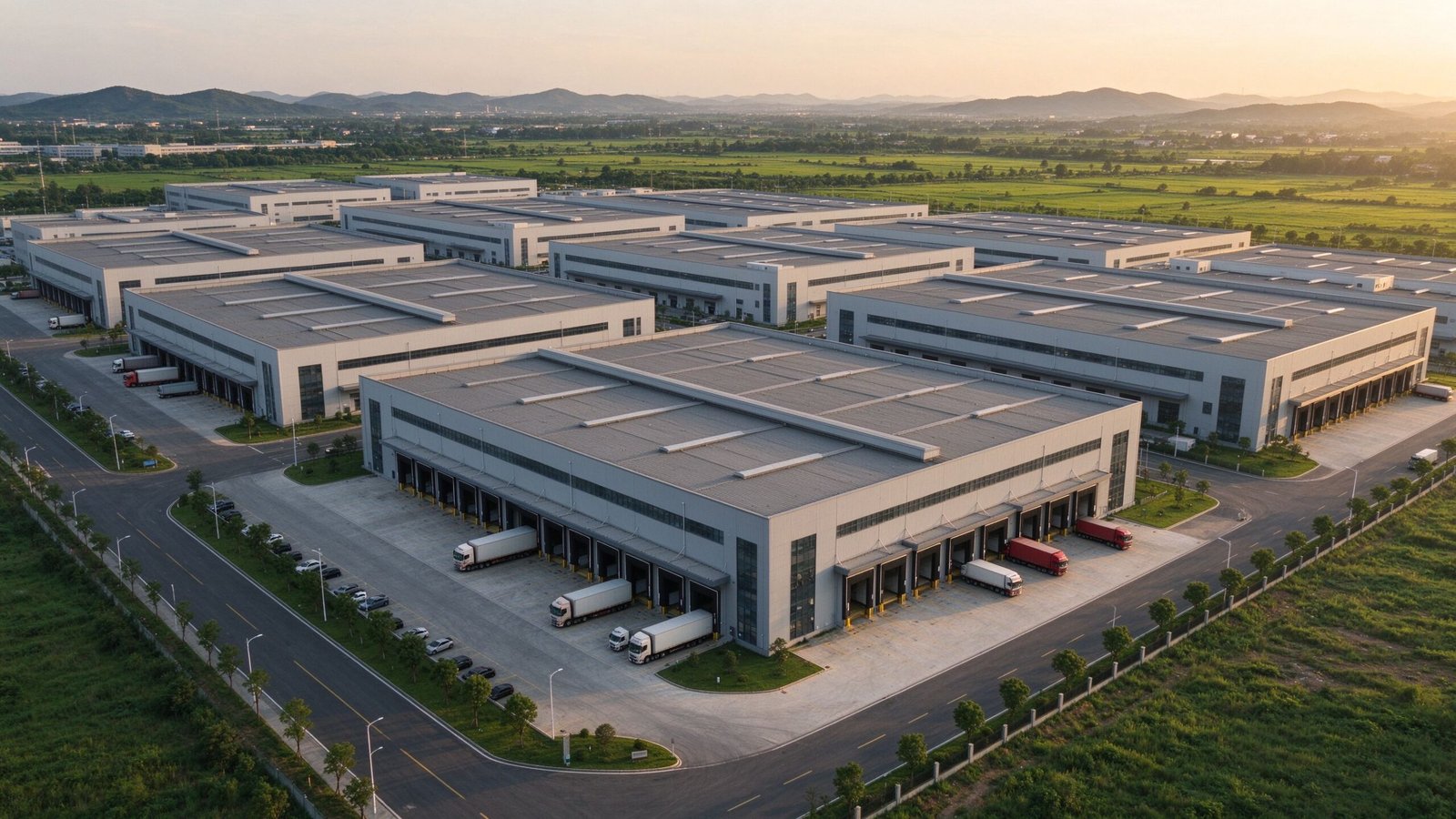
    Aerial view of a Chinese industrial park with factory buildings and loading docks

    For buyers sourcing niche or specialized products from China, working directly with the factory instead of through trading companies or intermediaries is one of the most effective ways to cut costs, protect margins, and gain control over quality and lead times. However, finding the right niche factory is not as simple as searching Alibaba and picking the cheapest listing. Many listings on major B2B platforms belong to trading companies that mark up prices and have no real production capability. This guide walks you through a practical, field-tested process for locating and vetting real Chinese manufacturers that produce specialized goods.

    1. Mine Alibaba and 1688 with Product-Specific Keywords

    Most buyers begin on Alibaba.com, but for niche products, the domestic Chinese platform 1688.com often reveals the actual factories behind the branded trading companies. Alibaba is optimized for export-facing suppliers, while 1688 shows domestic manufacturers who may not speak English but have genuine production lines. Searching both platforms gives you a much richer picture of the supply side.

    • Search Alibaba using long-tail product keywords (e.g., “custom silicone baking molds” rather than just “silicone molds”) to filter out generic traders.
    • Cross-reference promising suppliers on 1688 by searching the same product in Chinese characters. Translation tools can convert your English keyword into Chinese.
    • Filter Alibaba results by “Gold Supplier” with at least three years of tenure, and check whether the company type is listed as “Manufacturer” rather than “Trading Company.”
    • Verify the business license number on China’s National Enterprise Credit Information Publicity System to confirm the entity is real and in good standing.
    • Pay attention to the factory’s product portfolio: a real niche factory usually makes a narrow range of related products, not hundreds of unrelated categories.

    2. Tap into China’s Industrial Clusters

    China’s manufacturing is geographically concentrated. Certain cities and towns specialize in specific product categories, and sourcing from these clusters dramatically increases your chances of finding a real niche factory. These clusters have deep supply chains of raw material suppliers, parts makers, and logistics providers nearby.

    • Yiwu (Zhejiang): small commodities, accessories, toys, and daily-use items.
    • Shantou Chenghai (Guangdong): toys and plastic products.
    • Dongguan (Guangdong): electronics, hardware, molds, and precision parts.
    • Wenzhou (Zhejiang): footwear, eyewear, electrical switches, and valves.
    • Foshan (Guangdong): furniture, ceramics, and building materials.
    • Yongkang (Zhejiang): hardware, tools, kitchenware, and scooters.
    • Shenzhen (Guangdong): consumer electronics, PCB, and smart devices.

    Once you know which cluster serves your product category, you can search local B2B directories, attend industry-specific trade shows such as the Canton Fair in Guangzhou or regional expos, or hire a local sourcing agent on the ground to visit factories in person.

    3. Verify the Factory Before You Commit

    A supplier listing a “factory” on Alibaba is not always a factory. Trading companies frequently dress up their profiles to look like manufacturers. Here is how to verify before you send any deposit:

    • Request a video call or live factory tour via WeChat. Ask to see the production floor, raw material warehouse, and quality control stations simultaneously.
    • Check the business scope on the company’s registration. A real factory’s business license will include “manufacturing” or “production” in its scope; a trader’s scope will only list “sales” or “import and export.”
    • Ask for photos of the factory exterior, including the company name on the building sign, and compare it with the registered address.
    • Request sample orders from different production lines to confirm the factory can actually produce your niche specification, not just the standard catalog item.
    • If possible, hire a third-party audit firm to conduct a social compliance or production capacity audit. This costs a few hundred dollars but can save you from catastrophic quality failures.

    4. Negotiating Directly with a Chinese Factory

    Once you have identified a genuine niche factory, the negotiation dynamic is different from dealing with a trading company. Factory owners care about volume consistency, payment security, and long-term cooperation. They are usually less flexible on unit price but more willing to invest in custom tooling or process improvements if they see a durable relationship.

    • Be transparent about your estimated annual volume. Factories offer better pricing to buyers who can provide predictable repeat orders.
    • Negotiate payment terms that work for both sides, typically 30% deposit with 70% before shipment, or L/C at sight for larger orders.
    • Clarify who bears tooling and mold costs, and whether molds are owned by you as the buyer and stored at the factory exclusively for your orders.
    • Agree on a clear acceptance standard, including AQL inspection levels, before mass production begins.
    • Build the relationship through regular WeChat communication and periodic factory visits. Chinese factories prioritize buyers they know personally.

    5. Common Pitfalls to Avoid

    • Don’t rely solely on Alibaba’s “Verified Supplier” badge — it confirms trading history, not production capability.
    • Don’t assume the lowest price means the factory is direct; some traders undercut real factories by using lower-tier subcontractors.
    • Don’t skip the factory audit even for small orders — quality problems found after shipment are far more expensive than a pre-order audit.
    • Don’t forget to protect your intellectual property by registering trademarks in China and signing an NDA before sharing custom designs.
    • Don’t over-commit to a single factory without a backup. Even good factories experience capacity crunches and quality dips.

    Finding a niche Chinese factory for direct supply takes patience and methodical research, but the payoff — lower costs, better quality control, and a more resilient supply chain — is well worth the effort. Need help vetting a potential supplier? Read our complete guide to finding reliable Chinese suppliers.

  • Yoga Mat Non Slip: Amazon Price vs China Factory Cost (2026)

    Yoga Mat Non Slip: Amazon Price vs China Factory Cost (2026)

    If you’re sourcing non-slip yoga mats for Amazon or your fitness store, you probably want to know: what’s the real margin on this product? In this breakdown, we take a close look at the TPE eco-friendly yoga mat with alignment marks — one of the most consistent fitness products on Amazon. We compare materials, Amazon pricing, and real factory quotes from verified Chinese manufacturers, so you know exactly what to expect before placing your order.

    Yoga Mat Non Slip: Amazon Price vs China Factory Cost (2026)

    What Is a Non-Slip Yoga Mat?

    A non-slip yoga mat is a thick, cushioned exercise mat used for yoga, Pilates, and home workouts. The upgraded versions come with alignment marks (to help with proper posture), carry straps, and eco-friendly TPE material instead of cheap PVC.

    This is one of the most consistent fitness products on Amazon. Demand is year-round, with spikes in January (New Year resolutions) and summer (home workout season). It’s a repeat purchase item — people buy new mats every 1-2 years as they wear out.

    Yoga Mat Non Slip: Amazon Price vs China Factory Cost (2026)

    Material Breakdown: What’s Inside a $30 Yoga Mat?

    Before comparing prices, it helps to know what you’re paying for. Here’s the typical bill of materials for a mid-range non-slip yoga mat:

    • Material: TPE (thermoplastic elastomer) or natural rubber (better quality)
    • Thickness: 6mm / 8mm / 10mm (thicker = more cushioning)
    • Surface: Double-sided non-slip texture
    • Alignment marks: Printed measurement lines for proper posture
    • Carry strap: Elastic strap for easy transport
    • Dimensions: 72″ × 24″ (standard size)

    The biggest quality difference is in the material. Cheap PVC mats smell terrible and slide around, while good TPE mats are eco-friendly, odorless, and grip well. Always ask for a material sample before bulk ordering.

    Amazon Price Analysis: What Are People Actually Paying?

    We tracked the top 20 yoga mat listings on Amazon US. Here’s the price range you’ll see:

    Brand Tier Amazon Price Example
    Premium (Branded) $59.99 – $129.99 Lululemon, Manduka, Gaiam
    Mid-tier $24.99 – $39.99 Ewedoos, Mind Body Positive
    Value / New launch $14.99 – $22.99 No-name brands with launch discounts

    The sweet spot for a new seller is $27.99 – $29.99. It’s low enough to beat the premium brands, but high enough to leave room for PPC ads and still make good profit.

    China Factory Price Breakdown

    Now for the number everyone cares about: what does it actually cost to get this product made in China? We collected quotes from 10 verified factories in Zhejiang and Jiangsu.

    Price Point Cost (USD per unit) MOQ What’s Included
    Factory Price (Bulk Order) $2.50 – $4.00 500–2000 pcs Basic PVC mat, 6mm, no alignment marks
    Factory Price (Custom Logo) $4.00 – $6.50 300–500 pcs TPE material, 8mm, alignment marks, carry strap, retail box
    Fitness product factory production line in China

    Why Don’t Most Sellers Buy Directly From Factories?

    Because material quality and non-slip performance vary wildly between factories. Some cheap mats are made of toxic PVC that smells terrible, or they slide around on hardwood floors. A good sourcing agent tests every sample, checks material safety and non-slip performance, and verifies thickness accuracy before bulk production — saving you from 1-star reviews about “smells bad” or “slides everywhere.”

    Profit Margin Calculation: Is It Worth It?

    Let’s do the math for a realistic first order. You buy 500 units directly from the factory at $5.00 each, sell on Amazon for $28.99.

    Cost Item Per Unit 500 Units Total
    Factory Price (with retail box) $5.00 $2,500
    Shipping to Amazon (sea + fulfillment) $1.50 $750
    Amazon FBA Fee $3.80 $1,900
    PPC Ads (average 10% of revenue) $2.90 $1,450
    Total Cost $13.20 $6,600
    Revenue (selling price × 500) $28.99 $14,495
    Net Profit $15.79 $7,895
    Net Margin ~54% (after all fees and ads)

    That’s after all Amazon fees, shipping, and PPC ads. This is a year-round product with consistent demand. Once you build reviews to 2,000+, you can raise the price to $32.99 and margins improve significantly.

    Yoga Mat Non Slip: Amazon Price vs China Factory Cost (2026)

    Sourcing Tips for Yoga Mats

    Based on working with 15+ yoga mat factories, here are the biggest mistakes new sellers make:

    • Material test. Smell the sample. If it has a strong chemical smell, it’s cheap PVC. Walk away.
    • Non-slip test. Put the mat on a hardwood floor and try sliding. If it moves, the texture is bad.
    • Thickness accuracy. Measure the actual thickness. Advertised “8mm” is often 6mm.
    • Alignment marks. Mats with alignment marks sell 2x better than without. Don’t skip this feature.
    • Eco-friendly claim. TPE is eco-friendly, PVC is not. Market it correctly or you’ll get sued.

    Is This Product Worth Selling in 2026?

    Yes, but it’s competitive. The low-hanging fruit is gone for basic mats. To stand out, you need one of these differentiators:

    • Alignment marks (helps beginners, higher perceived value)
    • Eco-friendly TPE material (popular with environmentally conscious buyers)
    • Extra thick (10mm) (for knee support, popular with older users)
    • Unique colors / patterns (pastel colors, gradient designs)

    Want a Custom Quote for Your Yoga Mat Order?

    We help Amazon sellers and brand owners source yoga mats directly from Chinese factories. We handle factory vetting, material safety testing, non-slip performance checks, and shipping to Amazon FBA. Tell us your target price, thickness, and quantity — we’ll send you 3 factory quotes within 24 hours.

    👉 Get a Free Yoga Mat Sourcing Quote →


    Disclaimer: Pricing data is based on October 2026 Amazon US listings and verified Chinese factory quotes. Actual costs vary by order quantity, customization level, and shipping method. This article is for informational purposes only.