分类: China Procurement

  • Chinese New Year and Your Orders: What Importers Must Know

    Chinese New Year and Your Orders: What Importers Must Know

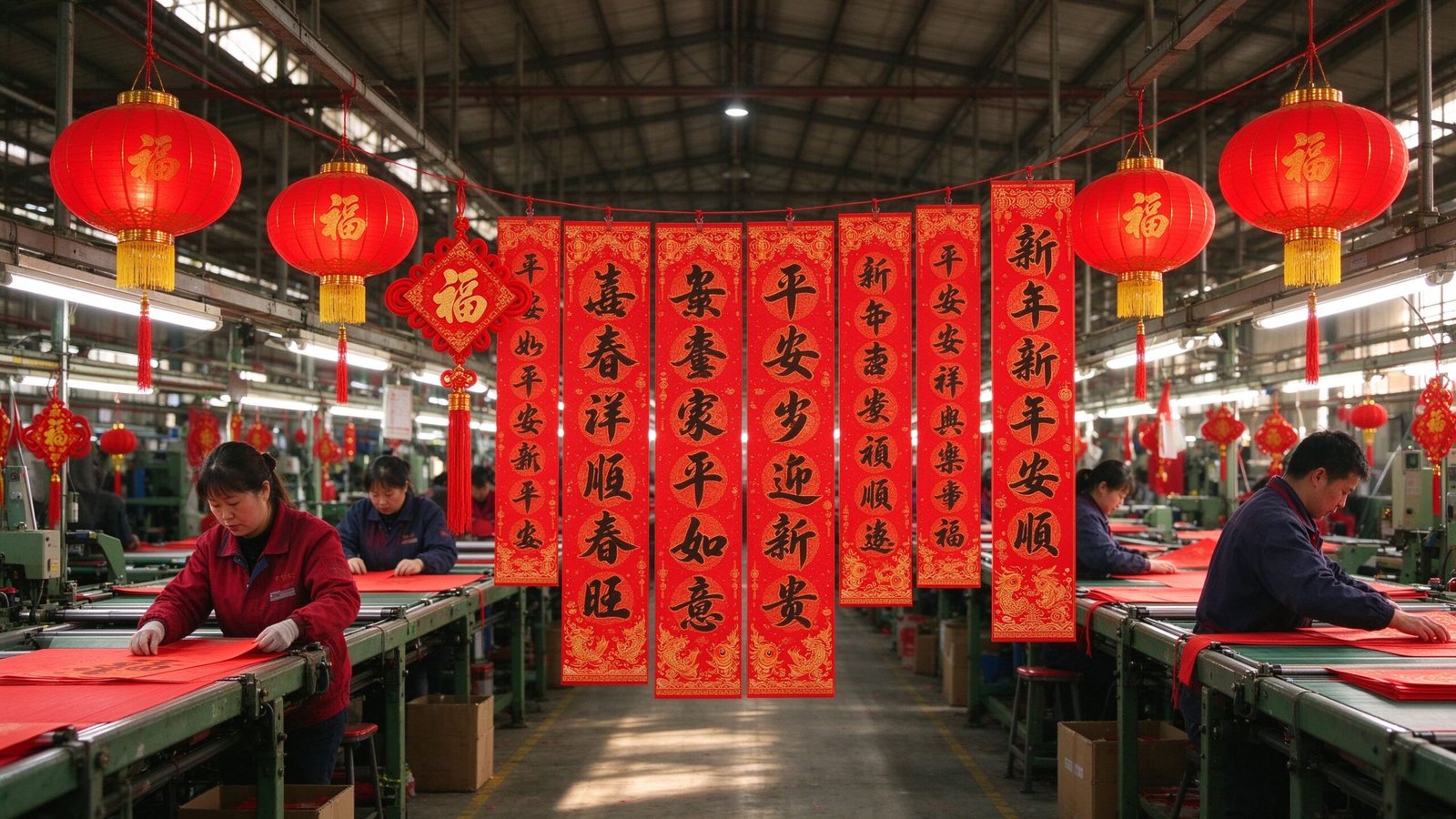
    Chinese New Year production impact

    Every January or February, China shuts down for Chinese New Year (CNY). Factories close, workers go home, and production stops for two to four weeks. Importers who plan ahead keep their supply chain running.

    When Is Chinese New Year?

    CNY follows the lunar calendar, falling between late January and mid-February. The holiday itself lasts about a week, but production winds down before and ramps up slowly after.

    Realistic Timeline

    • 2–3 weeks before: factories stop taking new orders
    • 1 week before: production slows, staff leave early
    • Holiday week: factories fully closed
    • 2–4 weeks after: production restarts gradually

    How to Prepare

    Place orders 6–8 weeks before CNY, confirm the factory’s exact closure dates, and push for delivery before the shutdown. Increase buffer stock for your best sellers.

    Cost Considerations

    Freight rates typically spike before and after CNY. Book space early, and expect delays at ports. Plan your launch calendar around these windows.

    Plan Around the Shutdown

    Smart importers treat CNY as a fixed calendar event. Order early, stock up, and communicate deadlines with your supplier months ahead. Talk to our team to schedule production around CNY.
  • China Sourcing for E-commerce Sellers: A Complete Playbook

    China Sourcing for E-commerce Sellers: A Complete Playbook

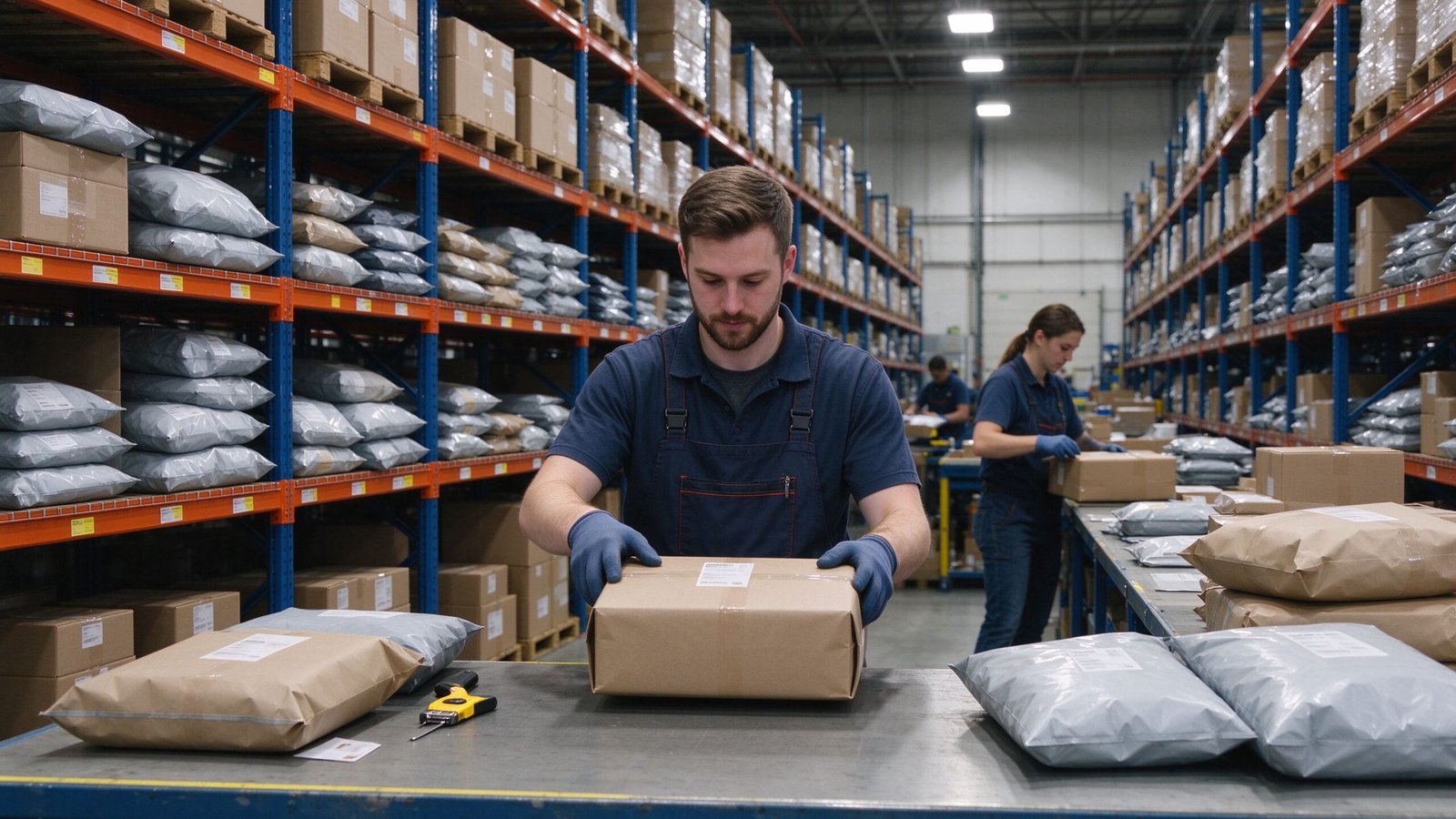
    China sourcing for e-commerce sellers

    E-commerce sellers source from China for one reason: cost. But without a system, low prices disappear into failed products, late shipments, and bad reviews.

    Why China Dominates E-commerce Sourcing

    China offers the world’s largest manufacturing base, unbeatable labor economics, and mature export logistics. From electronics to apparel, most products you sell online are manufacturable there.

    Dropshipping vs Bulk Sourcing

    • Dropshipping — no inventory, higher per-unit cost, fast to start
    • Bulk sourcing — better margins, control over quality, needs capital
    • Private label — your brand on a proven product, highest margin

    How to Start Sourcing

    Define your spec sheet, shortlist suppliers on Alibaba or 1688, order samples, and validate quality before scaling. Never skip the sample stage.

    Manage Risk Like a Pro

    • Use trade assurance or escrow for payments
    • Schedule a pre-shipment inspection on every batch
    • Diversify with a backup supplier
    • Keep 2–3 weeks of buffer stock

    Scale with Confidence

    As your volume grows, a sourcing agent can handle supplier management, QC, and logistics so you focus on selling. Get a free sourcing consultation for your product.

  • Factory Audits: How to Assess a Chinese Factory Before You Order

    Factory Audits: How to Assess a Chinese Factory Before You Order

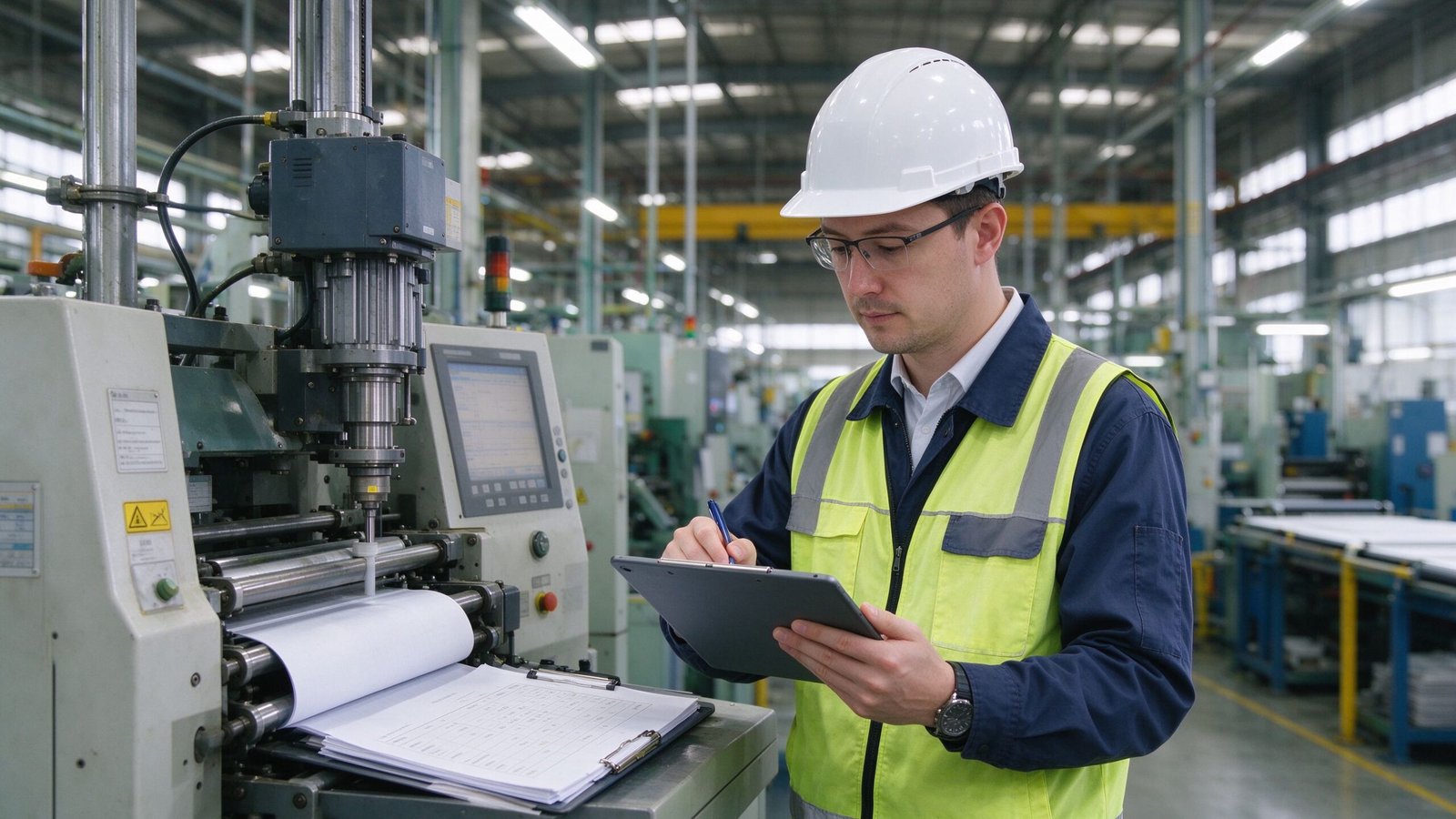
    Chinese factory audit

    A factory audit reveals what a brochure never will: real capacity, real quality systems, and real working conditions.

    Why Audit a Factory?

    Photos and certifications can be misleading. An audit verifies that the factory actually produces your product, has the machinery to scale, and maintains quality control systems.

    Types of Factory Audits

    • Social audit — working conditions, wages, safety
    • Quality audit — systems, equipment, QC processes
    • Capacity audit — does the factory have room for your order?
    • Security audit — supply chain security (C-TPAT)

    What Auditors Check

    • Production equipment and maintenance records
    • QC inspection points and testing procedures
    • Raw material sourcing and certifications
    • Order books and current production load
    • Staff numbers and training records

    Audit Options

    You can visit yourself, use a third-party inspection company (SGS, Bureau Veritas, TUV), or have a sourcing agent audit on your behalf. Third-party audits are objective and usually cheaper than a plane ticket.

    When to Audit

    Audit before placing large orders, when switching suppliers, or after quality issues. For orders above $10,000, an audit is a low-cost insurance policy. Book a factory audit with our local team.

  • How to Read and Compare Chinese Factory Quotes

    How to Read and Compare Chinese Factory Quotes

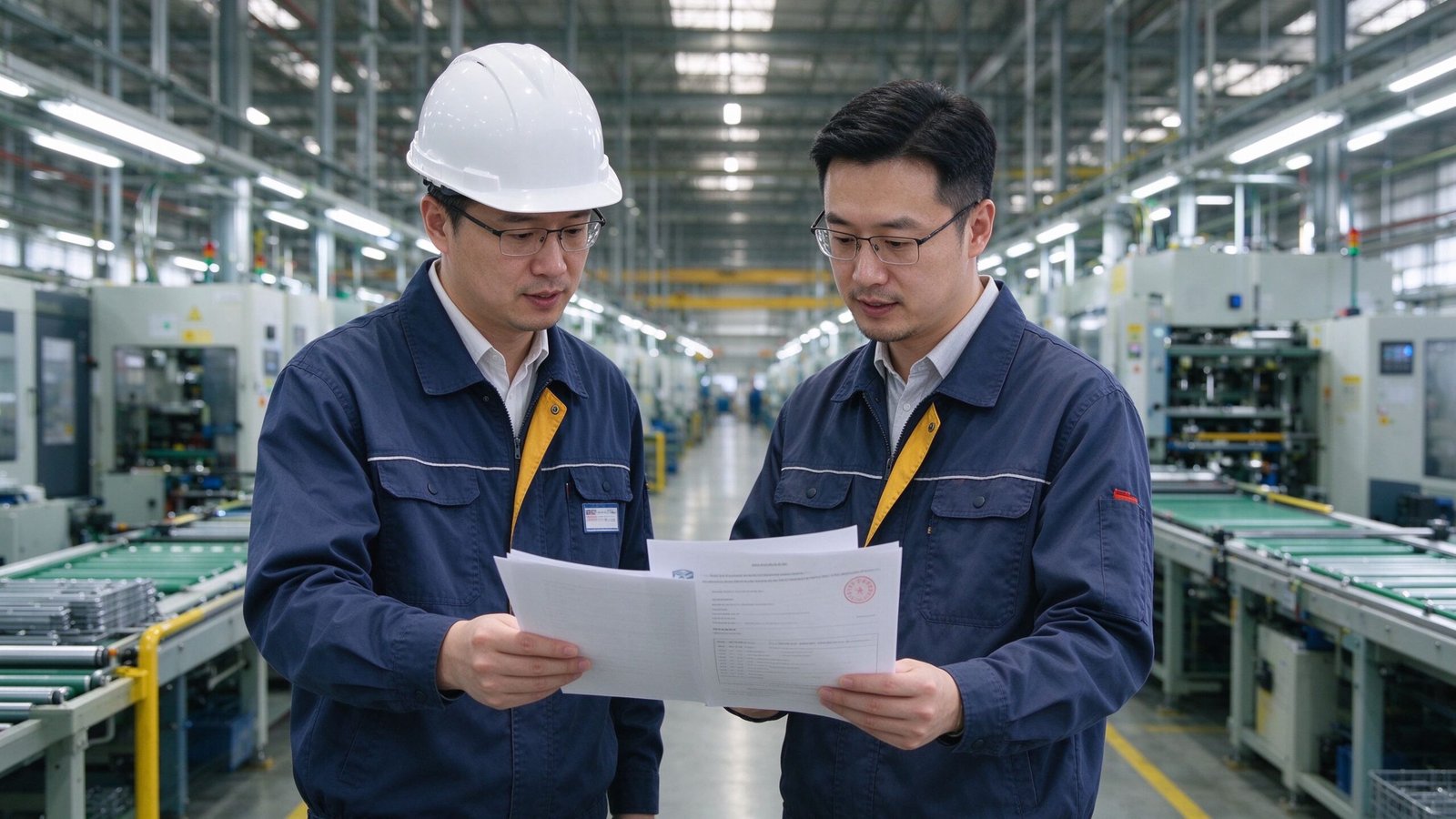
    Reading and comparing Chinese factory quotes

    A factory quote is more than a number. Understanding every line protects you from surprises and lets you compare suppliers fairly.

    Key Components of a Quote

    • Unit price — usually FOB or EXW, specify the term
    • MOQ — minimum order quantity and its price tier
    • Tooling cost — one-time mold or die fees
    • Packaging — per-carton packing details and cost
    • Lead time — production days plus transit

    Unit Price vs Total Cost

    Never compare unit prices alone. A lower unit price with expensive tooling or poor packaging can cost more overall. Calculate the fully loaded cost per unit delivered.

    Hidden Costs to Watch For

    • Sample fees and courier charges
    • Inspection fees
    • Currency exchange and bank transfer fees
    • Duties and local taxes at destination

    How to Compare Quotes Fairly

    Send every supplier the same specification sheet with identical materials, dimensions, and packaging requirements. Ask each to quote on exactly the same basis — then the numbers are comparable.

    Get Your Quote Audited

    Not sure if a quote is fair? Our sourcing team benchmarks quotes against real factory costs and negotiates the difference. Send us your quote for a free cost analysis.

  • DDP vs DAP vs FOB: Choosing the Right Delivery Terms

    DDP vs DAP vs FOB: Choosing the Right Delivery Terms

    DDP vs DAP vs FOB delivery terms

    Delivery terms determine who pays for freight, insurance, and customs — and who carries the risk. Choosing wrong can add thousands in unexpected costs.

    FOB (Free On Board)

    With FOB, the seller delivers goods onto the vessel at the port of origin. The buyer owns the goods at that point and pays ocean freight, insurance, and destination costs. FOB gives buyers maximum control but requires handling logistics yourself.

    DAP (Delivered At Place)

    Under DAP, the seller pays for transport to the named destination, but the buyer handles import clearance and pays duties. A good middle ground for importers with customs experience.

    DDP (Delivered Duty Paid)

    DDP is the most buyer-friendly term: the seller handles everything — freight, insurance, customs clearance, and duties — and delivers to your door. You pay one landed price with minimal risk.

    Which Should You Choose?

    • FOB — you have a freight forwarder and want lower unit costs
    • DAP — you can handle customs but want simpler freight
    • DDP — you want certainty, one price, and no customs hassle

    Many first-time importers start with DDP to learn the market, then move to FOB as volumes grow. Ask our team to quote your product DDP vs FOB.

  • How to Negotiate Prices with Chinese Suppliers: 10 Proven Tactics

    How to Negotiate Prices with Chinese Suppliers: 10 Proven Tactics

    Negotiating prices with Chinese suppliers

    Price negotiation with Chinese suppliers is a skill you can learn. The factory’s first quote is rarely its best price — your approach determines how much you save.

    Do Your Homework First

    Know the market price for your product before you start. Compare quotes from three to five suppliers, and understand the cost drivers: materials, labor, tooling, and packaging.

    Use Volume as Leverage

    Suppliers price per unit, and volume changes everything. Ask for tiered pricing: quote for 500, 1,000, and 5,000 units. Committing to a yearly volume can unlock even better rates.

    Negotiate Terms, Not Just Price

    A lower unit price isn’t always the best deal. Better payment terms, free tooling, or included QC can be worth more than a 2% discount. Negotiate the whole package.

    Common Mistakes That Raise Your Price

    • Revealing your maximum budget
    • Bouncing between five suppliers at once
    • Asking for rock-bottom prices on tiny orders
    • Skipping samples to save time

    Build a Relationship

    Chinese business culture values long-term relationships. Suppliers give their best prices to buyers they trust and see again. Get a free quote comparison for your product today.

  • How to Find a Reliable Chinese Supplier in 2026

    How to Find a Reliable Chinese Supplier in 2026

    Finding a reliable Chinese supplier

    Finding a reliable supplier in China is the difference between a smooth import and a costly nightmare. With thousands of factories across Guangdong, Zhejiang, and Jiangsu, the challenge isn’t finding a supplier — it’s finding one you can trust.

    Why Supplier Selection Matters

    A good supplier delivers on time, meets your quality specs, and communicates honestly. A bad one can drain your budget, delay your launch, and damage your brand. Most sourcing failures trace back to a rushed supplier choice.

    Where to Find Chinese Suppliers

    • Alibaba and Made-in-China — the largest directories, ideal for first screening
    • Canton Fair — the world’s largest trade fair, held twice a year in Guangzhou
    • 1688.com — China’s domestic wholesale platform, lower prices for bulk
    • Trade associations and industry exhibitions — direct access to factory owners

    Red Flags to Avoid

    • A supplier who avoids video calls or factory visits
    • Unrealistically low quotes — 40% below the market average
    • Inconsistent company details across platforms
    • Pressure to pay in full before production starts

    How to Verify a Supplier

    Ask for a business license, check the factory’s export history, request client references, and order samples before committing. For larger orders, a third-party factory audit is worth every cent.

    Work with a Sourcing Agent

    If screening and verifying suppliers feels overwhelming, a China sourcing agent can shortlist, audit, and negotiate for you — often saving more than their fee. Contact our team for a free supplier shortlist.

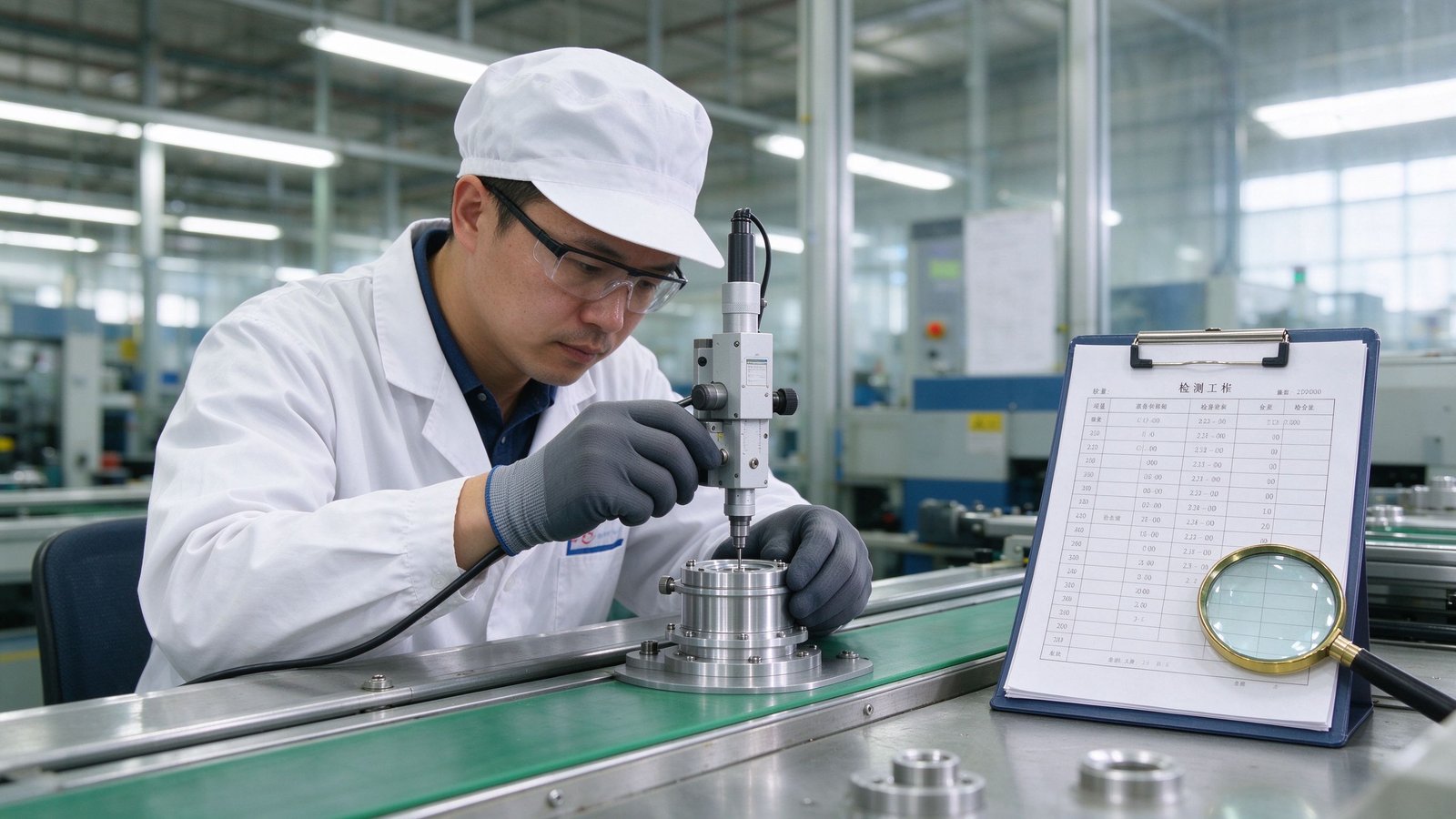
  • Pre-Shipment Inspection: Your Complete Guide to Quality Control in China

    Pre-Shipment Inspection: Your Complete Guide to Quality Control in China

    Pre-Shipment Inspection: Your Complete Guide to Quality Control in China

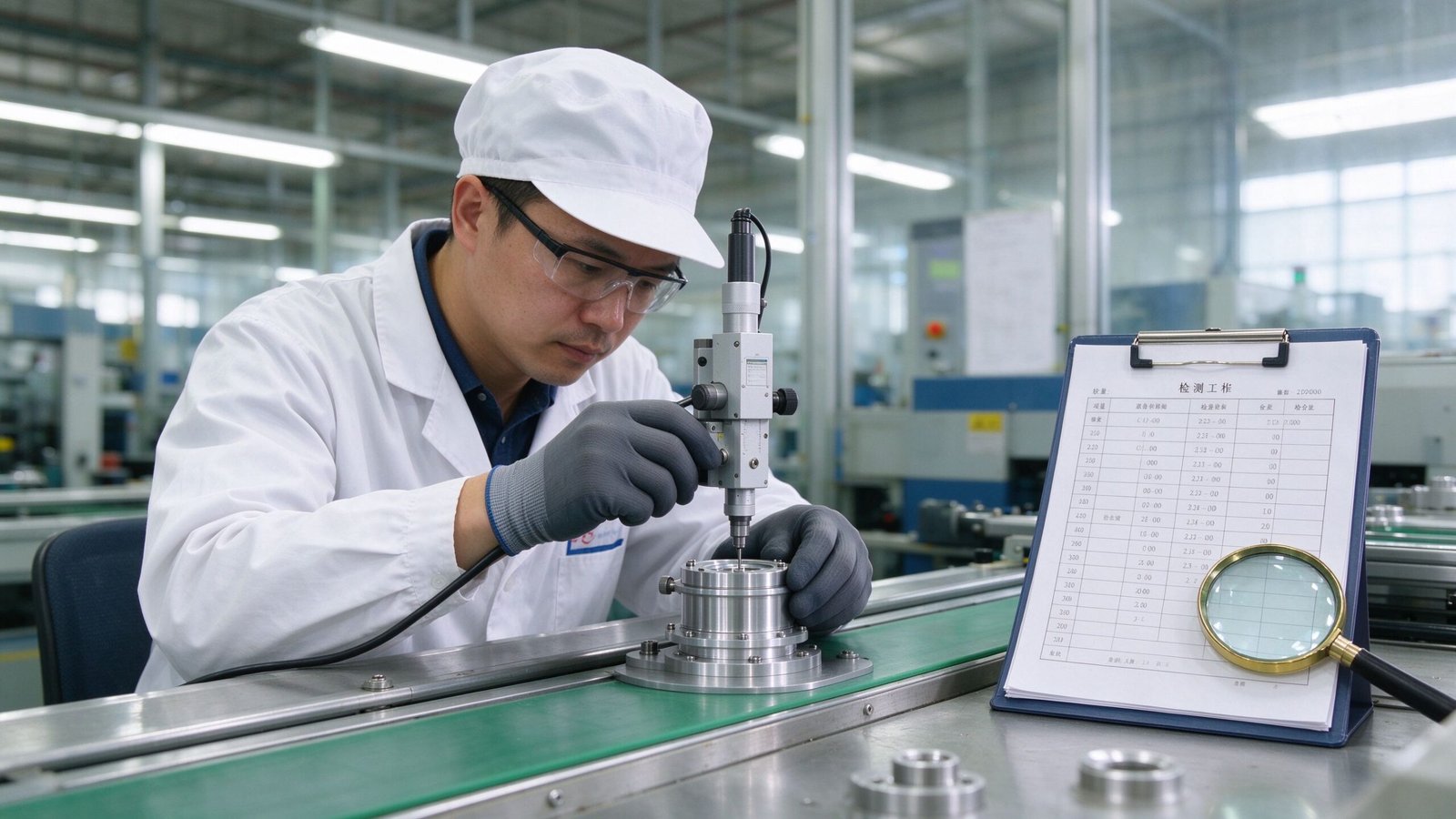
    You have ordered 5,000 units. The factory says they are ready. But how do you really know the goods are right before they leave China? That is what pre-shipment inspection (PSI) is for, and skipping it is one of the most expensive mistakes an importer can make.

    What Is Pre-Shipment Inspection?

    PSI is an independent quality check performed at the factory before goods ship, verifying quantity, quality, workmanship, and packaging against your agreed specifications.

    What a Professional Inspection Covers

    • Quantity check — confirming counts match the order
    • Workmanship & quality — checking against your samples and specs
    • Product dimensions & function — measuring and testing
    • Packaging & labeling — verifying cartons, marks, and instructions
    • Random sampling — using statistical methods (AQL) for reliable results

    What Is AQL?

    AQL (Acceptable Quality Limit) is the industry-standard sampling method. Common levels include AQL 1.0 for strict requirements (electronics, high-value goods), AQL 2.5 for standard consumer products, and AQL 4.0 for low-risk commodity items.

    When Should You Inspect?

    During production catches issues early, a pre-shipment inspection verifies everything before you pay the final balance and ship, and inspecting after arrival documents issues for claims. The pre-shipment check is the essential one.

    How Much Does It Cost?

    Typically $150–$500 per inspection depending on product type and scope — a tiny fraction of the cost of receiving defective goods.

    Why Buyers Skip It (and Regret It)

    • “The factory seems trustworthy” — until it is not
    • “It costs extra” — defective cargo costs far more
    • “We are in a hurry” — delays from rework cost more than inspection

    Inspect with confidence: book an independent, detailed inspection before you release payment and ship your goods.

  • How Much Does It Cost to Source from China? A Full Cost Breakdown

    How Much Does It Cost to Source from China? A Full Cost Breakdown

    Budgeting for an import order involves more than just the product price. Here’s the complete cost picture so you can plan accurately — and avoid surprises.

    1. Product / FOB Price

    The unit cost quoted by the factory (FOB price). This is your baseline — typically 30–50% lower than equivalent local production.

    2. Sourcing Agent Fee

    • Percentage-based: commonly 3–10% of the order value
    • Flat/consulting fee: per project or per hour
    • Often worth it vs. the cost of mistakes — poor quality and scams cost far more

    3. Shipping & Freight

    • Sea freight (LCL/FCL): cheapest for bulk, slower (20–40 days)
    • Air freight: fastest (3–7 days), 4–8x the cost
    • Courier (DHL/FedEx): for small parcels

    4. Insurance

    Cargo insurance (typically 0.3–0.5% of cargo value) protects against loss or damage in transit.

    5. Customs Duties & Taxes

    Import duties (varies by product and country), VAT/sales tax, and possible tariffs. Calculate these based on your country’s HS codes before ordering.

    6. Quality Inspection (QC)

    Pre-shipment inspection typically ranges from $150–500 per order, depending on product type and scope. It’s cheap insurance against defective goods.

    7. Other Costs

    Bank/transfer fees, currency conversion, customs broker fees, and storage/warehousing if needed.

    Example Ballpark (10,000 units, $2 FOB each)

    • Product cost: $20,000
    • Agent fee (~5%): $1,000
    • Sea freight (LCL): ~$1,500
    • Insurance: ~$60
    • Duties (10%): ~$2,000
    • QC inspection: ~$300
    • Total: roughly $24,860** — or about **$2.49/unit landed

    Get an Accurate Quote

    [Contact us] for a transparent, itemized quote on your specific product — no hidden fees, no guesswork.

  • China Sourcing Agent vs. Alibaba vs. Direct Factory: Which Is Right for You?

    China Sourcing Agent vs. Alibaba vs. Direct Factory: Which Is Right for You?

    Three common ways to buy from China — but they’re not interchangeable. Here’s an honest comparison to help you choose.

    Alibaba / Online Platforms

    • Pros: Easy to browse, huge supplier base, price comparison at a glance
    • Cons: Hard to tell factories from trading companies; you manage everything yourself; risk of scams and inconsistent quality; prices may include platform margins

    Direct Factory (Going Direct)

    • Pros: Best prices for large volumes; full control
    • Cons: Requires large MOQs, language skills, time, and on-site presence; difficult for small or first-time buyers; risky without local support

    China Sourcing Agent

    • Pros: Verified factories, negotiated prices, QC and inspection, logistics handled, on-the-ground problem solving
    • Cons: Adds a service fee; you still need to define your requirements clearly

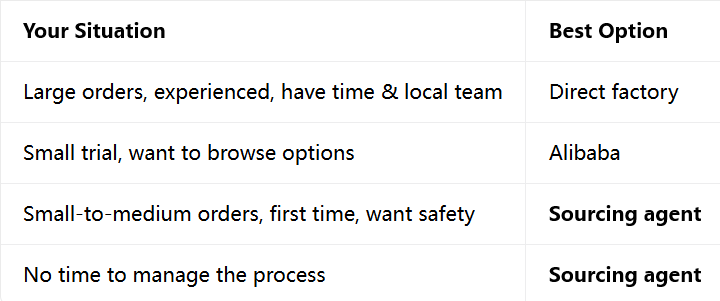
    Which Should You Choose?

    For most small and medium importers, a sourcing agent offers the best balance of price, safety, and convenience — especially when your order sizes don’t yet justify a China office.

    Let’s Find the Right Approach for You

    [Get a free consultation] and we’ll recommend the most cost-effective way to source your product.