分类: China Procurement

  • Footwear Sourcing from China: Construction, Materials, Sizing & QC

    Footwear Sourcing from China: Construction, Materials, Sizing & QC

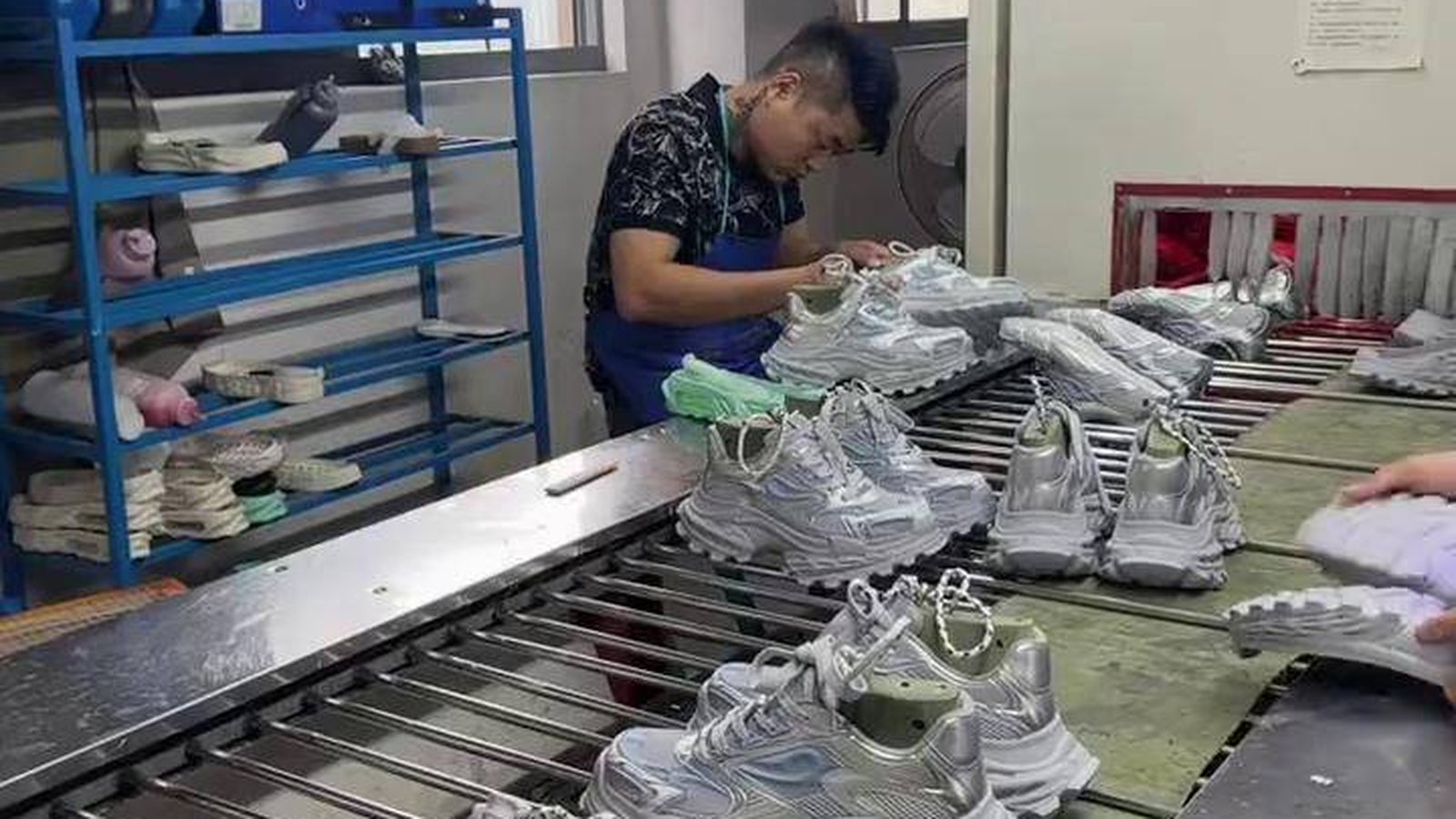
    Worker on a sneaker production line in a shoe factory

    Footwear is one of China’s deepest manufacturing traditions, with clusters centered in Fujian and Guangdong. But shoes are deceptive: they look simple, yet construction, fit and adhesive quality decide whether your customers keep them or return them. This guide covers how shoes are built, what they are built from, and where defects hide.

    Footwear clusters and sample shoes

    China’s shoemaking is concentrated in clusters — Fujian (Putian, Quanzhou) and parts of the Guangdong delta are the core. Sourcing within a cluster means access not just to factories but to the whole supporting cast: sole makers, material suppliers, lace and hardware vendors. When starting out, build the relationship around sample shoes first. Expect to iterate the last and the upper a few times before the fit and look are right. A sample shoe you have actually worn and walked in beats a photo review every time — comfort is impossible to judge from a picture.

    Pricing and reordering

    Shoe cost is driven mainly by construction method, upper material and brand-name hardware. A cemented casual shoe in PU will cost far less than a full-grain leather boot with a leather sole. Once a style sells, reorder on the same last and material spec so fit stays consistent. Watch factories that switch to cheaper adhesive on reorders — the open-seam defect creeps in quietly, which is why a repeat QC on the bond matters even for proven designs.

    Product types and construction methods

    • Athletic and casual sneakers, boots, sandals — each demands a different construction.
    • Injection molding — the sole is injected directly onto the upper at speed; common for casual and athletic shoes.
    • Vulcanized — canvas-style shoes where the sole and upper are cured together.
    • Cemented (adhesive) and handmade — glued construction for fashion and leather footwear; more labor, higher detail.

    The construction method drives cost, durability and the QC risks — cemented shoes live or die on glue quality.

    Materials: uppers and soles

    Uppers use PU (synthetic leather), genuine leather, and knit/knit-fly fabrics. Soles use rubber (durable, grippy), PU foam (lightweight, cushioned), and EVA for midsoles. Material choice changes both feel and price, and leather sourcing has its own traceability requirements for some markets. Specify the upper material and sole compound on the tech pack.

    Lasts and sizing

    Fit starts with the last — the foot-shaped form the shoe is built on. Chinese lasts run narrow by default, so confirm the last matches EU/US fit expectations and approve a physical sample on your target size. Size grading across the run-up should follow a clear size chart. Sizing and fit — not stitching — are the top cause of footwear returns.

    QC: the defects that matter

    • Delamination / open seams (开胶) — the sole separating from the upper; the most serious defect and a glue/application problem.
    • Excess glue (溢胶) — messy adhesive squeeze-out on the upper, an appearance flaw.
    • Color mismatch — shade difference between pairs or batches.
    • Size and pairing errors — mismatched left/right or wrong size in a box.

    Inspect the adhesive bond, check pairs against the approved sample, and verify box labeling.

    MOQ, sampling and compliance

    Footwear runs on sample shoes: approve the sample shoe on the right last before bulk, and expect a development cycle. MOQs vary by construction and material. Children’s shoes sold in the US additionally fall under CPSIA safety requirements, and leather-sourced materials may need traceability documentation.

    Footwear private labeling

    Once a sample shoe works, private labeling is straightforward: your logo on the tongue, heel and insole, your own box. Footwear carries strong branding expectations, so details like the printed logo and the shoebox matter to the perceived quality. Start with one silhouette done well rather than a broad range, and use the sample-shoe iteration to lock both fit and finish before committing to a production order.

    Footwear returns and how to avoid them

    Most shoe returns come down to fit rather than workmanship. A shoe that looks right on the shelf but rubs the heel or runs narrow will come back. The defense is upfront: approve a last on real feet, size across the full range, and be conservative about sizing claims. For your own listing, state the fit honestly. The other big return driver is the sole separating — prevented by QC on the bond at inspection, not discovered after delivery. Treat adhesive quality as the make-or-break production control.

    The bottom line

    Footwear sourcing lives on the sample: approve the last and fit on your EU/US size chart, specify upper and sole materials, and QC the adhesive bond, glue cleanliness, color and pairing. Match the construction method to your price point, and treat a well-fitting sample shoe as the gate to production. Once that gate is passed, footwear becomes one of the most repeatable and brand-building categories you can source.
    Get a Free Sourcing Consultation →

  • Surface Finishing in China: Anodizing, Powder Coating & Plating Guide

    Surface Finishing in China: Anodizing, Powder Coating & Plating Guide

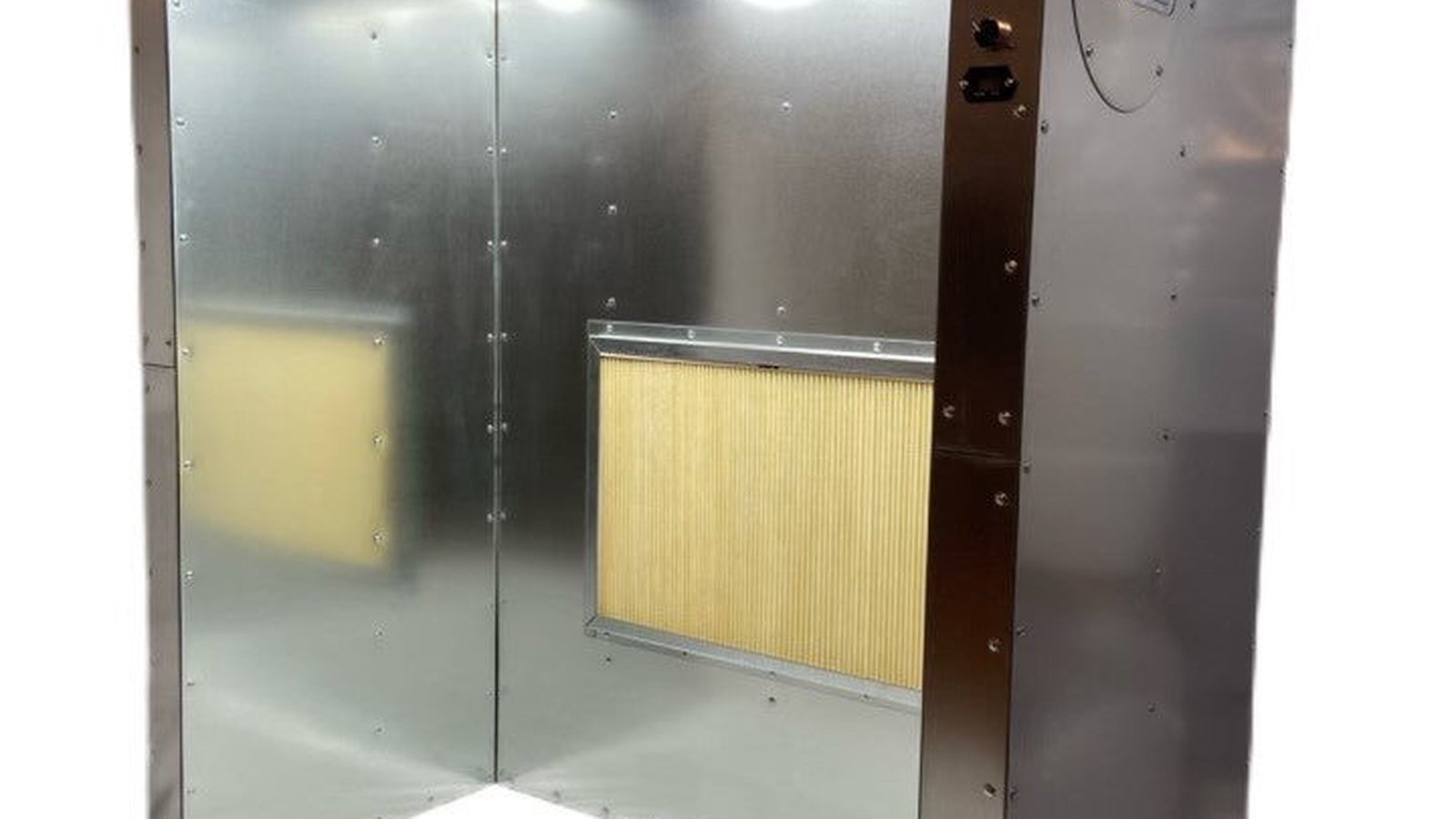
    Interior of a metal powder coating spray booth

    Two identical machined or cast parts can look like budget and premium products purely because of the surface finish. Finishing is also where cost and lead time quietly balloon, and where defects like peeling coating or mismatched color show up at the customer. This guide covers the main finishes available in China and how to choose and QC them.

    Environmental and cost reality

    Plating and some chemical finishes are environmentally regulated, which is why plating shops are concentrated and their capacity sometimes tight. Expect plating to cost more and take longer than powder coating for equivalent parts. Anodizing of aluminum is generally efficient and relatively low-cost, while a decorative chrome finish commands a real premium. Factor these differences into your BOM early, because swapping the finish after the tool is made is painful.

    Why finishing is outsourced — and why it matters

    Most machining or casting factories do not finish parts themselves; they send them to specialist anodizing houses, powder coaters or plating shops. This means two handoffs between your part and its final look, and every handoff adds cost, lead time and a chance for color drift. When comparing suppliers, ask who does the finishing and how the parts move between shops. Factories with their own or a tightly partnered finisher control quality better; those farming it out to the cheapest bidder are where peeling coating and mismatched batches originate.

    Specifying the finish on your drawing

    Put the finish on the engineering drawing, not just in an email: name the process (anodize type, powder coat color, plating), the required film thickness, and the outdoor/corrosion expectation. Attach a physical color sample. Without a written spec and sample, “black anodized” can mean a different shade on every reorder — the single most common finishing complaint. Specify it once, approve the first batch, and re-check against that sample on every run.

    Anodizing (mainly aluminum)

    Anodizing grows a protective oxide layer on aluminum. It adds corrosion resistance, a hard wear surface, and takes color (common are natural silver, black and various tones). Key specs are the film thickness and the required salt-spray hours for outdoor use. Anodizing is durable and looks premium, but color consistency between batches can vary — specify the shade on a sample.

    Powder coating

    Powder coating electrostatically applies a dry powder, then cures it in an oven. It is tough, comes in almost any color and finish (matte, glossy, textured), and is the standard for outdoor and furniture metalwork. Watch adhesion and weather resistance; poor pre-treatment shows up as peeling after a few months outdoors.

    Plating: zinc, chrome and nickel

    Electroplating adds a thin metallic layer — zinc for corrosion protection on steel, chrome for a bright decorative finish, nickel for a mid-layer. Plating is decorative and protective but carries environmental constraints and cost, and thickness controls matter for both looks and rust resistance.

    Mechanical and decorative finishes

    Beyond coatings, expect brushing (the fine linear texture on aluminum), sandblasting (a uniform matte surface), silk-screen printing and laser engraving for logos. These change both appearance and perceived quality, and each adds a small step and cost to the flow.

    Cost, lead time and choosing a finisher

    Finishing adds both unit cost and days to the lead time, and it usually happens at a separate specialist shop rather than in the machining factory. Ask early which finisher the factory uses and whether they batch colors. Prefer finishers experienced in your target market’s outdoor/warranty expectations.

    QC: film thickness, color and adhesion

    • Film thickness — measure anodizing or coating thickness with a thickness gauge against the spec.
    • Color match — compare to the approved sample under the right light; use a color check for batches.
    • Adhesion — a cross-hatch tape test confirms the coating does not peel.
    • Salt spray — for outdoor parts, request the corrosion test result.

    How finishing affects the customer’s first impression

    Customers judge quality with their eyes and hands before they judge a product on function. A brushed aluminum finish or a smooth powder-coated surface signals precision; an uneven coat or a splotchy anodized black signals cheapness, even if the part underneath is identical. This is why allocating budget to the right finish often beats over-engineering the internal dimensions. For consumer-facing metal parts, the finish is part of your brand, not an afterthought.

    The bottom line

    Finishing is where product feel is made. Pick anodizing for durable colored aluminum, powder coating for tough colored outdoor metal, plating for decorative steel, and brushing/blasting/laser for texture. Budget it into cost and lead time, and QC with thickness gauges, color checks and adhesion tests rather than eye-balling. A finish spec on the drawing plus a kept physical sample is all it takes to make every reorder look like the first. Spend a little extra on the right finish and the whole product reads as more expensive than it was.

    Get a Free Sourcing Consultation →

  • Die Casting & Forging Parts Sourcing from China: Process, Molds & QC

    Die Casting & Forging Parts Sourcing from China: Process, Molds & QC

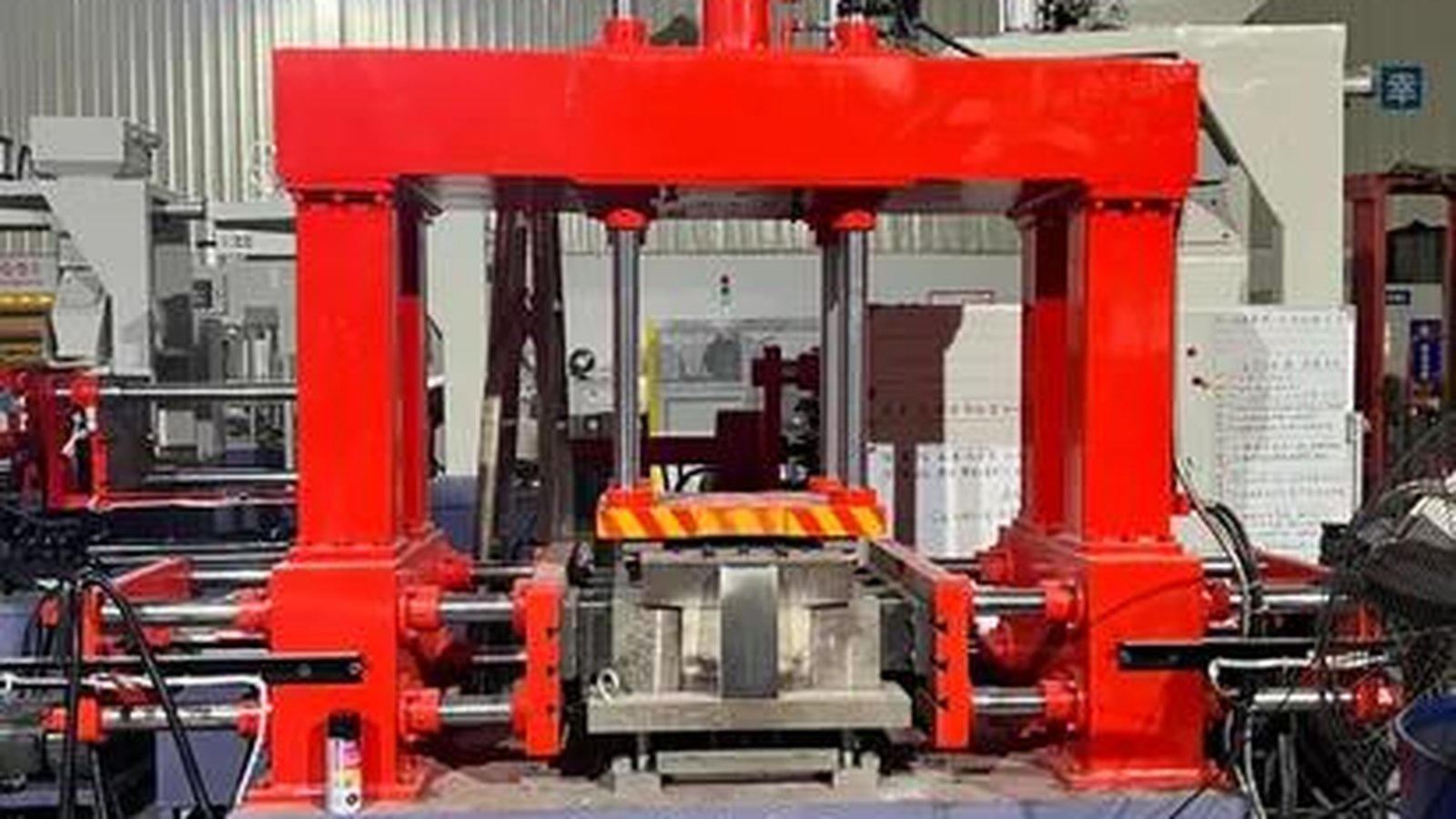
    Red aluminum die casting machine in a foundry workshop

    When a metal part needs to be strong, complex-shaped and produced in volume — automotive housings, tool bodies, hardware, valves — casting and forging are usually the answer, not machining a solid block. China has deep, mature foundry clusters. The challenge is controlling porosity, strength and surface quality. This guide covers the two main processes and how to QC them.

    Casting vs forging: how to choose

    Pick based on what the part must do. If it needs a complex, light, near-net shape — a housing or cover — die casting is efficient. If it carries load or sees repeated stress — a gear, a tool component, a suspension part — forging’s grain flow gives the strength machining a cast or billet part cannot match. Cost also points the way: die casting wins on complex geometry at volume; forging on strength-critical simpler shapes. When unsure, ask the foundry to cast a trial and discuss where porosity or strength could be a problem.

    Working with a foundry: communication and samples

    Foundries are less like standard product factories and more like custom job shops. Send drawings with material grade and any heat treatment called out, and expect them to advise on gating and draft angles that make the part castable. Budget for a trial shot and sample approval before full production, because the die and process are tuned on the first run. Confirm die ownership and maintenance in writing, since the tool is a real asset you have paid for.

    Die casting: aluminum and zinc alloy

    Die casting injects molten metal — most commonly aluminum alloy, and zinc alloy for smaller, higher-detail parts — into a steel die under pressure. It produces complex, near-net shapes with good dimensional consistency at high volume. The main risk is porosity: trapped gas that leaves bubbles, weak spots or leaks. Good gating design and vacuum-assisted casting reduce it.

    • Best for — housings, covers, brackets, automotive and hardware parts in the thousands to millions.
    • Mold cost — the die is the up-front investment; expect it to run to thousands of dollars for complex parts, amortized over volume.

    Forging: hot and cold

    Forging hammers or presses metal into shape, refining its grain structure and making it stronger than cast or machined stock. Hot forging handles larger, more complex parts; cold forging is precise for smaller high-strength components. Where strength and fatigue resistance matter — tools, gears, suspension parts — forging beats casting.

    Post-processing: machining and surface treatment

    As-cast and as-forged parts rarely go straight to the customer. They usually need CNC machining of critical holes and faces, plus surface treatment (anodizing, powder coating, plating) for corrosion and appearance. Budget these in — they are a real share of the final cost and lead time.

    QC: crack testing, hardness and structure

    • Porosity and leak testing — pressure-test or X-ray housings that must be sealed.
    • Hardness testing — confirm the heat-treated hardness matches spec.
    • Crack / flaw inspection — magnetic-particle or dye-penetrant testing on safety-critical parts.
    • Dimensional check — first-article report on machined features.

    Where casting and forging are used

    These processes dominate automotive parts and components, hand tools and hardware, and the housings and bodies of industrial equipment. Aluminum die castings appear everywhere — from power-tool bodies to LED heatsinks. Forged parts show up where loads repeat, such as wrench and gear components. Because these are often safety- or function-critical, the buyers who source them successfully treat metallurgy as seriously as geometry: material grade, heat treatment and test reports are not optional extras.

    Common defects to watch

    In cast parts, expect porosity, flash along the parting line, and dimensional drift from die wear. In forgings, look for laps and folds on grain-flow paths. These are not always visible, which is exactly why the test methods matter. Ask the foundry which defects they typically see on a part like yours — an honest shop will tell you, and their answer reveals how well they understand their own process. Cheap castings that skip X-ray or hardness checks are the ones that fail in the field.

    The bottom line

    Choose die casting for complex, high-volume near-net shapes in aluminum or zinc, and forging where raw strength is critical. Budget for the die, post-machining and surface treatment, and QC with hardness, leak and crack tests rather than a visual check alone. Chinese foundries are competitive here — provided you specify the test plan up front. A foundry that volunteers its own crack and hardness checks before you ask is usually a foundry worth trusting with the next order. Match the process to the load the part must carry, and the casting or forging will outperform a cheaper machined alternative. Budget the die, the post-machining and the finishing as separate line items from the start, so there are no surprises on the final landed cost.

    Get a Free Sourcing Consultation →

  • CNC Machining & Metal Stamping Sourcing from China: Tolerances, Quotes & QC

    CNC Machining & Metal Stamping Sourcing from China: Tolerances, Quotes & QC

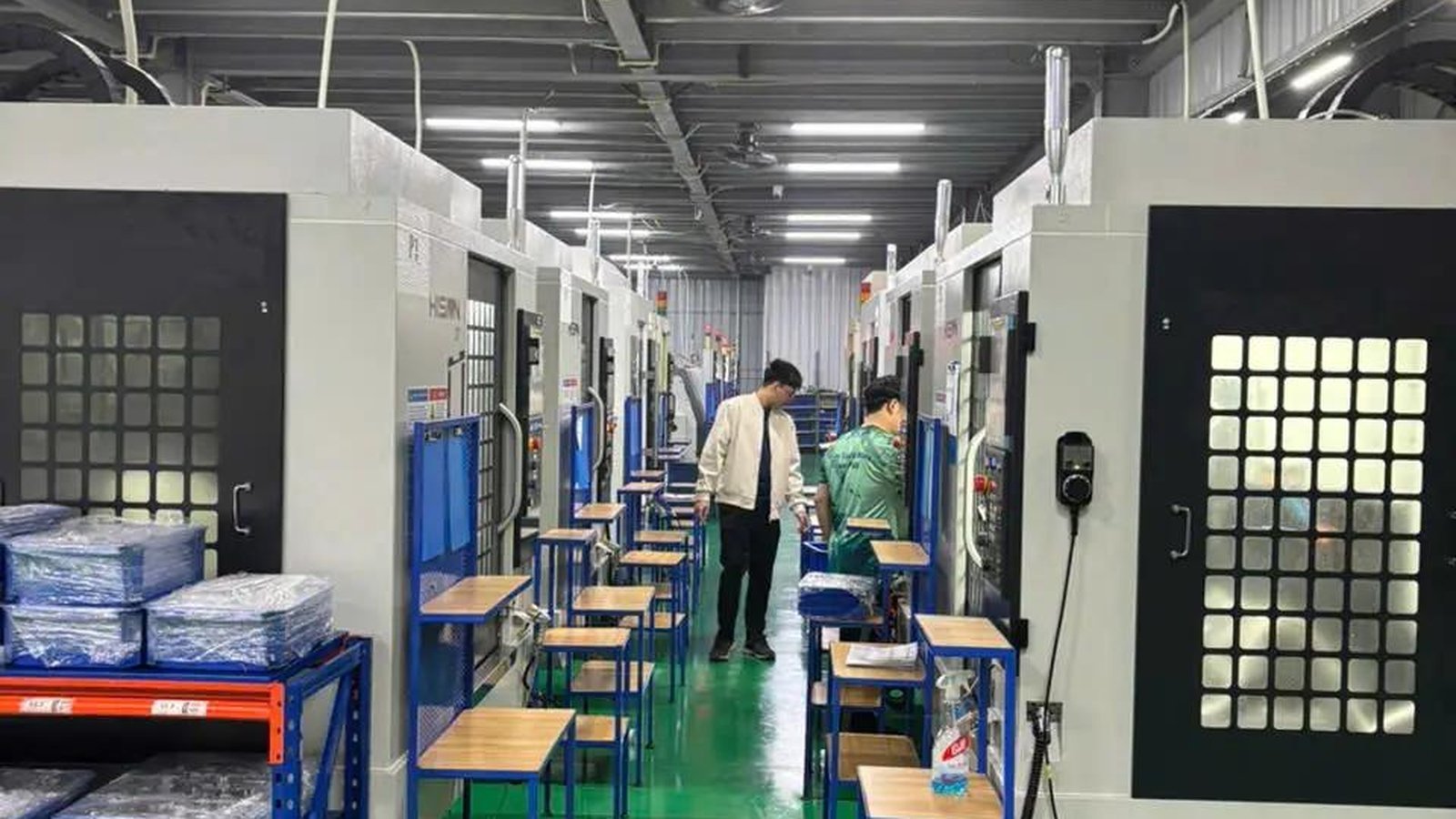
    Rows of CNC machining centers in a modern machine shop

    When your product needs precision metal parts — brackets, housings, shafts, panels — you are choosing between CNC machining and metal stamping, or often both. Getting the process, the material and the tolerance right is the difference between parts that assemble and parts that do not. Here is how to source both from China.

    CNC vs stamping: how to choose

    The decision usually comes down to volume and geometry. If you need a few hundred complex parts and no tooling exists yet, CNC is the only practical route. If you need tens of thousands of a relatively simple flat or formed part, a progressive stamping die pays for itself fast on unit cost. Many real products use both — a stamped bracket with a CNC-machined hole, for example. Ask the factory which process they recommend for your part, and be wary of a shop that only ever quotes its one process.

    Prototyping and low-volume

    For product development, CNC shines: send a CAD drawing, get machined prototypes in days, iterate the design, then move to stamping once the design freezes and volume justifies the die. This staged approach avoids spending tooling money on a design that still changes. Keep the drawings dimensioned with tolerances and material called out, because an ambiguous drawing is the number-one cause of prototype mismatch.

    CNC machining: milling, turning and tolerances

    CNC milling shapes parts from solid blocks; CNC turning makes round parts on a lathe. Typical machinable tolerances in Chinese shops hold around the hundredth-of-a-millimeter (±0.01 mm) range for standard work, with tighter precision possible on demand. Tighter tolerance raises cost and lead time, so only specify precision where the part actually needs it.

    • Materials — aluminum (light, easy to machine, anodizes well), steel, stainless steel (tougher, harder on tools) and copper/brass (electrical parts).
    • Best for — prototypes, low-to-mid volumes, complex geometries, parts where no dedicated tooling exists yet.

    Reading a CNC quote

    A complete CNC quote breaks into: material cost, machine time (setup + cycle), surface treatment, and any secondary operations. Ask for the quote on your drawing and compare whether shops price the same features consistently. A quote that is suspiciously low often hides a looser tolerance or a cheaper material grade.

    Metal stamping: progressive vs single stamping

    For high-volume flat or formed parts, stamping beats machining on unit cost. A progressive die forms the part in one automated stroke at high speed — ideal for thousands of identical brackets or terminals. A simpler single (single-station) die suits lower volumes. The trade-off is upfront tooling cost and lead time, which amortize down to almost nothing per part at volume.

    Tooling, trial runs and lead time

    Both routes need tooling: CNC needs fixturing/programs, stamping needs the die. Expect a trial run (first articles) before full production, especially for stamped parts where the die must be tweaked. Confirm who owns the tooling in writing.

    QC: dimension reports and surface finish

    • Dimensional inspection — require a first-article inspection (FAI) and a dimension report with caliper/CMM results on critical features.
    • Surface finish / roughness — check Ra where specified and inspect burrs, especially on safety-critical parts.
    • Material verification — ask for material certificates, because alloy grade mismatches are common.

    Industries this serves

    Precision machined and stamped parts show up across nearly every hardware-driven product: 3D printers and robotics, automotive sub-components, lighting and fixtures, furniture hardware, and consumer electronics internals. If your product has a bracket, plate, shaft or enclosure that must be made of metal rather than plastic, this is the sourcing route. The shops that win repeat business are the ones that ask about tolerance and finish early, rather than quoting a bare shape.

    Common pitfalls in precision parts

    The recurring problems are avoidable: quoting without a tolerance, so the part arrives looser than you need; material grade downgraded to save cost; missing secondary operations that blow the lead time; and a surface finish left out of the quote. Insist on a dimensioned drawing with tolerances, material certs, and a quote that lists every operation including finishing. On first orders, keep the quantity modest so you can learn the factory’s real capability before committing to large runs.

    The bottom line

    Use CNC for prototypes and complex, lower-volume parts; use progressive stamping for high-volume simple parts. Specify tolerance only where needed, compare quotes feature by feature, and require a first-article dimension report before bulk. Done right, Chinese precision metal shops compete strongly on both quality and price. The secret is treating the drawing and the first-article report as the real product — everything else follows from getting those two right. Choose the process by volume and geometry, and you will never overpay for tooling or under-engineer a part. Start any new precision part with a machined prototype, then move to stamping once the design is locked and volume justifies the die.

    Get a Free Sourcing Consultation →

  • China Manufacturing Map: Where to Source by Province and Industrial Cluster

    China Manufacturing Map: Where to Source by Province and Industrial Cluster

    Aerial view of an industrial park with rows of factory buildings

    China is not one factory — it is thousands of specialized industrial clusters, and landing in the right one can cut your cost, lead time and hassle dramatically. A buyer who sources electronics in Zhejiang or shoes in Guangdong is shopping in the wrong neighborhood. This map-style guide walks through what each major province does best, and how to match your product to the right cluster.

    Putting the map to work

    A practical way to use this map is to build a one-page shortlist: name your product, match it to the province above, list the cities inside that cluster, then find factories there rather than sorting results nationwide. Use local sourcing agents who already work inside the cluster — they know which shops are honest and which are trading companies in disguise. Repeating suppliers within one cluster also simplifies factory visits, since one trip covers several candidates at once.

    Why clusters matter: supply-chain density

    The real advantage of a cluster is not the factory itself but everything around it. In the right cluster, a factory can pick up a custom-molded part, a printed box and a cable assembly the same day, from shops within a short drive. That density shortens lead times, lets factories experiment, and keeps component costs low. Source the same product outside its natural cluster and you pay more and wait longer, because every sub-component has to travel in from elsewhere.

    Practical tips for cluster-based sourcing

    Once you pick the cluster, plan a trip that visits factories within it rather than scattering across provinces. Use trade shows and the local wholesale markets (Yiwu, electronics markets in Shenzhen) to see dozens of suppliers at once. When comparing quotes, remember that factories in a mature cluster compete hard on the same product, so getting three or four bids quickly normalizes the price. Also factor in shipping: a factory near your chosen export port saves inland freight, and clusters often have established logistics providers who know the local cargo.

    Guangdong: electronics, appliances, toys, apparel

    The Pearl River Delta around Shenzhen, Dongguan, Foshan and Guangzhou is the default for consumer electronics, home appliances, lighting, toys and a huge range of OEM/ODM manufacturing. It is the best ecosystem for products with electronics or fast-moving consumer goods, because components, tooling and finishing are all on the doorstep. Expect higher labor and land costs than inland provinces, but unmatched supply-chain density.

    Zhejiang: small commodities, hardware, textiles, electricals

    Zhejiang — think Yiwu, Ningbo, Hangzhou and Wenzhou — is famous for small commodities, hardware, locks, electrical goods, buttons and zippers, and a strong textile sector. Yiwu in particular is the world’s largest small-commodity market. It is ideal for low-to-mid value, broad-assortment products where variety matters more than precision electronics.

    Jiangsu: textiles, machinery, photovoltaics

    Jiangsu, north of Shanghai, has a strong textile and apparel cluster, general machinery, and a major position in solar/photovoltaic manufacturing. It pairs well with Shanghai’s logistics and port access, making it convenient for buyers shipping out of the Yangtze River Delta.

    Fujian: footwear, apparel, bathroom ware, stone

    Fujian — putian and Quanzhou in particular — is one of China’s footwear heartlands, with strong shoemaking and apparel clusters, plus bathroom/sanitary ware and stone industries. If your product is footwear or related soft goods, Fujian factories are the natural home turf.

    Shandong and inland: appliances, auto parts, food processing

    Shandong is strong on home appliances, heavy industrial products, agriculture and food processing. Anhui and inland provinces have grown appliance and auto-parts clusters at lower costs. As coastal wages rise, labor-intensive production is moving inland — often cheaper, though with less mature supporting supply chains.

    How to choose for your product

    Start from the product: match it to the cluster above, then use the cluster’s density to compare 3–5 nearby factories in one trip. Logistics also matter — check which port the cluster ships from. Finally, remember clusters trade on price within a tight market, so multiple local suppliers keep each other honest.

    Watch-outs when buying by province

    Choosing the right province is not the whole job — within any cluster, factories still range from world-class to marginal. The cluster lowers the search cost; it does not replace verification. Expect a cluster to specialize, so a Guangdong electronics factory that offers to also make your furniture is stepping outside its depth. Also be realistic about inland shifts: labor is cheaper inland, but if your product depends on fast component turnover or frequent engineering tweaks, the mature coastal cluster will serve you better even at higher unit cost.

    The bottom line

    Pick the province first, then the factory. Electronics to Guangdong, small goods to Zhejiang, textiles to Jiangsu, shoes to Fujian, appliances and heavy goods to Shandong and inland. A cluster-matched search saves cost, lead time and the risk of choosing a factory that is out of its depth. When in doubt, start from the product, find its natural cluster, and build a shortlist of nearby factories — geography is one of the cheapest sourcing tools you have.

    Get a Free Sourcing Consultation →

  • EU VAT & IOSS for E-commerce Imports: How IOSS Works for China-to-EU Sales

    EU VAT & IOSS for E-commerce Imports: How IOSS Works for China-to-EU Sales

    Corrugated cardboard shipping boxes for e-commerce parcels

    If you sell from China to EU consumers online, VAT is no longer something you handle at the border once a year. Since July 2021, every parcel imported into the EU is subject to VAT, and the EU created the Import One-Stop Shop (IOSS) to let sellers collect and declare it digitally at the point of sale. Get IOSS wrong and your customers face surprise customs charges at delivery; get it right and checkout feels seamless. This guide explains the EU import VAT rules, how IOSS works, the OSS vs IOSS difference, marketplace collection, and how to register.

    The 2021 Change: No More 22 Euro Exemption

    Before July 2021, low-value consignments under €22 were exempt from import VAT. That exemption was abolished. Today, all goods imported into the EU are subject to VAT, regardless of value. The change aimed to level the playing field between local EU sellers and non-EU online sellers, who had undercut EU prices by avoiding VAT.

    Two parallel systems now cover e-commerce VAT:

    • IOSS (Import One-Stop Shop): for distance sales of imported consignments with an intrinsic value not exceeding €150.
    • OSS (One-Stop Shop): for sales within the EU of goods already inside the EU, and for B2C services — not for imported goods.

    How IOSS Works

    IOSS lets a seller collect VAT at checkout, in the rate of the buyer’s EU country, and declare and pay it once per quarter through a single IOSS registration in one EU member state. The key benefits:

    • The parcel enters the EU already VAT-paid, so the customer is not charged VAT at the door.
    • Only customs duties (above the duty threshold) may apply — no VAT collection at import.
    • One registration covers all 27 EU member states.

    IOSS is only valid for consignments up to €150 intrinsic value. Above €150, you must use the normal import procedure: VAT is paid at the border, usually by the importer of record.

    Platforms Collect VAT for You

    Under the same 2021 rules, electronic marketplaces — Amazon, eBay, AliExpress-style platforms — are deemed to have facilitated the sale and become responsible for collecting and remitting VAT on eligible imports. If you sell through these platforms, the platform usually handles IOSS automatically; you still need to understand it because it affects your pricing and what you tell customers. If you sell through your own website (DTC), you register IOSS yourself or use an intermediary.

    IOSS, DDP, and Importer of Record

    IOSS is not the same as DDP. Under IOSS, the parcel is treated as imported for the end consumer with VAT prepaid; under a DDP arrangement, the seller (or their nominated importer) acts as importer of record and handles duty and VAT themselves. Many China-to-EU sellers combine IOSS at checkout with a local EU fulfilment model. Above €150, DDP with a proper EU importer of record is the standard route.

    How to Register

    • Non-EU sellers must use an EU intermediary fiscal representative to register for IOSS — they cannot register directly in most member states.
    • Register in one member state (commonly Ireland, Luxembourg, or the Netherlands for English-speaking administration).
    • Receive an IOSS number, which must appear on the customs declaration and on the parcel.
    • File a quarterly IOSS return and pay the collected VAT.

    Pricing and Clearing Impact

    Because VAT is now in the customer-facing price, your listed prices must be VAT-inclusive for each destination country. Forgetting to include VAT makes your product appear cheaper at checkout but generates a margin hit when you remit it later. At the border, a parcel with a valid IOSS number clears faster than one without; customs can block IOSS shipments that exceed €150 or that lack the number.

    Common Mistakes and Practical Tips

    The most common IOSS mistake is including shipping or insurance in the intrinsic value calculation. The €150 limit applies to the intrinsic value of the goods, not the landed price; but under-declaring value to stay under the threshold is a customs fraud risk. A second mistake is letting customers see a price excluding VAT and then charged at delivery — that produces refusal of delivery and returns. Show VAT-inclusive prices in the checkout.

    For parcels above €150, plan a DDP solution with a registered EU importer of record, because sending them under IOSS is invalid and will be rejected. Keep your IOSS number on every parcel label and customs declaration so the courier can clear it as a VAT-paid import. If you sell through marketplaces, confirm the platform is remitting IOSS on your behalf and reconcile it against your own sales data. With the right setup, EU checkout can be as smooth as domestic delivery.

    If you use a fulfilment warehouse inside the EU, sales to EU consumers from that warehouse are domestic EU sales — use OSS, not IOSS. Mixing the two is a common source of error. Confirm with your accountant which regime applies to each sales channel before you file.

    Set Up IOSS and EU VAT Compliance for Your Store →

  • EU GPSR Guide: General Product Safety Regulation for China Importers

    EU GPSR Guide: General Product Safety Regulation for China Importers

    Engineer inspecting a product under a microscope in a testing laboratory

    The EU General Product Safety Regulation (GPSR), Regulation (EU) 2023/988, has applied since 13 December 2024. It replaced the older General Product Safety Directive and significantly tightened obligations for consumer products sold into Europe — especially for non-EU sellers on marketplaces and direct-to-consumer websites. If you source from China and sell into the EU, GPSR is now a baseline compliance requirement, not a nice-to-have. This guide explains what it covers, the EU responsible person requirement, the documentation, and the practical checklist for your products.

    What GPSR Applies To

    GPSR covers almost all consumer products placed on the EU market for non-professional use. It applies to products that are not already covered by specific EU harmonized legislation — but in practice, it fills gaps even for regulated products. Products already covered by sectoral EU law — medical devices, vehicles, cosmetics, food, chemicals under REACH — follow their own rules, but GPSR still sets the general safety net for consumer goods.

    If your product is a physical consumer item sold to end users in the EU — toys, home goods, electronics, textiles, furniture, sports equipment — GPSR is in scope.

    The EU Responsible Person Requirement

    This is the headline change. For every product covered by GPSR, there must be an established responsible economic operator inside the EU before the product can be placed on the market. In priority order, that person is:

    • the manufacturer, if established in the EU;
    • an authorised representative written-mandated by the manufacturer;
    • the importer, if the manufacturer is non-EU and no representative exists;
    • a fulfilment service provider, if none of the above is established in the EU.

    For a China-based manufacturer selling to EU customers through a website or marketplace, the practical solution is to appoint an EU authorised representative or to use an authorised fulfilment service provider. The responsible person’s name and address must appear on the product, its packaging, or accompanying documents. Without this information, market-surveillance authorities can require the product to be withdrawn.

    Manufacturer Obligations Under GPSR

    • Safe by design: conduct a risk assessment and ensure the product meets general safety standards.
    • Technical documentation: keep a file describing the product, its hazards, test results, and compliance route, available to authorities on request.
    • Traceability marking: the product must carry the manufacturer’s name and address, a serial or batch number, and the responsible person’s contact details.
    • Incident and recall handling: report serious incidents to authorities, and organize recalls when a product is unsafe.
    • English or local-language instructions and safety information where applicable.

    Relationship to CE Marking

    CE marking is the sign that a product follows a specific EU directive — for example, the Toy Safety Directive, EMC, or LVD. GPSR is not a CE directive; it is a horizontal safety regulation. A product may carry CE under its sector directive and still need to satisfy GPSR’s responsible-person, traceability, and documentation rules. Do not treat CE compliance as a GPSR substitute.

    Practical Checklist for China Importers

    • Confirm whether your product is in scope and whether it already has sectoral EU legislation.
    • Appoint an EU responsible person (authorised rep or fulfilment provider) and record their details.
    • Ensure the product and packaging carry manufacturer identity, batch number, and the EU responsible person address.
    • Assemble a technical file: risk assessment, applicable standards, test reports from an accredited lab.
    • Set up a process to report incidents and recalls, and monitor market-surveillance alerts.
    • Ask your Chinese supplier to support these markings and documentation; most export factories know the requirements but need you to specify them.

    GPSR enforcement has increased since the end of 2024, and marketplace platforms now require sellers to upload the responsible-person details before listings go live. Treat it as a launch prerequisite.

    Marketplace Enforcement and Timeline

    Since GPSR took effect, major EU marketplaces — including Amazon’s EU stores — require sellers to provide the responsible-person details before listings remain active. Listings without valid EU responsible-person information are being delisted. If you already sell into Europe, check whether your listings show the required contact; if not, appoint a representative now rather than after a takedown.

    GPSR also strengthens market-surveillance cooperation across member states. A product recalled in one country can trigger alerts in the Rapid Exchange of Information system, and non-compliant products are being removed from warehouses and marketplaces EU-wide. For China-based sellers, the practical move is to treat GPSR as part of the product launch checklist alongside CE and RoHS. Ask your factory for the technical file, test reports, and batch marking; without those, neither you nor your EU representative can defend the product if an authority asks.

    Also remember that GPSR requires instructions in the language of the destination country, not just English. Product labels, safety warnings, and user manuals must be translated into each EU language where the product is sold. Plan for that translation cost at launch, not after a market-surveillance notice. For online sellers, GPSR also requires that product pages show the responsible person’s identity and contact details.

    Prepare GPSR Compliance for Your EU Product Line →

  • HS Code Classification for China Imports: Structure, Tariff Impact and Common Mistakes

    HS Code Classification for China Imports: Structure, Tariff Impact and Common Mistakes

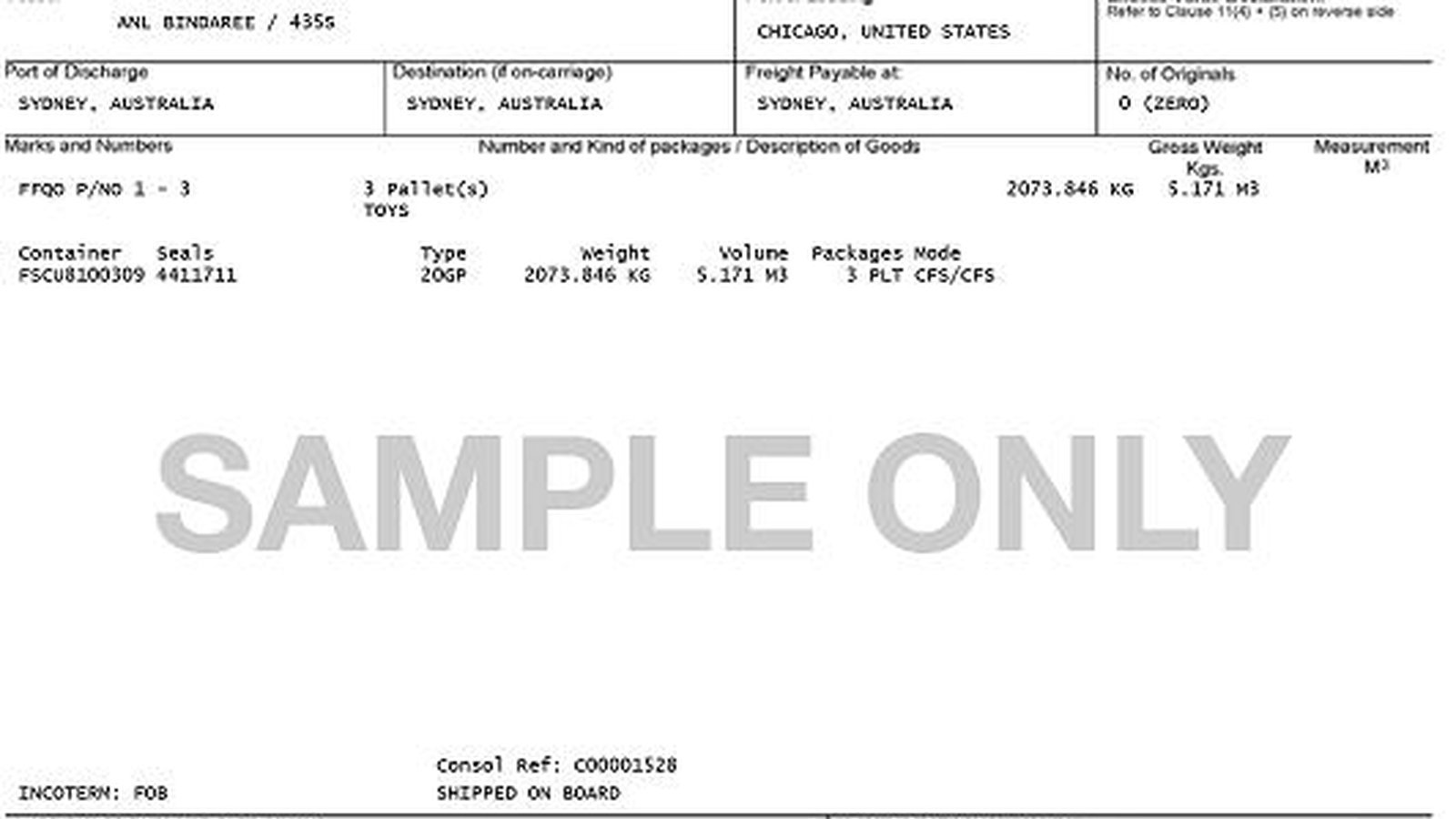
    Sample ocean bill of lading and customs declaration documents

    The HS code on your commercial invoice determines how much duty you pay, whether your product needs an import license, whether FDA or another regulator gets involved, and whether customs flags your container for inspection. Yet many importers pick an HS code from a supplier’s proforma invoice without questioning it. A wrong classification is one of the most expensive silent mistakes in importing — it can mean back duties, penalties, or a delayed container at the dock. This guide explains how HS codes are built, why they matter, and how to get yours right.

    How the HS Code Is Structured

    The Harmonized System is maintained by the World Customs Organization (WCO). Its structure is hierarchical:

    • Chapters (2 digits): 97 chapters grouping broad product families, e.g., Chapter 85 for electrical machinery.
    • Headings (4 digits): the chapter plus a heading number, e.g., 8517 for communication equipment.
    • Subheadings (6 digits): the international standard, shared by every WCO member — around 5,000–6,000 six-digit groups globally.
    • National subdivisions (8–10 digits): each country adds its own digits. The United States uses a 10-digit HTSUS; China uses an 8-digit statutory tariff number expanded to a 10-digit commodity code for declaration. The first six digits must match internationally; the rest differ by country.

    When a Chinese supplier quotes an HS code, that is the Chinese export code. Your import-side code in the US or EU is usually the same first six digits but may differ in the last four — do not assume the export code is your import code.

    Why Classification Changes Your Costs and Risk

    The six-digit level determines the MFN (most-favored-nation) duty rate. The national digits determine additional measures:

    • Tariff rate: the same physical product classified in two headings can carry 0% vs 10%+ duty.
    • Trade remedies: anti-dumping duties and countervailing duties attach to specific HS codes; a misclassification can accidentally land you in an AD range.
    • Import licenses and regulators: certain codes trigger FDA registration, CPSC testing, FCC approval, or dangerous-goods permits.
    • Quota and origin treatment: preferential tariff under RCEP or another FTA depends on the correct product-specific rule of origin tied to the HS code.

    How to Determine the Correct HS Code

    • Start from the product’s actual material, function, and use — not from its marketing name.
    • Search the destination country’s customs database (USITC HTS Search for the US, TARIC for the EU, China’s customs tariff schedule for exports).
    • Read the chapter notes and section notes; they define boundary cases, such as whether a product is “machinery” or “toys.”
    • For ambiguous products, request a binding ruling or advance ruling from customs — the US CBP issues binding ruling letters, and the EU issues BTI (Binding Tariff Information). A ruling locks your classification and protects you from later reclassification.
    • Ask a licensed customs broker; their fee is trivial compared with a misclassification penalty.

    Consequences of Misclassification

    • Underpaid duty: customs demands back duties plus interest and, in intentional cases, penalties.
    • Overpaid duty: you left money on the table that is rarely refunded without a formal post-entry amendment.
    • Inspection delay: if the declared code does not match the physical goods, customs holds the container for verification.
    • Regulatory exposure: importing a product under a code that does not require FDA, when the product actually does, creates an unreported violation.

    Common Example Codes

    Examples to anchor your intuition: stainless steel water bottles fall under Chapter 73 (articles of iron or steel) or 9617 (vacuum flasks); LED lamps fall under 9405 (lamps and lighting fittings); smartphones under 8517; apparel under Chapters 61–62. Always confirm the full 10-digit import code for your country before the first shipment, and review it whenever the product changes materially.

    How a Supplier’s HS Code Can Mislead You

    Chinese suppliers often provide an export HS code that minimizes their own export VAT rebate, or a code that groups several product types. That code is optimized for their export paperwork, not for your import duty. Do not copy it onto your customs entry. Re-classify the product independently using the destination country’s tariff schedule, and document the rationale.

    If you are unsure, start a binding ruling before the first shipment. The cost of a ruling — often a few hundred dollars or less — is tiny compared with the duty exposure on a containerload. Keep a classification spreadsheet for every SKU: HS code, duty rate, applicable regulator, and ruling reference. Review it whenever the product changes, the tariff schedule updates (the WCO HS is revised every few years), or your customs broker flags a discrepancy.

    For repeat importers, maintain a classification log per SKU and update it when the WCO HS cycle revises headings every few years. When in doubt, a binding ruling letter protects you even if customs later changes its view. Time the first ruling request before the first container ships; rulings take weeks, not days.

    Get Help Confirming Your HS Code and Duty Rate →

  • Lighting Fixtures Sourcing from China: LEDs, Certifications, Parameters and the Guzhen Cluster

    Lighting Fixtures Sourcing from China: LEDs, Certifications, Parameters and the Guzhen Cluster

    Close-up of an LED light bulb

    China produces a huge share of the world’s lighting — LED bulbs, downlights, pendant lamps, strip lights, and outdoor fixtures — and the range of quality is enormous. A $2 LED panel and a $20 certified downlight may look similar on an Alibaba listing. The difference is driver quality, binning consistency, thermal design, and certification status. For buyers, lighting is a category where skipping compliance testing leads directly to Amazon takedowns or EU market-surveillance seizures. This guide covers what to source, which certifications matter, the parameters to specify, and where the factories are.

    Product Categories

    • LED bulbs and tubes: A-type, BR, PAR, T8/T5 — high-volume, price-sensitive.
    • Downlights and panel lights: commercial and residential, with driver and housing.
    • Pendant and decorative lamps: lighting plus shade design, strong in Zhongshan.
    • LED strip and neon flex: low-voltage, IP-rated, used in retail and hospitality.
    • Outdoor lighting: flood lights, street lights, garden lights with IP65+ ratings.
    • Smart lighting: Wi-Fi/BLE/Mesh controllers, dimming, color-changing — the fastest-growing segment.

    Certifications by Destination

    Lighting is one of the most certification-heavy consumer categories. Match the mark to your market:

    • United States: UL or ETL safety listing is required for most retail and commercial channels; DLC (DesignLights Consortium) qualification unlocks utility rebates and is demanded by many B2B buyers.
    • Europe: CE marking (LVD + EMC), RoHS for restricted substances, and REACH. For UK sales, UKCA.
    • Australia and New Zealand: RCM mark.
    • Wireless smart lighting: additionally FCC (US), CE-RED (EU), and Bluetooth or Zigbee qualification.

    Ask for the actual certificate number and verify it on the issuing body’s database. A printed fake “CE” on a datasheet is worthless; market surveillance authorities check the certification body, not the label.

    Parameters to Specify in the Order

    Without written parameters, the factory picks the cheapest LED bin. Specify:

    • Luminous flux (lumens) and wattage: e.g., 800 lm at 9 W, not “equivalent to 60 W” marketing language.
    • Color temperature: 2700K warm, 3000K, 4000K neutral, 5000K–6500K daylight, plus color consistency (MacAdam ellipse / SDCM).
    • Color rendering index (CRI): CRI 80 minimum for general use; CRI 90+ for retail, gallery, and hospitality.
    • Beam angle, input voltage, power factor, and rated lifetime (L70).
    • Ingress protection (IP) rating for outdoor and bathroom products.

    QC and Testing

    • Photometric test: lumen output and spectrum in an integrating sphere — request the test report per batch.
    • Burn-in: powered aging for 8–24 hours; early driver failures show up here.
    • Hi-pot and insulation test: electrical safety.
    • Temperature rise test: surface and driver temperatures under full load.
    • Switch-cycle test: on/off cycles for lifetime estimate.

    The Guzhen Cluster and Smart Trend

    Guzhen town in Zhongshan, Guangdong, calls itself the lighting capital of the world, with thousands of component suppliers, fixture factories, and showrooms within a few square kilometers. Ningbo and Shenzhen are secondary hubs for commercial and smart lighting. A buying trip to Guzhen lets you compare housings, drivers, and LED bins in person.

    Smart lighting — app-controlled, voice-enabled, scene-based — is the category pulling margins up. If you enter it, plan for wireless certification and firmware reliability, not just the optical parameters. Treat certification as part of the product cost, not an optional add-on.

    Evaluating a Lighting Factory: What to Audit

    Beyond certifications, a lighting factory’s quality is visible in its driver selection and aging room. Ask whether the driver is isolated or non-isolated, whether it is a branded part (Mean Well, Philips Xitanium) or an unbranded clone, and inspect the aging chamber where finished units burn in for a day. A factory that skips burn-in will ship drivers that fail in the first month.

    For outdoor products, demand an IP test report with water-jet and dust exposure; IP65 claims without test reports are common. For smart lighting, also ask for the firmware update process and whether the product works without the vendor’s cloud server — vendor lock-in on a $15 bulb means your customers cannot use it if the startup folds. Sample, test, and only then commit to volume.

    For buyers entering smart lighting, also factor in wireless module testing. A Wi-Fi module that works in the factory showroom may fail your network conditions at home; request firmware logs and a battery of interoperability tests across routers. Thermal design is equally important: cheap drivers overheat and fail early, while a well-designed luminaire runs cool for years. Ask the factory for its LED brand (Cree, Osram, Samsung, or generic) and its driver warranty period. A two-year driver warranty is a reasonable baseline for commercial-grade lighting; a six-month warranty signals a consumer-grade product. For outdoor IP65 lights, also request salt-spray and UV aging reports if the product will sit in coastal or intense-sunlight climates. Treat each of these as a documented line item in the PO, not a verbal promise.

    The lighting market rewards buyers who specify testable parameters; factories that hesitate to provide lumen reports or certification numbers are telling you everything you need to know.

    Source Certified LED Lighting With Full Test Reports →

  • Vacuum Flasks & Stainless Steel Drinkware Sourcing from China: Materials, Process & QC

    Vacuum Flasks & Stainless Steel Drinkware Sourcing from China: Materials, Process & QC

    Double-wall stainless steel vacuum insulated water bottle

    Stainless steel vacuum flasks, travel mugs, and insulated water bottles are one of China’s most mature consumer-hardware exports. The category looks simple — a tube, a vacuum, a lid — but the difference between a bottle that keeps coffee hot for six hours and one that sweats and cools in two is material grade, welding quality, and vacuum integrity. Buyers who treat these as a generic commodity usually discover that on a returned sample. This guide covers the materials, the production process, the tests that matter, and the cluster where most of the world’s drinkware is made.

    The Product Range

    • Vacuum flasks and bottles: double-wall stainless steel, typically 350–1,000 ml, used for hot and cold beverages.
    • Travel and coffee mugs: with handles or snap lids, popular in automotive and promotional markets.
    • Food jars and cookers (焖烧罐): wide-mouth vacuum containers used to stew food without heat, a strong product from Zhejiang.
    • Stainless steel tableware: cutlery, straws, and lunch boxes in the same material family.

    Materials: 304 vs 316 Stainless Steel

    Food-contact grade is the first decision. 304 (18/8) stainless steel is the standard for most water bottles, resistant to everyday beverages. 316 steel adds molybdenum, giving better corrosion resistance to acidic drinks, salt, and chlorine; it is preferred for premium bottles, baby products, and gym shakers. Some factories quote on 201 stainless steel, which is cheaper but less corrosion-resistant and unsuitable for food contact — always specify 304 or 316, and ask for the food-contact test report.

    For the exterior, buyers choose between a plain stainless finish, powder coating, spray paint, or electro-polishing. Powder coating accepts custom logos and colors; it also chips more easily, so coating adhesion testing matters for promotional products.

    The Production Process

    A vacuum bottle is made by deep-drawing or spinning two inner and outer cups from stainless steel sheet, welding them together at the neck, attaching a base, and then evacuating the air between the walls. The vacuum is maintained either by a copper brazing process (getter) or by an exhaust tip that is sealed after pumping. Poor welding or a weak vacuum is why cheap bottles lose insulation quickly.

    Key process points to audit: wall thickness (thinner walls mean less insulation and easier denting), weld consistency at the neck and base, and the vacuum pumping station. Ask the factory to show its insulation test setup, not just its sales brochure.

    Insulation Testing and the QC That Matters

    The headline specification is “24 hours hot” but the real test is the temperature drop over a controlled period. A meaningful QC protocol includes:

    • Insulation test: fill with boiling water, measure temperature at 6 and 12 hours; a good double-wall bottle loses roughly 15–25°C over six hours.
    • Leak and seal test: invert the closed bottle, shake it, and apply pressure; no leakage allowed, especially for lids with sip mechanisms.
    • External condensation check: fill with iced water and confirm no sweating on the outer wall — a sign of lost vacuum.
    • Food-contact safety: migration tests for heavy metals (lead, chromium, nickel) under FDA and EU food-contact frameworks.
    • Coating adhesion and drop test: for colored bottles, tape and scratch tests plus a controlled drop.

    The Cluster: Yongkang and Yiwu

    Most of China’s vacuum drinkware is made in Yongkang, Zhejiang — known as China’s hardware capital — and sold through the nearby Yiwu International Trade Mart. The cluster has deep supply chains for stainless steel sheet, lids, silicone seals, and packaging. Visiting Yongkang lets you compare five factories in a day; Yiwu shows you the finished retail packaging and price tiers. Buyers usually source tooling and production from Yongkang factories and handle small-batch buying through Yiwu.

    For private-label drinkware, request a sample of the actual production batch, not the showroom sample; showroom units are often hand-finished. Once the sample passes your insulation and leak tests, lock the material grade, wall thickness, and lid specification in the purchase order.

    Private Label, Tooling, and Common Pitfalls

    For private-label drinkware, most factories can laser-engrave or pad-print your logo on existing molds. If you need a custom bottle shape, a new mold runs into the thousands of dollars and adds 30–45 days to lead time. Confirm whether the mold is owned by you or the factory, and whether it can be reused for another buyer — this matters if you switch suppliers later.

    Common pitfalls to avoid: accepting a quote that specifies “stainless steel” without the grade (201 vs 304 vs 316); buying the showroom sample but receiving a thinner-wall production batch; and overlooking lid leak testing. Ask the factory to include a written insulation specification (e.g., “boiling water at 95°C, after 6 hours not below 65°C”) in the PO, and make the pre-shipment inspection verify it on actual production units.

    Finally, compare not just unit price but total landed cost: a $3.50 bottle with a failed leak test costs more than a $4.20 bottle that passes inspection. Order samples from three factories, run the insulation and leak tests side by side, and then commit.

    Source Verified Vacuum Drinkware With a QC-Ready Factory →