分类: China Procurement

  • Importing from China to the Middle East: Saudi, UAE, GCC Tariffs, Saber and Ports

    Importing from China to the Middle East: Saudi, UAE, GCC Tariffs, Saber and Ports

    Aerial view of a container port with a modern city skyline behind it

    The Middle East — Saudi Arabia, the UAE, Qatar, Kuwait, Oman, and Bahrain — is one of the fastest-growing import markets for Chinese goods. The UAE in particular is a re-export hub to the whole region. But importing here is not a single market: each Gulf state has its own customs authority, and Saudi Arabia in particular runs one of the strictest conformity regimes in the region. This guide covers the GCC tariff framework, the Saudi Saber system, the UAE process, the main ports, and the compliance and cultural checks you need.

    The GCC Common External Tariff

    The six Gulf Cooperation Council members apply a largely unified customs schedule. Most goods carry a 5% common external tariff on CIF value. A small number of products are exempt or carry higher rates to protect local industry; some goods attract excise (e.g., tobacco, energy drinks).

    Import VAT is separate: Saudi Arabia applies 15% VAT (raised from 5%); the UAE applies 5% VAT; other GCC states apply their own rates.

    Saudi Arabia: Saber, SASO and the CoC

    Saudi Arabia’s conformity system is the main compliance hurdle. The Saudi Standards, Metrology and Quality Organization (SASO) runs the Saleem program, operated through the electronic Saber portal. Regulated products need:

    • A product certificate (PC) registered in Saber.
    • A shipment certificate (SC) for each shipment, issued by a SASO-recognized certification body.
    • The CoC (Certificate of Conformity) attached to the shipment for customs clearance via Fasah, Saudi’s customs platform.

    Without a valid Saber-issued CoC, the container cannot clear Saudi customs. ZATCA is the tax authority for VAT; Fasah is the single customs platform.

    The UAE: Dubai and Beyond

    The UAE is the region’s logistics and re-export hub. Dubai’s Jebel Ali port is the largest between Singapore and Rotterdam. The UAE’s Federal Customs Authority handles clearance; free zones such as JAFZA, DMCC, and Dubai South offer re-export and warehousing. The UAE does not require a Saber-style CoC for most goods, but product-specific certifications (halal for food, ESMA/ECAS for regulated electrical products) still apply.

    Other GCC Markets

    • Qatar: Hamad Port; 5% duty; QGSO conformity.
    • Kuwait: Shuwaikh and Shuaiba ports; KUCAS conformity.
    • Oman: Sohar and Salalah ports; simpler process.
    • Bahrain: Khalifa Bin Salman Port.

    Ports and Shipping

    • Jebel Ali (Dubai, UAE): the main transshipment hub; most China calls here first.
    • Jeddah Islamic Port (Saudi): the main gateway for the Saudi market.
    • Hamad Port (Qatar): deep-water, serves Qatar.
    • Salalah (Oman): transshipment on the Arabia Sea route.

    Compliance, Halal, and Opportunities

    Food, cosmetics, and personal-care products sold in the region need halal certification where applicable; packaging and labels must be in Arabic as well as English. Strong demand categories include construction materials (driven by Vision 2030 megaprojects), consumer electronics, home appliances, furniture, solar products, and apparel. The most common pitfall is shipping to Saudi without a Saber CoC — start the product registration before the first container sails.

    Halal, Arabic Labeling, and Cultural Compliance

    Two non-tariff requirements surprise new importers to the region. The first is halal certification: for any food, beverage, cosmetic, or personal-care product sold in Saudi Arabia or the UAE, halal certification from a recognized body is effectively required on packaging. For non-food products, this is not required, but for products that contact the mouth (lip balm, toothpaste, baby care) the line is blurrier than you expect.

    The second is Arabic labeling: product name, importer name, country of origin, usage instructions, and warning labels must appear in Arabic. Saudi Arabia is particularly strict; a product with English-only packaging will be held at customs. Plan the Arabic translation and printing at the Chinese factory rather than applying stickers after arrival — stickers peel, and inspectors notice.

    Pricing and payment terms also differ. Most Middle East traders expect a relationship-based payment structure: a deposit against the order, and balance against the bill of lading. Letters of credit are common for larger orders. The UAE free zones make it easy to set up a local trading entity; many Chinese brands register in DMCC or JAFZA to handle the whole region from Dubai. For a first shipment, use a local clearing agent who already has a Saber account and GCC customs experience.

    As a closing practical tip: most Middle East buyers prefer to inspect the shipment at Jebel Ali or Jeddah before it is released to inland customers. Budget for a pre-delivery inspection (PDI) in the destination warehouse — this is how the region’s established distributors handle damages and short-ships, and it is a habit worth copying even on your first container.

    Start your Saber product registration in Saudi before the first container sails — certification bodies take weeks, not days, and a ship without a CoC will be held.

    For Saudi-bound shipments, build a two-week buffer into your schedule between the ship’s arrival and Saber SC approval; containers often wait at Jeddah while a paperwork item is resolved.

    Clear Your First Middle East Shipment With Saber and GCC Expertise →
  • Importing from China to South Africa: SARS Customs, VAT 15%, ITAC Permits and Ports

    Importing from China to South Africa: SARS Customs, VAT 15%, ITAC Permits and Ports

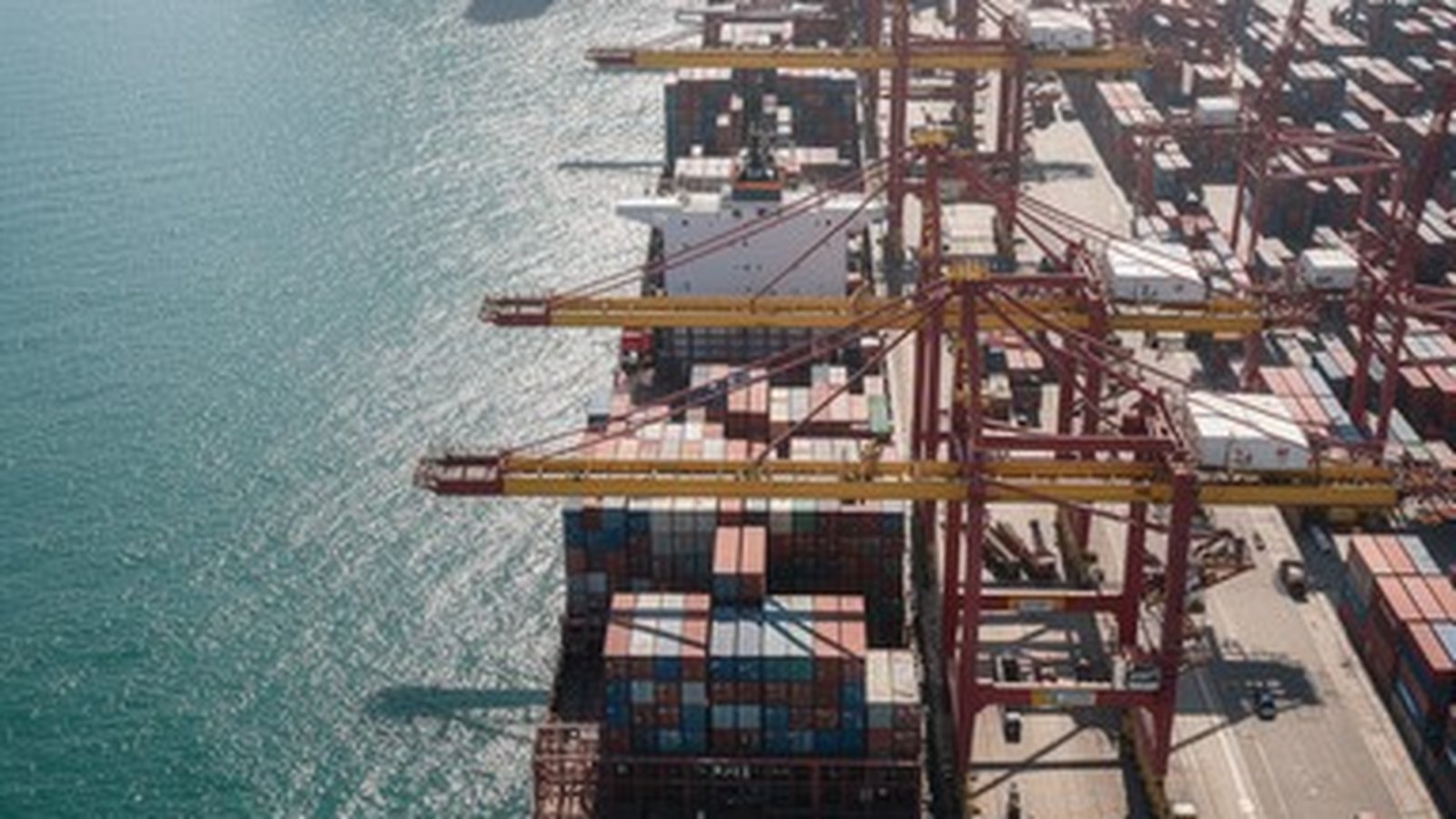
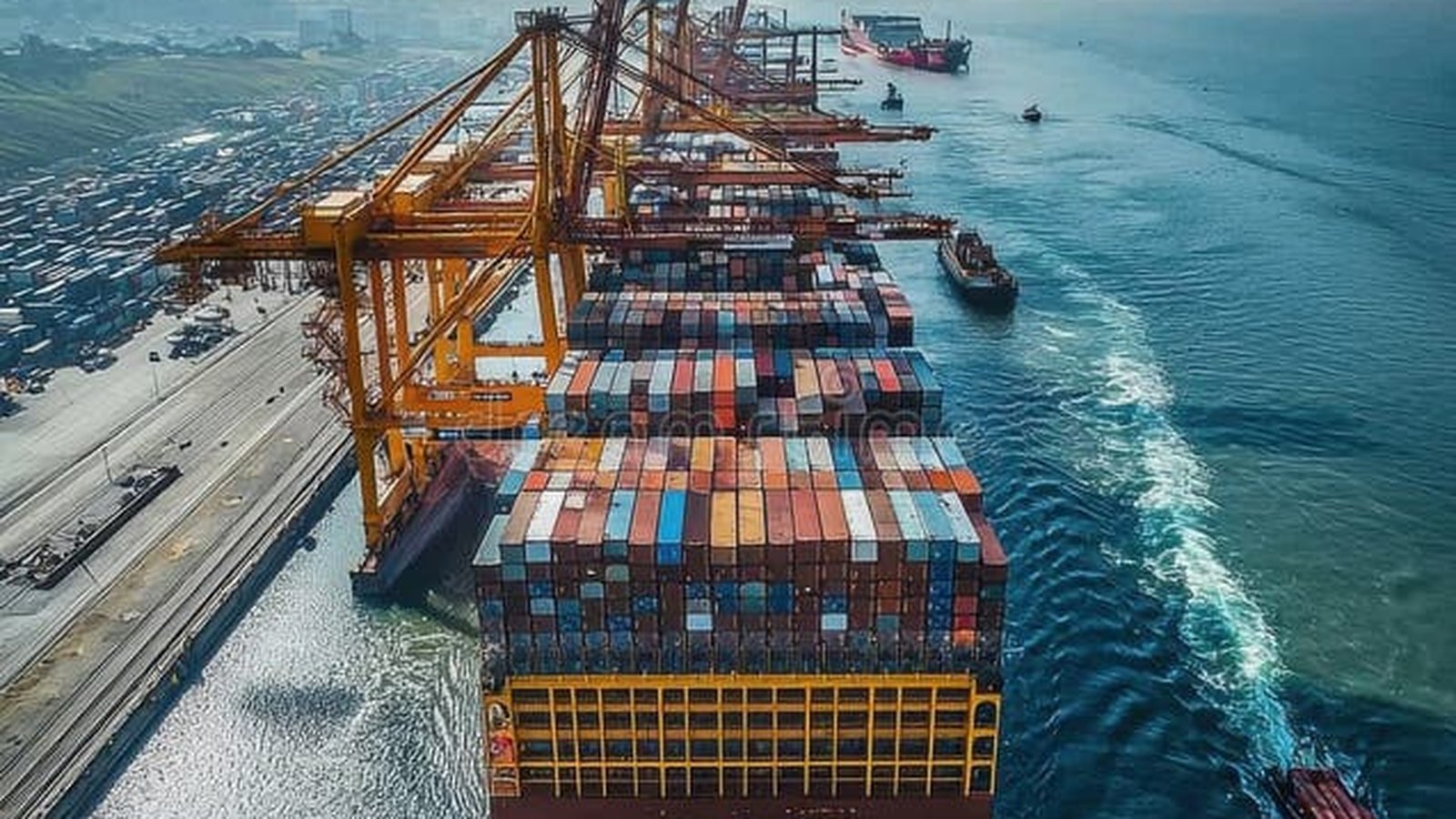
    Aerial view of a large container ship docked at a busy port with gantry cranes

    South Africa is one of Africa’s largest consumer markets, and China is its biggest source of imports. Yet many first-time importers underestimate the SARS process, the ITAC permit requirements, and the SABS conformity regime. A shipment that arrives in Durban without the right documents can sit in quarantine for weeks. This guide walks through registration, duties and VAT, permits, required documents, ports, and product opportunities.

    Register With SARS and ITAC

    Before you import, you must register as an importer with the South African Revenue Service (SARS). You need a company, a tax clearance, and an import-export customs registration. For controlled goods, used goods, or second-hand items, you also need an import permit from the International Trade Administration Commission (ITAC). Certain categories — certain electronics, vehicles, electrical equipment, and textiles — require ITAC permits regardless of who imports them.

    Duties and VAT

    • Import duty: varies by HS code; many consumer goods carry a range of rates under the South African tariff schedule. Some goods also attract anti-dumping duties.
    • Value-added tax: South Africa’s import VAT is currently 15% (raised from 14% in April 2018). It is calculated on the Added Tax Value (ATV): customs value plus 10% plus any non-rebated duties, then multiplied by 15%.
    • Surcharges: a small number of products attract additional customs or excise duties.

    A licensed customs broker calculates these for you; their fee is trivial compared with a miscalculated entry.

    SABS Conformity and Product Safety

    The South African Bureau of Standards (SABS) regulates safety for a range of products — electrical appliances, automotive parts, building materials, and some child products. Imported goods must meet SABS standards, and a letter of authority or SABS certificate is required for regulated products before they clear customs. Non-regulated consumer goods still need to meet the relevant compulsory specifications.

    Documents You Need

    • Commercial invoice and packing list.
    • Bill of lading or airway bill.
    • Certificate of origin (COO) — a general CO; South Africa does not have a preferential FTA with China, but a COO is still required.
    • ITAC import permit where applicable.
    • SABS certificate or LOA for regulated products.
    • Customs declaration (SDS or via a broker).

    Ports and Logistics

    • Durban: the busiest container port, serving Gauteng and the industrial heartland.
    • Cape Town: for the Western Cape and as a relief port for Durban congestion.
    • Ngqura (Coega): newer deep-water port in the Eastern Cape.
    • Johannesburg: inland clearance hub via rail and road from Durban.

    Freight from China to Durban is a common direct service; expect 25–30 days on the water, plus inland trucking to Johannesburg.

    Product Opportunities and Pitfalls

    Strong demand categories include consumer electronics, homeware, building materials, solar products (South Africa’s load-shedding drives a big solar market), and affordable furniture. Pitfalls: under-valuing invoices (SARS checks), missing ITAC permits for regulated goods, and neglecting SABS certification — the most common reasons containers are held.

    How VAT and Duties Actually Hit Your Cost

    A common first-time calculation mistake is to assume that VAT is paid on the FOB price. South African import VAT is actually calculated on the Added Tax Value (ATV), which is the customs value plus 10% (to account for transport and insurance) plus any non-rebated duties. VAT is then 15% of that ATV. On a typical CIF shipment, expect landed cost to be FOB + ocean freight + insurance + duty + 15% VAT on the combined figure + broker fees + clearing charges + inland trucking.

    Import VAT paid by a VAT-registered trader is later recoverable on the bi-monthly VAT return, so it is a cash-flow item rather than a permanent cost. If your business is not VAT-registered (small traders, certain e-commerce sellers), the 15% is a real cost that must be priced into the retail margin. Plan for this when setting prices — a product sold for R500 ex-VAT that needs R75 of import VAT plus 10–20% duty is a different margin story than expected.

    Under-valuation is the fastest way to attract SARS attention. Declaring $5 electronics on a commercial invoice when the retail price is $500 is a customs fraud risk that leads to fines, seizure, and trader registration being revoked. Use the factory’s commercial invoice as the basis; do not ask your supplier to write a lower value on it.

    Finally, choose between FOB and DDP carefully. Most Chinese suppliers quote FOB Shanghai or Durban; if you are new, consider a DDP quote from a South Africa-focused forwarder who handles SARS clearance, ITAC, and SABS on your behalf. The markup is predictable, and you avoid the risk of a container stuck at Durban because a document is missing. For repeat shipments, building an in-house broker relationship becomes cheaper.

    Engage a licensed customs broker before your first shipment; their registration and experience with SARS eFiling saves weeks of delay.

    Many first-time importers in South Africa start with a DDP shipment through a Chinese-forwarder with local Durban/Johannesburg experience; this avoids most of the learning curve on SARS, ITAC, and SABS paperwork.

    Start Importing to South Africa With a Licensed Broker →

  • Electric Scooters and Hoverboards Sourcing from China: Specs, UL 2272, EN 17128 and QC

    Electric Scooters and Hoverboards Sourcing from China: Specs, UL 2272, EN 17128 and QC

    Electric stand-up scooter parked on a paved riverside promenade

    Electric scooters, hoverboards, and electric bikes are among the fastest-growing micromobility categories — and also the most certification-punishing. A hoverboard that catches fire on a customer’s doorstep does not just generate a return; it generates a recall, a brand hit, and a liability claim. Because the category’s safety record was defined by early battery fires, buyers in the US and EU now demand specific standards. This guide covers the product range, the parameters, the mandatory certifications, and the QC that protects you.

    Product Categories

    • Folding electric scooters: the dominant commuter and rental product, 8–10 inch wheels.
    • Hoverboards and self-balancing boards: two-wheel, originally the product that triggered the UL 2272 standard.
    • Electric skateboards: niche but growing.
    • Electric bikes (e-bikes): a separate standard (UL 2849) and a different, heavier supply chain.
    • Off-road and seated scooters: larger motors, higher speed.

    Core Parameters to Specify

    • Battery capacity (Wh): the single most important spec; it determines range, certification eligibility, and shipping classification.
    • Motor power (W): 250W for street-legal EU models; 350W–500W for US off-road use.
    • Top speed: EU street-legal limit is 25 km/h; US varies by state.
    • Range per charge (km): ask for both ideal and real-world range.
    • Load capacity, wheel size, brake type (disc vs drum vs regenerative), and folding mechanism.

    Certifications: Non-Negotiable

    • United States: UL 2272 (ANSI/CAN/UL 2272), the electrical-safety standard for personal e-mobility devices — hoverboards, e-scooters, e-skateboards. UL 2271 covers the battery itself; UL 2849 covers e-bikes. Without UL 2272, major US retailers and marketplaces will not list the product.
    • Europe: EN 17128 for personal light electric vehicles (PLEV), plus CE, EMC, RED for wireless, and RoHS.
    • Battery shipping: UN38.3 test summary is mandatory for air and sea transport of lithium batteries; MSDS and a 1.2 m drop test.
    • FCC: for US wireless modules.

    A factory that says “we can get UL 2272 after you order” is a risk. Most good factories hold the certificate in their own name already; verify the certificate number on UL’s database.

    QC That Protects You

    • Brake test: stopping distance at speed, wet and dry.
    • Fold and unfold cycle: the hinge is the most common mechanical failure.
    • Battery charging test: overcharge, short-circuit, and thermal runaway tests — the whole point of UL 2272.
    • Water resistance: IP rating on the controller and battery enclosure.
    • Load and vibration test: simulate pothole riding.
    • Run-in test: powered running-in for a defined period before packing.

    Clusters and After-Sales

    E-scooter manufacturing concentrates in Shenzhen and Dongguan for branded models, Wuxi and Tianjin for e-bikes, and Ningbo for mid-range scooters. The supply chain for battery cells, BMS, motors, and controllers is entirely within the Greater Bay Area.

    Plan after-sales carefully: batteries wear out, tires puncture, and folding hinges loosen. Pre-position common spares — chargers, inner tubes, brake pads, fuses — in your destination country. A warranty program that ships a $3 charger from China takes three weeks and destroys the customer experience.

    Shipping Lithium Batteries Is Its Own Subject

    E-scooters and hoverboards contain lithium-ion batteries, which are classified as dangerous goods for transport. This changes the freight equation in ways new importers often miss. First, UN38.3 testing — altitude, temperature, vibration, shock, short-circuit, and overcharge — is mandatory before any battery is shipped by sea or air. Second, sea freight has specific packaging rules: batteries must be installed in the device or packed with terminals protected, and the shipper must complete the dangerous-goods declaration.

    Air freight is more restricted: many courier services refuse standalone lithium batteries, and even installed batteries on passenger planes have watt-hour limits. For the buyer, this means that the cheapest door-to-door quote from a random forwarder may be a non-compliant ship that will be seized. Use a forwarder who specializes in battery freight and ask for the dangerous-goods MSDS and UN38.3 test summary for every batch.

    Finally, confirm the factory’s own battery supplier. Cheap generic cells are the root cause of hoverboard fires. Demand the cell brand (e.g., a named cell maker), the BMS protection features (overcharge, over-discharge, thermal cutoff), and a cycle-life specification. A scooter rated for 500 charge cycles is a different product from one rated for 200 cycles.

    After-sales for e-scooters is a warranty program, not a return policy. The most common failures are battery degradation, brake wear, tire punctures, and folding-hinge looseness. Pre-positioning a 5–10% spare-parts kit in your destination market — chargers, inner tubes, brake cables, fuses, controller boards — is the difference between a 10-day fix and a four-week ocean replacement. For rental fleets, plan a depot for battery and tire swaps; for consumer retail, sell a spare tire and charger as an accessory bundle.

    Ask the factory for the UL 2272 or EN 17128 certificate number and verify it on the issuing body’s database before you pay a deposit.

    Range claims are notoriously optimistic; ask the factory for both ideal range (flat road, 60 kg rider, 25 C) and real-world range (hills, 75 kg rider, headwind), and advertise the lower number to avoid returns.

    Source UL 2272 / EN 17128-Certified E-Mobility Products →

  • Home Appliances Sourcing from China: Categories, Energy Ratings, Certifications and OEM

    Home Appliances Sourcing from China: Categories, Energy Ratings, Certifications and OEM

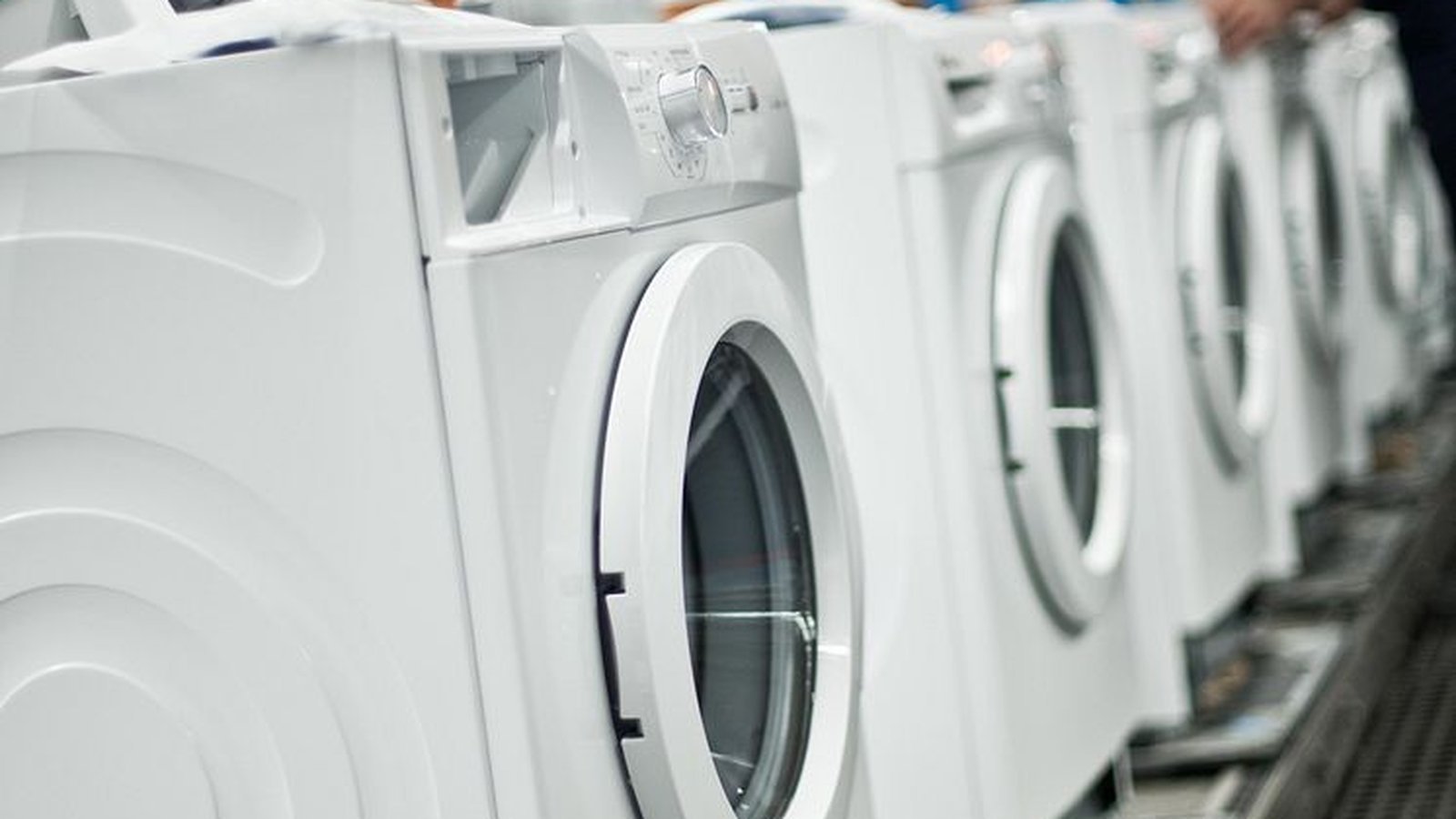
    Washing machines on a home appliance assembly line in a factory

    China is the world’s home-appliance factory: refrigerators, washing machines, air conditioners, microwaves, rice cookers, air fryers, and vacuum cleaners. The category is attractive for private-label brands, distributors, and marketplace sellers, but it is also one of the most certification-heavy and QC-demanding categories you can import. A single safety failure on a mains appliance creates liability. This guide covers the range, the energy labels, the certifications, the QC tests, and where the factories are.

    Product Categories

    • Large appliances: refrigerators, freezers, washing machines, dryers, air conditioners, stoves.
    • Kitchen small appliances: microwaves, rice cookers, blenders, air fryers, coffee machines, kettles.
    • Cleaning appliances: vacuum cleaners, robot vacuums, steam mops.
    • Personal comfort: fans, heaters, humidifiers, dehumidifiers.

    Energy Labels You Must Meet

    Energy efficiency is not optional — it is the label that determines whether your product can be sold in the market.

    • United States: ENERGY STAR is voluntary but demanded by retailers and utilities; FTC appliance labeling rules apply.
    • European Union: the new EU energy label (rescaled A–G) applies to refrigerators, washing machines, dishwashers, TVs, and air conditioners. The label must be on the product page and packaging.
    • Other markets: UAE, Saudi, and Australia have their own efficiency programs.

    Certifications by Market

    • United States: UL or ETL safety listing is effectively required for retail; DOE efficiency standards apply.
    • Europe: CE marking (LVD + EMC + RoHS + REACH); GS mark for Germany is a strong commercial signal.
    • UK: UKCA.
    • Australia: RCM mark.
    • Japan: PSE.
    • Wireless models: additionally FCC/CE-RED for the radio module.

    Ask for the actual certificate with the product model number. A certificate for a similar but different model does not cover your product.

    QC: The Safety Tests That Matter

    • High-potential (hipot) test: electrical insulation withstands high voltage — a failed hipot means shock hazard.
    • Grounding continuity and leakage current.
    • Temperature rise test: surfaces and internal components under full load.
    • Functional tests: thermostat, timer, motor, and safety cutoffs.
    • Drop test and packaging: appliances are heavy; packaging must survive international freight.
    • Noise test: for washing machines and vacuums, dB rating is a selling point.

    OEM/ODM, Clusters, and After-Sales

    Most large-appliance factories in Guangdong (Shunde, Foshan), Anhui (Hefei), and Zhejiang support OEM with your logo, and ODM with minor design changes. Tooling for a dedicated exterior can add tens of thousands of dollars. For small appliances, the cluster in Zhejiang and Guangdong lets you combine components fast.

    After-sales is the hidden cost. Appliances fail at a low rate but each failure generates a warranty return. Ask the factory about spare-part supply, typical failure rates, and whether they provide service manuals. For private-label, pre-position a small stock of common spares (power cords, heating elements) in your destination market rather than shipping replacements from China under warranty.

    Choosing OEM Versus a Turnkey Private Label

    Home appliance factories in Shunde, Hefei, and Ningbo typically offer three service levels. Plain OEM means you take an existing model, change the logo, and accept the factory’s existing certifications. Private label ODM lets you change housing color, packaging, manuals, and the user interface language. Custom design means new tooling, a dedicated mold, and fresh certification — only justified at volumes of tens of thousands per model.

    A common trap is to assume that because two appliances look similar they are interchangeable. Compressors, motors, heating elements, and electronic controllers are category-specific BOMs. Ask the factory for the actual bill of materials and for the brand of the core components: a named compressor (for a fridge) or motor (for a washer) is a much better signal than a generic listing.

    For small kitchen appliances, energy and safety tests are simpler than for large appliances, but the failure modes are different: overheating heating plates, leaking water tanks, and short-lived motors. Budget for a 2–3% warranty reserve on every shipment. Appliances are bought once every few years; a bad first experience loses the customer permanently.

    Finally, calculate the true landed cost before you commit. Appliances are heavy, so ocean freight and inland trucking can equal or exceed the product FOB price. A $40 washing machine that weighs 65 kg may cost $30–$40 to move from Shanghai to your warehouse. Include duty, VAT, certification amortization, warranty reserve, and packaging engineering — then compare that number with the retail price of incumbents. Appliances reward scale; small first orders are useful for sampling, not for profitable volume.

    A pre-shipment inspection by an independent third party, with hipot and leakage testing on a sample, is the cheapest insurance you can buy for a mains-powered appliance.

    For small appliances, the margin case is usually stronger: lower tooling, faster certification cycles, and lighter freight make them easier to test with a private-label launch before committing to a large appliance program.

    Plan the private-label launch with a small first order of one or two SKUs; success in small appliances validates the supply chain before you commit to large appliance tooling.

    Source Certified Home Appliances With Full Test Reports →

  • Security Cameras and CCTV Sourcing from China: Categories, Specs, Protocols and QC

    Security Cameras and CCTV Sourcing from China: Categories, Specs, Protocols and QC

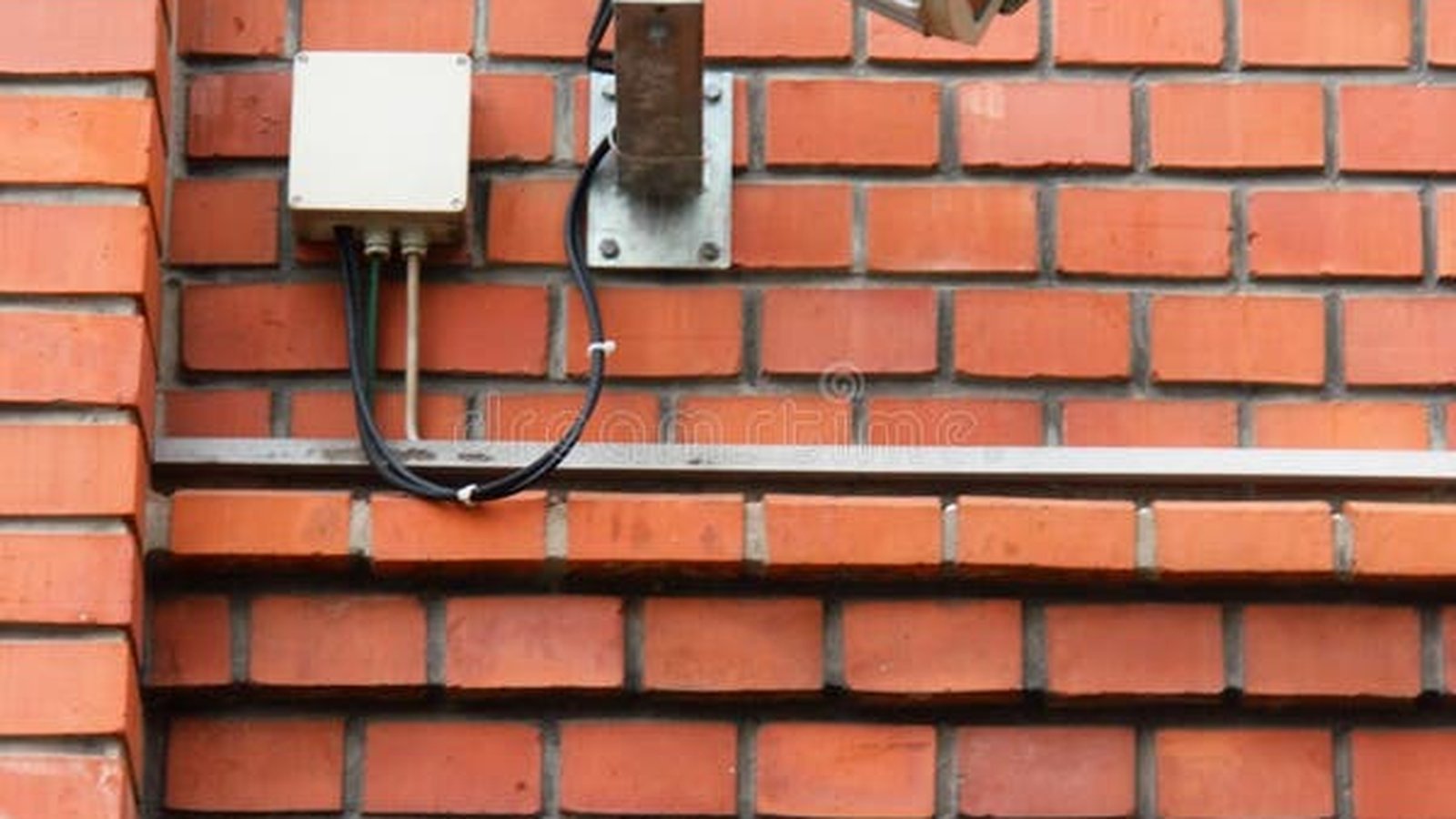
    Bullet surveillance security camera mounted on a brick wall

    China, and specifically Shenzhen, manufactures the large majority of the world’s security cameras — from $20 indoor Wi-Fi cubes to industrial 4K PTZ systems. The category is attractive because margins are real and demand is steady, but it is also where specification abuse is common: a camera listed as “4K” with a cheap sensor, or a “PoE” model that drops packets, produces returns and warranty claims. This guide covers the product range, the parameters that actually matter, the protocols to verify, the certifications, and the QC that separates a good supplier from a reseller.

    Product Categories

    • Indoor cameras: Wi-Fi cubes, baby monitors, and small dome cameras for home and small business.
    • Outdoor bullet cameras: fixed-position, weather-rated, used for perimeter and driveway monitoring.
    • Dome cameras: vandal-resistant, ceiling-mounted, common in retail and offices.
    • PTZ cameras: pan-tilt-zoom motorized cameras for large areas; higher cost and higher margin.
    • Battery and solar cameras: wire-free, growing fast for DIY and off-grid use.
    • PoE NVR systems: multi-camera kits with a network video recorder, the traditional B2B package.
    • 4G cameras: SIM-connected for sites without fixed broadband.

    Core Parameters That Matter

    • Resolution: 2MP (1080p), 4MP, 5MP, 8MP (4K). Do not trust marketing; ask for sensor brand and actual pixel count.
    • Night vision: infrared distance (e.g., 20m), whether it uses white-light full color at night.
    • Video compression: H.265 is standard; H.264 is legacy and wastes storage.
    • AI detection: human/vehicle/pet classification vs basic motion detection.
    • Weather rating: outdoor cameras must be IP66 or IP67.
    • Power: PoE (802.3af/at), 12V DC, or battery capacity (mAh).

    Protocols and Platforms

    Two buyers get this wrong. First, verify ONVIF compliance: a camera that only talks to its proprietary cloud app will not integrate with an NVR you already own. Second, ask whether the cloud platform is the factory’s own or a generic third-party app; privacy-conscious markets increasingly reject cameras that stream to Chinese servers without a local option. For the EU, GDPR data-processing requirements apply.

    RTSP support lets you pull a direct video stream into your own VMS. For a private-label product, also ask how firmware updates are delivered and whether the camera can be reset to your branding.

    Certifications

    • United States: FCC for radio/Wi-Fi; UL or ETL for safety on mains-powered units.
    • Europe: CE (LVD + EMC + RED for wireless), RoHS, REACH.
    • UK: UKCA.
    • Privacy: GDPR for EU-market cameras; in some markets a visible recording warning sign is legally required on packaging.

    QC That Separates Good From Bad

    • Image test: compare daytime and night footage against a reference; cheap sensors over-saturate or fail in low light.
    • Waterproof test: pressurized water spray on outdoor units for the claimed IP rating.
    • App stability: power-cycle, reconnect Wi-Fi, and verify the camera comes back online reliably.
    • PoE negotiation: confirm the camera draws stable power through a standard PoE switch.
    • Temperature test: outdoor units must pass high and low temperature cycles.

    The Shenzhen cluster — Qianhai, Longgang, and the Huaqiangbei component market — is where every part is sourced within an hour’s drive. Visit the factory, not just the booth. A camera brand with no SMT line, no aging room, and no test equipment is a trading company that will not survive a recall.

    Choosing Between Branded, OEM, and ODM

    The Shenzhen market offers three routes. Branded white label is the fastest: the factory sells you an existing model with your logo, and you get an FCC/CE certificate in a few weeks. OEM lets you change color, packaging, and app skin. ODM means a custom board, lens, or enclosure — this adds tooling and months of lead time.

    For first-time buyers, start with an existing proven model rather than a custom design. The reason is not cost: it is that firmware, apps, and cloud infrastructure are where most cheap cameras fail. A factory that can show you an installed base of tens of thousands of units, a working app with regular updates, and a 24-month warranty is worth more than a $2 cheaper BOM.

    Finally, ask whether the camera supports local storage (microSD) and whether the cloud is optional. In privacy-sensitive markets such as Germany and California, customers increasingly reject cameras that require a cloud account and stream video overseas. A camera that records locally and streams only when the owner asks is the more defensible product.

    For buyers selling into the US, also plan for network registration requirements: the FCC has increasingly required Wi-Fi/IoT devices to go through a registration process, and certain cameras are in scope. Confirm with your certification body that the model will remain listed. Treat the camera not as a single device but as part of a cloud service — pick a factory whose app and firmware will still be supported in three years.

    Visiting the factory is the single highest-value step you can take: it separates the real brand with SMT lines and aging rooms from the trading company that will not survive a recall.

    Source Verified CCTV Kits With ONVIF and FCC/CE Reports →

  • Ceramic Tableware and Glassware Sourcing from China: Materials, QC and Clusters

    Ceramic Tableware and Glassware Sourcing from China: Materials, QC and Clusters

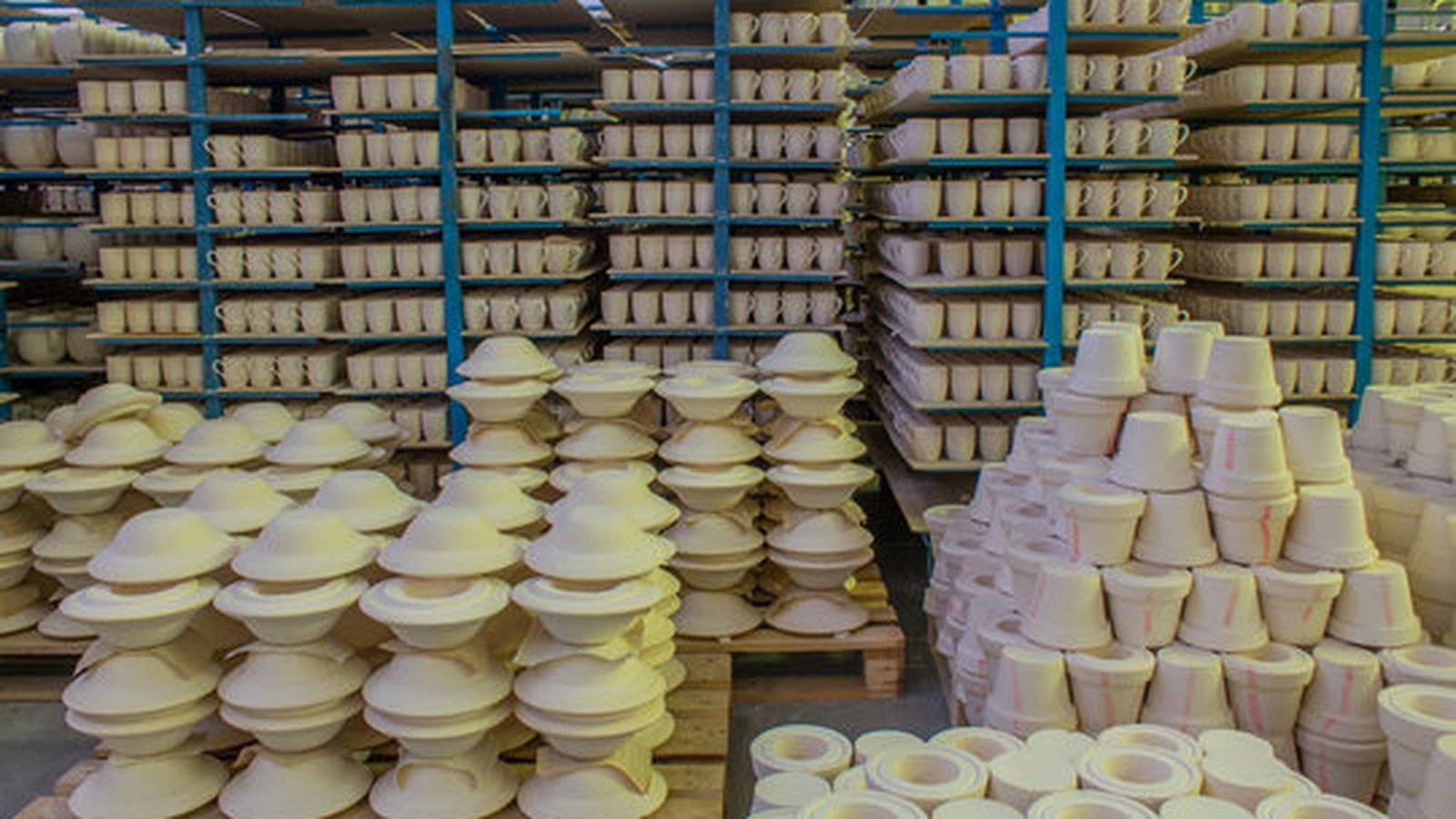
    Ceramic blanks drying on racks in a porcelain factory

    Chinese ceramic and glassware factories supply a huge share of the world’s dinnerware—from budget stoneware plates to premium bone-china sets. Unit prices are attractive, and custom shapes, glazes, and printing are mature. But these products are fragile, food-contact-regulated, and prone to specific defects (warping, pinholes, uneven rims). This guide covers materials, QC, compliance, and packaging.

    1. Ceramic Categories and Glazes

    • Bone china. Premium, lightweight, translucent. The highest tier.
    • Fine porcelain / new bone. Mid-premium; glossy and durable.
    • Strengthened porcelain (强化瓷). Chip-resistant; the workhorse for restaurants and retailers.
    • Stoneware (炻器). Matte, rustic, heavy; on-trend for modern tableware.
    • Earthenware. Budget, less durable; mainly for decor.

    Glazes matter: a good glaze is even, food-safe, and chip-resistant. Reject products with visible pinholes, orange-peel texture, or uneven color.

    2. Glass Categories

    • Soda-lime glass. The standard for everyday cups, plates, and jars. Cheaper but heavier.
    • Borosilicate glass. Heat-resistant (like Pyrex); used for coffee cups, teapots, and ovenware.
    • Tempered glass. Safety glass that shatters into small pieces; used for dinnerware and cookware.
    • Crystal / lead-free crystal. Premium, light-refractive; usually soda-lime with mineral additives.

    3. QC: The Defects That Matter

    • Warpage. Plates should sit flat without rocking; cups should not wobble.
    • Pinholes and bubbles. Especially on the food-contact surface; visible in glazes.
    • Color consistency. Between pieces and between batches; glaze color shifts are common.
    • Rim smoothness. Cup rims should be smooth to the lip—rough rims are a real complaint.
    • Glaze coverage. No unglazed patches inside; no dripping glaze on the bottom.
    • Print alignment. Logos and patterns should be centered and even.

    4. Food-Contact Compliance: Lead and Cadmium

    Because ceramics and glass touch food, lead and cadmium migration is the key regulatory issue:

    • US FDA. Sets limits for lead and cadmium leaching from ceramicware; items must pass migration testing.
    • EU Council Directive 84/500/EEC. The European framework for lead and cadmium release from ceramic articles.
    • Test reports. Require an FDA/EU migration test from an accredited lab (SGS, Intertek, TÜV). This is not optional for dinnerware.

    Cheap colored glazes—especially red, orange, and yellow—are historically high in cadmium. Always test colored interiors.

    5. Clusters, MOQ, and Packaging

    • Chaozhou (Guangdong). China’s largest ceramic dinnerware hub; strong for glazed and printed tableware.
    • Zibo (Shandong). Stoneware and hotel tableware.
    • Tangshan (Hebei). Bone china and premium porcelain.
    • Glassware clusters: Shanxi (daily glass), Jiangsu (high-end).

    MOQ is typically 1,000–3,000 pcs per shape for custom glaze; existing catalog items start at 300–500 pcs. For custom shapes, mold fees apply.

    Packaging is critical for fragile goods. Require:

    • Individual bubble or foam wrapping for each piece
    • Double-wall export cartons
    • A drop-test of master cartons before bulk shipping
    • Moisture protection for long sea voyages

    Breakage in transit can exceed 10% if packaging is weak—never skip the packaging QC step.

    6. Decoration: Printing, Decal, and Hand-Painting

    The decoration method drives both cost and compliance. Silk-screen printing is cheapest for simple logos; decal (heated-on transfers) gives multi-color patterns; hand-painting is premium but expensive and inconsistent. For food-contact items, confirm that the decoration ink itself is food-safe—a beautiful printed mug that leaches lead from the decal is a recall waiting to happen. Always require a migration test that includes the decorated surface, not just the plain glaze.

    For glassware, decoration options include sandblasting, color coating, and electroplating (metallic finishes). Metallic coatings are the most common source of nickel migration complaints, so test them specifically if your glassware has metallic rims.

    7. Lead Time and the Firing Constraint

    Ceramic production has a hard constraint: firing. Each piece must be bisque-fired, glazed, and glaze-fired, which takes days and cannot be rushed without risking defects. Typical lead time for custom ceramicware is 45–60 days; glassware is faster (25–40 days). Plan accordingly and never ask a ceramic factory to speed up firing—you will receive cracked or warped pieces. For a new product line, start with existing molds (which Chaozhou factories stock by the thousand) and invest in custom shapes only after the design proves itself. Finally, price landed cost carefully—breakage and packaging add 15–25% on top of FOB, so bundle dinnerware into sets and budget for replacement claims from day one—even with perfect packaging, 1–3% breakage in transit is normal. Offer buyers a replacement or partial refund rather than a return; shipping a broken plate back costs more than the plate itself. This policy protects customer satisfaction while keeping reverse logistics costs near zero. Always require the lead-and-cadmium migration test report before bulk shipment—food-contact compliance is non-negotiable for dinnerware sold in the US or EU.

    Get a Free Sourcing Consultation →

  • Home Textiles and Fabric Sourcing from China: Materials, QC and Compliance

    Home Textiles and Fabric Sourcing from China: Materials, QC and Compliance

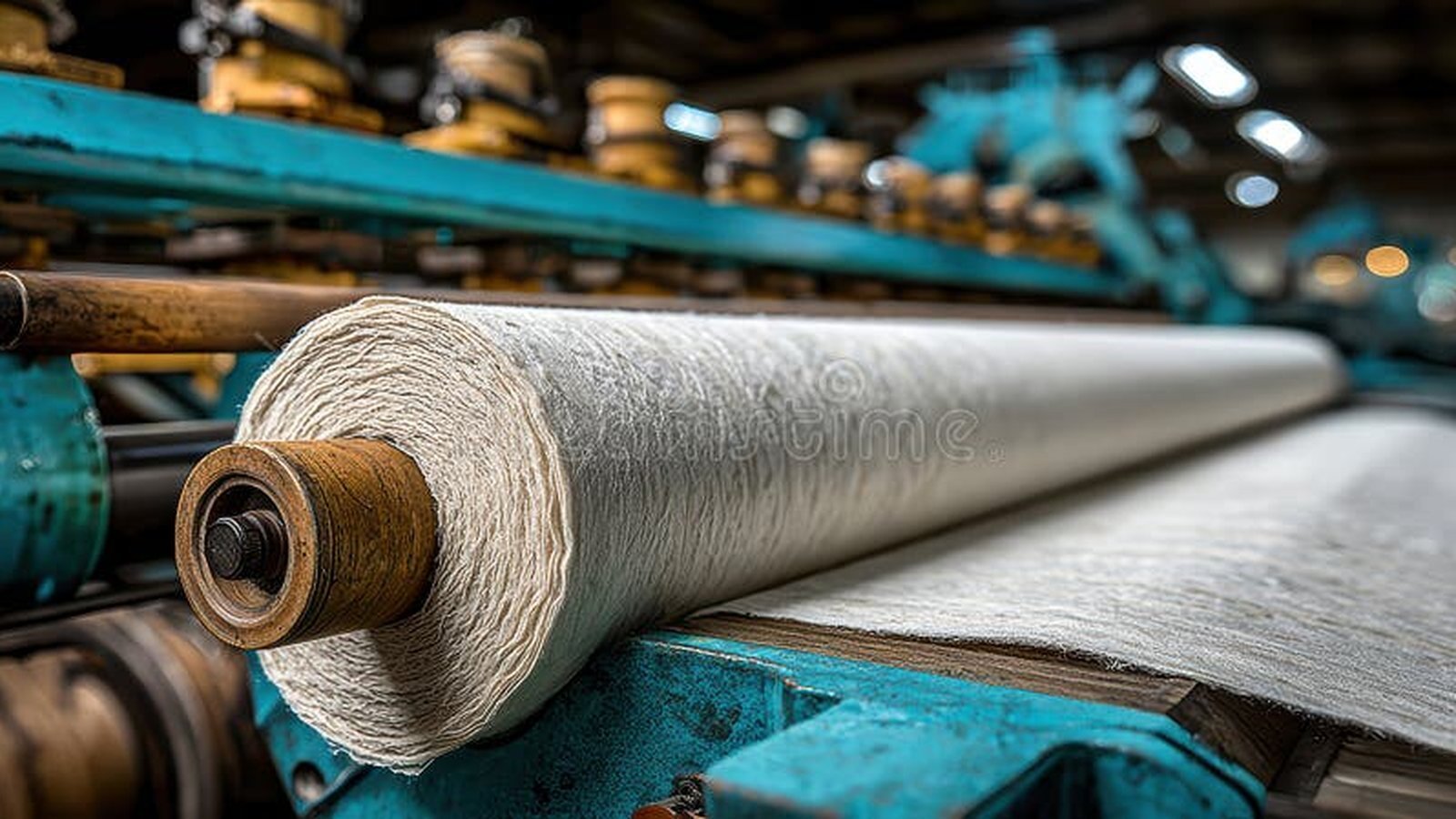
    Roll of fabric on an industrial weaving loom

    China is the world’s home-textiles workshop—bed linen, curtains, towels, carpets, and cushion covers. The country’s clusters in Shaoxing and Nantong can run your design from yarn to finished duvet cover in weeks, at prices 50–70% below European manufacturing. But textiles have hidden quality traps: shrinkage, color fading, pilling, and formaldehyde. This guide covers materials, QC, and compliance.

    1. Categories and Common Fabrics

    • Bedding (duvet sets, sheets). Cotton, cotton-poly blends, microfiber, Tencel.
    • Curtains. Polyester (most common), linen-look, blackout coatings.
    • Towels. Cotton terry; GSM (grams per square meter) determines absorbency.
    • Cushions and throws. Printed or embroidered fabrics.
    • Carpets and rugs. Woven, tufted, or printed.

    Fabric terms to know:

    • Thread count. For cotton sheets, higher is softer but also pricier; 200–400 TC is the sweet spot for retail.
    • GSM. Weight per square meter—higher GSM means thicker and more durable.
    • Brushed / flannel. A raised finish that feels warm; common for winter bedding.
    • Tencel / lyocell. Premium breathable fabric with a silk-like hand.

    2. Weaving and Finishing Processes

    • Printing. Cheap and colorful; can fade over time.
    • Jacquard weaving. Patterns woven in; more durable and premium.
    • Embroidery. Adds texture and perceived value.
    • Yarn-dyed (色织). Fabric is dyed before weaving; colors stay true longer than printed.

    3. QC: The Defects That Actually Happen

    • Shrinkage. After 3 washes, cotton sheets should shrink under 5–6%. Specify pre-shrunk fabric.
    • Color fastness. Rub the fabric 20 times with a wet white cloth; no dye should transfer.
    • Pilling. Run a pilling test; cheap microfiber pills badly.
    • Fabric weight. Verify GSM on a scale—factories sometimes downgrade to a lighter fabric.
    • Sewing and hems. Even stitching, straight hems, loose threads trimmed.

    4. Compliance: Formaldehyde and Flammability

    • OEKO-TEX Standard 100. The most recognized textile safety certificate; limits formaldehyde, dyes, and heavy metals. Require it for bedding and towels sold in the EU/US.
    • Formaldehyde. Cheap dyes and finishes can leave high formaldehyde levels; a lab test is the only way to verify.
    • Flammability. Children’s sleepwear and bedding must meet flammability standards (16 CFR 1632/1633 in the US).

    5. Manufacturing Clusters

    • Shaoxing Keqiao (Zhejiang). China’s largest fabric market; thousands of mills and printing houses. Best for fabric sourcing and custom printing.
    • Nantong (Jiangsu). Home to China’s bed-linen manufacturing; strong for finished duvet sets and towels.
    • Gaoyang (Hebei). Budget towels.
    • Yiwu. Cushions, small textile accessories.

    For private-label home textiles, start with existing catalog fabrics rather than custom weaving—it cuts MOQ from 1,000+ meters to 300–500 pieces and shortens lead time.

    6. Pricing and the Fabric Spec Trap

    Home-textile pricing is dominated by the fabric spec. The same duvet cover design can cost USD 6 in 100% polyester microfiber at 90 GSM, USD 12 in 100% cotton at 200 TC, and USD 25 in long-staple cotton sateen. The visual difference in product photos is small, but the hand feel and durability are night and day. Always request physical fabric swatches before approving a bulk order, and confirm the spec (fiber content, GSM, thread count) on the PO. A common trick is quoting cotton but shipping a cotton-poly blend—only swatches and lab fiber-content testing prevent this.

    Also budget for the finishing steps that make home textiles retail-ready: pre-washing, stone washing, enzyme wash, or softener treatment. These add cost but are what separates a cheap market product from a branded retail one.

    7. Lead Time and Reorder Rhythm

    Custom-printed home textiles typically take 30–45 days from artwork approval to finished goods; plain stock fabrics are faster (15–25 days). For seasonal bedding (winter flannel, summer cotton), plan backwards from your sell date as you would for any seasonal product. The biggest risk is fabric dye lot variation—a reorder printed six months later can be a slightly different shade. To lock consistency, order 20–30% extra fabric in the same dye lot with every bulk order and hold it in your warehouse for future reprints. For a practical start, choose a proven fabric (200–300 TC cotton or brushed microfiber), a print that photographs well, and keep SKU count low; upgrade to premium materials once you have repeat customers. Home textiles are a visual category—your product photos and styling matter more than the fabric spec at launch, so invest in photography and swatch samples that match what you actually ship. A mismatch between listing photo and delivered product is the top cause of textile returns. Also require pre-washed fabric for bedding, since unwashed cotton can shrink dramatically after the customer’s first laundry cycle. Treat OEKO-TEX certification as a baseline requirement, not a differentiator, for any home textile sold in Western markets.

    Get a Free Sourcing Consultation →

  • Eyewear Sourcing from China: Frames, Lenses, Compliance and Manufacturing Clusters

    Eyewear Sourcing from China: Frames, Lenses, Compliance and Manufacturing Clusters

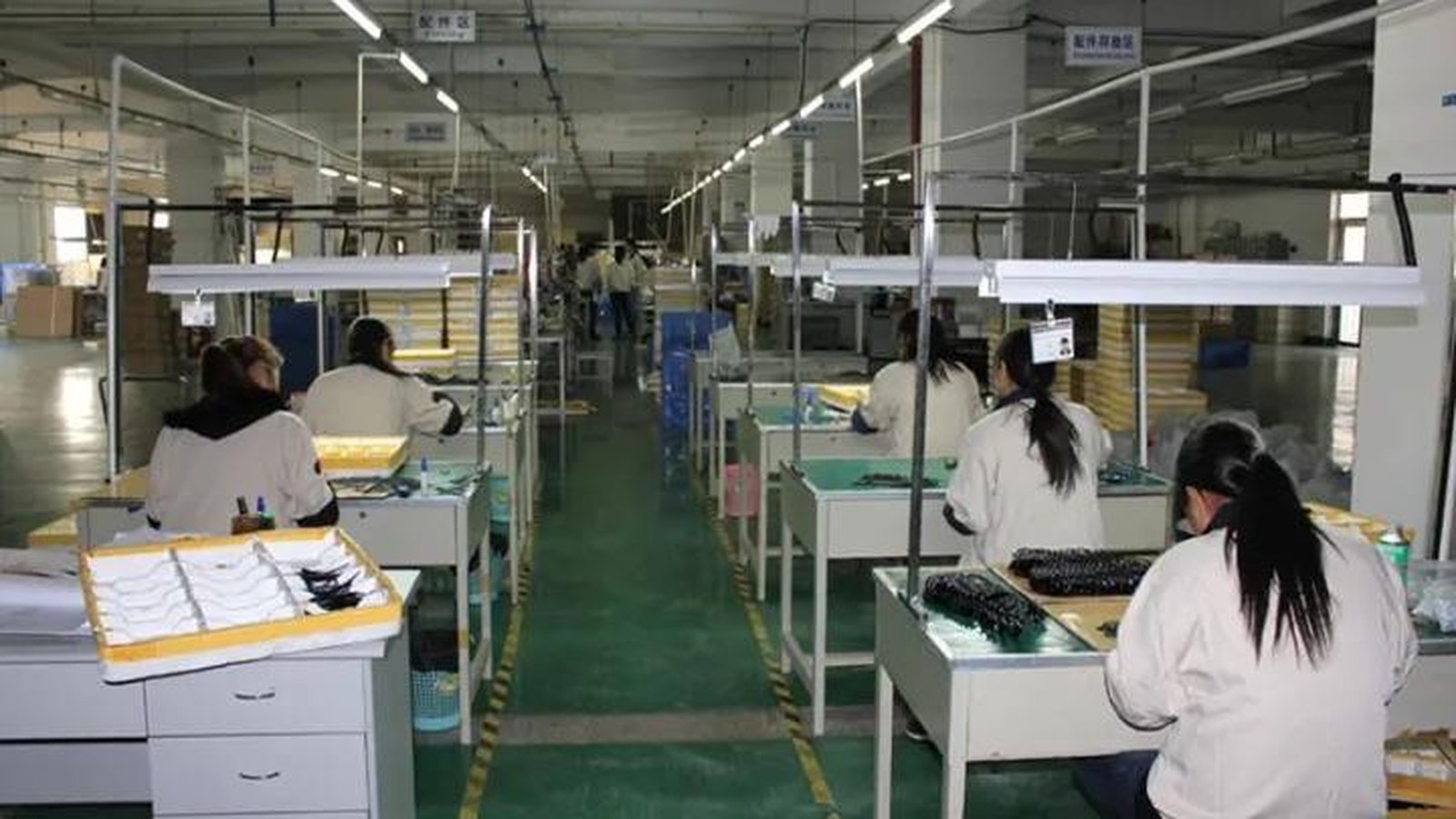
    Eyeglasses production line in an optical factory

    China supplies the vast majority of the world’s eyewear—Danyang alone produces an enormous share of the world’s eyeglass frames. For brands, the opportunity is strong: a pair of acetate frames that retails in Europe for €80 can be sourced FOB for €8–15. But eyewear is a regulated product—optical correctness, UV protection, and impact resistance are not optional. This guide covers materials, QC, compliance, and clusters.

    1. Categories and Frame Materials

    • Optical (prescription) frames. For regular glasses. Materials below.
    • Sunglasses. Fashion and functional; lens UV rating matters.
    • Reading glasses. Pre-made power lenses; price-sensitive.
    • Kids’ eyewear. Flexible materials and stronger safety requirements.

    Frame materials:

    • TR90 (nylon). Flexible, lightweight, budget-friendly. The most common export material.
    • Acetate (cellulose acetate). Premium, glossy, hand-finished. The material of choice for fashion frames.
    • Metal. Stainless steel, alloy, and—premium—titanium (lightweight, hypoallergenic).
    • Injection plastic. Budget mass-market.

    2. QC: What to Inspect

    • Lens power accuracy. For prescription glasses, verify the diopter matches the spec; off by more than the allowed tolerance makes the product unusable.
    • UV protection. Sunglasses must block UV400 (99–100% UVA/UVB). Test with a UV meter.
    • Coating quality. Anti-reflective and anti-scratch coatings should be even, with no streaks.
    • Hinges and screws. Open/close 500 times; hinges should not loosen, screws should not fall out.
    • Fit and symmetry. Frame should sit evenly; temples should match; no crooked front.
    • Finish. No scratches, plating runs, or glue marks.

    3. Compliance: The Standards You Must Meet

    • US FDA. Eyewear sold in the US must meet impact-resistance requirements (21 CFR). Prescription lenses must be safety-certified.
    • CE marking. Mandatory in the EU under the relevant directives.
    • ANSI Z80.3. The US standard for non-prescription eyewear and sunglasses; many retailers require it.
    • EN ISO 12312-1. The EU standard for sunglasses, covering UV protection and transmittance categories.
    • Children’s eyewear. Additional impact and chemical-safety requirements.

    Always ask the factory which test reports they already hold for your target market. A factory without any of these certifications should not be considered for a serious brand.

    4. Manufacturing Clusters

    • Danyang (Jiangsu). The world’s eyeglass frame capital. Strong for optical frames, reading glasses, and mid-market sunglasses.
    • Wenzhou (Zhejiang). Budget frames and sunglasses.
    • Shenzhen (Guangdong). Premium acetate and titanium frames; export-oriented.
    • Xiamen (Fujian). Strong sunglasses and optical manufacturing.

    5. Sampling and Small-Batch Workflow

    For a new eyewear brand, the realistic path is:

    • Select 2–3 frame styles from the factory’s existing catalog (lowest risk, MOQ 300–500 pcs).
    • Order 5–10 samples to check fit, weight, and lens compatibility.
    • Customize logo, color, and packaging; approve a production sample.
    • For custom shapes, expect mold fees (USD 1,000–5,000) and MOQ 1,000+ pcs.

    Eyewear is a category where fit matters more than price. Testing samples on real faces before bulk is non-negotiable.

    6. Lens and Prescription Workflow

    If you sell prescription glasses, the lens-side workflow is separate from frame sourcing. Lenses are usually cut and edged to order by a local lab, not in China. For finished sunglasses and reading glasses, the factory installs the lenses during frame assembly. Confirm whether your supplier can source prescription-ready frames (with correct lens curvature) or only finished sunglasses. Mixing imported frames with locally edged lenses is the standard model for most eyewear brands—it gives you frame design flexibility while keeping prescription service close to your customer.

    Also confirm the factory’s UV testing capability. A UV400 claim without a lab report is unverifiable; ask for the actual transmittance test report for your lens style.

    7. Margin and Pricing Structure

    Eyewear has one of the highest retail markups of any consumer product—an FOB frame of USD 10–15 typically retails for USD 80–150. That margin allows room for compliance testing, custom packaging, and a brand story. The main cost drivers are frame material (acetate costs 3–5x TR90), lens quality, hinge hardware, and finishing. For a new brand, start with TR90 or budget acetate frames to keep landed cost under USD 20, then move to premium acetate and titanium once you have sales volume. Never compromise on UV certification—a sunglasses brand that fails UV testing will not survive its first recall. For a practical first order, pick two or three proven catalog frame styles, customize color and logo, and keep lenses simple (clear or standard UV400); this keeps MOQ low and avoids prescription compliance complexity. Once your brand has traction, add acetate, titanium, and prescription-ready SKUs. The eyewear market rewards brands that get fit and UV protection right the first time; cheap frames that fail on either front get returned immediately. Most successful eyewear brands start with two or three signature shapes rather than a wide catalog; depth of design beats breadth at launch.

    Get a Free Sourcing Consultation →

  • Jewelry Sourcing from China: Categories, QC, Compliance and Shenzhen Shuiwei

    Jewelry Sourcing from China: Categories, QC, Compliance and Shenzhen Shuiwei

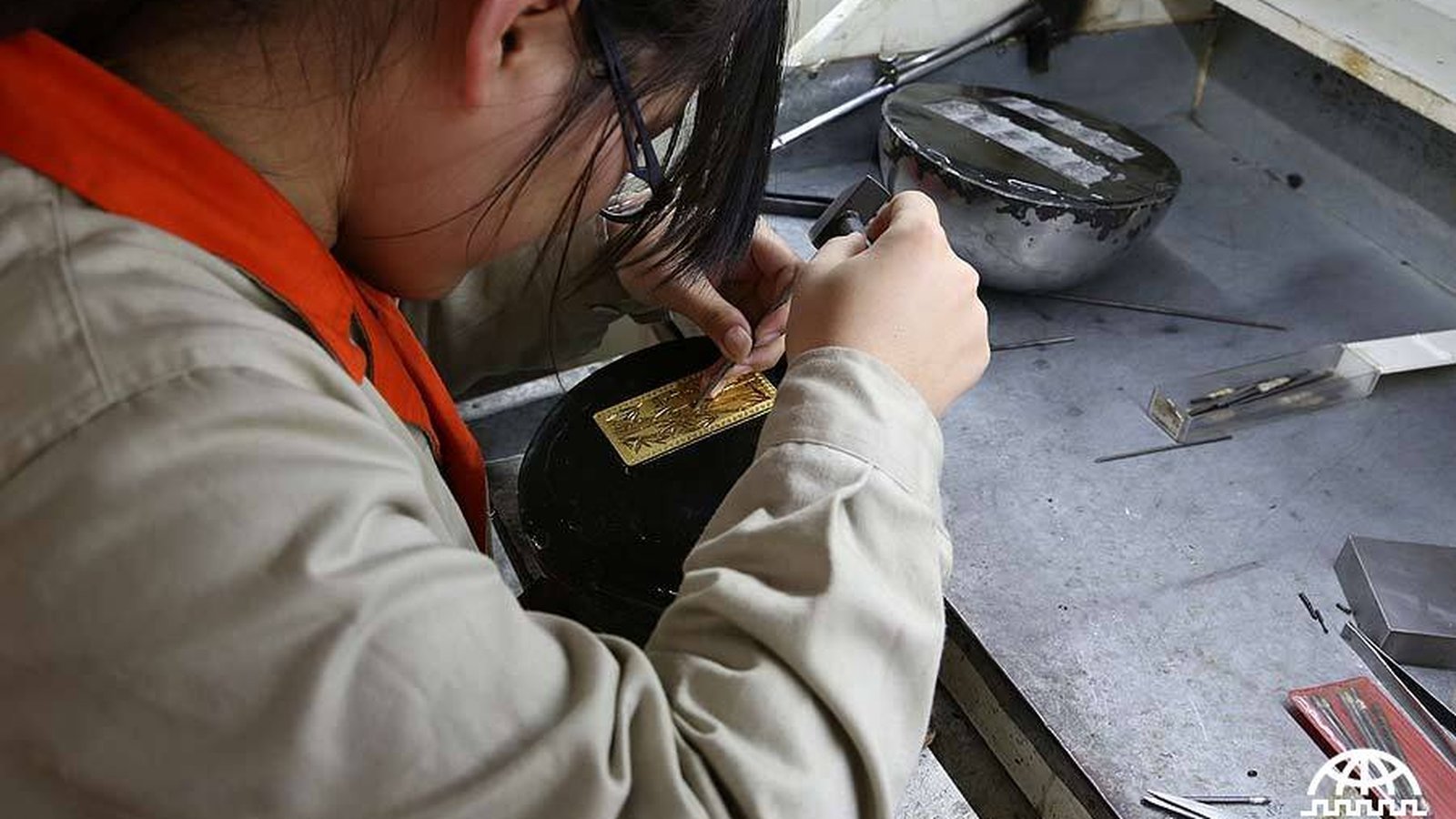
    Gold jewelry craftsman working at a bench

    China is the world’s largest jewelry manufacturer—Shenzhen alone produces a huge share of the world’s silver and gold accessories. For DTC brands, the appeal is obvious: a 925 silver necklace that retails in the US for USD 40 can be sourced FOB for USD 4–8. But jewelry carries specific compliance risks (nickel allergy, lead content, plating wear) and counterfeit-quality issues. This guide covers categories, processes, QC, and export compliance.

    1. Jewelry Categories and Their Clusters

    • Sterling silver (925). The most common export material. Made mainly in Shenzhen Shuiwei (Luohu) and Panyu.
    • K-gold and solid gold. High-value; Shenzhen and Guangzhou. Need assay certification.
    • Alloy / fashion jewelry. Zinc alloy with plating. Yiwu dominates; very low unit cost.
    • Pearls. Zhuji (Zhejiang) is the freshwater pearl capital.
    • Stainless steel jewelry. Tarnish-free, hypoallergenic, popular for men’s and waterproof brands. Made in Guangdong.
    • Jade and gemstone. Run of mines and carving hubs in Guangzhou and Suzhou.

    2. Manufacturing Processes

    Most fine jewelry is made by lost-wax casting: a wax model is investment-cast, then the piece is cleaned, polished, plated, and set with stones. Fashion alloy jewelry uses die-casting. Know which process your product uses—it affects detail quality and unit cost.

    • Plating. Rhodium on silver prevents tarnish; gold plating thickness matters. Specify 0.5–1 micron plating for durability.
    • Stone setting. Prong, bezel, pavé, or glue-in. Glued stones fall out; prong-set stones last.

    3. QC: The Defects and Tests That Matter

    • Metal purity. For sterling silver, require an XRF or assay certificate confirming 92.5% silver. “Silver-colored alloy” is not sterling silver.
    • Plating thickness and adhesion. Rub the piece 50 times with a cloth; plating should not wear off.
    • Stone security. Shake the piece; no stones should rattle or fall out.
    • Allergy screen. Nickel and lead content testing is mandatory for skin-contact jewelry in Western markets.
    • Finish. No scratches, no rough edges, no plating runs.

    4. Export Compliance: Nickel, Lead, and Cadmium

    This is the most common reason jewelry gets detained in the EU or US:

    • EU REACH limits nickel release from skin-contact items to 0.5 µg per cm² per week (and 0.2 µg for posts). This is the single most-tested jewelry limit.
    • Lead and cadmium. US CPSIA limits lead in children’s jewelry to 100 ppm; the EU has similar limits.
    • Certification. Require an SGS/BV test report for nickel, lead, and cadmium before bulk shipment.

    Cheap alloy jewelry from Yiwu frequently fails nickel testing. If your brand sells in the EU, budget for compliance testing.

    5. MOQ, Pricing, and Design Protection

    • Sterling silver pieces: MOQ 50–200 pcs per design.
    • Fashion alloy: MOQ 300–1,000 pcs.
    • Sample fees: USD 30–100 per design, plus metal weight cost.

    To protect your designs, file a design patent or registered community design before tooling, share CAD files only under NDA, and avoid uploading your designs to public B2B platforms where competitors can copy them. Shenzhen’s Shuiwei jewelry market is so dense that a popular design is copied within weeks.

    6. Working with a Jewelry Factory vs a Trading Company

    Jewelry is a category where the factory/trading company distinction matters more than most. A real jewelry factory has its own casting, polishing, and plating benches; a trading company simply resells factory stock. For private-label brands, a factory that can do custom stone setting and plating in-house gives you far more control over finish quality. Ask for a video walkthrough of the workshop, and request to see the XRF purity testing equipment—factories that measure silver purity in-house are the ones that can meet Western compliance.

    For small orders (under 200 pcs), a trading company may be the only practical option because factories have high minimums. But once you scale above 500 pcs per style, moving to a direct factory typically cuts your unit cost by 20–35% and improves QC.

    7. Pricing Realities and Sample Strategy

    Jewelry pricing is driven by metal weight, not just piece count. A sterling silver piece costs roughly the silver spot price plus a 30–60% making charge; as silver prices fluctuate, factory quotes change weekly. Always ask whether the quote is based on current metal weight or locked. For samples, budget USD 30–100 per piece plus metal cost, and expect 7–15 days for casting and finishing. Order 3–5 samples of a design to check consistency—handmade jewelry varies more than injection-molded goods, and the sample you approve should represent the average of the production run. Finally, remember jewelry is a repeat-purchase category—a supplier that nails plating and stone-setting on your first order is worth keeping for years; switch only for clear quality failures, not a 5% price difference. Jewelry customers notice finish quality immediately, and a single bad batch can damage a brand permanently.

    Get a Free Sourcing Consultation →

  • Bags and Luggage Sourcing from China: Materials, QC and Manufacturing Clusters

    Bags and Luggage Sourcing from China: Materials, QC and Manufacturing Clusters

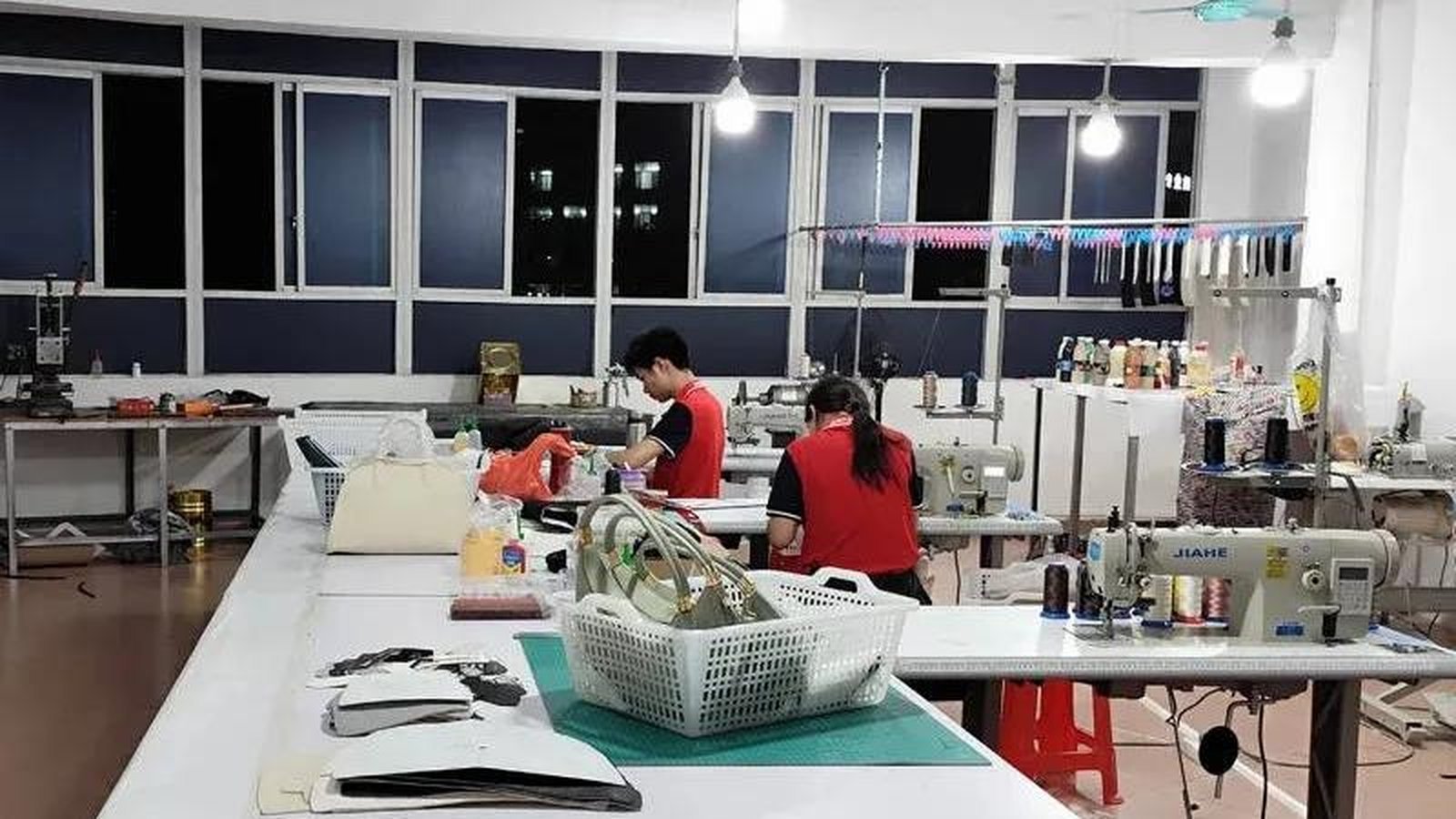
    Leather bag factory sewing workshop in Guangzhou

    China makes the majority of the world’s bags—backpacks, handbags, luggage, wallets, and laptop cases. Unit prices are a fraction of Western retail, and private-label customization is straightforward. But bags fail in predictable ways: broken zippers, torn seams, weak handles, and suitcase wheels that crack after two trips. This guide covers materials, hardware, QC checkpoints, MOQs, and the manufacturing clusters to target.

    1. Categories and Materials

    • Backpacks and laptop bags. Usually polyester or nylon (420D, 600D, 900D denier). Higher denier = tougher. PU leather trim is common for premium looks.
    • Handbags and wallets. PU leather dominates the mid-market; genuine leather is used for high-end goods. Watch for “genuine leather” claims that are actually split leather or bonded leather.
    • Rolling luggage. PC (polycarbonate) shells are lightweight and impact-resistant; ABS is cheaper but heavier. Look for aluminum trolley systems and quiet spinner wheels.
    • Travel accessories. Cosmetic bags, duffels, packing cubes—usually polyester with custom printing.

    2. Hardware: Zippers and Buckles That Make or Break the Bag

    Most bag complaints trace back to hardware. Specify on your PO:

    • Zippers. YKK is the premium standard; SBS and YCC are acceptable budget alternatives. Avoid unnamed zippers.
    • Sliders and pulls. Metal sliders outlast plastic; pulls should be riveted, not glued.
    • Buckles and snaps. Test for 500+ open/close cycles; zinc alloy is better than iron.
    • Luggage wheels. Double spinner wheels with sealed bearings roll smoothly; cheap wheels crack within months.

    3. QC: The Defects That Actually Happen

    Inspect these points before shipment:

    • Stitching. Even stitch density, no skipped stitches, no loose threads. Stress points (handles, straps) should have reinforced bartacks.
    • Zipper function. Run every zipper 10 times; it should not snag or separate.
    • Weight test. Backpacks and luggage should hold 2–3 times their rated load without strap failure.
    • Symmetry and alignment. Pockets, straps, and logos must be centered; crooked stitching is the #1 visual defect.
    • Material match. Confirm the spec’s denier and leather grade against the sample—factories quietly downgrade fabric.

    4. MOQ and Sampling

    Typical MOQs from Chinese bag factories:

    • Custom backpacks with your logo: 300–500 pcs
    • Handbags/wallets: 200–500 pcs
    • Rolling luggage: 300–500 pcs (mold cost may apply for custom shapes)
    • Printed polyester accessories: 500–1,000 pcs

    Sample fees range USD 50–200 per style, refundable at bulk order. Approve the physical sample in writing before mass production—this is the single most effective step to prevent sample-to-bulk mismatch.

    5. Manufacturing Clusters: Where to Source What

    • Guangzhou Huadu (Guangdong). Handbags, ladies’ bags, leather goods. The densest leather-bag cluster in China.
    • Pinghu (Zhejiang). Backpacks, school bags, laptop bags. Strong for mid-market everyday bags.
    • Baigou (Hebei). Budget luggage, wallets, briefcases. Best for price-sensitive mass-market goods.
    • Quanzhou (Fujian). Backpacks and outdoor bags.

    Private-label customization—your logo, colors, interior lining, and packaging—is standard across all clusters. Communicate tech packs (dimensioned drawings, material specs, Pantone colors) rather than relying on verbal descriptions.

    6. Pricing: What Makes a Bag Expensive or Cheap

    The same backpack design can range from USD 3 to USD 30 FOB. The drivers are: fabric denier and quality, hardware brand (YKK vs no-name), lining material, zipper and buckle grade, stitching precision, and packaging. A USD 8 backpack from Baigou with no-name zippers will look fine in photos but will fail within months; a USD 18 bag from Pinghu with YKK zippers and reinforced straps will last years. Always ask the factory to list the brand of every hardware component—that single line item explains most of the price gap.

    For luggage, the big cost variables are shell material (PC vs ABS), trolley system (aluminum vs steel), wheel quality, and interior organizer design. Specify each on your tech pack, and ask for a sample before committing to a 500-piece order.

    7. Common Sourcing Mistakes to Avoid

    The most expensive bag-sourcing errors are: choosing a supplier based only on price without checking hardware brands; approving a sample but not a production sample; skipping the weight test on straps; and not specifying fabric denier on the PO. Another common mistake is ordering custom luggage shapes without accounting for mold fees—these can run USD 3,000–10,000 and are non-refundable. Start with catalog shapes, prove the model, then invest in custom tooling once sales data justifies it. For most new bag brands, the winning formula is: pick a proven catalog style, upgrade hardware to YKK, specify slightly heavier fabric, and private-label your logo and packaging. This beats trying to design a fully custom bag on the first order—the tooling cost and risk are far higher, and the market rarely rewards it. Once a style sells well, you can iterate on it with custom colors, upgraded lining, and private-label packaging without re-engineering the bag itself.

    Get a Free Sourcing Consultation →