分类: China Procurement

  • Auto Parts Sourcing from China: OEM vs Aftermarket, Certifications & QC

    Auto Parts Sourcing from China: OEM vs Aftermarket, Certifications & QC

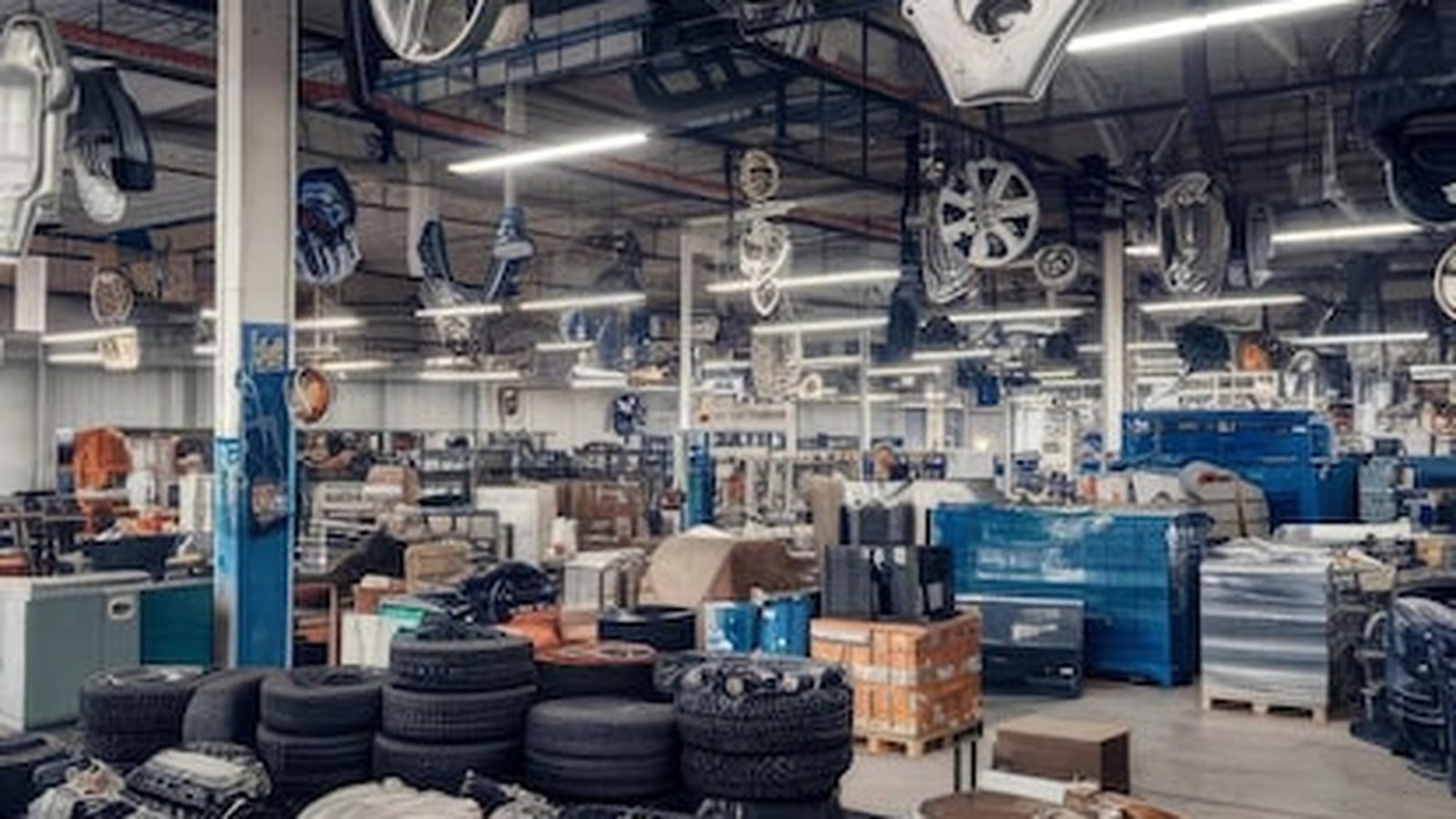
    Auto engines, wheels and rims in an auto parts factory warehouse

    China is a giant in auto parts — everything from interior trim and filters to brake pads, lights and wheels. But automotive is a high-stakes category: a failed brake or light part is a safety and liability issue, and counterfeit parts are a real risk. This guide covers the product range, OEM vs aftermarket, the certifications that matter, and how to QC and protect against imitation.

    Fitment and the wrong-part problem

    The single biggest aftermarket headache is selling a part that does not actually fit. Auto parts are model-, year- and trim-specific, so a “fits Toyota” listing that misses one variant returns half your orders. Before listing, pin down the exact vehicle fitment, confirm it with the supplier, and build a clear compatibility table. For the buyer, demanding fitment data and cross-references up front prevents returns — and for the factory, accurate fitment documentation is a sign of a serious aftermarket supplier.

    Starting small in auto parts

    Because automotive liability is high, enter cautiously. Begin with cosmetic, non-safety parts — trim pieces, grilles, interior accessories — where a mismatch costs an ugly return, not a safety claim. Build supplier trust and quality control on lower-risk parts first, then move toward filters and other wear items, and only source safety-critical parts once you have the certifications, test reports and QC process in place. This staged approach protects both your customers and your brand.

    The product range

    • Interior and exterior trim — plastic and metal body parts, grilles, trim pieces.
    • Wear and service parts — filters, brake pads, wipers.
    • Lighting and wheels — lamps and alloy wheels.

    Most aftermarket buyers source parts like filters, trim and lights — the easier, lower-liability entry points.

    OEM vs aftermarket (AM)

    OEM parts are built to the car-maker’s specification, often under a supplier contract. Aftermarket (AM) parts are made to fit the same vehicles but by other manufacturers, usually cheaper and sold through the replacement market. As an importer you almost always deal in AM parts — which means confirming fitment and quality yourself rather than relying on the car brand’s validation.

    Materials and processes

    Auto parts use injection molding (trim), stamping (metal brackets), and aluminum casting (wheels and housings), plus rubber and friction materials (brake pads). The process dictates the part’s strength and tolerances, so ask how the part is made and from what material.

    Certifications: IATF 16949, ECE, DOT, SAE

    Serious auto suppliers work to IATF 16949, the automotive quality-management standard. Lamps and safety parts sold in the EU need ECE approval; those for the US market need relevant DOT/SAE compliance. For safety-critical parts, the certification and the test report are non-negotiable — they are also your legal protection.

    QC, anti-counterfeiting and traceability

    • Dimensional and material checks — verify fitment dimensions and material reports on critical parts.
    • Bench / performance testing where the part demands it (braking, light output, filter efficiency).
    • Anti-counterfeit traceability — buy directly from known factories, demand batch records, and avoid no-name parts for safety-critical use.

    Clusters and supplier selection

    Auto parts cluster across Guangdong, Jiangsu and Zhejiang, each with its own specialties — trim and electronics in the south, mechanical and wear parts elsewhere. When choosing a supplier, look for evidence of IATF 16949 certification and existing aftermarket customers, not just a cheap quote. Ask whether the factory already exports to your market, because a supplier familiar with US or EU requirements will have the ECE/DOT paperwork sorted. Avoid factories that cannot produce fitment data or test reports on demand.

    Packaging and aftermarket resale

    Aftermarket buyers judge a part partly by its box. Automotive parts need packaging that protects machined surfaces during storage and shipping, and that shows brand credibility on a shelf. Corrosion protection on metal parts, anti-scratch film on trim, and clear labeling with the part number and fitment all reduce returns and complaints. Ask the factory whether it provides retail packaging — many established AM suppliers do, and it saves you a separate packaging step.

    The bottom line

    Auto parts sourcing is rewarding but demands rigor. Start with aftermarket service and trim parts, confirm fitment, and insist on IATF 16949 and the right ECE/DOT/SAE certifications for safety-critical pieces. QC dimension and material, and keep batch traceability — in auto parts, provenance is protection. Start small on trim, prove your supplier on fitment and quality, and scale up only when the paperwork and test reports are solid; that path keeps both your customers and your business out of trouble. Start with trim, nail the fitment data, and only move toward safety-critical parts once the certification trail is complete. In auto parts, a slower, verified ramp beats a fast order that later needs a recall. Treat fitment accuracy and certification documents as your two non-negotiables, and the rest follows. Start small, verify everything, then scale.
    Get a Free Sourcing Consultation →

  • Bathroom & Sanitary Ware Sourcing from China: Materials, Certification & QC

    Bathroom & Sanitary Ware Sourcing from China: Materials, Certification & QC

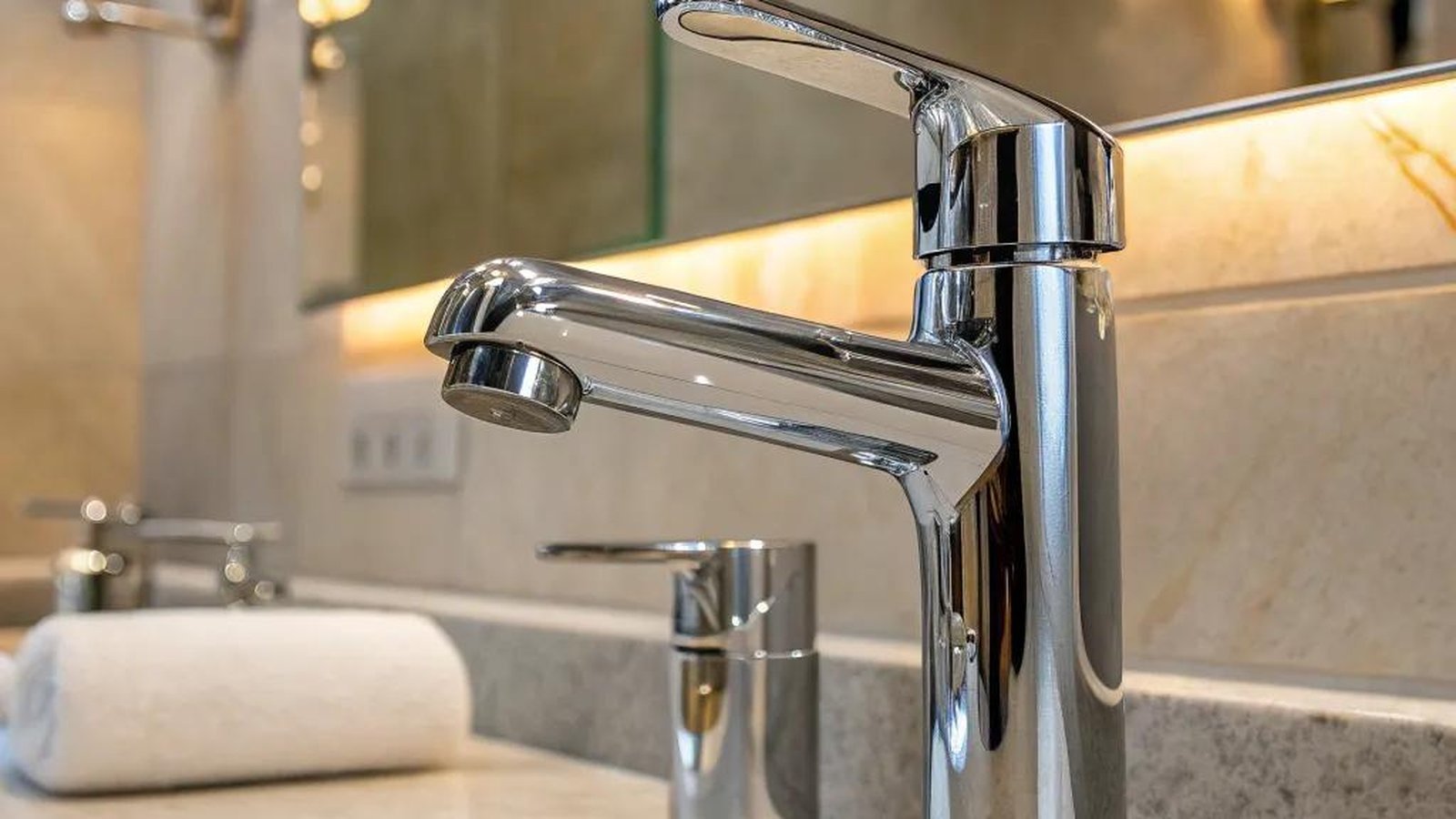
    Chrome bathroom faucet on a modern sink in a bathroom

    China supplies the world’s bathroom fixtures, from faucets and showers to toilets and vanities, with deep clusters in Chaozhou, Foshan and Xiamen. But bathroom hardware sits under strict water and lead rules, and a leaky or corroded faucet is a warranty nightmare. This guide covers materials, the certifications you need, and the QC that catches problems before the product ships.

    The hidden cost of bathroom failures

    Bathroom fixtures are installed once and expected to last years, which is why failures hurt so much. A leaking cartridge, a corroded chrome finish or a cracked ceramic does not just mean a refund — it means a warranty claim, possible water damage in a customer’s home, and returns that wipe out margin. This is why the cheapest faucet is rarely the cheapest over its life. Spend on brass bodies, a recognized cartridge and proper plating, and you buy years of no-warranty-claims peace of mind.

    Sampling and testing before bulk

    Always order physical samples and run them before bulk. Fit the faucet, check the handle feel, run water through it, and look closely at the plating. Ask the factory which models already hold the test reports you need for your market — a factory with established NSF/CEC reports for a faucet has already done the compliance legwork, saving you cost and time. Avoid models that need brand-new certification from scratch unless you have budget and schedule.

    Categories and materials

    • Faucets and showers — usually brass (premium, heavy), stainless steel (modern, lighter), or zinc/ABS (budget).
    • Toilets and basins — ceramic, with the glaze quality critical.
    • Bathroom vanities — cabinets combined with basins.

    The internal ceramic cartridge is the part that determines how long a faucet lasts — specify a recognized cartridge brand where quality matters.

    Compliance: low-lead and water standards

    Because fixtures touch drinking water, material compliance is serious. For the US market, faucets must meet low-lead requirements such as NSF/ANSI 61 and California AB1953, and California also has CEC efficiency and WaterSense considerations. For Europe, relevant EN sanitary standards apply. Require test reports for the exact model — do not accept a generic “compliant” answer.

    QC: pressure, plating and glaze

    • Water pressure / flow testing — faucets and showers must pass pressure and leak tests.
    • Plating / salt spray — chrome plating must resist corrosion; request a salt-spray test result.
    • Ceramic glaze — inspect toilets and basins for an even, defect-free, non-porous glaze.
    • Finish consistency — check plating brightness and that handles operate smoothly.

    Clusters and private label

    Sanitary ware clusters are specialized: Chaozhou for ceramics/toilets, Foshan for faucets and hardware, Xiamen for adjacent products. Sourcing within the right cluster means the factory already knows its product category and the relevant tests. Private labeling your brand on fixtures is standard, with MOQs that vary by product.

    Product categories beyond faucets

    Beyond faucets, the sanitary range includes shower sets (rainfall heads, hoses, mixers), complete toilets, vanity basins, and bathroom furniture. Each has its own QC — toilets need flush performance and crack-free glazing, shower sets need consistent pressure and anti-scald safety. Buying a coordinated range from one cluster lets you build a complete bathroom collection rather than mixing mismatched suppliers. For ceramic products in particular, Chaozhou factories already run the glazing and firing at scale.

    Finishes and design

    Chrome is the classic finish, but brushed nickel, matte black and other PVD finishes let you modernize a bathroom line. Finish choice affects plating cost and the salt-spray requirement — darker matte finishes often hide minor imperfections but cost more. For private label, design around a coordinated range: matching faucets, shower and accessories create a premium impression that a single faucet cannot. Confirm the finish samples under your own lighting, since chrome reflections look different in a showroom than on a customer’s wall.

    The bottom line

    Bathroom fixtures sourcing lives on compliance and durability. Specify brass bodies and quality ceramic cartridges, demand low-lead NSF/AB1953 and EN test reports, and QC with pressure, salt-spray and glaze checks. Match the product to its cluster — ceramics to Chaozhou, faucets to Foshan — for the most reliable supply. In a category where a bad faucet means a flooded customer bathroom, paying up for brass, a good cartridge and valid certification is the cheapest insurance you will buy. Build a coordinated range, demand the right test reports, and you will sell fixtures that hold up for years instead of returning for replacements. Order samples, run them, and only then place the bulk order. A faucet that arrives already holding the right market reports saves you the cost and delay of new certification. That alone makes choosing an export-ready supplier worth more than the lowest unit price. For bathroom goods, durability is the real product. A long-lasting fixture builds repeat buyers; a leaky one does not.

    Get a Free Sourcing Consultation →

  • Freshwater Pearl Sourcing from China: Grading, Origins & Buying Guide

    Freshwater Pearl Sourcing from China: Grading, Origins & Buying Guide

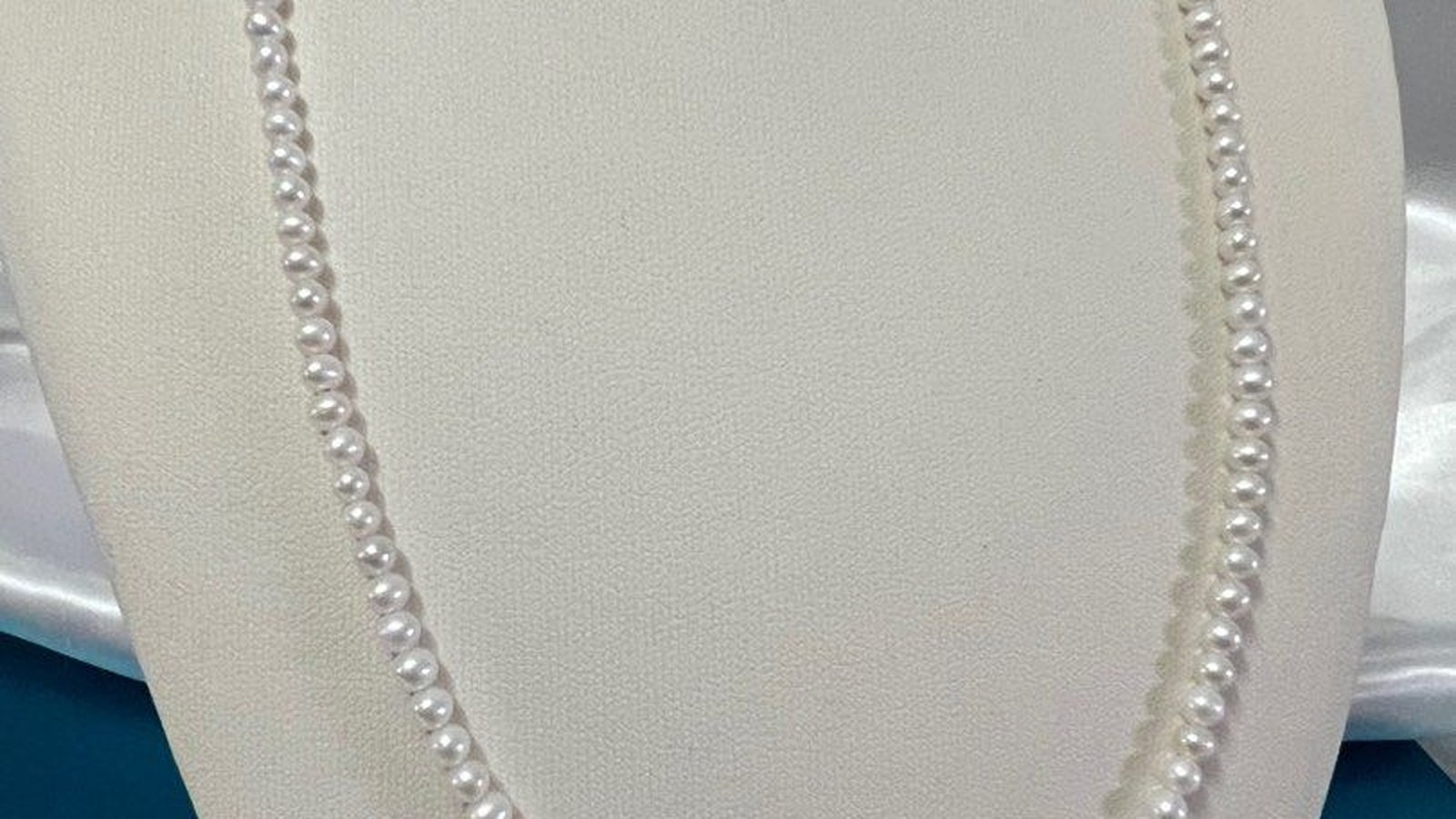
    Strand of white freshwater pearls on a jewelry display bust

    China produces the majority of the world’s freshwater pearls, centered on Zhuji’s Xiahu Lake area in Zhejiang. Sourcing pearls directly from the origin is dramatically cheaper than retail — but it is also a category where grading is subjective and “treated” product is everywhere. This guide explains how pearls are graded, what to watch for, and how to buy with confidence.

    Buying in the origin cluster

    Shopping in Zhuji means walking through wholesale markets and grading halls where thousands of strands and loose beads are sorted by grade. The advantage is that you can physically compare luster side by side — luster is impossible to judge from a photo or a video call. Build a relationship with one honest sorter rather than hopping between stalls, because consistency of grade between orders matters far more than a single bargain. For repeat buyers, a trusted supplier who sorts to your spec every time beats chasing the lowest price.

    Pricing realistically

    Pearl pricing is not linear. A slightly rounder, higher-luster strand of the same size can cost several times a mediocre one. Set your target grade and budget before you buy, and decide what “good enough” means for your market — wholesale buyers often overspend chasing top-grade pearls when mid-grade is what their customers actually pay for. Ask for a mixed sample at a few grades so you can see the jump in quality for your money.

    Where it comes from

    The freshwater pearl industry clusters around Zhuji (Xiahu Lake) and Deqing in Zhejiang, where farms, grading houses and jewelry workshops sit close together. Buying in the origin cluster means access to the whole supply chain: loose beads, strung strands, and setting/processing all in one region.

    The four grading factors

    Pearl quality is graded on four dimensions:

    • Roundness — near-round and off-round are cheaper; perfectly round commands a premium.
    • Luster — the mirror-like reflection that makes a pearl look alive; the most important factor.
    • Surface / cleanliness — spots, bumps and pits lower the grade.
    • Size — larger pearls cost disproportionately more.

    Grades are loosely labeled (such as A, AA, AAA) but these labels are not standardized — inspect the actual beads, not the grade sticker.

    Loose beads vs strands

    You can buy loose pearls (裸珠) to set yourself, or finished strands (串珠) and accessory-made jewelry. Strung strands are already matched for luster and size, which saves grading work but costs more per bead. Loose beads are cheaper but require matching and stringing yourself.

    Treated vs untreated, and spotting dyed pearls

    Most commercial freshwater pearls are treated (bleached, polished, strengthened) to some degree — that is normal. The concern is dyed or color-enhanced pearls sold as natural. Watch for unnaturally uniform, saturated color, a chalky look under magnification, or a price that is too good to be true. For resale, ask whether treatment is disclosed, and keep the supplier’s documentation.

    QC, sorting and price

    Because pearls are natural, sorting and matching is real work. Inspect under good light for luster and surface blemishes, and check that a strand is matched for color and size. Price moves with roundness, luster, size and quality — two strands of similar size can differ wildly in value. Pair with local jewelry processing for finished pieces.

    Pearl care and setting

    Pearls are organic and softer than most gems, so they need gentle handling in setting and everyday wear. If you have pearls set into pendants or rings, use a jeweler experienced with pearls rather than a generic metalworker, because heat and chemicals can damage the nacre. For finished strands, hand-knotting between beads protects them from rubbing and stops the whole strand spilling if it breaks. These finishing details add value and are worth paying for.

    The bottom line

    Freshwater pearls reward buying at the Zhuji origin and inspecting the actual beads. Grade on roundness, luster, surface and size rather than trusting labels, know what treatment is normal, and be wary of suspiciously uniform color. With local grading and jewelry workshops nearby, the origin cluster is the most efficient place to build a pearl line. Buy on sight, trust a consistent sorter, and match the grade to your market — done that way, freshwater pearls are a high-margin category that customers perceive as luxury. The biggest mistake buyers make is paying top grade for a market that only wants mid-grade — set your target quality to your customer, and let the rest go. A starter order of mixed-grade samples is the fastest way to learn where your money buys the most luster. Once you know your grade, a repeat supplier sorting to that spec every order keeps your strand quality consistent. Buy a small mixed sample first, inspect it under strong light, and let luster — not the grade sticker — decide. That single habit saves buyers more money than any negotiation.

    Get a Free Sourcing Consultation →

  • Acrylic Sheets & Products Sourcing from China: Cast vs Extruded, Fabrication & QC

    Acrylic Sheets & Products Sourcing from China: Cast vs Extruded, Fabrication & QC

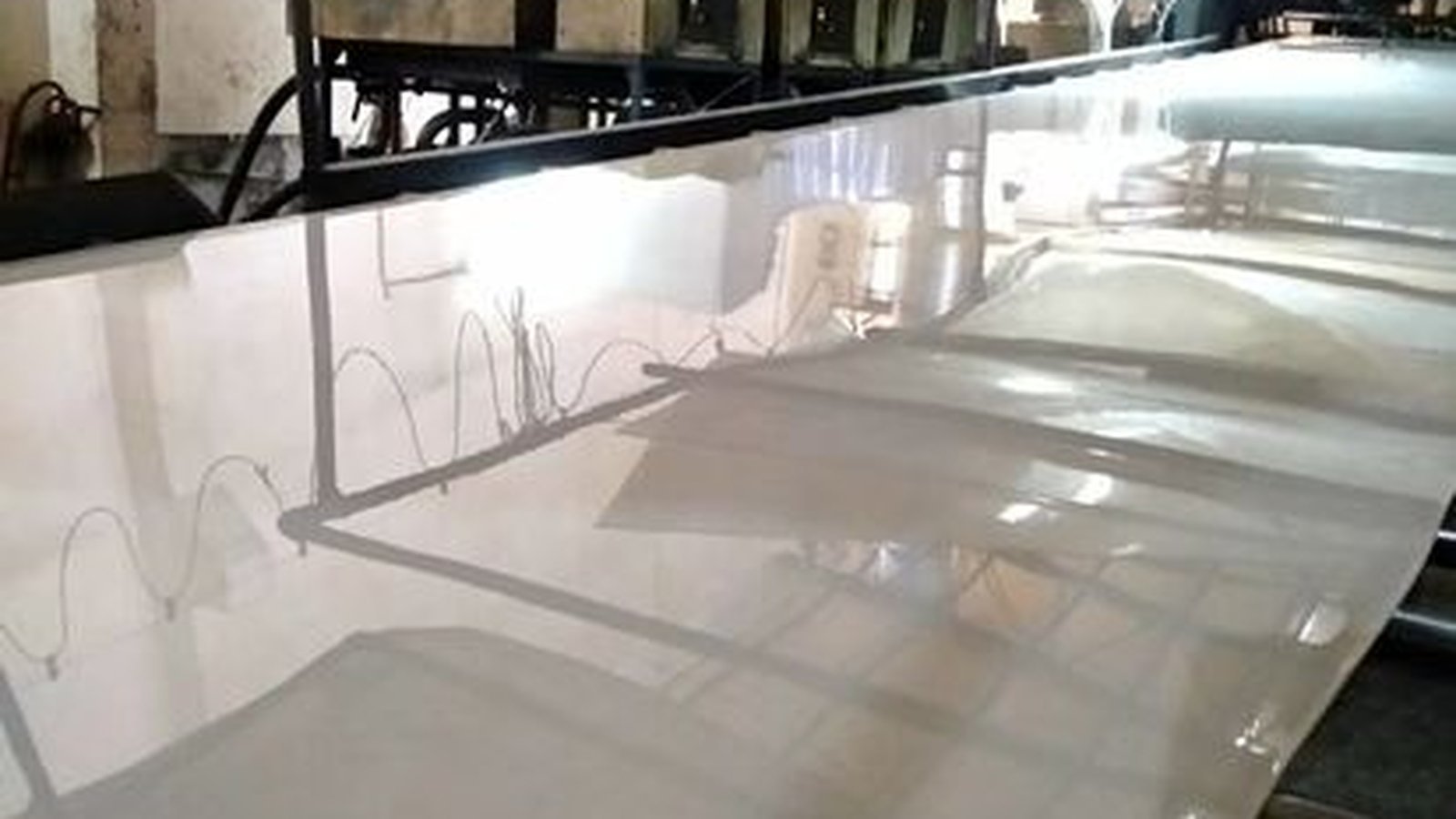
    Long extruded acrylic sheets on a production line in a factory

    Acrylic (PMMA, or plexiglass) is one of the easiest materials to source and fabricate in China — for display stands, signage, bathroom and furniture parts. It is clear, cheap, and machines beautifully. But it is also easy to get wrong: cloudy sheets, bubbles, scratches and mismatched colors are common complaints. This guide covers the material types, the fabrication processes, and how to QC the finished product.

    Why acrylic is easy to source

    Acrylic has a rare advantage for custom buyers: almost no hard tooling. Unlike injection molding, which needs a steel mold, acrylic parts are cut and formed from flat sheet, so even one-off display pieces are affordable. Laser cutting reads straight from a vector file, which means rapid iteration on shapes and logos. This makes acrylic the default for custom retail displays, point-of-sale stands and branded signage — you can test a design with a small run and refine it cheaply.

    Handling and shipping acrylic

    Acrylic is clear but brittle and scratches easily, which is why it ships with protective film on both sides and must be packed rigidly. Insist that the protective film stays on until the point of installation, and ask for firm interlayer packaging so panels do not rub together in transit. A common complaint — scratched acrylic on arrival — is almost always a packaging or handling problem rather than a material defect, so review packing before blaming the factory.

    Sheet types: cast vs extruded

    • Cast acrylic — thicker, more rigid, better optical clarity and available in larger colors and thicknesses; preferred for display and signage.
    • Extruded acrylic — thinner, more uniform in gauge, cheaper, and the default for large-volume sheet.

    Choose by your end use: cast for premium displays, extruded for cost-sensitive bulk. Sheets come transparent, frosted/matte, or colored.

    Thickness, tolerance and quoting

    Acrylic sheet comes in standard thicknesses (commonly 2–20 mm and up). Quoting depends on sheet area, thickness, color and whether you buy raw sheet or fabricated parts. For finished products, the price builds up from the sheet plus the fabrication operations.

    Fabrication processes

    • Laser cutting — clean, precise cutting of shapes, with a polished edge.
    • CNC routing and engraving — detailed cuts, holes and engraved marks.
    • Heat bending (热弯) — forming angles and curves.
    • Bonding / gluing — solvent cementing pieces together invisibly.
    • Silk-screen printing — logos and graphics onto the surface.

    QC: clarity, bubbles, scratches and size

    • Transparency and clarity — the sheet should be crystal clear, not hazy or yellowed.
    • Bubbles and inclusions — inspect for trapped air bubbles, especially in cast sheet.
    • Scratches — protective film should remain on until final use; check the surface under light.
    • Dimensions — confirm cut sizes against the drawing, since acrylic is brittle and cracks if mis-cut.

    Applications and clusters

    Acrylic products — display stands, signage, bathroom and furniture components — are made in Zhejiang and Guangdong clusters. Because fabrication is fast and tooling is minimal, acrylic is ideal for low-MOQ custom display and branding products.

    Designing for acrylic fabrication

    Acrylic machines best with generous corner radii rather than sharp internal corners, and with cutouts that are not too close to an edge. Thin acrylic bends and flexes; specify enough thickness for a rigid stand. For glued assemblies, design joints that hide the bond line. A well-prepared vector drawing with dimensions, holes and thickness gets quoted once and built right the first time — sketches and photos lead to rework and extra cost.

    Typical acrylic products

    Common orders include freestanding display stands, shelf organizers, retail signage and light boxes, bathroom shelves and shower panels, and furniture parts like chair backs and table panels. Frosted acrylic diffuses light and is popular for LED panels; colored acrylic adds branding. Because the same factory can laser-cut, bend, bond and print, you can order a finished, assembled display rather than a flat sheet — confirm whether the quote includes assembly and printing, since those are separate operations.

    The bottom line

    Acrylic sourcing rewards a clear drawing and careful QC. Pick cast or extruded by your use, specify thickness and color, and check clarity, bubbles, scratches and dimensions on the sample. With minimal tooling and fast fabrication, it is one of the most customizable materials you can source. For brands needing quick, low-MOQ custom displays or signage, acrylic is hard to beat on speed and flexibility — send a clean vector file and iterate as fast as you can design. For product teams that move quickly, acrylic’s combination of no-tooling, fast laser cutting and low MOQ makes it one of the most responsive materials in your sourcing toolkit. Order a sample run first, confirm clarity and edge quality, then scale the reorder with confidence. Because acrylic needs no steel tool, you can refresh a display design for a new season without re-investing in molds.

    Get a Free Sourcing Consultation →

  • PCB Circuit Board Sourcing & Prototyping in China: A Buyer’s Guide

    PCB Circuit Board Sourcing & Prototyping in China: A Buyer’s Guide

    Long row of green printed circuit boards on an electronics production line

    Almost every electronic product starts as a bare board: the printed circuit board (PCB) that everything else is soldered onto. Sourcing boards from China — especially around Shenzhen and Huizhou — is both fast and remarkably cheap, but only if you speak the language of layers, materials and surface finishes. Vague requests produce boards that do not match your design. This guide walks through how PCBs are specified, how prototyping works, and what makes a good quote.

    Why Shenzhen and Huizhou

    The Pearl River Delta around Shenzhen and Huizhou is the world’s densest PCB ecosystem. Fabrics, laminates, drilling, plating and testing all sit within a short drive, which is why quick-turn samples that take weeks elsewhere arrive in days here. This density also means you can compare many fabs fast — from low-cost prototype houses to high-reliability shops handling multi-layer and impedance-controlled boards. The trade-off is that cheap prototype shops vary widely in quality, so the first build is a chance to learn a shop’s real standards, not just its price.

    Working with the fab on your design

    Treat your PCB fab as a partner, not a print shop. Send clean, complete Gerbers with a clear stack-up, and respond to the EQ thoroughly — every clarification prevents a wrong first batch. If your design has controlled impedance or dense BGA parts, tell the fab up front so it confirms its process can support it. A small extra sample order to validate a new design is cheap insurance before a full production run.

    Types of PCB

    • Single and double-sided — the cheapest, for simple low-complexity circuits.
    • Multi-layer (4, 6, 8+ layers) — for denser, higher-speed products.
    • Metal-core (铝基 / aluminum base) — for LEDs and power parts that need heat dissipation.
    • Flexible (FPC) boards — bendable circuits for tight, moving spaces.

    Materials and technology capability

    The workhorse material is FR-4, chosen by glass-transition (TG) grade — higher TG handles more heat and is used on dense or high-power designs. When requesting a quote, specify the layer count, board thickness, copper weight, minimum trace/space and via size. Chinese fabs quote based on their capability limits; a board outside a shop’s line width or via capability is simply not buildable there.

    Surface finish: HASL vs ENIG

    The pad finish matters for soldering. HASL (hot air solder level / spray tin) is the cheaper standard. ENIG (electroless nickel immersion gold, 沉金) is flatter and better for fine-pitch parts and repeated assembly, at higher cost. Tell the fab which finish your design needs.

    Prototyping: Gerber files and EQ

    To order, you send Gerber files plus your drill and stack-up info. The fab replies with an EQ (engineering question) list asking about unclear layers or missing specs — answer it, approve the quote, and samples usually arrive in about 1–2 weeks, often faster for small quick-turn runs. Good prototype service, not price alone, is what matters at this stage.

    Batch quotes and QC

    Bulk pricing depends on board area, layer count and panel (拼板) nesting. QC includes flying-probe testing on bare boards, impedance control where your design requires it, and AOI (automated optical inspection) for shorts and opens. Ask for the test report rather than assuming boards are good.

    Common PCB pitfalls

    The recurring mistakes are avoidable: sending incomplete Gerbers that leave the fab guessing; mismatching the surface finish to the assembly process; and ordering a first production run without a validation sample. Another subtle one is picking the wrong FR-4 grade for a high-power board, which causes heat problems later. Keep your design rules matched to the fab’s capability, and treat the prototype batch as the real test of the design before you commit to larger volumes.

    Cost drivers in PCB pricing

    A PCB quote moves with board area, layer count, copper weight, the surface finish, and how efficiently panels are nested. Tiny boards are often priced by the panel rather than individually, so designing smaller boards to fit a shared panel lowers unit cost. Quick-turn and low-volume prototype runs carry a setup premium, while large volume amortizes it down. Ask the fab how your design panels, because the nesting can change your real cost more than the headline per-board number.

    The bottom line

    PCB sourcing from China is straightforward once you specify layers, material grade and surface finish. Start with a clean Gerber, answer the EQ promptly, and use the Shenzhen/Huizhou cluster’s quick-turn prototyping to iterate fast. Compare quotes on area, layers and paneling — not just the per-board number. Once you have a fab that handles your design reliably, a steady repeat relationship gives you faster quoting, priority on quick turns, and fewer surprises. The board is the foundation of every electronic product, so the small effort to specify it correctly pays off across your whole line.

    Get a Free Sourcing Consultation →

  • Smart Home Devices Sourcing from China: Protocols, Certification and OEM

    Smart Home Devices Sourcing from China: Protocols, Certification and OEM

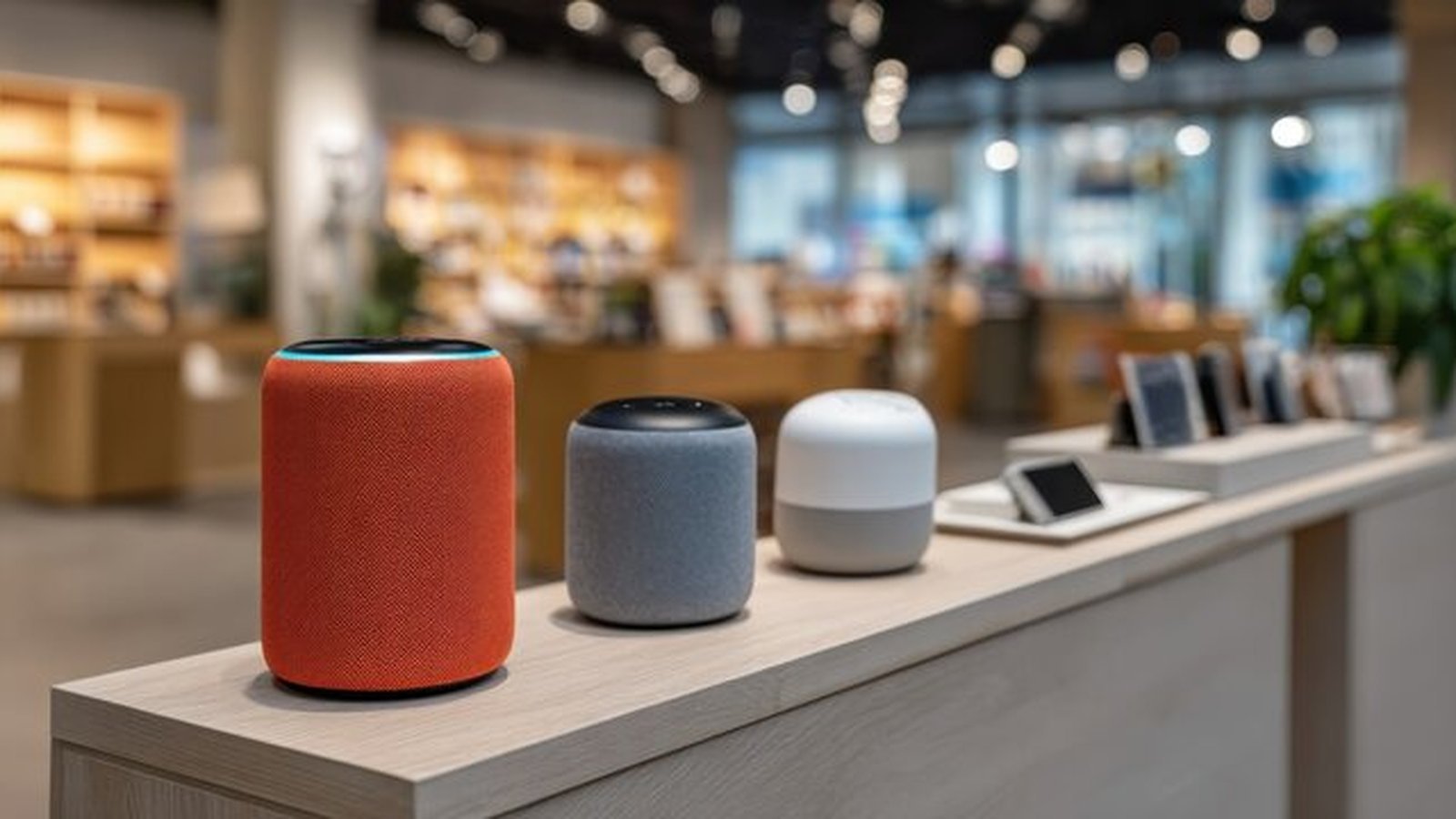
    Smart home speakers displayed in a retail store

    China manufactures the vast majority of smart-home devices—Shenzhen and Dongguan host hundreds of OEM factories that make bulbs, plugs, cameras, locks, and sensors for global brands. For a new brand, the opportunity is large: a smart bulb that retails in Europe for EUR 15 can be sourced FOB for EUR 3–6. But smart hardware is the most compliance-intensive consumer category—wireless certification, energy rules, platform integration, and app maintenance all matter. This guide covers categories, protocols, certification, and OEM options.

    1. Product Categories

    • Smart lighting. Bulbs, light strips, downlights. The entry-level category; highest volume.
    • Smart plugs and switches. Energy-monitoring plugs, wall switches.
    • Smart locks. Fingerprint, app, and keypad locks.
    • Smart cameras. Indoor/outdoor Wi-Fi cameras.
    • Sensors. Motion, door/window, temperature, water-leak sensors.
    • Hubs and control panels. Zigbee/Z-Wave gateways, touch screens.

    2. Communication Protocols

    • Wi-Fi. Easiest setup, no hub needed. Higher power consumption.
    • Bluetooth / BLE. Low power; mesh networks for lighting.
    • Zigbee. Requires a hub; stable, low-power, professional installations.
    • Z-Wave. Popular in North America; requires a hub.
    • Matter. The new unified standard that works across ecosystems; increasingly important.

    For a new brand, Wi-Fi with optional Matter support is the lowest-friction choice.

    3. Certification: The Non-Negotiables

    • FCC (US) / CE (EU). Wireless and EMC certification—mandatory for any device with radio.
    • UL / ETL (US). Safety certification for plugs and locks; often required by retailers.
    • California CEC / DOE energy rules. Efficiency standards for always-on devices.
    • RoHS and REACH. EU restricted substances.
    • Camera privacy. Increasingly strict; encryption and security audits expected.

    Ask the factory which certifications they already hold for your target market—certification re-testing costs USD 5,000–20,000 and weeks of delay.

    4. App and Platform Integration

    The hardware is only half the product—the app and voice control are the other half. Options:

    • White-label app (Tuya/Smart Life). Fastest and cheapest; your branding on a generic app. Good for launch.
    • Custom app development. More control, higher cost (USD 10,000–50,000).
    • Voice platforms. Alexa, Google Home, and Apple HomeKit integration. HomeKit is the hardest and most expensive to certify.

    Most new brands start with a Tuya-based white-label app and Alexa/Google integration, then invest in a custom app later.

    5. QC and Clusters

    • Connectivity stability. Test pairing, reconnection after power loss, and range.
    • Response time. App-to-device command should execute within 2–3 seconds.
    • Durability. Power-cycle testing, temperature range, and (for cameras) night-vision checks.

    The clusters are Shenzhen (electronics and cameras) and Dongguan (manufacturing). For a first order, choose a factory that already holds FCC/CE for your exact product and offers a white-label app—that is the fastest path to launch.

    6. Common Sourcing Mistakes

    The most expensive smart-home errors are: choosing a factory without existing FCC/CE certification; launching a custom app before validating demand; ignoring camera privacy and security requirements; and selecting a cheap Wi-Fi module that drops connections. Another trap is firmware—a device that works at launch but receives no updates becomes obsolete. Before bulk production, confirm the factory can provide firmware updates for at least 2–3 years. Start with a Tuya-based white-label device, validate your market, then invest in a custom app and Matter certification once you have real sales. Hardware without good software is a return magnet. A smart bulb that cannot reliably connect to Wi-Fi is returned within days—app reviews are the #1 driver of negative feedback in this category. Always test the device and app from a typical home environment, not just the factory floor. For a practical start, launch a smart bulb and a smart plug on a Tuya white-label app with Alexa and Google integration—this is the lowest-risk entry point.

    7. BOM Cost Breakdown

    A smart device’s cost is dominated by: the Wi-Fi/Bluetooth module (USD 1–3), the microcontroller (USD 0.5–2), the power supply (USD 1–4), the enclosure (USD 0.5–2), and assembly/testing (USD 0.5–1.5). A smart bulb’s FOB cost is typically USD 3–6; a smart plug USD 4–8; a smart camera USD 10–25. Customizing the enclosure or firmware adds cost but lets you differentiate. Always ask the factory for a BOM breakdown—it reveals where margin is being taken.

    8. Warranty, Software Updates, and Returns

    Smart hardware has higher return rates than dumb hardware because of connectivity issues. Budget for a 2–3 year firmware update commitment; devices that stop updating become e-waste and generate bad reviews. Insist on a 1-year warranty and a simple returns process. Because software issues cannot be fixed by sending a replacement, invest in good documentation and a responsive support channel—this is what separates a serious smart brand from a drop-shipper. Pricing for a white-label smart bulb is USD 3–6 FOB; a smart plug USD 4–8; a basic Wi-Fi camera USD 10–20. Expect certification costs of USD 3,000–10,000 per device model—factor this into your launch budget.

    Get a Free Sourcing Consultation →

  • Mold Development and Tooling Process in China: From DFM to T1 Samples

    Mold Development and Tooling Process in China: From DFM to T1 Samples

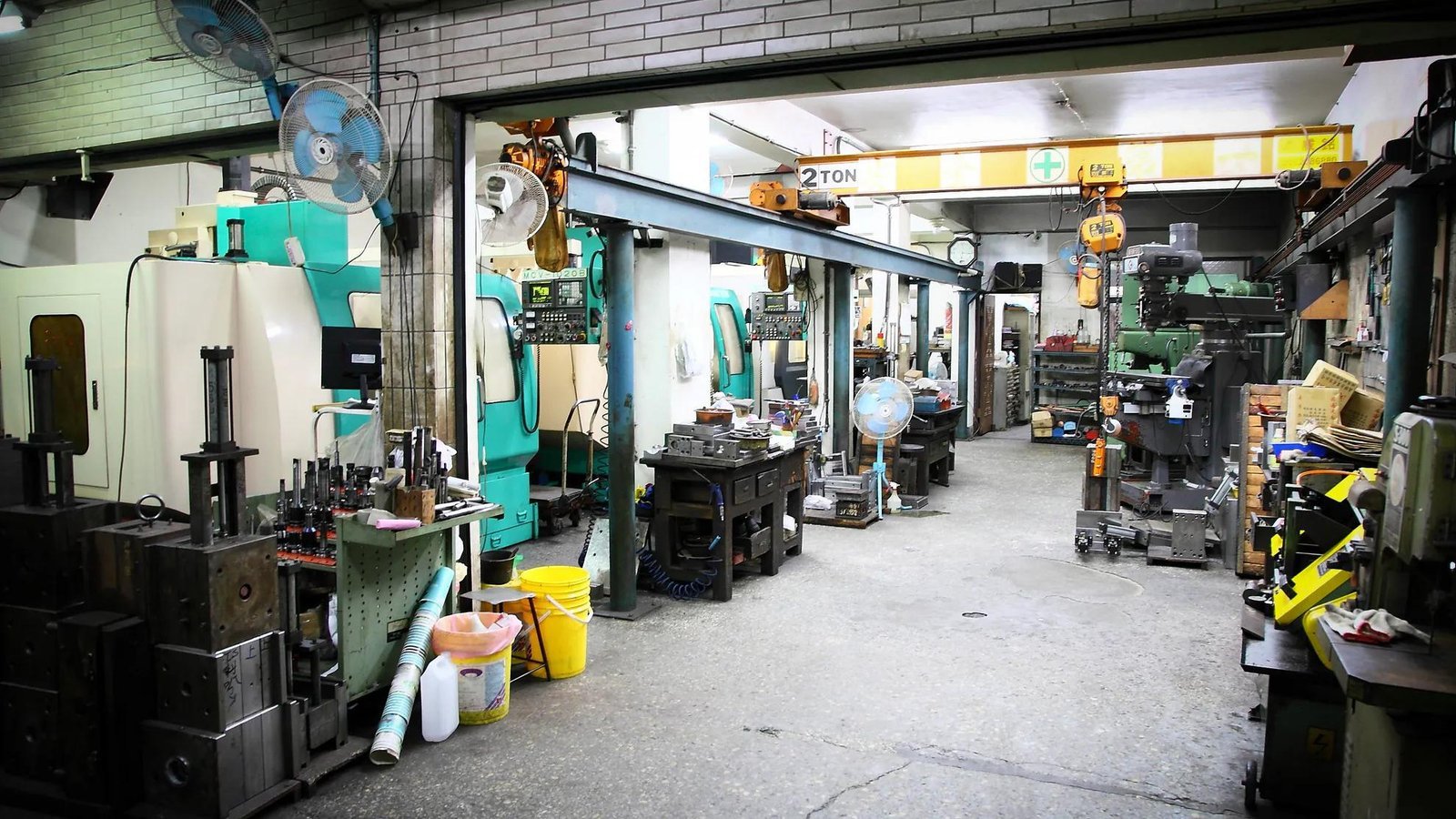
    CNC mold-making workshop in a tooling factory

    Developing an injection mold in China is the biggest step—and biggest risk—in taking a physical product to market. A good mold runs for hundreds of thousands of parts with consistent quality; a bad mold leaks flash, warps parts, and delays production by months. This guide walks through the entire tooling process, the steel choices, the sample terminology, and how to write the mold scope into your contract.

    1. The Full Mold Development Workflow

    • DFM review. Design for Manufacturing. The tooling engineer reviews your CAD for draft angles, wall thickness, gate location, and possible defects.
    • Mold flow analysis (模流分析). Simulation software predicts fill pattern, weld lines, warpage, and cooling time.
    • Mold design. 2D/3D mold layout: cavities, cores, runners, cooling channels, ejection system.
    • Steel selection. Choose steel grade based on expected volume and material.
    • Machining. CNC milling, EDM (spark erosion), drilling, polishing.
    • T1 trial. First shots from the finished mold; inspect samples for defects.
    • T2/T3 iterations. Adjustments based on T1 results until samples are approved.
    • Mass production. Once samples pass, production begins.

    A typical new mold takes 30–60 days from PO to approved T1 sample; complex molds take 90 days.

    2. Steel Grades: What to Specify

    • P20. Budget pre-hardened steel. Good for low volume (<100k shots). The most common choice.
    • 718H. Higher-quality pre-hardened; better polish, medium volume.
    • S136 (stainless). Corrosion-resistant, mirror polish. Required for transparent parts or corrosive materials.
    • H13. Hot-work tool steel; high volume or high-temperature materials.

    Specify the steel grade in your PO—factories sometimes downgrade steel to cut cost, which shortens mold life.

    3. T0, T1, T2 Sample Terminology

    • T0. The very first trial shots, often with obvious defects (short shots, flash, warping).
    • T1. First “official” trial after basic adjustments; the customer receives samples for review.
    • T2 / T3. Revised samples after fixing T1 issues.

    Expect 2–3 trial rounds for a new mold. Never accept T0 samples as final.

    4. Mold Cost, Payment, and Ownership

    • Cost. A single-cavity mold runs USD 3,000–15,000; multi-cavity or complex molds run USD 20,000–60,000+.
    • Payment milestones. Common structure: 30% on order, 40% on T1 approval, 30% on final sample approval / first production. Never pay 100% upfront.
    • Mold ownership. The contract must state that the mold is your property (you paid for it), can be moved to another factory, and carries your name.
    • Mold life. Ask for expected shot life (e.g. 500,000 shots) and maintenance responsibility.

    5. Writing the Mold Scope Into Your Contract

    A good tooling contract should specify: part CAD version, steel grade, cavity count, expected shot life, number of included trial rounds, sample approval criteria, payment milestones, mold ownership, and who pays for shipping the mold. Vague contracts lead to disputes over “extra” trial rounds and mold changes.

    Most failed mold projects come from skipping the DFM review—the tooling factory finds problems too late, after machining. Insist on a written DFM report and mold-flow analysis before steel is cut.

    6. Mold Storage, Maintenance, and Transfer

    Once your mold is approved, it lives at the factory. Protect it contractually: specify that the factory must maintain it, run expected shot-life tests, and store it against rust. If you later want to move the mold to a different factory, the contract must state you can—factories that hold molds hostage are a common dispute. Label every mold with your name, part number, and cavity count, and ask the factory to send photos after each production run. For a brand that plans years of production, the mold is a capital asset—treat it that way, and never let the supplier “forget” who owns it. Budget 5–10% of the mold cost annually for maintenance. When requesting quotes, always provide a 3D STEP file, expected annual volume, target material, and required surface finish (textured, polished, or paint-ready)—without these, quotes are meaningless and vary wildly. For a first mold project, choose a factory with in-house DFM engineers and mold-flow software—the engineering review is worth more than the CNC machining itself.

    7. Common Defects Found at T1 Trials

    The most common T1 defects are: short shots (incomplete fill), flash (plastic seeping into the parting line), warpage (part bending after cooling), sink marks (indentations from thick sections), and weld lines (visible lines where plastic flows meet). Each defect requires a specific mold adjustment—increasing gate size, changing cooling, adding ribs, or adjusting injection pressure. Expect 2–3 rounds of trial for a new mold; a factory that promises a perfect T1 is usually hiding problems.

    8. How to Compare Tooling Quotes

    Mold quotes vary wildly for the same part. Compare them by: (1) steel grade and hardness; (2) cavity count; (3) expected shot life; (4) how many trial rounds are included; (5) whether mold-flow analysis is included; (6) who owns the mold. A cheap quote that uses soft steel and one included trial round often costs more in the long run when the mold wears out after 50,000 shots. Choose a factory that itemizes the quote, not a single lump sum.

    Get a Free Sourcing Consultation →

  • Down Duvets and Goose Down Bedding Sourcing from China: Fill Power, RDS and QC

    Down Duvets and Goose Down Bedding Sourcing from China: Fill Power, RDS and QC

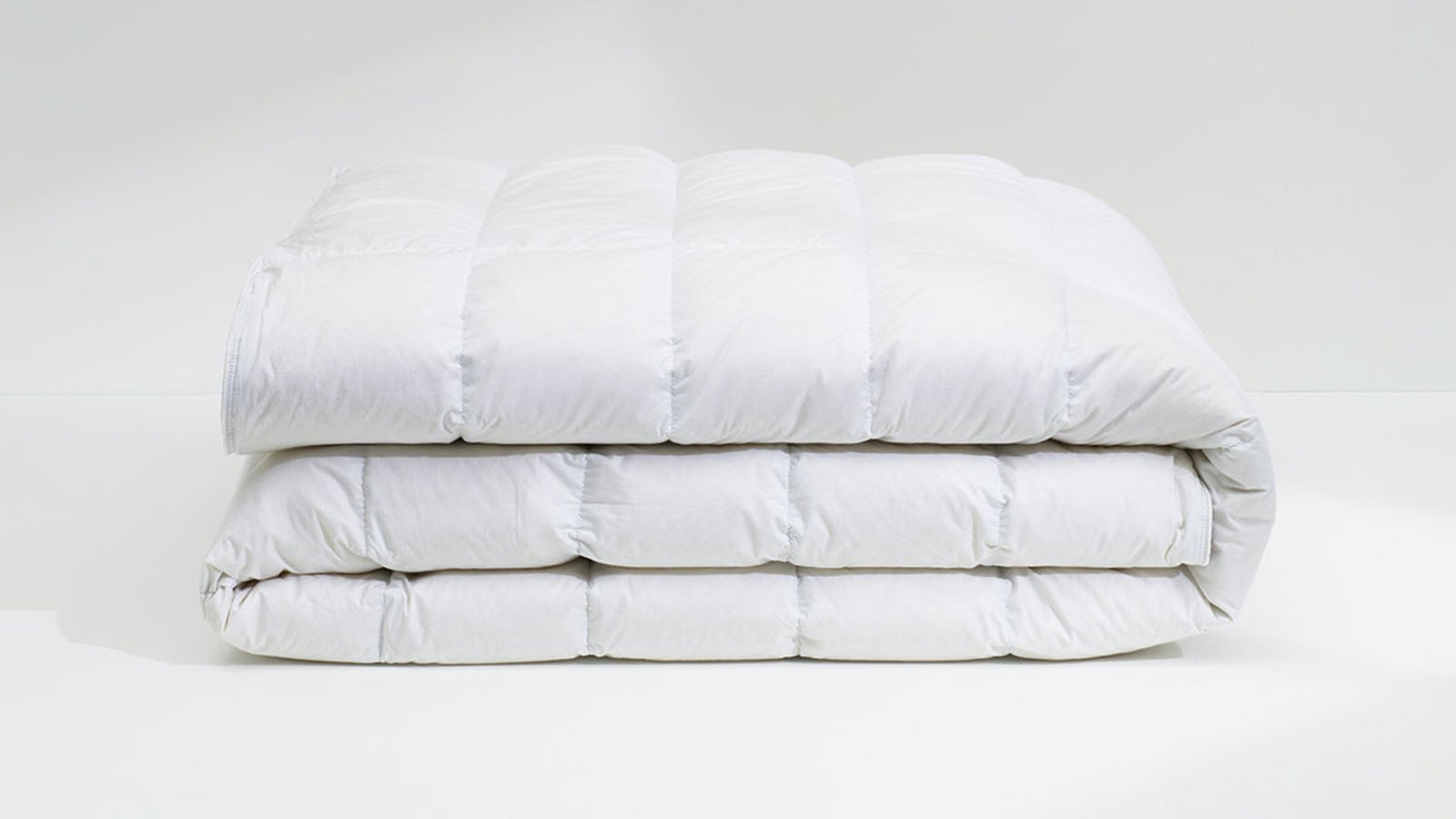
    Folded white down duvet

    Down duvets are one of the highest-margin home-textile categories—and one of the most technically demanding to source. A premium goose-down duvet that retails in Europe for EUR 300–800 can be sourced FOB for EUR 40–100. But the category is full of traps: duck down sold as goose, low fill power dressed up as premium, and cheap shells that leak feathers after a few weeks. This guide explains the specs that actually matter and how to verify them.

    1. Down Type: Goose vs Duck, and What the Numbers Mean

    • Goose down. Larger clusters, higher fill power, more durable, better loft. Premium.
    • Duck down. Smaller, cheaper, slightly less loft. The mid-market standard.
    • Fill Power (FP). A measure of loft: 550 FP is mid-range, 650–750 FP is premium, 800+ FP is luxury. Higher FP means warmer with less weight.
    • Down content (绒子含量). The percentage of pure down clusters vs feathers. Premium duvets are 90% down / 10% feather; budget ones are 50/50.

    Always ask for a lab report that measures fill power and down content—these cannot be judged by eye.

    2. Shell Fabric: The Anti-Leakage Layer

    A duvet is only as good as its shell. A cheap shell leaks feathers; a good shell does not.

    • Fabric count. 233–400 thread count cotton is standard. Higher count = tighter weave = less leakage.
    • Down-proof finish. A special coating that blocks quills from poking through.
    • Weight. 60–80 gsm cotton shell is typical; lightweight shells breathe better.

    3. Construction: Baffle Boxes vs Stitch-Through

    • Baffle box (格子立衬). Internal fabric walls keep down evenly distributed and prevent cold spots. Premium method.
    • Stitch-through (锁边). Quilted channels; cheaper but allows down to migrate and creates cold spots at the seams.

    For a premium product, specify baffle-box construction.

    4. QC: The Tests That Protect Your Brand

    • Down leakage test. Rub the shell; no quills should poke through.
    • Fill power measurement. A lab test that confirms the advertised FP.
    • Cleanliness / overfill. Down must be washed and sterile; a bad batch smells dusty. Ask for cleanliness ( turbidity ) test.
    • Fill weight accuracy. Weigh the duvet; it must match the stated fill weight.
    • Stitch quality. Even stitching, no loose threads, strong corner ties.

    5. Certifications: RDS and OEKO-TEX

    • RDS (Responsible Down Standard). Certifies down is collected without live-plucking or force-feeding. Required by most Western retail brands.
    • OEKO-TEX Standard 100. Shell fabric safety; limits chemicals and formaldehyde.
    • Import cleanliness rules. Many countries require proof that down is clean and pest-free.

    6. Clusters and Pricing

    Major down-bedding clusters: Xiaoshan (Zhejiang), Lu’an (Anhui), and parts of Jiangsu. Realistic FOB: a 90% goose 650 FP queen duvet runs USD 40–90 FOB depending on shell fabric. MOQ is typically 200–500 pcs per SKU. Because down quality varies batch to batch, always request a lab-tested sample and compare it against the production lot.

    6. Common Sourcing Mistakes

    The most expensive down-sourcing errors are: paying goose-down prices for duck down; accepting a fill-power claim without a lab report; using a cheap shell that leaks feathers; and ordering mixed fill weights across duvets. Another trap is “overfilled” marketing—a duvet stuffed with low-quality feathers feels heavy but is not warm. Insist on the fill-power lab report, not the marketing label. For a new brand, start with a mid-spec 90% duck 650 FP duvet to prove demand, then move to goose and 750 FP once sales justify the cost. Always request the fill-power lab report, not just the marketing label. A 90/10 goose 650 FP queen duvet weighs roughly 1.2–1.5kg of fill; a 90/10 goose 800 FP luxury duvet uses 800–1,000g of fill but is warmer. The tog rating (UK) or fill weight is how consumers compare products—specify both. For a practical start, order a 90/10 duck 650 FP all-season duvet and a 90/10 goose 800 FP luxury duvet; these two SKUs cover most of the market.

    7. How to Evaluate a Down Sample

    When a duvet sample arrives, do three things: (1) compress it firmly—a premium duvet springs back instantly; (2) rub the shell with your palm—no quills should poke through; (3) smell it—clean down has no dusty odor. Weigh it against the advertised fill weight. If it passes these, request the lab report for fill power and down content. A sample that feels heavy but does not loft well is likely filled with feathers, not down.

    8. Packaging, Labelling, and Seasonality

    Down duvets are usually vacuum-packed for shipping—this saves freight but must be fluffed for 24–48 hours before retail. Specify the size tag, fill weight, care label, and RDS/OEKO-TEX logos on the packaging. Demand is strongly seasonal: orders for Q4 must be placed by June–July to allow sea freight. Start with an all-season SKU, then add winter-weight once you understand your market.

    Get a Free Sourcing Consultation →

  • Floor Tiles and Flooring Materials Sourcing from China: Ceramic, SPC and QC

    Floor Tiles and Flooring Materials Sourcing from China: Ceramic, SPC and QC

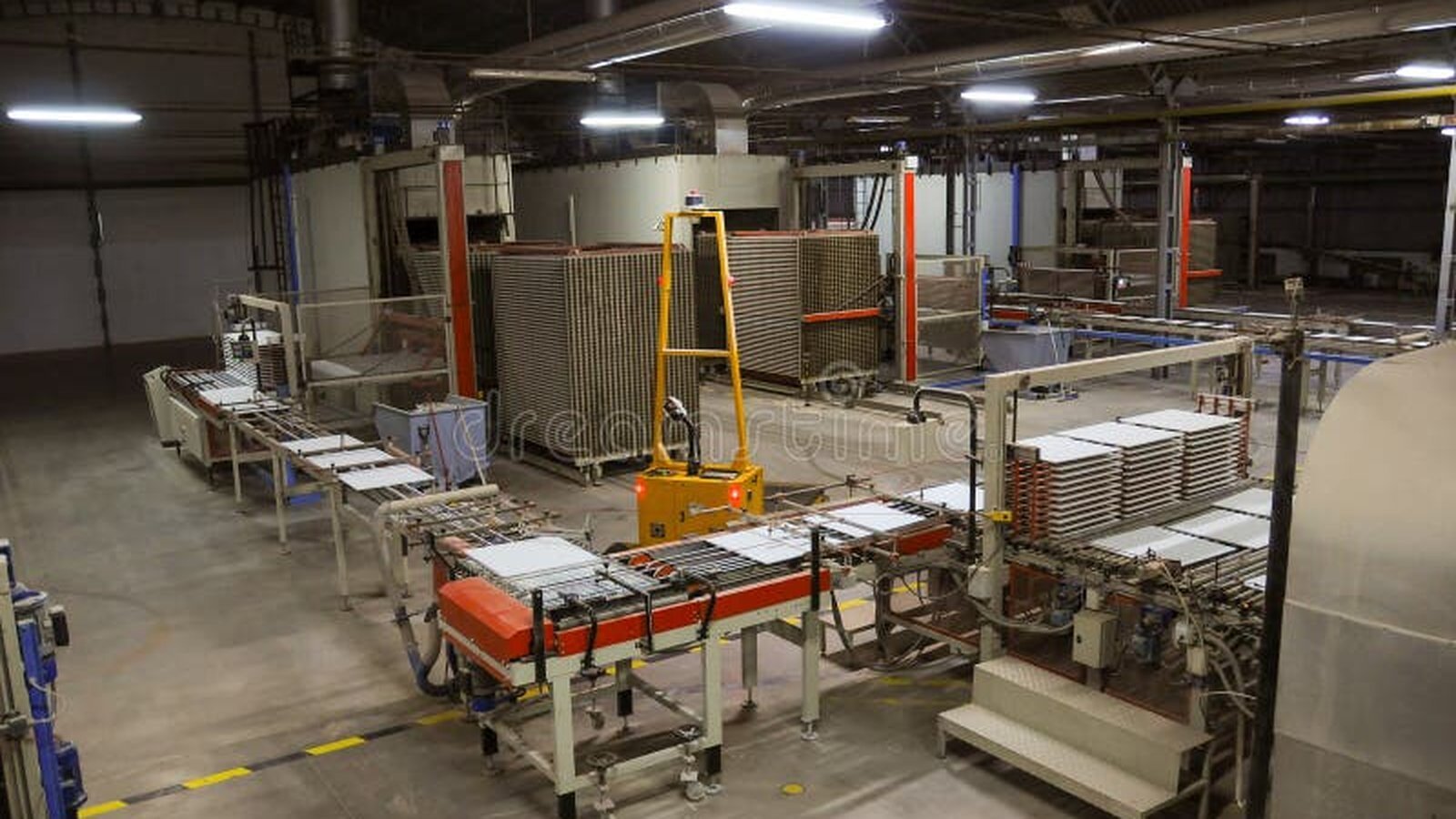
    Ceramic tile production line in a factory

    China makes roughly half the world’s ceramic tiles—Foshan alone is a global floor-tile hub. For importers and distributors, Chinese tiles undercut European production by 40–60% while matching quality. But floor coverings are heavy, fragile, and compliance-sensitive: a container of tiles that arrives chipped, mismatched in shade, or fails slip-resistance testing is a disaster. This guide covers categories, specs, QC, and clusters.

    1. Product Categories

    • Porcelain and ceramic tiles. Polished glazed tiles, rustic (anti-slip) tiles, marble-look tiles, wood-look tiles.
    • SPC (stone plastic composite). Rigid vinyl flooring; waterproof, click-lock, fast-growing export category.
    • LVT (luxury vinyl tile) and WPC. Softer vinyl flooring for residential use.
    • Laminate and engineered wood. Imported mainly for the mid-market.

    For most Western importers today, the fastest-growing category is SPC—it is lighter than tile, cheaper than hardwood, and fully waterproof.

    2. Key Specs You Must Specify

    • Size and thickness. Common tile sizes: 600x600mm, 600x1200mm, 750x1500mm. SPC thickness: 4mm, 5mm, 6mm plus an attached underlay pad.
    • PEI rating (abrasion resistance). For tiles, PEI 3 is moderate foot traffic; PEI 4–5 is commercial. Specify by end use.
    • Slip resistance (R value). R10/R11/R12 ratings. Wet areas require R11 or R12.
    • Water absorption. Porcelain should be <0.5% (frost-proof); ceramic can be higher.
    • Mohs hardness. Surface scratch resistance; aim for Mohs 6+ for floors.

    3. QC: The Defects That Actually Happen

    • Flatness. Tiles must not curl; a warped tile produces lippage when laid. Check with a straight edge.
    • Shade variation. Between cartons from the same batch, shade should match. Mixing shade batches is the #1 customer complaint.
    • Chips and cracks. Inspect edges and faces; even small chips are visible after grouting.
    • Glaze consistency. Glazed tiles should have even coverage with no pinholes.
    • Calibration. Sizes should be consistent to within +/-0.5mm; otherwise grout lines look uneven.

    4. Compliance: ASTM, CE, and Formaldehyde

    • US ASTM standards. Tile must meet ASTM C certifications for water absorption and break strength; SPC needs floor-slip resistance testing.
    • CE marking. Mandatory for the EU under construction product regulation.
    • Formaldehyde E1. Required for laminate and engineered wood flooring; E0 is premium low-emission.
    • Slip resistance. Many US/EU projects now require tested R ratings or DCOF values.

    5. Clusters and Packaging

    • Foshan (Guangdong). China’s tile capital; every category, every design, huge choice.
    • Shandong. Budget tiles and porcelain.
    • SPC clusters. Guangdong, Jiangsu, Shanghai.

    Because tile is heavy and fragile, packaging matters enormously. Require double-wall cartons, interlayer foam, and a drop test. Loading a container of tiles is a skilled job—poor loading causes breakage of 5–10% in transit. Choose a factory with export experience; they know how to load a 20’GP/40’HQ safely.

    6. Pricing and Volume Considerations

    Tile pricing depends heavily on size and design. A standard 600x600mm polished tile runs USD 4–8 per square meter FOB; large-format 750x1500mm marble-look tiles run USD 12–25; SPC flooring runs USD 8–15 per square meter depending on thickness and attached pad. Because tiles are sold by square meter, calculate your landed cost per square meter rather than per box—this is how retailers price. MOQ is usually one container (around 500–800 sqm per design). For a new brand, start with two or three best-selling designs rather than a wide catalog; shade consistency is easier to control with fewer SKUs. Always order 5–10% extra tiles in the same batch to cover future breakage and replacements. For SPC, pay attention to the wear-layer thickness (0.3mm vs 0.5mm vs 0.7mm)—this is the single biggest driver of price and durability. A 0.3mm wear layer is a budget product; 0.5mm is mid-market; 0.7mm is premium commercial-grade. For a practical start, choose one porcelain tile design (600×600, polished) and one SPC design (5mm with attached pad)—these two cover most residential projects.

    6. Container Loading and Damage Claims

    Tiles are heavy and fragile—loading a container badly causes 5–15% breakage in transit. Require the factory to use double-wall cartons, foam interlayers, and to stack cartons on pallets. Before shipment, ask for loading photos and a container weight check. When the container arrives at your warehouse, open it in the first 7 days and take photos of any damage. Filing a freight claim after this window is much harder. Because breakage is normal, budget a 3–5% replacement reserve in your landed cost.

    7. MOQ and How to Start Small

    A container of tiles is a lot of product for a new brand. For a first order, ask the factory to mix 2–3 designs in one container—this reduces SKU risk. SPC has lower MOQ (often 100–200 sqm) and much lighter freight, making it easier to start. Sample tiles cost USD 5–20 per box plus shipping. Always visit the factory in Foshan if you can—the tile market is huge and seeing the slabs in person beats any catalog.

    Get a Free Sourcing Consultation →

  • Hair Wigs and Extensions Sourcing from China: Real vs Synthetic, QC and Clusters

    Hair Wigs and Extensions Sourcing from China: Real vs Synthetic, QC and Clusters

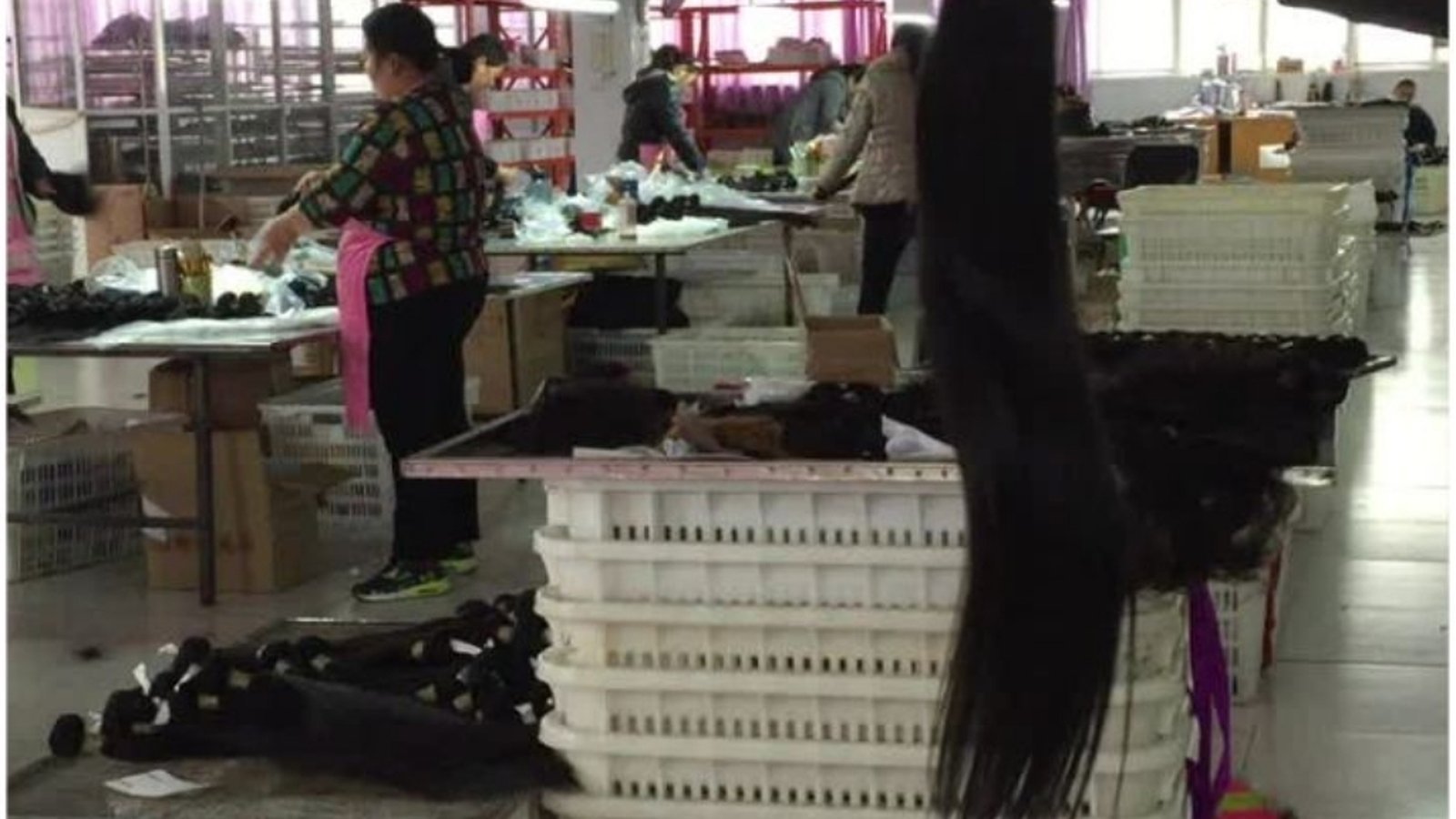
    Hair factory processing hair bundles for wigs

    China supplies the majority of the world’s human-hair wigs and extensions—Xuchang in Henan alone is a global hub. For beauty brands, the margin on hair products is enormous: a bundle that retails in the US for USD 80–150 can be sourced FOB for USD 15–40. But hair sourcing is also one of the easiest categories to get wrong: mislabeled synthetic hair sold as human hair, tangling after a few washes, and shedding from a poorly constructed cap. This guide covers categories, grades, QC, and the clusters.

    1. Real Hair vs Synthetic Hair

    The first decision is material:

    • 100% human hair. Can be heat-styled, dyed, and lasts 1–3 years with care. Sold as bundles, closures, frontals, and full wigs.
    • Synthetic hair (kanekalon etc.). Cheap, pre-styled, but cannot be heat-styled and looks shiny. Budget-only.
    • Blends. A small percentage of synthetic mixed in to cut cost—avoid for premium brands.

    Always require a burn test or lab confirmation: human hair burns to ash with a smell like burnt hair; synthetic melts into a hard ball. Reputable factories provide this on request.

    2. Human Hair Grades: What the Labels Actually Mean

    Hair grading is confusing and often marketing. The key distinctions:

    • Virgin / raw hair (原发). Unprocessed, single-donor hair, cut in one direction. Highest grade, longest life.
    • Remy / remi hair (顺发). Cuticles kept aligned; may be acid-washed and colored. Very common mid-premium grade.
    • Non-remy / processed hair (泡发). Cuticles stripped, then coated with silicone to look shiny. Tangles and sheds after the silicone washes off—the classic “cheap hair” trap.
    • Double-drawn vs single-drawn. Double-drawn means the hair is sorted so all strands are the same length, giving a full, blunt end. Single-drawn has varying lengths. Double-drawn commands a premium.

    Ask the supplier which grade they are quoting—do not accept vague terms like “10A” without a sample.

    3. Wig Construction: Machine vs Hand-Tied, Lace Type

    • Machine-made wefts. Hair sewn onto a mesh cap by machine. Cheaper, sturdier, but less natural at the hairline.
    • Hand-tied (hand-knotted) lace wigs. Individual strands knotted onto a lace cap. The most natural look—required for premium brands.
    • Lace type. Transparent lace, HD lace, or Swiss lace. HD lace is thinnest and most undetectable; it is also more fragile.
    • Closure vs frontal vs full lace. A closure covers a small section; a frontal runs ear-to-ear; a full lace wig covers the whole head.

    4. QC: The Defects That Kill the Sale

    • Shedding. Shake the bundle; excessive loose hair means weak wefts or poor processing.
    • Tangle test. Comb the hair from tip to root 20 times; premium virgin hair should not tangle.
    • Density. Specify density (130%, 150%, 180%). A 150% wig should look full but not heavy.
    • Cap fit and comfort. The adjustable straps and combs should feel secure; lace should not itch.
    • Color match. For colored hair, compare swatches under natural light—factory batches can vary.

    5. Clusters, Pricing, and MOQ

    • Xuchang (Henan). The global wig and hair-extension capital; covers all grades and price points.
    • Taihe (Anhui). Strong for hair processing and mid-market bundles.
    • Qingdao (Shandong). Export-oriented, often higher-quality factories serving Western brands.

    Realistic MOQ: bundles start at 1–5 bundles per length/color; lace wigs at 50–100 pcs per style. Samples cost USD 30–80. Because hair is a natural product, always order a small lot first and test it through a real wash-and-style cycle before scaling.

    6. Common Sourcing Mistakes to Avoid

    The most expensive hair-sourcing errors are: paying for “virgin” hair that is actually processed non-remy; skipping the burn test; accepting a sample but not a production-matched sample; and buying a cheap lace cap that breaks within weeks. Another common issue is color inconsistency—two bundles from the same order can arrive slightly different shades. Mitigate this by ordering all bundles in the same lot number and asking the factory to inspect color consistency before packing. For a brand, hair quality is everything: a single bad batch of tangling, shedding hair destroys reviews far faster than in any other category. Order small, test thoroughly, and only scale once you trust both the hair grade and the factory’s consistency. Pricing for real virgin double-drawn bundles typically runs USD 25–50 per 100g; lace closures USD 20–60; full lace wigs USD 80–250 depending on density and lace type. Synthetic wigs under USD 10 are almost always low quality and should not be sold under a brand name. For a practical first order, choose two proven styles (straight body wave and curly), specify virgin remy hair, order 100–300 bundles, and test color and shedding before reordering.

    7. How to Request and Evaluate Samples

    Always order physical samples before placing a bulk order—do not rely on factory photos. Ask for: (1) a bundle in your chosen length and texture; (2) a small swatch of the lace cap; (3) a sample washed and blow-dried to see how it holds up. When the sample arrives, run the burn test, the combing test, and the color check under both natural and artificial light. If the sample passes, place a 100–200 piece trial order and repeat the same tests on the production lot. Only scale once you are confident the factory can reproduce the sample consistently.

    Get a Free Sourcing Consultation →