分类: China Procurement

  • China Shipping Consolidators and Forwarding Agents: When and How to Use Them

    China Shipping Consolidators and Forwarding Agents: When and How to Use Them

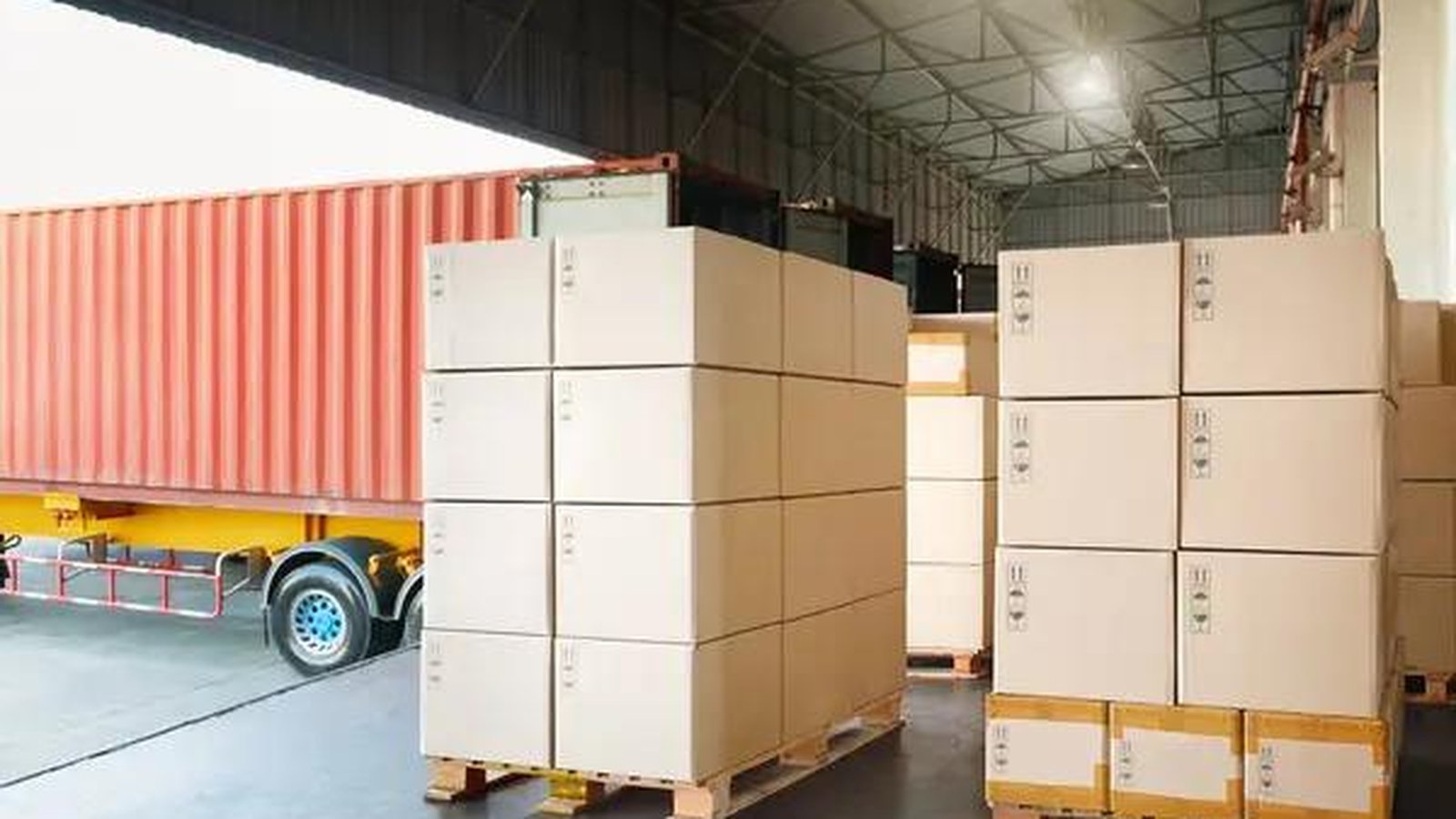
    Palletized cargo stacked at a warehouse loading dock

    If you buy from five different factories in five different Chinese cities, shipping each factory’s goods separately is expensive and chaotic. A China-based shipping consolidator (freight forwarder) solves this: they collect your goods from every supplier, warehouse them, combine them into one container, and ship it as a single consolidated shipment. This guide explains how consolidation works, when it saves you money, and how to choose a reliable forwarder.

    1. How Consolidation Actually Works

    The standard process:

    • You give each supplier the consolidator’s warehouse address (in Yiwu, Shenzhen, Guangzhou, or Ningbo).
    • Factories ship your goods to the consolidator’s warehouse via domestic truck or rail.
    • The consolidator receives, counts, and photographs your goods—you can even ask them to inspect or repack.
    • When all your SKUs arrive, they load them into one container (or one LCL consolidation).
    • They handle export customs, book ocean or air space, and ship to your destination.

    Instead of paying for five half-full shipments, you pay for one efficiently loaded container—typically saving 30–50% on freight.

    2. Who Should Use a Consolidator

    Consolidation shines for:

    • Buyers sourcing from multiple factories in different cities.
    • Small-volume buyers who do not fill a full container themselves.
    • DTC brands and Amazon sellers combining products from several suppliers into one shipment.
    • Anyone who wants one bill, one tracking number, and one point of contact.

    If you buy only from one factory and fill a full container, direct booking may be simpler—but even then, a forwarder usually beats the retail carrier rate.

    3. Pricing Structure: Know the Two Segments

    A consolidator quote usually has two parts:

    • Domestic leg. Inland trucking from each factory to the warehouse, plus warehouse handling, storage (often free for 7–15 days), and loading. Budget USD 50–200 per supplier per shipment.
    • International leg. Ocean FCL/LCL, air freight, or express. This is the main cost—ask for all-in rates including THC, documentation, and B/L fees.

    Get quotes broken down line by line. A low headline rate with hidden destination charges is a common trap.

    4. How to Choose a Reliable Forwarder

    • Verify licenses. In China, look for NVOCC (non-vessel operating common carrier) status and freight forwarding registration.
    • Ask for references from 2–3 clients shipping to your country.
    • Check their warehouse photos and video call their facility.
    • Compare all-in quotes, not just the ocean freight line.
    • Confirm insurance—what happens if cargo is damaged in their warehouse?

    5. Mixing Suppliers and Declaring Customs Correctly

    When one container holds goods from multiple factories and multiple HS codes, customs accuracy matters:

    • Provide a detailed packing list per supplier, with each product’s HS code and value.
    • Do not let the consolidator under-declare total value—this exposes you at destination.
    • If goods are fragile or temperature-sensitive, mark them clearly in the warehouse instructions.
    • For bonded warehouse consolidation (common for high-value goods), ask whether the forwarder offers it.

    6. Consolidator vs Booking Directly

    Consolidator Direct booking
    Best for Multi-supplier, small-volume, one-stop Single factory, full container, experienced shipper
    Cost Lower per-unit via consolidation Lower base rate, but more work for you
    Service Warehouse, inspection, repacking Carrier only
    Complexity One point of contact You handle everything

    For 90% of importers buying from several Chinese factories, a reputable consolidator is the fastest, cheapest, and least stressful option. Start with a trial LCL shipment before committing to a full container.

    6. Cargo Insurance and Claims

    When cargo passes through a consolidator’s warehouse and a transshipment, damage is more likely. Protect yourself:

    • Buy cargo insurance (all-risk, warehouse-to-warehouse) for around 0.3–0.8% of cargo value.
    • Insist on photo evidence when your goods arrive at the consolidator’s warehouse—this proves pre-shipment condition.
    • Report any damage at destination within 3 days; delayed claims fail.
    • For fragile or high-value goods, require the consolidator to load a dedicated container rather than mixing with other shippers’ cargo.

    A good consolidator will photograph every carton on receipt. If they do not offer this, it is a red flag.

    7. When Not to Use a Consolidator

    Consolidation is not always best. If you ship hazardous goods (lithium batteries, liquids), oversized machinery, or temperature-sensitive products, a specialist carrier is safer. If you have only one supplier and a full container, direct booking saves the warehouse fee. And if your product requires temperature control or customs bonds, confirm the forwarder is licensed for it before committing. For most small and mid-sized cross-border sellers, though, a vetted consolidator is the single biggest operational upgrade you can make—it turns chaotic multi-supplier buying into one smooth shipment. Start with one LCL trial, review their warehouse photos and shipping documentation, and scale up once trust is established. The right consolidator becomes a long-term partner, not just a freight vendor, and can save you thousands over a year of shipments.
    Get a Free Sourcing Consultation →

  • Destination Port Clearance and Cargo Pickup: A Step-by-Step Importer Guide

    Destination Port Clearance and Cargo Pickup: A Step-by-Step Importer Guide

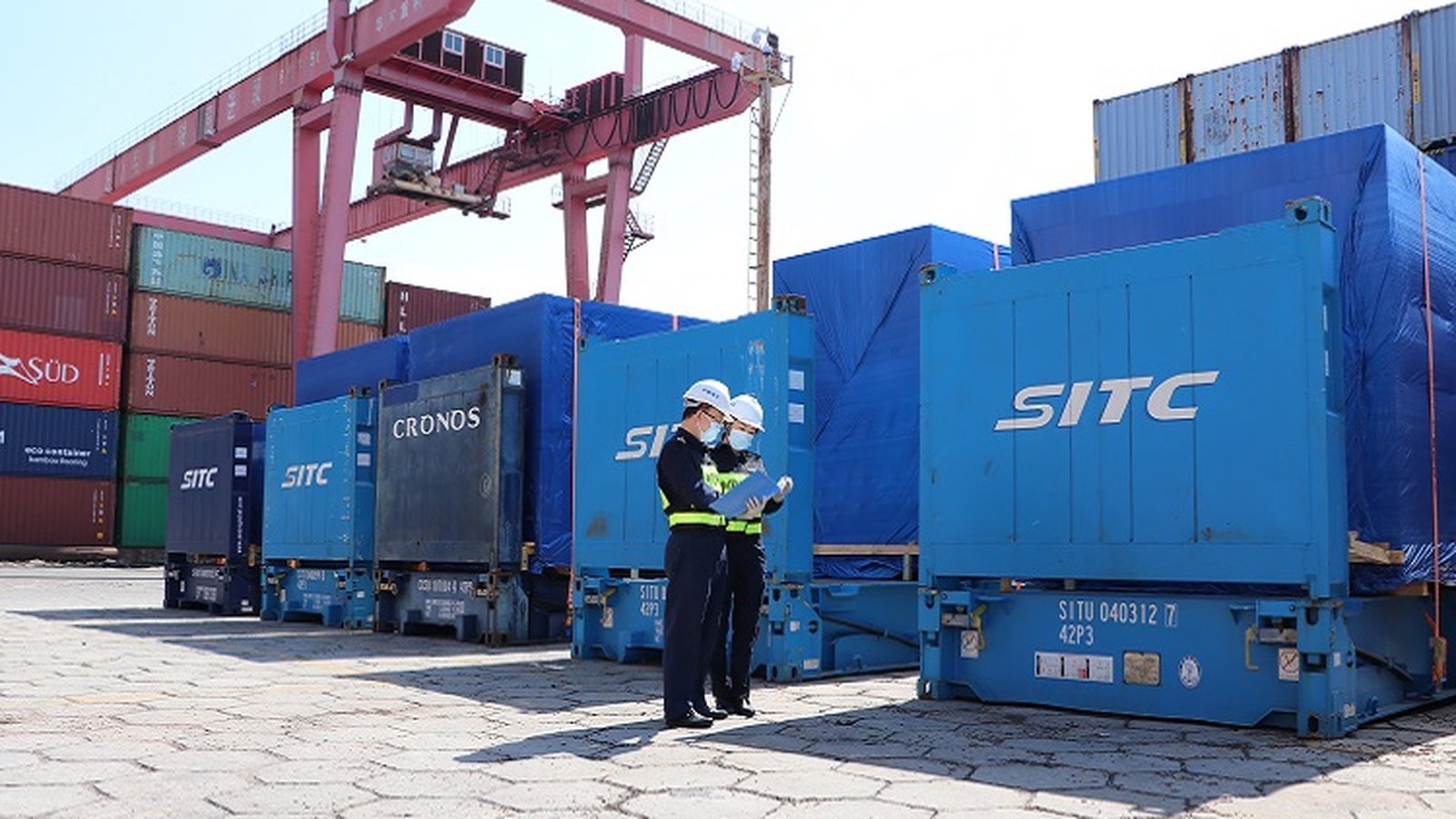
    Customs officers verifying container cargo at a port

    Your container has crossed the ocean. Now what? For first-time importers, the moment the ship arrives at the destination port is when costs explode: port fees, customs duties, broker charges, and—most expensively—demurrage and detention fees if anything delays pickup. This guide walks through the destination clearance process so you can move the container out without paying five-figure surprise charges.

    1. The Documentation You Must Have Ready Before Arrival

    Clearance cannot start until the ship is close to port. Have these documents ready in advance:

    • Bill of Lading (B/L). The carrier’s document of title; original or telex release. You need it to take delivery.
    • Commercial invoice. Shows value, HS codes, Incoterms, and party details.
    • Packing list. Carton counts, weights, dimensions, and marks.
    • Certificate of Origin (COO). Required for preferential duty rates (e.g. FTA countries) and some product categories.
    • Product-specific licenses. FDA prior notice for food, FCC/UL for electronics, CPSC for children’s products, phytosanitary for wood.

    2. The Clearance Process Step by Step

    • Arrival notice. The ocean carrier emails you when the container hits the terminal. This starts the free-time clock.
    • Hire a customs broker. Licensed in your destination country; they file the entry, pay duties, and communicate with customs. Budget USD 150–400 per entry.
    • Customs assessment. Broker files the entry; customs calculates duties and taxes. Pay them before release.
    • Possible exam. Customs may inspect the container (tailgate or intensive exam). This adds 3–7 days and USD 300–1,000 in fees.
    • Release and pickup. Once cleared, you (or your trucker) take the container from the terminal.

    3. Duties, Taxes, and Landed Cost Reality

    What you pay at destination includes:

    • Import duty based on HS code and declared value (varies widely by product).
    • Value-added tax (VAT) in the EU/UK (~20%) or goods and services tax in many countries.
    • Merchandise Processing Fee (MPF) and Harbor Maintenance Fee (HMF) in the US.
    • Terminal handling, drayage, and storage after free time expires.

    Under-declaring value to save duty is the single fastest way to trigger a customs exam, fines, and seizure—never do it.

    4. Demurrage and Detention: The Fees That Hurt

    These are the most hated charges in ocean shipping:

    • Demurrage. Fees for keeping the container at the port terminal beyond the free period (usually 3–7 days).
    • Detention. Fees for keeping the empty container beyond the return window after you pick it up (usually 3–10 days).

    Both run USD 100–300 per day. A container stuck for two weeks can cost USD 2,000–4,000. Avoid them by: having all documents ready before arrival, pre-booking a truck, and inspecting the container promptly at your warehouse.

    5. Common Delays and How to Prevent Them

    • Missing paperwork. Solved by document pre-check 1 week before arrival.
    • Customs exam. You cannot prevent exams, but accurate value and correct HS codes reduce the odds.
    • Trucking shortage. Book drayage in advance during peak season.
    • Wrong Incoterms. If you did not plan who pays destination charges, you will be surprised by the bill. Confirm DAP vs DDP vs FOB responsibilities in the original contract.

    Smooth destination clearance is the result of preparation, not luck. Give your broker the docs early, pay duties on time, and book your truck—and you will avoid the fees that sink margins.

    6. ISF, AMS, and Pre-Arrival Declarations

    For US-bound ocean freight, the ISF (Importer Security Filing)—also called the 10+2—must be filed by the buyer (or broker) at least 24 hours before the container is loaded onto the ship in China. Missing it triggers a USD 5,000 penalty. Similar pre-arrival declarations apply in the EU (ENS) and the UK. Your forwarder in China can usually file these on your behalf—confirm this is included in their service.

    Also confirm whether your goods are subject to FDA prior notice, CPSC registration, or other product-specific filings. A container held because of a missing prior notice can sit for weeks.

    7. Bonded Warehouses and FBA-Direct Delivery

    For high-volume sellers, destination bonded warehouses let you clear duties once and draw stock as needed—useful if you sell across multiple retailers. If you sell on Amazon, ask whether your trucker can deliver the container directly to an FBA fulfillment center instead of draying to your own warehouse; this saves a warehouse move and gets stock listed faster. Confirm FBA dock appointment requirements before booking the truck. Keep a spreadsheet of every destination fee—brokerage, MPF, HMF, drayage, demurrage—so your landed-cost model reflects reality rather than wishful thinking. Most first-time importers underestimate destination charges by 20–30%; building them into your quote prevents margin surprises and keeps your pricing competitive. Always ask your forwarder for a fully landed destination quote before the ship sails, so there are no surprises when the container arrives.

    Get a Free Sourcing Consultation →

  • ESG and Social Compliance Audits for Chinese Suppliers: BSCI, Sedex and SA8000

    ESG and Social Compliance Audits for Chinese Suppliers: BSCI, Sedex and SA8000

    Factory workers in safety helmets inspecting production equipment

    If you supply a European retailer, a US brand, or any major importer, you have almost certainly been asked: “Does your factory have a BSCI or Sedex audit?” Social compliance audits have become a gatekeeping requirement—no audit, no order. Yet many new importers treat them as a paperwork exercise. In reality, a failed audit can cut you off from your best customers. This guide explains the main schemes, what auditors actually check, what happens if you fail, and how to prepare without spending a fortune.

    1. The Main Audit Schemes

    • amfori BSCI. The Business Social Compliance Initiative, now run by amfori. It uses a single audit report recognized by 2,000+ member brands. Results are rated A (best) through E (worst), with a validity of 1–2 years depending on grade.
    • Sedex SMETA. Sedex Members Ethical Trade Audit, delivered in a four-pillar format (labor standards, health & safety, environment, business ethics). Widely used by UK and EU retailers; stored on the Sedex platform.
    • SA8000. A formal certification (not a one-time audit) issued by SAI. More rigorous and more expensive; usually required by brands with strong ESG commitments.

    For most buyers, a valid BSCI or SMETA audit is enough. SA8000 only matters if your customer explicitly requests it.

    2. What Auditors Actually Check

    Auditors spend 1–2 days on site, reviewing payroll, rosters, and facility records, and interviewing workers privately. The core findings:

    • Child and young labor. Verifying ages, ID documents, and working hours for under-18 workers. Any underage worker is a zero-tolerance failure.
    • Working hours and wages. Maximum weekly hours, overtime limits, minimum wage payment, and no unpaid probation periods.
    • Health and safety. Fire exits, extinguishers, emergency lighting, machine guards, chemical storage, and dormitory conditions.
    • No forced labor. No withheld wages, no retained ID documents, no recruitment fees.
    • Environment and business ethics. Waste handling, emissions, and anti-bribery records.

    3. Consequences of a Failed Audit

    A poor rating (D or E in BSCI; major non-conformities in SMETA) means:

    • The factory is removed from the buyer’s approved supplier list.
    • Existing orders may be held until a corrective action plan (CAP) is accepted.
    • Re-audit costs are charged to the supplier. In extreme cases, a child-labor finding leads to public disclosure and reputational damage.

    Most first-time failures are fixable within 3–6 months—the key is a credible CAP with evidence.

    4. How Buyers Can Help Suppliers Improve

    As the brand owner, you can reduce audit risk without micromanaging:

    • Share the audit checklist with the factory 4–6 weeks before the auditor arrives.
    • Require a mock audit or self-assessment first.
    • Budget for low-cost fixes: fire extinguishers, emergency exit signs, guard machine covers, and proper payroll records.
    • Work with an experienced local consultant who understands both BSCI/SMETA criteria and Chinese factory operations.

    5. Who Pays for the Audit?

    Typical cost of a social compliance audit is USD 300–800 per auditor-day, plus travel, totaling USD 800–2,000 per factory. Industry practice:

    • For an existing supplier serving a specific brand, the brand often covers part or all of the first audit.
    • For new suppliers, the factory usually pays; this is a cost of doing business.
    • Re-audits after a failure are almost always paid by the supplier.

    Negotiate this upfront in the supplier agreement. A factory that refuses any audit is usually hiding something—walk away.

    6. Common Non-Conformities and the Corrective Action Plan

    When a factory fails, the audit report lists non-conformities rated as minor, major, or critical. The most frequent findings in Chinese factories:

    • Excessive overtime. Workers logging 60–80 hour weeks during peak season. Fix: production planning, not just paperwork.
    • Missing fire safety. Blocked exits, expired extinguishers, no emergency lighting. Low-cost to fix; high risk if ignored.
    • Incomplete payroll records. Mismatch between rosters and wage sheets. Fix: better HR systems.
    • Subcontracted labor. Workers not on the official payroll. Fix: disclosure and integration.

    The corrective action plan (CAP) should name the root cause, a date, and evidence. A credible CAP accepted by the buyer usually leads to a passing re-audit within 3–6 months.

    7. Preparing Your Factory Before the Auditor Arrives

    The week before the audit, walk the floor as an auditor would: check every fire exit is unlocked, test extinguishers, verify payroll files match rosters, and brief workers on their right to speak privately. Most failures are paperwork problems, not ethical crises—but they still cost the audit fee and delay orders. Treat the audit as a routine compliance project, not a one-off exam. For importers selling into EU retail, a clean BSCI or SMETA report is now as important as a quality test report—budget for it in your landed-cost model from day one. A passing audit also protects you from accusations of greenwashing: documented, third-party-verified labor conditions are what brands and regulators expect.

    Get a Free Sourcing Consultation →

  • Seasonal Product Sourcing Calendar: When to Order for Christmas, Summer and Q4

    Seasonal Product Sourcing Calendar: When to Order for Christmas, Summer and Q4

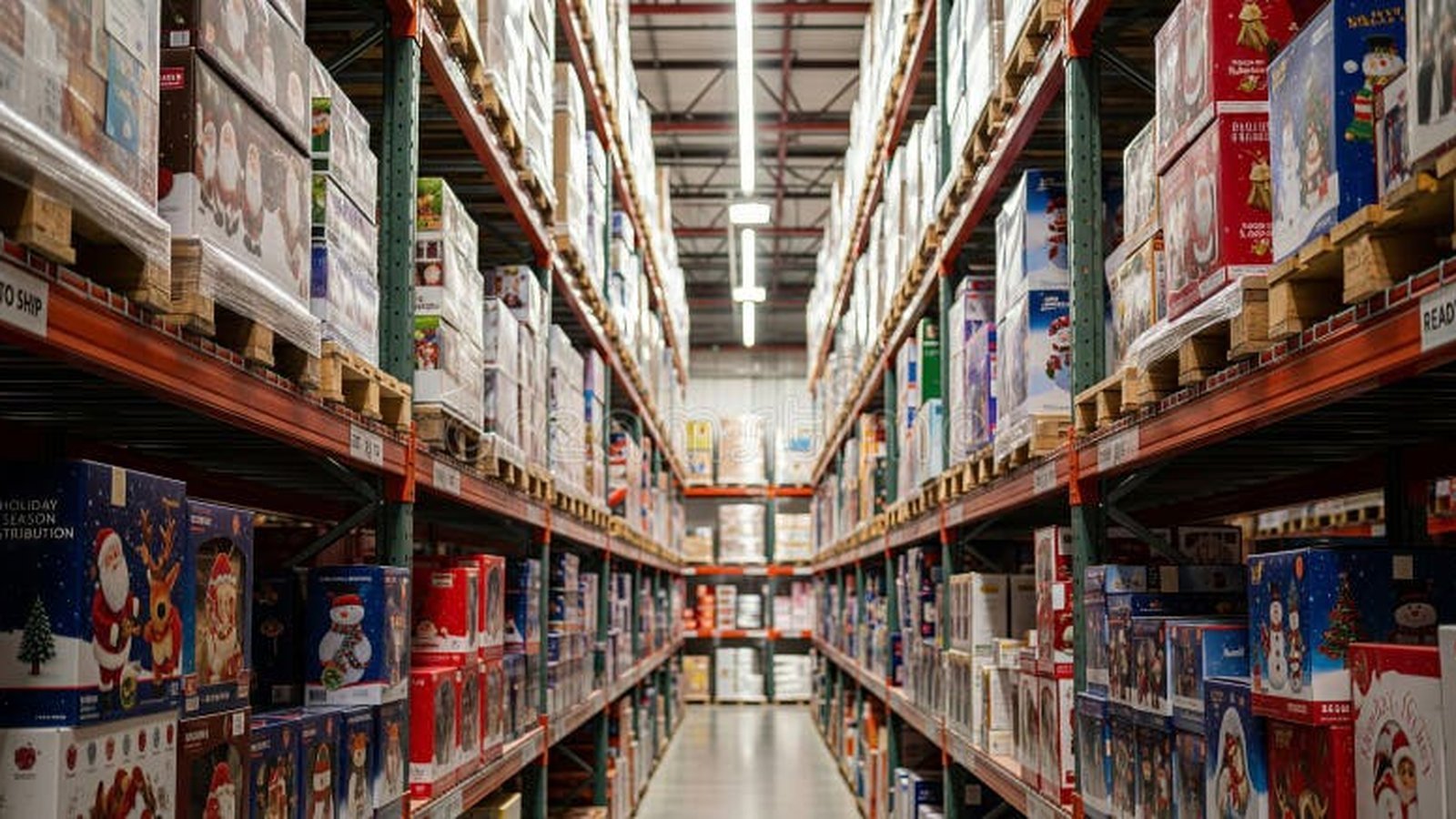
    Holiday seasonal products stacked on warehouse shelves

    Selling seasonal products—Christmas decorations, summer beach gear, Halloween costumes, Valentine’s gifts—is a timing business. Order two months too late and you miss the season entirely, writing off an entire container of stock. The winning move is to work backwards from your sell-by date and build a calendar that accounts for Chinese factory capacity, shipping, and warehousing. This guide gives you the timeline.

    1. The Core Principle: Back-Schedule From Your Sell Date

    Start with the date your product must be on the shelf (or in the warehouse) and subtract each step. A typical full timeline for a sea-freighted product to the US/EU:

    • On-sale date. The first day you can make money—e.g. November 1 for Christmas goods.
    • Minus 2–3 weeks: receiving, inspection, FBA shipping, or warehouse shelving.
    • Minus 35–45 days: ocean freight (China to US West Coast), plus 7–10 days for destination port clearance and drayage.
    • Minus 25–35 days: bulk production, including pre-shipment inspection.
    • Minus 10–15 days: sample approval, artwork, and mold/pigment preparation.
    • Minus 7–14 days: final supplier selection and PO.

    Add it up and Christmas goods sold on November 1 should be ordered in early May—roughly 5–6 months before the season. This is why experienced importers place Q4 orders in May and June.

    2. Example Calendars for the Major Seasons

    • Christmas / Q4 (on-sale Nov 1–Dec 15). Select suppliers in April, approve samples by May, place bulk PO in May–June, ship in July–August, receive in September. Avoid September shipping—you will miss the season.
    • Summer / beach (on-sale May 1). Order in November–December; ship in February–March. This window collides with Chinese New Year, so plan around it.
    • Halloween (on-sale Oct 1). Order in March–April; ship in June–July.
    • Valentine’s Day (on-sale Feb 1). Order in August–September; ship in November. Again, CNY can delay a reorder.

    3. Chinese New Year and Summer Capacity Shocks

    Two calendar events distort every timeline:

    • Chinese New Year (late January–February). Most factories shut for 7–14 days; production effectively stops 1–2 weeks before and restarts 1–2 weeks after. Plan to finish bulk production before the shutdown, or accept a 3–4 week delay.
    • July–August summer lull and pre-Canton Fair rush. Factories are often swamped in September–October ahead of the October Canton Fair and Q4 shipping; lead times stretch by 30–50%.

    4. Trial Order, Bulk Order, and Reorder Rhythm

    For a new seasonal product, run a small trial first:

    • Trial order (100–500 pcs). Arrive 2–3 months before the season; test your listing, conversion, and returns.
    • Bulk order (full container). Placed only after the trial sells through. This is the safe approach for first-time seasonal items.
    • Reorder by air. If a product outperforms, a second 100–300 kg shipment by air freight (7–10 days) can top up stock during the season at a higher unit freight cost—far better than missing sales.

    5. What to Do If You Miss the Window

    If you realize in September that your Christmas order will not land until December, options are:

    • Switch a portion of the order to air freight or express to at least have some stock on time.
    • Shift to clearance strategies: deep discounts, bundle deals, or donate stock for a tax write-off rather than holding it for a full year.
    • Negotiate with the factory to split production—ship half now by air, half later by sea for next year.

    Discipline—not luck—is what separates seasonal sellers who make money from those who liquidate pallets every January.

    6. Forecasting Stock Levels for Reorders

    Once you have historical sales data, set stock rules rather than guessing:

    • Entry stock. Bring in enough for 60–75% of expected season demand, not 100%. This limits markdown risk.
    • Reorder trigger. When sell-through hits 50% by mid-season, place an air-freight reorder of 20–30% of entry quantity.
    • End-of-season stop. Stop all reorders 6 weeks before the sell-by date; any later order will not arrive in time.
    • Liquidation plan. Pre-arrange a discount timeline (30% off, 50% off, donate) so you are not stuck holding stock into the next year.

    Track sell-through weekly, not monthly. A seasonal product that is flat by early November will not suddenly sell in December.

    7. Choosing What to Sell Each Season

    The calendar only works if you pick the right products. Use last year’s sell-through data to double down on winners, and test only 1–2 new SKUs per season—not ten. Seasonal items have a narrow window; a product that fails to sell by the second week of the season rarely recovers. Keep entry inventory conservative and use air-freight reorders to feed winners rather than over-ordering speculative items. Factor in your own handling time as well—photos, listing copy, and PPC setup all take days, so build that buffer into the back-schedule.

    Get a Free Sourcing Consultation →

  • China Trademark Registration Guide: Why File, How It Works, Classes and Anti-Squatting

    China Trademark Registration Guide: Why File, How It Works, Classes and Anti-Squatting

    Businessman in suit signing a legal contract document with a pen

    If you sell into China, manufacture in China, or even just visit Canton Fair with your brand on your booth, you need a registered trademark in China — and you need it before your competitor does. China follows a first-to-file system, not first-to-use: whoever files the mark first generally owns it, even if you have used it for years abroad. Brand squatting is real, expensive to reverse, and preventable. This guide walks through why to file, the CNIPA process, the 45 classes, costs, and how to respond if your mark is already taken.

    Why Register in China Before You Need To

    The risk is concrete. Squatters scan overseas brand registers, file the same mark in China in relevant classes, and then either sell it back to you at a markup or block your products at Chinese customs. Without a Chinese registration, you cannot stop a squatting factory from making lookalikes, and you cannot record your mark with customs to seize infringing exports. Filing early — before scaling China sales — costs a few hundred dollars; reversing a squat costs thousands and takes months.

    The CNIPA Process

    Applications go to the China National Intellectual Property Administration (CNIPA, formerly the trademark office). Under the Trademark Law, examination must be completed within nine months of receipt. The stages are:

    • Search: check the CNIPA database for prior identical or similar marks in your classes.
    • Filing: submit the application with the mark, classes, and applicant details.
    • Examination: CNIPA reviews formalities and absolute grounds (distinctiveness, legality).
    • Preliminary publication: if approved, the mark is published for a three-month opposition period.
    • Registration: if no opposition succeeds, the registration certificate issues. A registration is valid for ten years and renewable indefinitely.

    Real-world end-to-end timing is typically 9–12 months from filing to registration. Foreign applicants must use a registered Chinese trademark agent; a foreign company cannot file directly.

    The Nice Classification — Choose Your Classes Carefully

    Trademarks in China are registered by class, following the Nice Classification’s 45 classes: 1–34 for goods, 35–45 for services. You must register in the classes covering your actual products — a mark registered only for clothing does not protect you for accessories.

    Most brands file their core product class first, then consider defensive classes. For example, a consumer-electronics brand might register Class 9 (electronics), Class 35 (retail and online sales), and Class 42 (software design). Each additional class adds government fees and agent cost, so balance coverage against budget.

    Madrid System and International Registration

    If you already hold a home-country registration or application, you can extend protection to China (and many other countries) through the WIPO Madrid System in a single filing. China is a Madrid member; the international registration is then examined by CNIPA under the same domestic rules. For a pure China focus, a direct national filing is often simpler and faster to manage.

    If Your Mark Is Already Squatted

    Do not panic, and do not immediately pay the squatter. Options include:

    • Opposition: if the squatting mark is still in its three-month publication window, file an opposition citing your earlier well-known rights.
    • Invalidation: after registration, request a declaration of invalidation based on prior use, bad-faith filing, or well-known mark status.
    • Non-use cancellation (“撤三”): if the squatter has not used the mark for three years, file for cancellation for non-use.
    • Purchase negotiation: sometimes a negotiated assignment is faster and cheaper than litigation — but only after legal review.

    Customs Recordal

    Once registered, record your trademark with China Customs. With recordal in place, customs can detain suspected counterfeit exports at the border — a powerful tool if your products are being copied and shipped out of China. Combine the registration, the customs recordal, and a monitored watch on e-commerce platforms for a full protection stack.

    Cost, Timing, and Practical Filing Strategy

    Filing costs combine official CNIPA fees per class plus agent service fees; a direct filing in one class typically runs to a modest four-digit RMB total, with Madrid international registration adding WIPO fees in Swiss francs. The total is small relative to the cost of fighting a squat or losing a Chinese market entry. Budget for your core product class plus retail and online services in Class 35, and revisit defensive classes as revenue grows.

    A practical sequence is: search and clear the mark; file the core classes; wait through examination and the three-month opposition window; receive the registration; then record with China Customs and monitor e-commerce platforms. If you manufacture under an OEM arrangement, include trademark warranty and IP indemnity in your supply contract — the factory must guarantee it is not infringing anyone’s mark, and must help you enforce yours against lookalike producers in the same cluster.

    Also remember that a Chinese registration is not a one-time event. Maintain renewal filings before the ten-year expiry, police new filings that resemble your mark, and keep evidence of use — sales records, packaging, advertising — so that if an invalidation or opposition ever arrives, you can prove your prior rights. Treat the trademark as a business asset, not just a filing.

    File or Defend Your China Trademark With a Local Agent →

  • Certificate of Origin for China Imports: General vs Preferential (RCEP), How to Apply, Tariff Impact

    Certificate of Origin for China Imports: General vs Preferential (RCEP), How to Apply, Tariff Impact

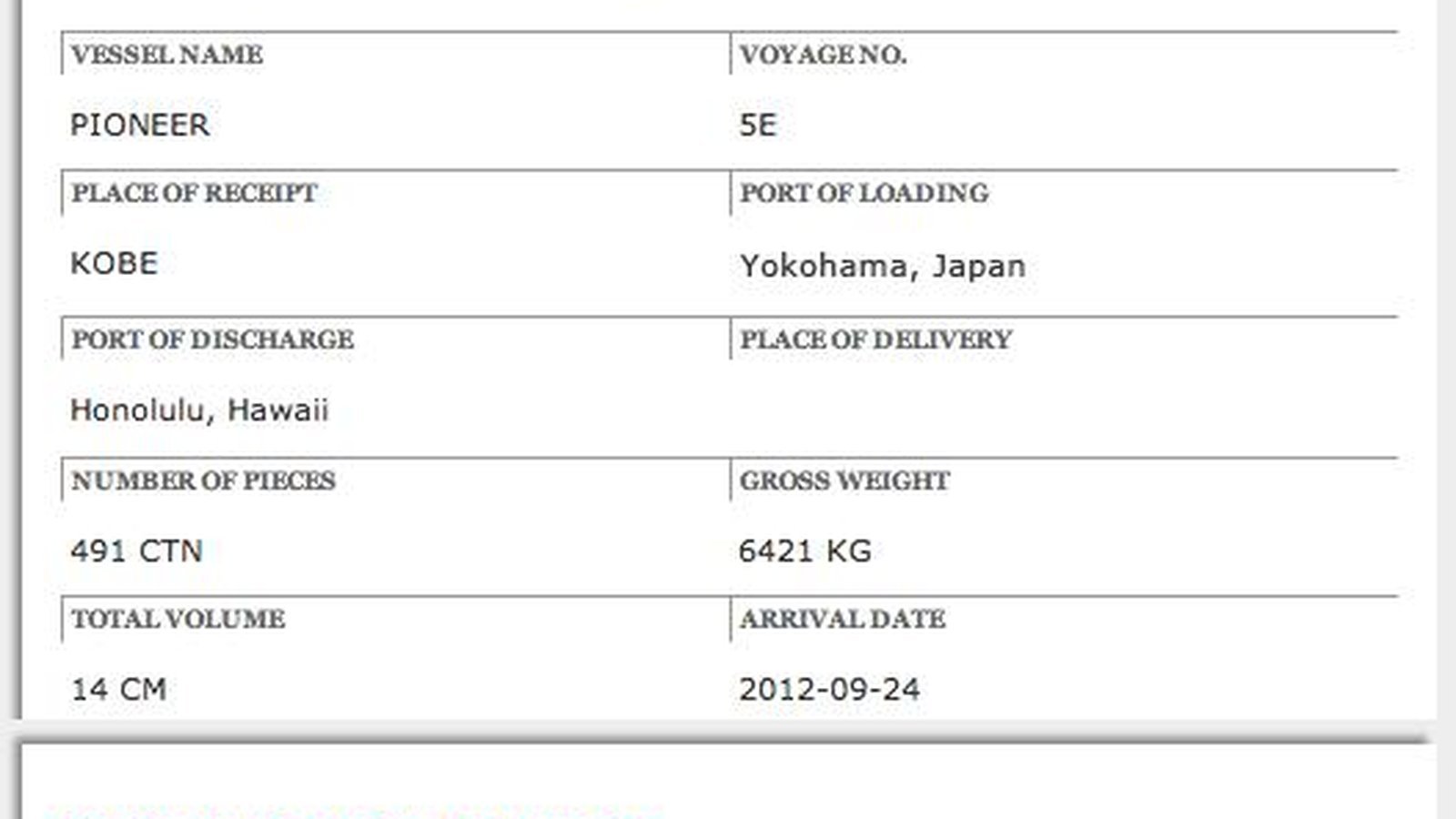
    Original ocean bill of lading and customs declaration documents

    A Certificate of Origin (CO) is a one-page document that proves where your goods were made. For most imports from China it is a routine customs form; under a preferential trade agreement it can be the difference between paying the standard MFN tariff and paying zero. Yet importers routinely miss RCEP tariff reductions because they do not know which certificate to request, or their supplier fills it out wrong. This guide explains the two CO types, where to get them, how they affect duty, and the mistakes that get shipments held.

    Two Kinds of Certificate of Origin

    Not all COs are the same.

    • General (non-preferential) CO: simply certifies the country of origin. Required for customs clearance, for some import licenses, and under letters of credit. It does not reduce tariffs.
    • Preferential CO: certifies that goods meet the rules of origin of a free-trade agreement, so the buyer can claim reduced or zero import duty. Examples issued for Chinese exports include Form RCEP, Form E (ASEAN-China FTA), Form F (Chile), Form for Australia and Korea under bilateral agreements, and others.

    If your destination country has a trade agreement with China and your product qualifies, a preferential CO is free money — a document you should request on every shipment.

    RCEP and the Tariff Reduction

    The Regional Comprehensive Economic Partnership (RCEP) entered into force on January 1, 2022, covering China, Japan, South Korea, Australia, New Zealand, and the ten ASEAN members. Under RCEP, tariffs on qualifying goods are phased down over time. Public examples are typical: a shipment to Japan saw import duty reduced from 2.5% to 2.2% under RCEP; a Philippines-bound shipment qualified for a reduction from 15% toward zero.

    To claim RCEP treatment, the goods must meet the product-specific rules of origin — usually a regional value content threshold or a change in tariff heading. The certificate must be the official Form RCEP, issued or declared by an approved exporter, and presented to the importing customs authority. RCEP certificates can now be self-printed for trade with Japan, Korea, Australia, New Zealand, Singapore, Thailand, Malaysia, Indonesia, and Vietnam.

    Who Issues the CO in China

    Chinese exporters obtain COs from two channels:

    • China Council for the Promotion of International Trade (CCPIT): the traditional issuer for general COs and for many preferential forms. Most forwarders handle this on behalf of the factory.
    • General Administration of Customs (GACC): issues preferential certificates and administers the “approved exporter” system. An approved exporter may self-declare origin without waiting for customs review; the approval is valid for three years and must be renewed before expiry.

    The application typically requires the commercial invoice, packing list, and a declaration of origin; turnaround is usually one to two working days.

    When the Buyer Needs a CO

    • Customs clearance: most countries request a CO on file for tariff classification.
    • Letters of credit: an LCL clause often requires a specific CO — mismatched wording delays negotiation.
    • Quotas or trade restrictions: some countries use COs to track origin for anti-dumping or safeguard measures.
    • Preference claims: the importer presents the preferential CO to pay the lower FTA rate.

    Common Errors That Hold Shipments Up

    • Description mismatch: the goods description on the CO must exactly match the commercial invoice and packing list.
    • Late issuance: COs must usually be issued before or at shipment; a post-dated CO can lose preferential treatment.
    • Wrong form: using a general CO when an RCEP form is required means the importer pays full duty.
    • Rules-of-origin failure: goods assembled in China but made mostly of imported parts may not meet RCEP value-content thresholds; ask your supplier for the calculation.

    For repeat orders, ask your supplier to include the CO with the shipping documents every time — not just when you remember to ask.

    Electronic COs, Reissuance, and Back-to-Back Certificates

    China has largely digitized preferential CO issuance. For RCEP, approved exporters can issue a self-declared origin statement without a paper certificate, and the Chinese customs system supports electronic transmission of CO data to counterpart customs authorities in Japan, Korea, Australia, New Zealand, and ASEAN countries. This speeds clearance and reduces the risk of a paper CO being lost or mismatched.

    If a CO is lost or contains an error, it can be reissued — but within the agreement’s time limits, and usually only before the goods clear the importing country. Back-to-back COs are relevant for goods routed through a third RCEP member (for example, consolidated in Singapore before reaching Japan); these require the original CO chain to be preserved. For regular shippers, ask your forwarder to set up an approved-exporter arrangement so future shipments carry the correct preferential documentation automatically, rather than being requested case by case.

    One practical tip: at the start of each new product line, ask your customs broker whether the destination country has a FTA with China and whether your HS code is on the concession schedule. Many importers discover years later that they were paying full duty on shipments that qualified for RCEP or ASEAN preferences — money that can never be recovered after customs clearance. A fifteen-minute broker check per HS code at launch prevents that.

    Verify RCEP Eligibility and CO Documentation for Your Shipment →

  • Promotional Products Sourcing from China: Custom Gifts, MOQ and QC Guide

    Promotional Products Sourcing from China: Custom Gifts, MOQ and QC Guide

    Custom branded mugs packaged in gift boxes

    Custom promotional products—branded mugs, pens, tote bags, badges, USB drives, and t-shirts—are one of the most common first imports from China. The unit prices are low, the customization is straightforward, and a good supplier can turn your logo into 500 finished gifts in two weeks. But promotional items also have more hidden defects than most buyers expect: crooked prints, color mismatch, faded logos after one wash, and broken keychains. This guide covers the main categories, the printing methods, realistic MOQs, QC points, and how to time orders for trade shows and holiday giveaways.

    1. The Main Categories and Where They Are Made

    • Drinkware. Ceramic mugs, tumblers, bottles. Made in Chaozhou and Yiwu. Ideal for corporate gifts and conference swag.
    • Writing instruments. Ballpoint pens, roller pens. Ningbo and Yiwu dominate; the lowest-cost category, MOQ often 500 pcs.
    • Bags. Non-woven tote bags, cotton canvas bags, cooler bags. Strong in Fujian and Zhejiang.
    • Badges and keychains. Enamel pins, metal badges, PVC keychains. Shenzhen and Dongguan.
    • Tech gadgets. USB drives, power banks, wireless chargers. Shenzhen—note that electronics need FCC/CE/RoHS certification.
    • Apparel. T-shirts, caps, aprons. Usually print-on-blank garments from Guangzhou.

    2. Printing Methods and Realistic MOQs

    Your choice of decoration method drives both price and minimum order quantity:

    • Screen printing (丝印). Best for flat items (bags, pens, t-shirts). MOQ 100–500 pcs per color; cheapest at volume.
    • Laser engraving (激光). Permanent mark on metal, wood, and bamboo. MOQ 50–100 pcs; no color, but premium look.
    • Heat transfer / sublimation (烫印). Full-color photo logos on mugs and fabric. MOQ 50–100 pcs; higher unit cost but unlimited colors.
    • Embroidery (刺绣). For caps, polo shirts, bags. MOQ 50–100 pcs; durable and upscale.
    • Pad printing. For curved surfaces (pen barrels, bottle caps). MOQ 200–500 pcs.

    As a rule, expect a setup (plate) fee of USD 30–80 per color per method. Negotiate to have this waived at 1,000+ pcs.

    3. Pricing and Lead Times

    A typical quote includes: base product price + printing fee per color + setup fee + packaging + freight. Realistic FOB ranges (ex-factory):

    • Custom mug with one-color print: USD 1.2–3.5/pc at 500 pcs
    • Branded ballpoint pen: USD 0.15–0.6/pc at 1,000 pcs
    • Cotton tote bag with screen print: USD 0.8–2.5/pc at 300 pcs
    • Enamel pin: USD 0.4–1.5/pc at 200 pcs

    Standard production lead time is 10–20 working days after artwork approval; add 7–15 days for sea freight. Rush orders (7 days) usually carry a 20–40% surcharge.

    4. QC: The Defects That Actually Happen

    Before shipment, inspect:

    • Print position and alignment. A crooked logo on 10% of units ruins the gift. Measure with a grid; reject units more than 2 mm off.
    • Color match. Compare the printed logo against your Pantone/PMS color. Sublimation and heat-transfer prints often run 5–10% lighter—approve a physical proof first.
    • Durability. For drinkware, run a dishwasher or hand-wash test on samples; for fabric, rub the print 50 times with a wet cloth. Fading means the ink layer was wrong.
    • Base product quality. Mugs should be chip-free; pens should write; zippers on bags should work. Inspect a sample of blanks before printing even starts.

    5. Compliance and Seasonal Timing

    If your promotional product touches food (mugs, bottles), meets children (toys, school giveaways), or contains electronics (USB drives, power banks), compliance is not optional:

    • Food-contact drinkware needs FDA / EU 10/2011 / LFGB migration testing.
    • Items aimed at children need CPSIA (US) or EN 71 (EU) toy safety testing.
    • Electronics need FCC/CE/RoHS; lithium power banks need UN38.3.

    For seasonal events, plan backwards. A trade show in September requires the goods to arrive by late August—so production must finish in mid-July, meaning artwork and PO must be approved by mid-June. Chinese factories and forwarders are fully booked before Canton Fair weeks and before Christmas; order 4–6 weeks earlier than you think you need.

    6. Artwork Approval and the Proof Step

    The most common promotional-product disaster is a logo printed wrong because artwork was approved over email screenshots. Always require:

    • A digital proof in vector format (AI/EPS/PDF) showing logo size, position, and Pantone color.
    • A physical pre-production sample—a printed mug, pen, or bag—shipped to you before bulk. Approve it in writing.
    • Confirmation that the factory uses your approved file, not a re-drawn version they made themselves.

    Getting the proof right costs USD 20–50 and a week of time. Skipping it can ruin 1,000 units.

    7. Choosing the Right Promotional Supplier

    With thousands of promotional product factories in Yiwu and Shenzhen, selection matters. Look for suppliers that already specialize in your product type—a mug factory that also prints t-shirts is usually a trading company. Ask for product samples before paying the deposit, check their Alibaba Trade Assurance status, and avoid quotes that are 40% below the market average. For first orders, keep quantities small (300–500 pcs) and scale up once quality and delivery are proven.

    Get a Free Sourcing Consultation →

  • AQL Sampling Inspection Explained: ANSI/ASQ Z1.4 Tables, Ac/Re Rules and Contract Clauses

    AQL Sampling Inspection Explained: ANSI/ASQ Z1.4 Tables, Ac/Re Rules and Contract Clauses

    Warehouse inspector with clipboard checking inventory on shelving

    “AQL 2.5 / 4.0” is the phrase on every third-party inspection report from China, yet most buyers cannot explain what it means, how many units the inspector will open, or when a batch is rejected. Get it wrong and you either accept a container full of defects or reject a batch that was actually fine — either way, money leaks. This guide explains AQL in plain language, how the ANSI/ASQ Z1.4 (ISO 2859-1) tables work, and how to write it correctly into your inspection agreement.

    What AQL Actually Means

    AQL stands for Acceptable Quality Limit. It is not a quality guarantee and it is not a defect count. It is a statistical threshold: the worst-percent defective lot that a sampling plan considers acceptable. If the lot’s true defect rate is at or below the AQL, the sampling plan will most likely accept it; if it is significantly above, it will most likely reject it.

    Critically, AQL does not mean “X% defects are allowed in the box.” AQL 2.5 means that the inspection is designed to accept lots whose defect rate is around 2.5%, and to reject lots that are clearly worse. Consumers still receive some defects; the standard is about batch-level decision risk, not zero defects.

    The Standard and Common Values

    The industry standard is ANSI/ASQ Z1.4, identical to ISO 2859-1 (the current 2026 edition is the third revision). Inspection is done by attributes — each unit is simply classified as good or defective, not measured on a scale.

    The almost-universal default for consumer products is:

    • Critical defects: AQL 0 — safety hazards, legal non-compliance, anything that makes a product dangerous or illegal. A single critical defect rejects the whole batch.
    • Major defects: AQL 2.5 — functional failures, obvious appearance flaws that a customer would reject.
    • Minor defects: AQL 4.0 — small appearance issues most customers would not return.
    • General Inspection Level II — the standard sample-size level for most pre-shipment inspections.

    How Many Units Are Sampled?

    Sample size depends on the total lot size and the inspection level. The tables assign a code letter; for example, under Level II, a lot of 501–1,200 units maps to code letter J, which means 80 samples. For a lot of 3,201–10,000 units, the sample jumps to 200 pieces.

    More important: doubling the lot size does not double the sample. Inspecting 10,000 units does not require opening 1,000 — the statistics hold because AQL is designed around lot-size bands. If you are paying an inspector to open 300 cartons of a 5,000-unit order, they are likely over-sampling; if they open 20, they are under-sampling.

    Accept / Reject Rules (Ac / Re)

    Each sample size and AQL value has an accept number (Ac) and a reject number (Re). For code letter J, AQL 2.5, the plan allows up to 7 major defects to accept, and rejects at 8. For AQL 4.0, the allowable count is higher — up to 10. Critical defects at AQL 0: even one is a reject.

    The decision is binary: if defects in the sample fall at or below Ac, the lot passes; if they reach Re, the whole lot fails inspection. There is no “half pass.” A failed lot triggers 100% sorting, rework, or return — written into your purchase contract in advance.

    How to Write AQL Into Your Inspection Order

    Give the inspection agency a written reference, not a phone call. Include: standard (ANSI/ASQ Z1.4 / ISO 2859-1), inspection level (General Level II), AQL values for critical/major/minor, and a clear defect classification list for your product. Without your defect list, the inspector decides what counts as major vs minor — and their call may differ from yours.

    Common Mistakes to Avoid

    • Mixing AQL 2.5 with DPPM. They are different tools; use AQL for batch acceptance, DPPM for supplier scorecards.
    • Changing AQL per shipment. Pick 0/2.5/4.0 and hold it steady; moving the goalpost makes supplier performance impossible to compare.
    • Inspecting only one carton type. The standard requires random sampling across the production run, not a single pallet.
    • Ignoring failed lots. If a lot fails AQL, do not ship it anyway — that converts a sampling problem into a returns problem.

    A Worked Example You Can Use Today

    Suppose you have an order of 5,000 wireless earbuds. Under General Inspection Level II, the lot band 3,201–10,000 maps to sample size 200 (code letter L). The inspector opens 200 pieces across randomly selected cartons. At AQL 2.5 for major defects, the accept number is 10 and reject is 11; at AQL 4.0 for minor, accept is 14 and reject 15; any single critical defect (for example, a battery that overheats) is an immediate lot rejection.

    If the inspector finds 8 major defects and 12 minor defects, the lot passes. If they find 12 major defects, the lot fails regardless of the minor count, and you invoke the contract’s failing-lot clause: 100% sorting at the factory’s cost, rework of defective units, or a discount/return arrangement before shipment. Writing this clause into the inspection report and the purchase order in advance turns a failed AQL result into an enforceable remedy rather than an argument.

    Get a Custom AQL Inspection Plan for Your Product →

  • Supplier Scorecard and Performance Evaluation: KPIs, Weights and Improvement Plans

    Supplier Scorecard and Performance Evaluation: KPIs, Weights and Improvement Plans

    Business professionals reviewing performance data charts on a large digital display

    Most importers judge Chinese suppliers by gut feel: “they’re okay, last order was fine.” That works for three suppliers and falls apart at ten. Once you run a multi-supplier supply chain, you need a supplier scorecard — a structured, repeatable evaluation that turns subjective impressions into comparable numbers. A scorecard tells you who deserves more volume, who needs a corrective-action plan, and who should be phased out. This guide explains the dimensions, KPIs, weights, and cadence that work for China-based sourcing.

    Why a Scorecard Matters

    Without a scorecard, poor performance is discovered only when it hurts: a late batch that stops your production line, a defect rate that triggers returns, or a price creep nobody noticed over six orders. A scorecard makes these patterns visible before they become crises. It also gives you objective leverage in negotiations — a supplier who knows you track on-time delivery and DPPM will prioritize you over a buyer who never measures.

    The Five Evaluation Dimensions

    • Quality: the most important dimension. Track defect parts per million (DPPM) from pre-shipment inspection reports, on-time first-article approval, and incoming defect rates at your warehouse.
    • Delivery: on-time delivery (OTD) rate — the share of orders shipped by the contract ready date. Track this by supplier, not by shipping line.
    • Price competitiveness: price trend versus market, cost-down willingness, and total landed cost, not just unit price.
    • Responsiveness and communication: reply time, clarity of quotes, willingness to solve problems, and English communication quality.
    • Compliance and capability: valid business license, required certifications (ISO, CE/RoHS test reports), social-compliance posture, and financial stability.

    KPIs and How to Measure Them

    Pick a small set of concrete KPIs with defined data sources.

    • DPPM: number of defective units found / total inspected × 1,000,000, measured from your third-party inspection reports.
    • OTD %: orders shipped on or before the contract date / total orders in the period.
    • Quote response time: hours from RFQ send to a complete, formatted reply.
    • Claim rate: share of orders that generate a quality claim or rework.
    • Price change frequency: how often unit price moved without a documented material-cost reason.

    Data sources are inspection reports, shipping records, emails, and your accounting system. Do not rely on supplier self-reported numbers.

    Weights, Scoring, and Cadence

    Weights depend on your product. For most consumer goods, a reasonable starting point is: quality 35%, delivery 25%, price 20%, responsiveness 10%, compliance 10%. Each KPI is scored 1–5, multiplied by its weight, and rolled up to a 0–100 total.

    Score quarterly. A monthly cadence is too noisy because one bad batch skews the result; annual is too slow to act. At each quarterly review, segment suppliers into A (80+, strategic), B (60–80, acceptable with action), and C (below 60, improvement required). Share the scorecard with the supplier — they cannot improve what they do not know.

    Improvement Plans and Consequences

    A scorecard without consequences is a report, not a tool. For a B supplier with a dip in DPPM, agree a 90-day corrective-action plan: root-cause analysis, process changes, and a re-inspection threshold. For a C supplier, reduce new PO volume, move one SKU to a backup, and set a 60-day warning. If the next two quarters stay below threshold, phase the supplier out and shift volume to an A-rated alternative.

    Used well, the scorecard turns supplier management from complaint-driven to predictable — and it becomes the single best input for deciding where your next large order should go.

    Where the Data Comes From — and What to Avoid

    A scorecard is only as good as its inputs. Quality scores should come from independent third-party inspection reports, not from the factory’s own QC. Delivery scores should come from your shipping records and confirmed ETD dates, not from the supplier’s promises. Price scores should track landed cost, including freight and duties, not just the unit price on the proforma invoice. Mixing supplier self-reporting into the scorecard defeats its purpose.

    Equally, do not over-engineer it. A scorecard with twenty KPIs is harder to maintain than the business can sustain. Start with five to seven measures, review quarterly, and refine after three cycles. The goal is a living document that aligns you with your best factories, not a dashboard nobody opens. When a supplier improves its score, reward it with more volume and longer terms; when it falls, the data makes the decision to shift work objective rather than emotional.

    Finally, calibrate the scorecard against real outcomes, not theory. After the first two quarters, compare who actually won new business — the top-rated suppliers or the cheapest quotes — and adjust weights if price is being over- or under-rewarded. A scorecard is a management tool, not a fixed formula; it should evolve with your supply chain.

    Most importers find that after two quarters, the scorecard surfaces one or two quiet problems — a slow-rising defect rate, a supplier that always promises but rarely ships on time — that individual PO reviews had hidden. That early signal is worth the whole exercise.

    Build a Supplier Scorecard for Your China Supply Base →

  • Sea Freight Delays from China: Causes, Tracking, Contract Clauses and Contingency Plans

    Sea Freight Delays from China: Causes, Tracking, Contract Clauses and Contingency Plans

    Large container ship loaded with colorful containers sailing on the open ocean

    Sea freight from China rarely runs exactly on schedule. A vessel that was supposed to discharge in Los Angeles in 18 days can arrive in 30; a blank sailing, a typhoon, a canal disruption, or a terminal backlog can push your container past your reorder date. Most importers experience delay as a surprise because they track nothing between booking and arrival. The difference between a managed delay and a stockout is what you do before the ship sails: contract clauses, tracking routines, buffer stock, and multimodal alternatives. This guide lays out the full playbook.

    Why Ocean Shipments from China Actually Get Delayed

    • Port congestion: when a megahub such as Yantian, Shanghai, or Los Angeles backs up, ships anchor for days waiting for berths.
    • Weather and seasonality: Pacific typhoons from July to October force port closures; winter storms on the North Atlantic add days.
    • Blank sailings and skipped ports: carriers cancel or merge voyages to manage overcapacity, often with only a week’s notice.
    • Geopolitical chokepoints: Red Sea diversions around the Cape of Good Hope add 10–14 days; Panama Canal droughts restrict neopanamax transits.
    • Labor actions: port-worker strikes on either end of the route can stop loading or discharge for days.
    • Documentation issues: wrong HS codes, missing certificates, or late manifest data hold the container in customs for days.

    Track Every Shipment, Not Just the Booking

    You should know where your container is every week. Use the carrier’s own schedule portal with the bill of lading number, and cross-check with independent AIS platforms that show the vessel’s real position. If the ship is 48 hours behind schedule a week before arrival, you have time to decide whether to expedite the next order, reroute, or notify your customer.

    Build a simple shipment tracker in a spreadsheet: container number, vessel, ETD, ETA at loading port, ETA at discharge, last tracking date, and notes. Review it every Monday. A delay spotted early is a logistics problem; a delay discovered when the warehouse runs empty is a revenue problem.

    Contract Clauses That Protect You

    Your purchase contract should state the required ready date and the earliest acceptable shipment window. Carriers’ bills of lading explicitly state that transit time is not guaranteed, so you cannot claim delay damages from the shipping line for a late voyage — ocean freight contracts by standard terms give the carrier broad liberty to deviate. Your protection instead comes from:

    • A clear ready-to-ship date in the supplier contract, with liquidated damages for supplier-caused delay.
    • A force majeure clause that defines what counts as excused delay.
    • A requirement that the supplier books the carrier and confirms the vessel name and sailing date in writing.

    You can also buy cargo insurance that covers general average and physical loss; note that standard marine cargo insurance does not compensate you for pure economic loss such as lost sales caused by late arrival.

    Buffer Stock and Multimodal Backups

    The most effective delay mitigation is on your side of the ocean. Keep 4–8 weeks of safety stock for top SKUs, sized to the longest realistic ocean transit plus a buffer. When a delay hits, the buffer absorbs it.

    Maintain a multimodal backup plan. For Europe, China-Europe rail freight takes 16–20 days terminal-to-terminal and is unaffected by Red Sea diversions; for urgent top-ups, air freight or express courier moves in 5–8 days at higher cost. Pre-qualify a rail forwarder and an air forwarder before you need them, so a panic shipment can be dispatched the same week.

    During known disruptions — typhoon season, peak Q4, canal crises — shift a share of volume to the alternative mode proactively, not reactively.

    Claims and Post-Mortem

    When a container arrives damaged, file a marine cargo claim within the policy’s notice period, usually within days of discharge, with photos and the carrier’s damage report. For repeated carrier delays, switch alliances or ports — the market has many options. After every major delay, run a short post-mortem: what did the tracker tell you, when did you first see it, and what could have been decided earlier? That discipline turns next delay into a managed event rather than a fire drill.

    What to Do When a Delay Actually Hits

    When your tracker shows the vessel running late, do three things immediately. First, quantify the impact: how many days late, which SKUs are on board, and how long your current warehouse stock lasts. Second, notify any affected B2B customers or marketplace listings before they ask; a proactive notice preserves trust far better than a stockout surprise. Third, decide on a mitigation: if the delay is under two weeks and you have buffer, absorb it; if it exceeds two weeks, trigger the multimodal backup — rail for Europe-bound cargo, air freight for urgent units — and split the cost conversation with your supplier or carrier where delay was supplier-caused.

    Keep a log of every delay: root cause, days late, cost of mitigation, and which carrier or port was involved. After a year, this log tells you which alliance consistently delivers and which port to avoid in Q4. Ocean freight is not predictable, but your response to it can be.

    Build a Delay-Proof Sourcing & Shipping Plan With Us →