分类: China Procurement

  • Sourcing Apparel & Clothing from China: Fabric, Sizing, QC & Lead Times

    Sourcing Apparel & Clothing from China: Fabric, Sizing, QC & Lead Times

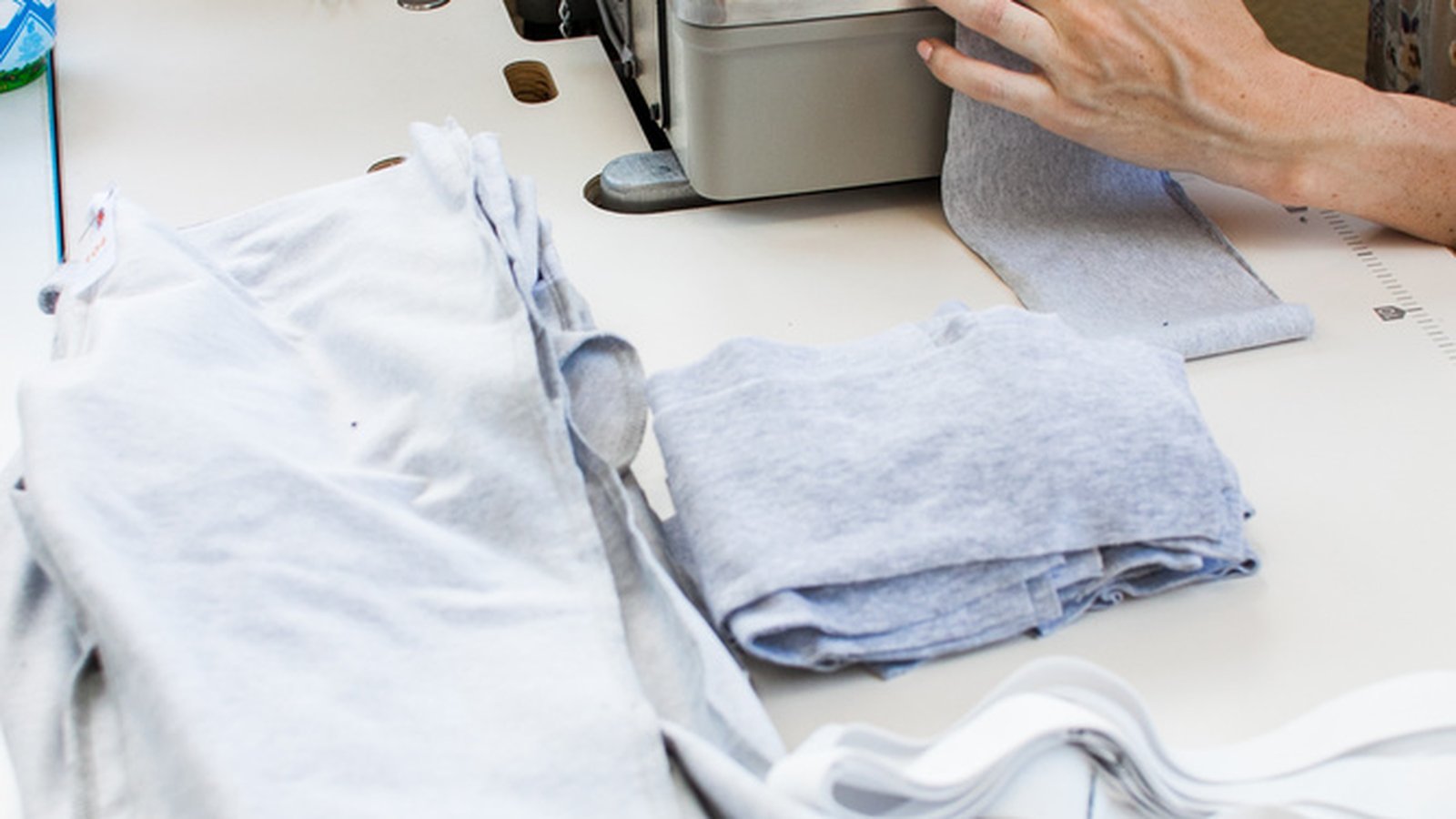
    Hands sewing fabric on an industrial sewing machine in a garment factory

    Apparel is both the easiest category to start and the easiest to get wrong. The fabric, the fit and the stitching are invisible until the customer tries the garment on — by which point returns are already expensive. Sourcing clothing from China profitably means controlling fabric specs, sizing, QC and lead time from the sample stage onward.

    The sample workflow: tech pack to fit sample

    Apparel cannot be ordered from a description — it needs a tech pack. That is your spec document: measurements at every point, fabric GSM and content, color references (Pantone), print/embroidery placement, labels and packaging. From the tech pack the factory makes a pattern and a sample. Approve the fit sample physically before bulk — a photo is not enough for sizing. Expect two or three sample rounds. This front-loaded effort is what saves you from a container of unwearable garments.

    Deciding what to order first

    Start simple: a solid-color tee or hoodie with one print is the lowest-risk first product, because fabric sourcing is easy and the construction is forgiving. Save plaids, color-blocking and complex prints for after you have a working supplier. Compare factories on three things: sample quality, communication speed on the tech pack, and minimum order quantities that fit your launch budget. Reorder the products that sell rather than expanding the catalog too fast.

    Product types and construction

    • Knitwear — T-shirts, hoodies, jerseys; cotton and cotton-poly blends; decorated with print or embroidery.
    • Woven garments — shirts, pants, jackets; structured fabrics with more seams and detail work.
    • Decoration — screen printing, sublimation, embroidery and patches, each adding cost and a QC step.

    Fabric: material and weight

    Specify fiber content and weight in grams per square meter (GSM). A basic tee might be 160–180 GSM; a premium heavyweight hoodie 350 GSM or more. GSM is where factories quietly downgrade — ordering 220 GSM and receiving 180. Lock the fabric to a physical swatch and re-check it on bulk. Cotton, polyester and blends each behave differently in dyeing and washing, so confirm the fabric matches your target market’s expectations.

    Sizing for EU and US markets

    Chinese sample sizes run small by default. Hand over a detailed size chart in your target market’s measurements (EU/US, in centimeters), and require fit samples before bulk. Sizing mismatches — not poor stitching — are the top cause of apparel returns. A graded size spec, approved fit sample, and in-line size checking during production prevent this.

    QC: color, threads and pattern matching

    • Color consistency — check shade across pieces and against the approved lab dip; batch-to-batch color difference is a common defect.
    • Loose threads and seams — trim checks, stitch density and seam strength.
    • Pattern matching and prints — align prints and plaids across panels, and verify print alignment and durability.

    MOQ, sampling and lead time

    Apparel runs on a sample-to-bulk flow: tech pack, pattern making, fit sample, then bulk. MOQs vary by factory and fabric, but expect the fabric dyeing and cutting minimums to drive the floor. Plan lead time as fabric sourcing and dyeing first, then production — fabric is usually the long pole, not sewing. Build in buffer for sampling rounds.

    Negotiating MOQ and reordering

    Apparel MOQs are usually driven by the fabric mill’s dyeing minimum, not the sewing floor. If your order is small, ask whether the factory can use ready-stock fabric colors to lower the MOQ — that is often the fastest way to test a design without a huge buy. Once a style sells, reordering is cheaper and faster than sampling from scratch, because the pattern and sizing are already approved. Plan to place an initial trial order, monitor sell-through, and reorder winners rather than chasing new styles every season.

    Compliance notes

    Adult garments need correct fiber-content and care labels in the destination language. Children’s clothing sold in the US additionally falls under CPSIA requirements (including drawstring and flammability rules) — budget for third-party testing where applicable.

    Working with a sourcing agent on apparel

    Because apparel hinges on fit and fabric feel, having someone on the ground approve the fit sample in person is worth more here than in most categories. A local agent can receive the sample, check the measurements against your size chart, and reject it before you fly in. They also run in-line checks during bulk production rather than only at the end, which catches color and stitching problems early. For a category where a single bad dye lot can spoil a whole order, on-the-ground eyes are one of the best investments you can make.

    The bottom line

    Apparel sourcing rewards discipline: lock fabric GSM and content to a swatch, approve a fit sample on EU/US sizing, QC color and stitching on bulk, and plan lead time around fabric. Done carefully, China remains the best place to build a private-label clothing line. Invest the time in the first tech pack and fit sample — everything after that gets easier and cheaper.
    Get a Free Sourcing Consultation →

  • Sourcing Kitchenware & Cookware from China: Materials, Compliance & QC

    Sourcing Kitchenware & Cookware from China: Materials, Compliance & QC

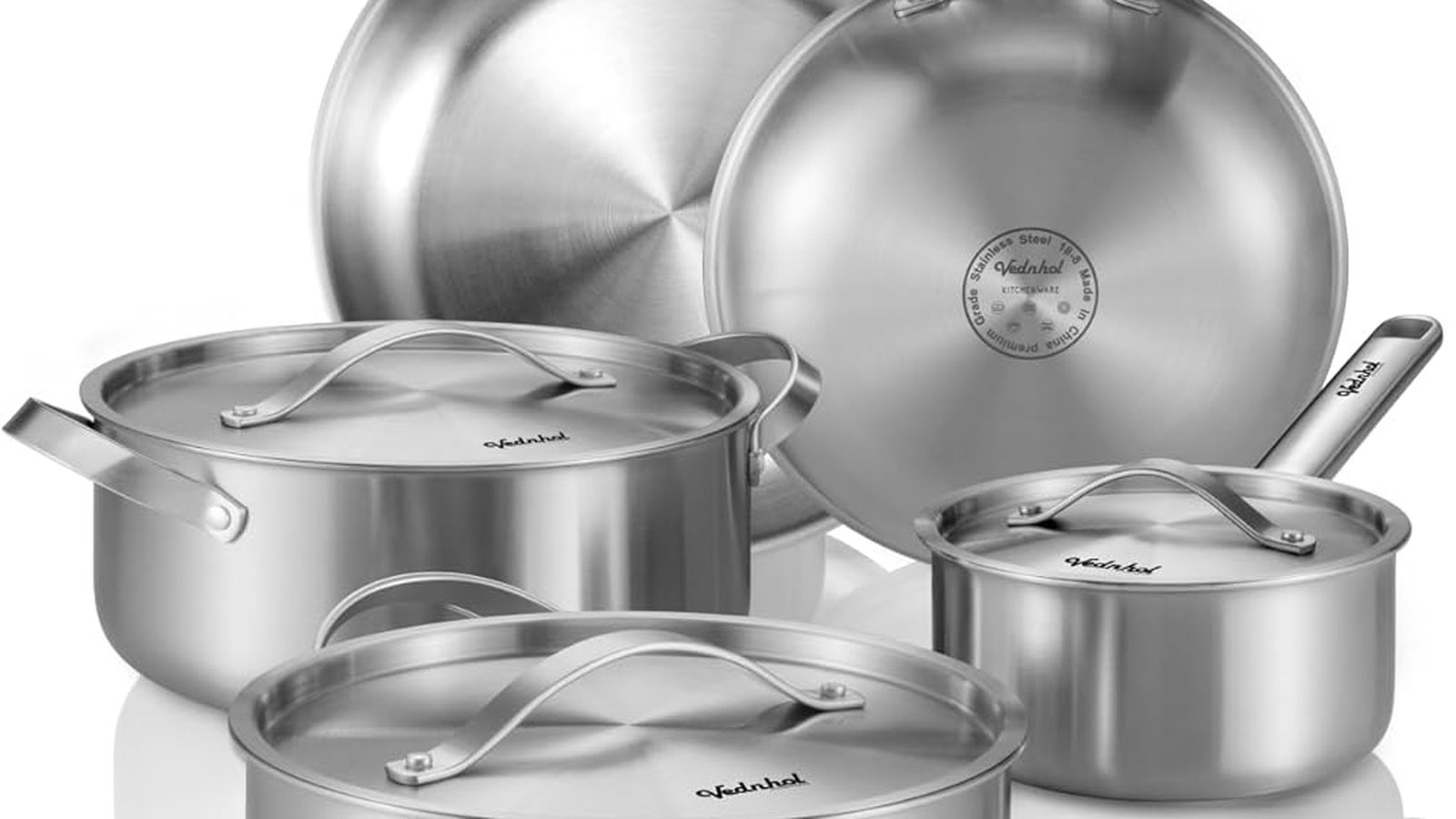
    Stainless steel pots and pans cookware set on white background

    Kitchenware is one of China’s most mature export categories — cookware, cutlery, utensils, storage and small appliances all flow out of industrial clusters in Guangdong and Zhejiang. The complication is that it touches food, which puts it under food-contact safety rules. Get the materials and the compliance paperwork right, and kitchenware is a repeatable, private-label friendly category.

    Which material fits your product

    Match the material to how the customer actually cooks. Stainless steel is durable, oven-safe and dishwasher-friendly but can hot-spot without an aluminum core; a tri-ply (stainless-aluminum-stainless) construction solves that and commands a premium. Non-stick cookware is easiest to sell but carries the coating-compliance burden and the expectation of easy release. Cast iron is heavy, low-cost and naturally non-stick when seasoned, but needs careful packaging against breakage. Silicone tools are cheap, flexible and food-safe, and a natural add-on category. For storage containers, plastic (Tritan/PP) and stainless are the usual choices, both subject to food-contact rules.

    Cost structure and pricing

    Cookware price is driven by material gauge, coating brand (licensed coatings cost more but sell better), and the number of pieces in the set. When comparing quotes, separate the unit cost, the coating upgrade, packaging, and any logo/gift-box cost — a cheap base pan with a premium coating can be more profitable than a bare cheap one. Because cookware ships bulky and dents easily, knocked-down packaging and protected corner foam are worth paying for to avoid arrival damage claims.

    Categories and materials

    • Cookware — stainless steel, non-stick coated, cast iron and aluminum. Each has a different cost, use and compliance angle.
    • Cutlery and utensils — stainless steel knives and spoons, silicone tools, wooden items.
    • Storage and small electrics — food containers plus small appliances, where electrical certification joins food-contact rules.

    Food-contact compliance

    Because these materials touch food, they must meet the destination’s food-contact requirements. In the US that means compliance with the relevant FDA food-contact expectations; in the EU, the framework is the EU food-contact materials regulation framework (with specific migration limits and the Declaration of Compliance). For non-stick coatings, buyers increasingly ask about PFOA/PFAS-free claims. Require supplier test reports for food-contact migration on the actual material, not a general certificate.

    QC: coating, thickness and handles

    • Coating adhesion — non-stick coating should not flake or scratch off easily; test with a cross-hatch or abrasion check.
    • Metal thickness — thin stainless warps and hot-spots; verify gauge against spec and compare weight to the approved sample.
    • Handles and joints — handles must be firmly attached, stay cool, and feel solid; loose handles are the most common complaint.

    Also inspect packaging, since cookware dents and scratches easily in transit.

    Common defects buyers miss

    The most frequent kitchenware complaints are subtle: a non-stick pan that releases well on day one but chips within months, a stainless pot that warps on the first hot burner, or a handle that loosens after a few uses. These are not caught by a visual inspection — they come from too-thin metal, weak coating adhesion and insufficient riveting. This is why approving a physical sample and cooking with it beats reading a spec sheet. Check the handle attachment by hand, weigh the pan against your target gauge, and run a quick coating abrasion test before bulk.

    Compliance documentation to collect

    Ask the supplier for the food-contact migration test report on the exact material and color you are ordering, the Declaration of Compliance where the EU applies, and coating documentation (including any PFOA/PFAS-free claim backing). For small electrics, add the electrical safety and EMC reports. Keep these on file — market surveillance can ask for them, and a documented file is what protects you if a product is questioned.

    Sets and private label

    Kitchenware sells extremely well as coordinated sets (pots and pans, utensil blocks), which also raises order value. Private labeling — your logo, gift box and colorway — is standard, with MOQs usually in the hundreds per set. Bundling components from the same cluster keeps cost and quality consistent.

    Kitchenware certifications to watch

    Beyond food-contact migration, remember that small electric kitchen appliances need their own safety and EMC certification, and that certain non-stock coating claims need backing. If you sell into California, Proposition 65 notices may also apply to materials and coatings. The practical move is to ask the supplier up front which destination markets they already export to — a factory experienced in your market already has the right paperwork, which saves you both testing time and cost.

    The bottom line

    Kitchenware sourcing is about materials plus food-contact proof. Specify steel gauge and coating type, demand FDA/EU food-contact test reports for the actual material, and QC coating adhesion, thickness and handles before shipment. Bundle into sets and private-label once a core product is proven. Because kitchenware is repeat purchase rather than trend-driven, a strong set that customers trust will reorder for years.

    Get a Free Sourcing Consultation →

  • Sourcing Outdoor & Camping Gear from China: Fabrics, QC & Clusters

    Sourcing Outdoor & Camping Gear from China: Fabrics, QC & Clusters

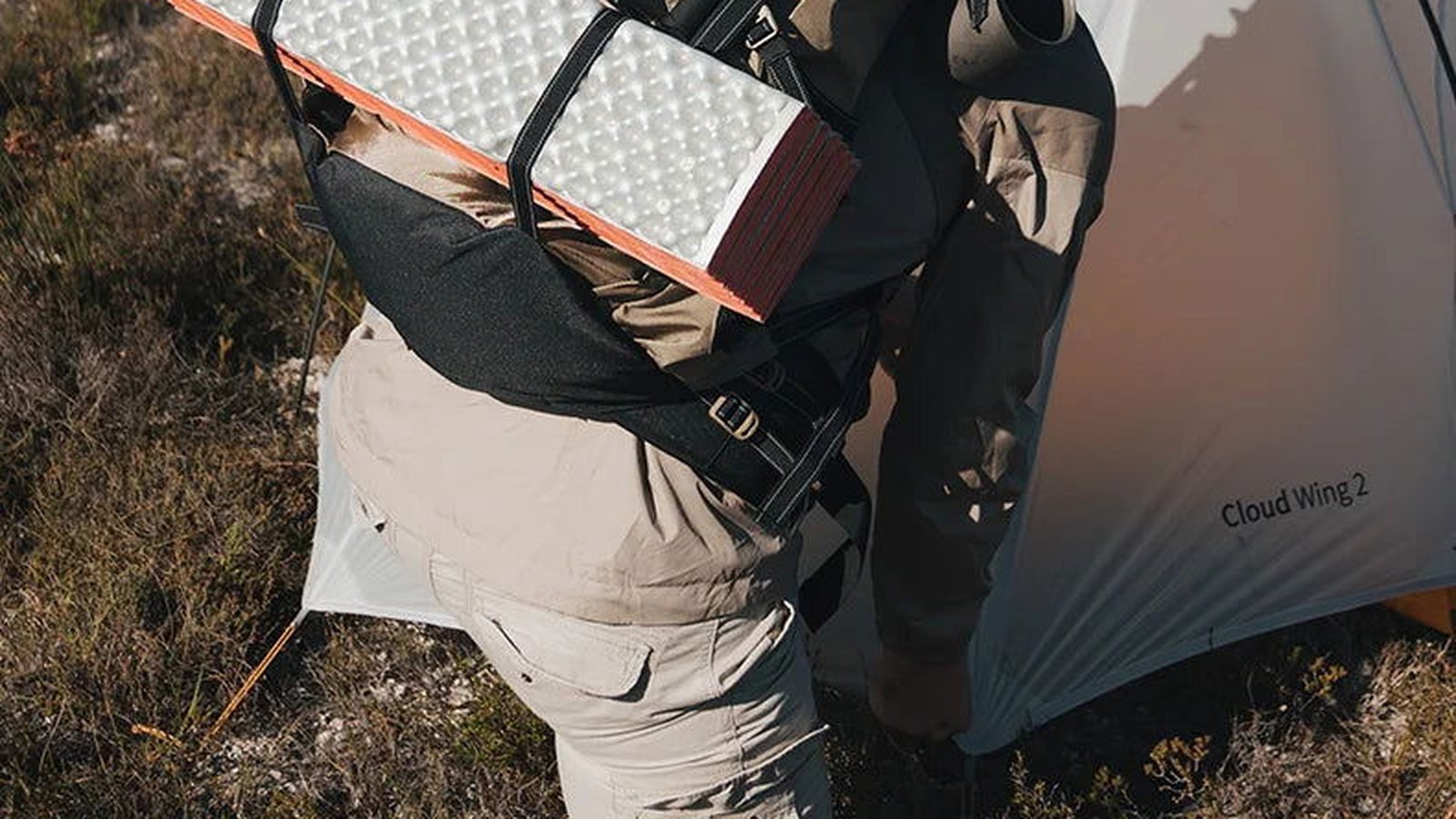
    Hiker with a large trekking backpack pitching a tent outdoors

    Outdoor and camping gear is a fast-growing category, and China manufactures the bulk of it — from tents and sleeping bags to backpacks, trekking poles and camping lights. The challenge is that “waterproof” is a promise printed on a hangtag rather than a fact unless you know the specs and inspect the construction. This guide covers the fabric numbers, the QC details, the seasonality and where the factories cluster.

    Sleeping bags, packs and the spec sheet

    Beyond tents, sleeping bags are rated by comfort/limit temperature rather than a simple number — down bags are lighter and warmer for their weight but lose performance when wet, while synthetic bags are bulkier but more forgiving. Down fill power and weight should be on the spec sheet. Backpacks live or die on the zipper, the buckles and the shoulder-strap padding; a comfortable-looking pack with a cheap main zip fails fast. For every product, ask the supplier for a spec sheet with fabric denier, waterproof rating, dimensions and packed weight — and compare two factories on the same sheet rather than on a price alone.

    Private label and margins

    Outdoor gear is strongly brand-led, which makes private label viable once you have a repeatable product. Logo placement (bag patch, tent carry bag, pole handle), colorways and retail packaging are the usual customization levers. Because the category is seasonal and trend-driven, start with a focused range rather than a full catalog — one strong tent, one pack model, a few accessories — then expand based on sell-through.

    Core categories

    • Tents and shelters — the highest-spec item, driven by fabric and seam construction.
    • Sleeping bags and pads — rated by temperature, fill (down vs synthetic) and weight.
    • Backpacks and packs — fabric zippers, buckles and load-transfer design.
    • Accessories — trekking poles, headlamps, camping lanterns and cookware.

    Fabrics: waterproof ratings and the lightweight trend

    Waterproofing is measured in hydrostatic head (HH), shown in millimeters. A basic rain fly might be rated around 1,500–2,000 mm; a serious 3-season tent floor and fly is often 3,000 mm or more. Higher HH means better water resistance, but only if the seams are taped. Alongside waterproofing, breathability and weight matter — the whole market is moving toward lightweight, packable gear, so fabric denier and packed weight are selling points you should specify rather than leave to the factory.

    QC: seams, taping and zips

    • Taped seams — water leaks at stitched holes. Check that critical seams are heat-taped and the tape is fully adhered.
    • Zippers and buckles — test main zips for smooth action and snagging; buckles should snap and release reliably.
    • Fabric consistency — compare the delivered fabric weight and feel to the approved sample; cheap factories quietly downgrade denier.

    A simple water-spray or immersion check on a sample catches most waterproofing failures before mass production.

    Testing before you commit

    For outdoor gear, the cheapest insurance is a real-world test of the sample. Pitch the tent in the rain, load the pack, zip and unzip the main pocket dozens of times, and check the taped seams under a tap. If the sample fails at home, bulk will fail at your customers’ doors. Ask the factory for its own water-pressure and wash tests, but run your own simple check — fabric and taping quality is too important to trust to a certificate alone. Keep the approved sample as the QC reference for the production run.

    Seasonality and industrial clusters

    Camping demand peaks in spring and summer in Western markets, which means production and shipping ramp in the months before — order early or pay peak-season costs. Production clusters matter: outdoor gear is concentrated in parts of Zhejiang (around Hangzhou and Ningbo, strong in tents and bags) and the Guangdong delta, so visiting suppliers in one trip covers many options. Trade shows focused on outdoor and sporting goods are also efficient sourcing windows.

    What changes when you reorder

    After a successful first batch, reordering is where cost control really matters. Lock the fabric supplier and the dye lot reference so the next run matches, and negotiate price as volume grows. Watch for factories that quietly switch to a cheaper fabric on reorders — the same approved sample check protects you. Because outdoor gear is seasonal, place the reorder early enough to hit the next spring window, and use the off-season to test new designs with the same supplier.

    The bottom line

    Outdoor gear lives or dies on fabric numbers and construction. Specify hydrostatic head and packed weight, inspect taped seams and zips against a golden sample, order ahead of the spring peak, and target the Zhejiang and Guangdong clusters. Done right, Chinese outdoor gear competes on both quality and price. Treat the approved sample as the yardstick, re-check every bulk shipment against it, and you will avoid most of the waterproofing and stitching complaints that sink outdoor brands.

    Get a Free Sourcing Consultation →

  • Sourcing Sports & Fitness Equipment from China: Materials, Certification & QC

    Sourcing Sports & Fitness Equipment from China: Materials, Certification & QC

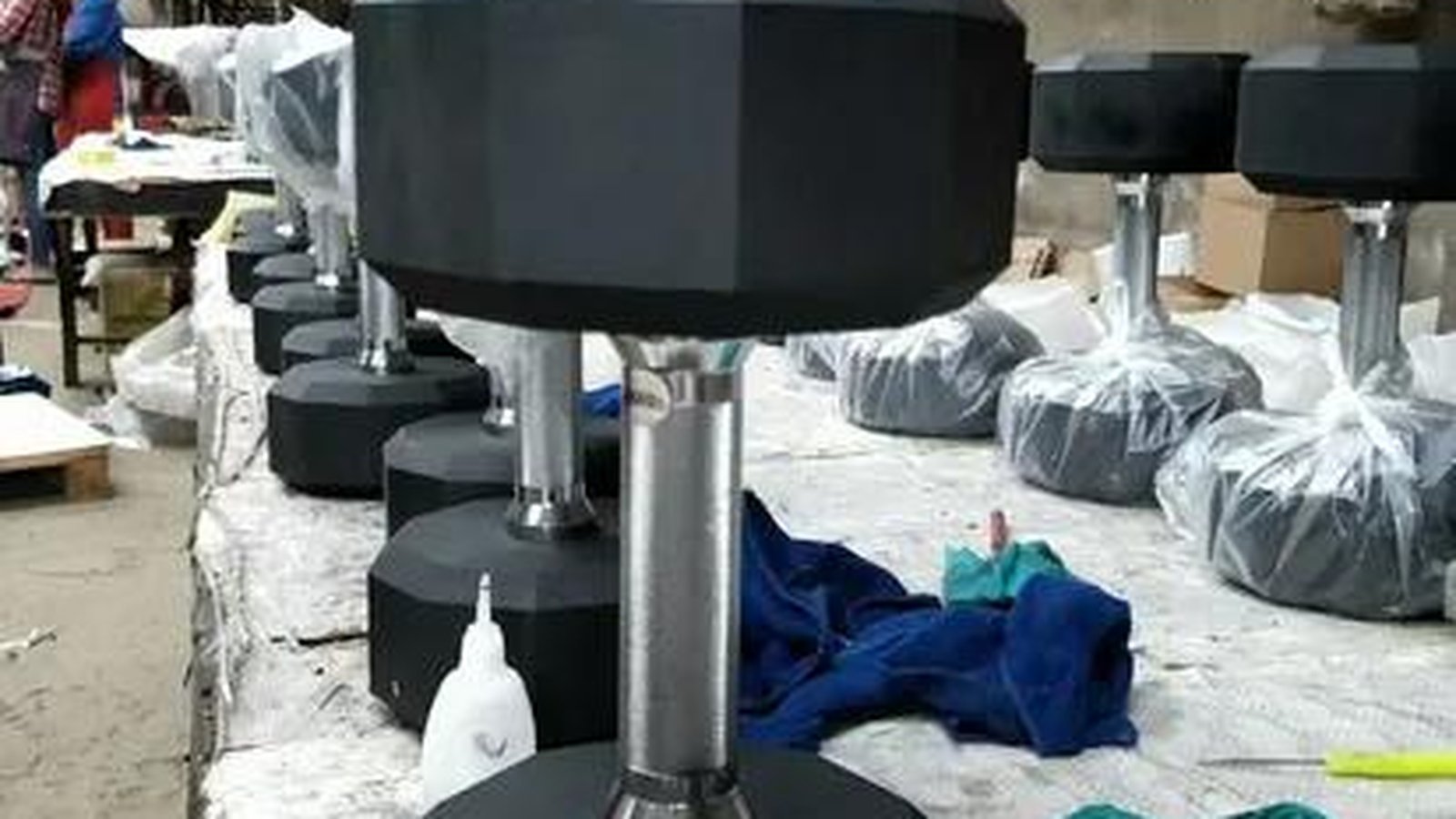
    Workers assembling black dumbbells in a fitness equipment factory

    China is the world’s workshop for fitness equipment, from adjustable dumbbells and yoga mats to full cardio machines. But it is also a category where weak welds, thin tubing and cheap plating turn into injuries, returns and liability. Sourcing fitness gear profitably means knowing what materials to specify, which certifications actually matter, and exactly where the quality typically fails.

    Deciding between home and commercial grade

    A first sourcing decision is whether you are buying home-consumer or light-commercial equipment. Home-grade gear uses thinner tubing, simpler padding and lower price points; commercial-grade gear for gyms uses heavier frames, higher load ratings and warranties that can run years. The price gap is large, but so is the failure rate — selling home-built frames as gym-grade is a classic way to generate returns and liability. Be explicit about the intended use on the purchase order, and ask the factory which line they build your SKU on. For massage guns, yoga mats and other small goods, focus on battery life and noise (for guns) and material density (for mats), where cheap copies cut corners.

    Warranty, spare parts and after-sales

    Fitness equipment moves and wears, so plan after-sales before you order. Ask whether the factory supplies spare parts (cables, belts, padding, motor boards) and whether the design is serviceable. Document the warranty period in the contract and keep a few replacement units or parts on hand for warranty claims. Electrical cardio machines fail more than steel strength gear, so a spare-parts agreement matters most for treadmills and bikes.

    The product landscape

    • Strength equipment — dumbbells, kettlebells, barbells, racks and benches. Steel and cast iron dominate; load ratings and welds are everything.
    • Cardio machines — treadmills, exercise bikes and rowers, combining electronics with steel frames — more complex QC and a higher failure rate.
    • Small accessories — yoga mats, resistance bands, foam rollers and massage guns; lower price point, higher volume, brand-driven.

    Each segment is made in different clusters — strength gear around Shandong and Hebei, mats and small accessories across the Pearl River Delta.

    Materials and load ratings

    For strength gear, the key decisions are frame tube gauge, weld quality, and the coating: rubber-coated vs neoprene vs chrome vs PU. Never buy on price alone — a thinner tube or a weaker weld fails under load. Always require a stated maximum user weight or load rating, and ask the factory to back it with a test. For yoga mats and bands, specify material (TPE vs PVC), thickness and density, which drive feel and durability.

    Certification: CE and EN 957

    Fitness equipment sold into the EU needs CE marking, and mechanical strength machines commonly fall under the EN 957 family of safety standards (covering fixed training equipment, load limits and structural safety). Electrical cardio machines also need EMC/LVD compliance. Require the supplier to show test reports from a recognized lab for the exact model — not a generic “we are certified” line. For the US market, relevant electrical and safety standards apply where electronics are involved.

    QC points: welds, plating and hardware

    • Welds — inspect for cracks, uneven beads and missing welds at stress points. This is the number-one failure in strength gear.
    • Plating and coating — check for rust spots, flaking chrome, and even coverage; cheap plating corrodes fast.
    • Hardware and assembly — confirm bolts, locking collars and adjustment mechanisms work smoothly and to spec.

    Pre-shipment inspection should include a random load or function test on a few units, not just a visual check.

    Where the factories cluster

    Fitness equipment clusters by type. Heavy strength gear — dumbbells, bars, racks and plates — is concentrated in Shandong (notably Dezhou) and parts of Hebei, where cast iron and steel processing is cheap. Cardio machines with electronics cluster in the Pearl River Delta near Shenzhen and Dongguan, where motor and electronics supply chains sit. Small accessories like yoga mats and massage guns come from a wider set of Guangdong factories. Knowing the cluster tells you which factories will be strongest at your product, and makes a sourcing trip efficient.

    Shipping and OEM

    Fitness equipment is heavy and bulky — factor in ocean freight, palletization, knocked-down (flat-pack) packaging to save space, and assembly instructions for the end user. Private label is straightforward: your logo on the frame or grip, with MOQs that vary by item from a few hundred dumbbells to several machines.

    Common QC pitfalls in fitness gear

    The defects that generate returns are predictable: a dumbbell handle that slips, a bench that wobbles because the frame is not square, a treadmill belt that drifts, or plating that rusts on the first ocean shipment. Build checks for each into your inspection — not just a count and a visual, but a functional test on a sample of units. Document the test result on the QC report, so you have evidence if a claim arises later. Spending a little on inspection saves a lot on reverse logistics and bad reviews.

    The bottom line

    Fitness equipment sourcing rewards detail: specify tube gauge and load ratings, demand CE/EN 957 test reports for the real model, and inspect welds and plating before shipment. Plan heavy-goods logistics and flat-pack packaging up front, and private-label once you have a repeatable product. Start with one proven SKU rather than a full catalog, and let sell-through guide what you expand next.

    Get a Free Sourcing Consultation →

  • Planning a Factory Visit to China: Audit Checklist, Escort & Costs

    Planning a Factory Visit to China: Audit Checklist, Escort & Costs

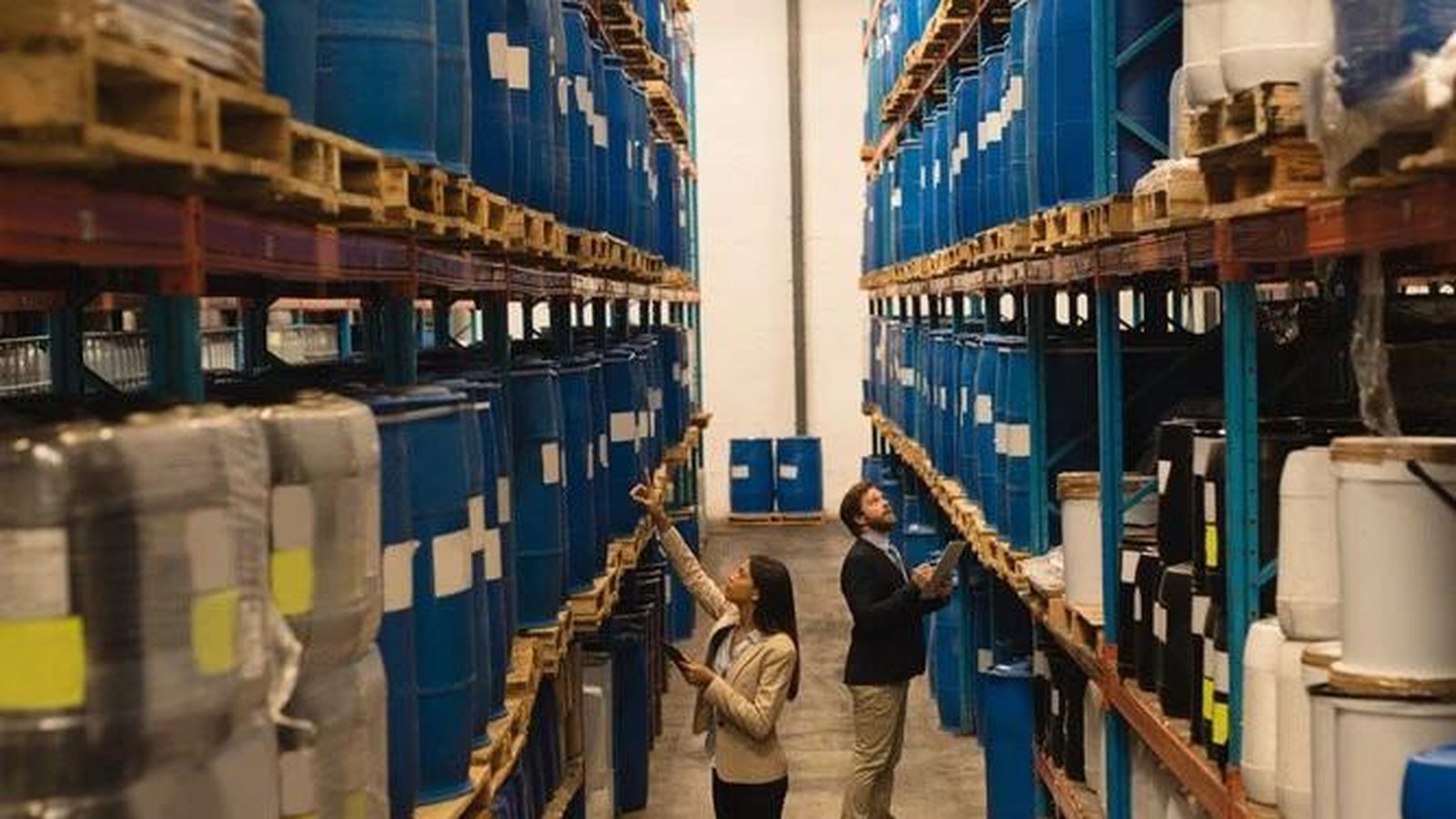
    Two business people inspecting inventory with a clipboard in a warehouse aisle

    A factory visit is the single highest-return trip a China-based buyer can take. A website and a video call tell you what a supplier wants you to see; walking the production floor tells you whether the company can actually make your product, at your quality, at your volume. But a visit only pays off if you arrive prepared — otherwise you spend three hours being shown a tidy showroom and leave none the wiser.

    This guide walks through how to plan a factory visit to China, what to verify on the floor, why an escort and translator are worth their cost, and how to turn the day into a clear sourcing decision.

    Real factory vs trading company: what to look for

    One of the most useful things a visit proves is whether you are in a real factory or a trading company’s showroom. A genuine factory has its own production floor, named equipment, raw-material storage and workers on payroll. Trading companies can be honest and useful, but they cannot give you direct process control, faster fixes or the factory price. On the visit, ask to see the machines that actually make your product and check whether the people on the floor match the scale of business being quoted. If every question routes through a sales office and the floor is a borrowed space, adjust your expectations and price accordingly.

    Costs and practical tips

    Budget for flights, a local escort/interpreter (usually charged by the day), transport between factories and hotel. Group visits by cluster — seeing five suppliers in the same industrial zone in two days is far cheaper and more productive than five separate trips. Wear closed shoes and expect to be offered meals; accepting hospitality is normal, but keep your objective checklist in mind. Take a power bank, note down machine names and serials, and photograph the floor with permission. A one-day visit should leave you with enough concrete evidence to compare suppliers objectively.

    Before you go: booking, visas and goals

    • Book the visit properly. Confirm the date, address and contact in writing, and send your passport details if the factory needs to issue an invitation letter for a visa application. Plan multiple factories per day in the same industrial cluster to make the trip efficient.
    • Sort your visa. Most Western visitors need a China visa in advance (or visa-free entry where available). Apply early — processing takes time and varies by country.
    • Set a goal list. Decide in advance what you are verifying: capacity, quality, financial health, whether they are a real factory or a trading company, or a specific defect you want to see live. Bring a printed checklist so the visit stays on track.
    • Prepare samples and specs. Bring your product drawings, approved sample and the issues from previous orders, so the meeting is concrete.

    What to check on the factory floor

    A useful visit covers more than the showroom. Work through these areas:

    • Business license and registration — confirm the legal name, scope and operating years match the company on your contract.
    • Production lines — are machines running your type of product? Are they busy or idle? Is there real capacity for your volume?
    • Workshop and workers — how many workers, which shifts, and do they look organized? Empty floors or only a handful of machines are red flags for a small “factory”.
    • Warehouse and raw materials — check incoming material storage and finished-goods area; a factory that holds material and ships finished product is operating at scale.
    • Environmental and fire safety — look for fire exits, extinguishers and basic compliance; factories with serious safety problems are also unstable suppliers.

    The value of an escort and translator

    Unless you speak fluent Mandarin, an experienced local escort changes the visit. They can ask the questions you cannot — probing which components are made in-house versus bought in, what the real lead time looks like, and whether the price on the sheet includes tooling. They also prevent the supplier from steering you to the showroom while hiding the real floor. A good escort often spots within ten minutes whether you are in a genuine factory or a trading office with a rented “showroom”.

    After the visit: the report and the decision

    Take dated photos and notes through the day, and within a day or two write up findings against your goal list: capacity, quality level, communication, and any red flags. Use the visit to negotiate — having seen the factory strengthens your position on price, tooling ownership and QC clauses. Most buyers visit 3–5 shortlisted factories, then compare them side by side before placing a trial order.

    Negotiating on a factory visit

    Once you have inspected the floor, use the visit to lock in terms. Ask directly about tooling, lead time for a trial order, and what happens if a weld or coating fails on arrival. Suppliers often quote more aggressively once they see a serious, knowledgeable buyer on the ground. Get the names of the sales contact and the production manager in writing, so future communication reaches the people who can actually fix problems. A factory you have walked through is far more likely to prioritize your order than one that only knows you by email.

    The bottom line

    A well-planned factory visit removes guesswork. Book ahead, bring a goal checklist, inspect the real floor rather than the showroom, use an escort to cut through language and staging, and write up findings within 48 hours. It is the most reliable way to confirm a supplier before you commit real money.

    Get a Free Sourcing Consultation →

  • That 0 Car Fridge? The Factory Price Is Half That.

    That $100 Car Fridge? The Factory Price Is Half That.

    Road trips and camping are getting more luxurious. Portable car fridges are a huge trend on Amazon — people are paying $80, $100, even $200 for a mini fridge that plugs into their car. But what does one actually cost to make?

    That 0 Car Fridge? The Factory Price Is Half That.

    What Is a Portable Car Fridge?

    A portable car fridge is a small electric cooler/warmer that plugs into your car’s 12V outlet. The upgraded versions come with 6L capacity, thermoelectric cooling, and quiet operation. They’re popular for road trips, camping, and keeping drinks cold on the go.

    What’s Inside That $100 Car Fridge?

    • Capacity: 6L, holds 6 cans
    • Cooling: Thermoelectric, cools to 20°C below ambient
    • Heating: Also warms up to 65°C
    • Power: 12V car adapter + 110V home adapter
    • Design: Compact, portable, quiet fan

    Amazon Price: What Are People Actually Paying?

    Brand Tier Amazon Price Example
    Premium (Branded) $99.99 – $199.99 COSTWAY, Midea
    Mid-tier $49.99 – $79.99 Non-brand with good reviews
    Value / New launch $29.99 – $39.99 No-name brands with launch discounts

    What the Chinese Factory Actually Charges

    Price Point Cost (USD per unit) MOQ What’s Included
    Factory Price (Bulk Order) $15.00 – $35.00 200–1000 pcs Basic fridge, no retail box
    Factory Price (Custom Logo) $35.00 – $60.00 100–300 pcs Cooler + warmer, dual adapter, retail box
    Appliance factory production line in China

    Why Don’t Most Sellers Buy Directly From Factories?

    Because cooling performance and noise level vary wildly. Some cheap fridges don’t get cold enough, or the fan is loud. A good sourcing agent tests every sample — checks cooling temperature, noise level, and power consumption — before bulk production.

    The Profit Margin Math

    You buy 200 units at $40.00 each, sell on Amazon for $79.99.

    Cost Item Per Unit 200 Units Total
    Factory Price (with retail box) $40.00 $8,000
    Shipping to Amazon (sea + fulfillment) $10.00 $2,000
    Amazon FBA Fee $12.00 $2,400
    PPC Ads (average 10% of revenue) $8.00 $1,600
    Total Cost $70.00 $14,000
    Revenue (selling price × 200) $79.99 $15,998
    Net Profit $9.99 $1,998
    Net Margin ~12% (after all fees and ads)
    That 0 Car Fridge? The Factory Price Is Half That.

    Sourcing Tips for Car Fridges

    • Cooling test. Put it in a 30°C room. If it doesn’t get below 10°C, the cooling is weak.
    • Noise test. Turn it on. If it’s too loud, customers will complain.
    • Power consumption test. Check the wattage. If it’s too high, it’ll drain your car battery.
    • Build quality test. Open and close the lid 1000 times. If the hinge breaks, it’s cheap.
    • FCC/ETL certification. Amazon requires certification for appliances.

    Is This Product Worth Selling in 2026?

    Yes, but it’s seasonal and competitive. To stand out, you need: good cooling performance, quiet operation, dual power adapters, and a sleek design.

    Want a Custom Quote for Your Car Fridge Order?

    We help Amazon sellers source portable car fridges directly from Chinese factories. We handle factory vetting, cooling performance testing, noise level checks, and shipping to Amazon FBA.

    👉 Get a Free Car Fridge Sourcing Quote →


    Disclaimer: Pricing data is based on October 2026 Amazon US listings and verified Chinese factory quotes.

  • That 0 Electric Fishing Reel? The Factory Price Is Half That.

    That $300 Electric Fishing Reel? The Factory Price Is Half That.

    Deep sea fishing is expensive, and electric reels make it even more so. On Amazon, serious anglers are paying $200, $300, even $500 for an electric fishing reel. But what does one actually cost to make at a Chinese factory?

    That 0 Electric Fishing Reel? The Factory Price Is Half That.

    What Is an Electric Fishing Reel?

    An electric fishing reel is a motorized reel that automatically winds in the line. The upgraded versions come with digital display, built-in battery, and high gear ratio. They’re popular for deep sea fishing where reeling in big fish by hand is exhausting.

    What’s Inside That $300 Electric Reel?

    • Motor: Electric motor, 6.4:1 gear ratio
    • Battery: Built-in lithium battery, rechargeable
    • Display: Digital line counter, speed control
    • Body: Aluminum alloy, durable
    • Use: Deep sea, boat fishing, jigging

    Amazon Price: What Are People Actually Paying?

    Brand Tier Amazon Price Example
    Premium (Branded) $299.99 – $599.99 Shimano, Daiwa
    Mid-tier $149.99 – $249.99 Non-brand with good reviews
    Value / New launch $89.99 – $129.99 No-name brands with launch discounts

    What the Chinese Factory Actually Charges

    Price Point Cost (USD per unit) MOQ What’s Included
    Factory Price (Bulk Order) $60.00 – $120.00 50–200 pcs Basic reel, no retail box
    Factory Price (Custom Logo) $120.00 – $200.00 30–100 pcs Digital display, battery, retail box
    Fishing gear factory production line in China

    Why Don’t Most Sellers Buy Directly From Factories?

    Because motor power and durability vary wildly. Some cheap reels can’t handle big fish, or the battery dies halfway through. A good sourcing agent tests every unit — checks motor power, battery life, and saltwater resistance — before bulk production.

    The Profit Margin Math

    You buy 50 units at $140.00 each, sell on Amazon for $279.99.

    Cost Item Per Unit 50 Units Total
    Factory Price (with retail box) $140.00 $7,000
    Shipping to Amazon (sea + fulfillment) $25.00 $1,250
    Amazon FBA Fee $25.00 $1,250
    PPC Ads (average 10% of revenue) $28.00 $1,400
    Total Cost $218.00 $10,900
    Revenue (selling price × 50) $279.99 $13,999
    Net Profit $61.99 $3,099
    Net Margin ~22% (after all fees and ads)
    That 0 Electric Fishing Reel? The Factory Price Is Half That.

    Sourcing Tips for Electric Fishing Reels

    • Motor power test. Reel in a heavy weight. If the motor stalls, it’s weak.
    • Battery life test. Reel it 100 times. If the battery dies, it’s bad.
    • Saltwater test. Spray it with saltwater. If it rusts, it’s not saltwater-proof.
    • Durability test. Use it 500 times. If it breaks, the gears are cheap.
    • Warranty check. Make sure it comes with at least a 1-year warranty.

    Is This Product Worth Selling in 2026?

    Yes, but it’s high-ticket and competitive. To stand out, you need: strong motor, long battery life, saltwater resistance, and a digital display.

    Want a Custom Quote for Your Electric Reel Order?

    We help Amazon sellers source electric fishing reels directly from Chinese factories. We handle factory vetting, motor power testing, battery life checks, and shipping to Amazon FBA.

    👉 Get a Free Electric Reel Sourcing Quote →


    Disclaimer: Pricing data is based on October 2026 Amazon US listings and verified Chinese factory quotes.

  • That 0 Vibration Plate? The Factory Price Is Way Lower.

    That $200 Vibration Plate? The Factory Price Is Way Lower.

    Vibration plates are the lazy person’s fitness dream. Just stand on it, and it “shakes the fat off.” On Amazon, people are paying $150, $200, even $300 for one. But what does one actually cost to make?

    That 0 Vibration Plate? The Factory Price Is Way Lower.

    What Is a Vibration Plate?

    A vibration plate is a fitness machine that vibrates while you stand, sit, or lie on it. The upgraded versions come with resistance bands, remote control, and multiple speed levels. They’re popular because they supposedly tone muscles and improve circulation with minimal effort.

    What’s Inside That $200 Vibration Plate?

    • Motor: 200W vibration motor
    • Speed: 1-99 speed levels, adjustable
    • Features: LED display, remote control, resistance bands
    • Capacity: Supports up to 330lbs
    • Design: Anti-slip surface, compact for home use

    Amazon Price: What Are People Actually Paying?

    Brand Tier Amazon Price Example
    Premium (Branded) $199.99 – $399.99 LifePro, Nimble
    Mid-tier $99.99 – $169.99 Non-brand with good reviews
    Value / New launch $59.99 – $89.99 No-name brands with launch discounts

    What the Chinese Factory Actually Charges

    Price Point Cost (USD per unit) MOQ What’s Included
    Factory Price (Bulk Order) $30.00 – $70.00 100–500 pcs Basic plate, no retail box
    Factory Price (Custom Logo) $70.00 – $120.00 50–200 pcs Resistance bands, remote, retail box
    Fitness equipment factory production line in China

    Why Don’t Most Sellers Buy Directly From Factories?

    Because motor power and vibration smoothness vary wildly. Some cheap plates are too weak to feel, or they’re loud and shaky. A good sourcing agent tests every sample — checks motor power, vibration smoothness, and noise level — before bulk production.

    The Profit Margin Math

    You buy 100 units at $80.00 each, sell on Amazon for $159.99.

    Cost Item Per Unit 100 Units Total
    Factory Price (with retail box) $80.00 $8,000
    Shipping to Amazon (sea + fulfillment) $25.00 $2,500
    Amazon FBA Fee $25.00 $2,500
    PPC Ads (average 10% of revenue) $16.00 $1,600
    Total Cost $146.00 $14,600
    Revenue (selling price × 100) $159.99 $15,999
    Net Profit $13.99 $1,399
    Net Margin ~9% (after all fees and ads)
    That 0 Vibration Plate? The Factory Price Is Way Lower.

    Sourcing Tips for Vibration Plates

    • Motor power test. Stand on it. If you can’t feel the vibration, the motor is weak.
    • Noise level test. Turn it on. If it’s too loud, customers will complain.
    • Vibration smoothness test. Stand on it. If it’s shaky, the design is bad.
    • Build quality test. Put 330lbs on it. If it bends, the frame is cheap.
    • FCC/CE certification. Amazon requires certification for fitness electronics.

    Is This Product Worth Selling in 2026?

    Yes, but it’s heavy and low-margin. To stand out, you need: strong motor, quiet operation, resistance bands, and a sleek design.

    Want a Custom Quote for Your Vibration Plate Order?

    We help Amazon sellers source vibration plates directly from Chinese factories. We handle factory vetting, motor power testing, noise level checks, and shipping to Amazon FBA.

    👉 Get a Free Vibration Plate Sourcing Quote →


    Disclaimer: Pricing data is based on October 2026 Amazon US listings and verified Chinese factory quotes.

  • That  Push Up Bars? The Factory Price Is .

    That $20 Push Up Bars? The Factory Price Is $3.

    Push up bars are a simple fitness tool, but they make a huge difference. On Amazon, home workout enthusiasts are paying $15, $20, even $30 for a pair of “rotating” push up bars. But what does a pair actually cost to make?

    That  Push Up Bars? The Factory Price Is .

    What Are Rotating Push Up Bars?

    Rotating push up bars are ergonomic handles that swivel while you do push ups. The upgraded versions come with non-slip bases, comfortable grips, and space-saving design. They’re popular because they reduce wrist strain and activate more chest muscles.

    What’s Inside That $20 Push Up Bars?

    • Material: PP plastic + TPE grips
    • Rotation: 360° swivel handles
    • Base: Non-slip, wide base for stability
    • Weight: Lightweight, easy to store
    • Design: Ergonomic, reduces wrist strain

    Amazon Price: What Are People Actually Paying?

    Brand Tier Amazon Price Example
    Premium (Branded) $19.99 – $39.99 Perfect Fitness, JBM
    Mid-tier $9.99 – $16.99 Non-brand with good reviews
    Value / New launch $5.99 – $8.99 No-name brands with launch discounts

    What the Chinese Factory Actually Charges

    Price Point Cost (USD per unit) MOQ What’s Included
    Factory Price (Bulk Order) $1.50 – $4.00 1000–5000 pairs Basic bars, no retail box
    Factory Price (Custom Logo) $4.00 – $8.00 500–1000 pairs Swivel handles, retail box
    Fitness equipment factory production line in China

    Why Don’t Most Sellers Buy Directly From Factories?

    Because base stability and grip comfort vary wildly. Some cheap bars slide on the floor, or the handles hurt your hands. A good sourcing agent tests every pair — checks base stability, grip comfort, and swivel smoothness — before bulk production.

    The Profit Margin Math

    You buy 1000 pairs at $5.00 each, sell on Amazon for $12.99.

    Cost Item Per Pair 1000 Pairs Total
    Factory Price (with retail box) $5.00 $5,000
    Shipping to Amazon (sea + fulfillment) $0.80 $800
    Amazon FBA Fee $2.00 $2,000
    PPC Ads (average 10% of revenue) $1.30 $1,300
    Total Cost $9.10 $9,100
    Revenue (selling price × 1000) $12.99 $12,990
    Net Profit $3.89 $3,890
    Net Margin ~30% (after all fees and ads)
    That  Push Up Bars? The Factory Price Is .

    Sourcing Tips for Push Up Bars

    • Base stability test. Put it on the floor. If it slides, the base is bad.
    • Grip comfort test. Grip it. If it hurts your hands, the grips are bad.
    • Swivel test. Spin the handles. If they don’t spin smoothly, the bearing is bad.
    • Durability test. Put 200lbs on it. If it breaks, the plastic is cheap.
    • Weight capacity check. Make sure it’s rated for at least 200lbs.

    Is This Product Worth Selling in 2026?

    Yes, but it’s competitive and low-ticket. To stand out, you need: non-slip base, comfortable grips, swivel handles, and a sleek design.

    Want a Custom Quote for Your Push Up Bars Order?

    We help Amazon sellers source push up bars directly from Chinese factories. We handle factory vetting, base stability testing, grip comfort checks, and shipping to Amazon FBA.

    👉 Get a Free Push Up Bars Sourcing Quote →


    Disclaimer: Pricing data is based on October 2026 Amazon US listings and verified Chinese factory quotes.

  • That  Ab Roller? The Factory Price Is .

    That $30 Ab Roller? The Factory Price Is $5.

    Ab rollers are a classic fitness tool, but the new “automatic rebound” versions are taking over Amazon. Home workout enthusiasts are paying $20, $30, even $50 for one. But what does one actually cost to make?

    That  Ab Roller? The Factory Price Is .

    What Is an Automatic Rebound Ab Roller?

    An automatic rebound ab roller is a core workout tool that rolls out and springs back automatically. The upgraded versions come with dual wheels, ergonomic handles, and a knee mat. They’re popular because they’re easier on your back than traditional ab rollers.

    What’s Inside That $30 Ab Roller?

    • Wheels: Dual wheels, stable and wide
    • Rebound: Automatic rebound system
    • Handles: Ergonomic, non-slip grips
    • Wheels: PU material, quiet rolling
    • Includes: Knee mat for comfort

    Amazon Price: What Are People Actually Paying?

    Brand Tier Amazon Price Example
    Premium (Branded) $24.99 – $49.99 Perfect Fitness, Ride
    Mid-tier $12.99 – $19.99 Non-brand with good reviews
    Value / New launch $6.99 – $9.99 No-name brands with launch discounts

    What the Chinese Factory Actually Charges

    Price Point Cost (USD per unit) MOQ What’s Included
    Factory Price (Bulk Order) $2.00 – $6.00 1000–5000 pcs Basic roller, no retail box
    Factory Price (Custom Logo) $6.00 – $12.00 500–1000 pcs Dual wheels, knee mat, retail box
    Fitness equipment factory production line in China

    Why Don’t Most Sellers Buy Directly From Factories?

    Because wheel stability and rebound strength vary wildly. Some cheap rollers are wobbly, or the rebound system breaks easily. A good sourcing agent tests every sample — checks wheel stability, rebound strength, and handle comfort — before bulk production.

    The Profit Margin Math

    You buy 1000 units at $7.00 each, sell on Amazon for $16.99.

    Cost Item Per Unit 1000 Units Total
    Factory Price (with retail box) $7.00 $7,000
    Shipping to Amazon (sea + fulfillment) $1.00 $1,000
    Amazon FBA Fee $2.50 $2,500
    PPC Ads (average 10% of revenue) $1.70 $1,700
    Total Cost $12.20 $12,200
    Revenue (selling price × 1000) $16.99 $16,990
    Net Profit $4.79 $4,790
    Net Margin ~28% (after all fees and ads)
    That  Ab Roller? The Factory Price Is .

    Sourcing Tips for Ab Rollers

    • Wheel stability test. Roll it on the floor. If it wobbles, the wheels are too narrow.
    • Rebound test. Roll it out. If it doesn’t spring back, the rebound system is bad.
    • Handle comfort test. Grip it. If it’s uncomfortable, the handles are bad.
    • Durability test. Use it 1000 times. If it breaks, the plastic is cheap.
    • Knee mat quality test. Check the mat. If it’s thin, it’ll hurt your knees.

    Is This Product Worth Selling in 2026?

    Yes, but it’s competitive. To stand out, you need: stable dual wheels, automatic rebound, comfortable handles, and a good knee mat.

    Want a Custom Quote for Your Ab Roller Order?

    We help Amazon sellers source ab rollers directly from Chinese factories. We handle factory vetting, wheel stability testing, rebound strength checks, and shipping to Amazon FBA.

    👉 Get a Free Ab Roller Sourcing Quote →


    Disclaimer: Pricing data is based on October 2026 Amazon US listings and verified Chinese factory quotes.